The 3-Things Rule: How to Plan Your Day So You Do Not Get Tired
Plan a solo travel day with one big thing, one small thing, and one slow thing. Less rushing, fewer decisions, and you will still have energy for dinner.
 ✓
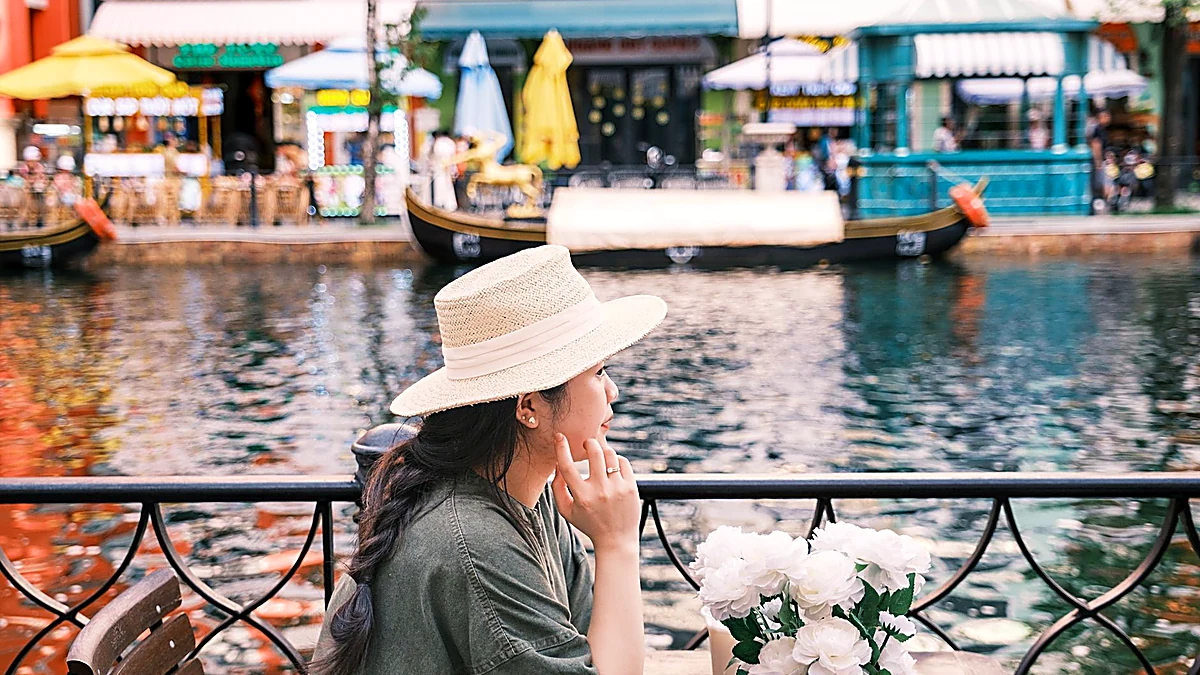
Most solo travel days fall apart in the same quiet way. You wake up with nine places saved on your phone, you walk fast all morning to fit them in, and by four in the afternoon you are sitting on a bench wondering why you feel so flat. The 3-Things Rule is a small fix for that, and it takes about five minutes the night before.
Why Three Things Is Enough for One Day
Here is the part that surprises most people. The tiredness on a solo trip usually does not come from the walking. It comes from the deciding.
Every stop on your list means another map check, another ticket scan, another moment standing on a corner trying to remember which exit you were supposed to take. Nine stops means nine of those moments stacked on top of each other.
By evening your head has done more work than your legs, and that is why a day that looked easy on paper leaves you lying on the bed at seven o'clock with your shoes still on. You did not overdo it physically. You simply made too many small choices.
The 3-Things Rule fixes this by shrinking the plan. Each day you choose one big thing, one small thing, and one slow thing. The big thing is the reason you came to the city. The small thing is a small pleasure within a short walk of it. The slow thing is something that involves sitting down for a while.
In Tokyo, for example, that could be a garden in the morning, a stationery shop after lunch, and a long coffee in the late afternoon. In Munich it might be a museum, a market stall, and a bench in a beer garden with something cold in your hand.
Three plans feel like a full day. Nine plans feel like a job, and you are the only person employed there.
When your plan is this small, you stop rushing. You can sit in a cafe for an extra twenty minutes without the feeling that you are falling behind, because there is nowhere else you were meant to be. You can take the long way back through a neighbourhood you had not planned to visit, simply because the street looked interesting.
And here is the quiet reward. At six in the evening you still have something left in the tank. You can eat dinner slowly, write a few notes about the day, and stay out for one more cup of tea, instead of eating a packet of biscuits in your room because going out again feels impossible.
How to Pick Your Three Things (Big, Small, Slow)
Step one: choose the big thing
Start with the one place you would genuinely regret missing. This is the thing you would be sad about on the flight home. Write it down before anything else, and then check its opening hours and its closing day, because plenty of good museums and small galleries rest on Mondays and Tuesdays.
If it needs a timed ticket, book the morning slot. Morning bookings are easier to keep, and they leave your afternoon loose in case the day opens up in an interesting direction.
Step two: add a small thing within a short walk
With the big thing fixed, look for something small nearby, ideally within a fifteen-minute walk. A bakery, a record shop, a quiet courtyard, a good bookshop, or a shop that sells one thing and sells it beautifully.
In Kyoto the big thing might be a temple, and the small thing a knife shop on a narrow street two blocks away. In Copenhagen the big thing might be a gallery, and the small thing the bakery you pass on the walk back to the metro.
The small thing matters more than it sounds like it should. It gives the day a second point of interest without adding any travel time, and it is often the part you end up telling people about when you get home.
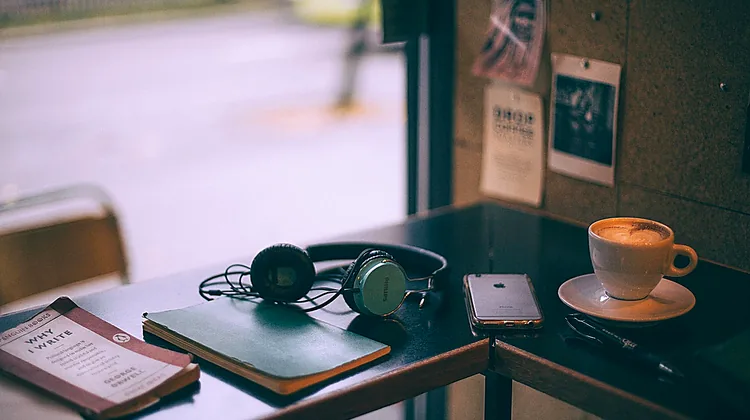
Three outfits that mix and match easily.
Step three: pick a slow thing that involves sitting down
The slow thing is the part most people skip, and it is usually the part that saves the day. Choose something with a chair, decent light, and no queue. A cafe with wide windows, a park bench facing the water, a long lunch, a library reading room, or a terrace by the river.
This is not wasted time, even though it can feel that way at first. It is the pause that lets your feet recover and your head catch up with everything you have already seen, and it is the reason you remember a day clearly instead of remembering only a blur of streets.
It is also when you notice small things, like the man reading a paperback at the next table or the way the light moves across the floor between two and four in the afternoon.
Write all three things in your phone the night before, with the big thing at the top of the note. Anything extra you stumble into during the day is a bonus rather than a task. If you finish early, treat the empty hours as a gift instead of a gap that needs filling.
| City | The big thing | The small thing | The slow thing |
|---|---|---|---|
| Tokyo | A garden in the morning | A stationery shop | A long coffee in the afternoon |
| Munich | A museum | A market stall | A bench in a beer garden |
| Kyoto | A temple | A knife shop | Coffee by the river |
| Copenhagen | A gallery | A neighbourhood bakery | A bench beside the canal |
You can fill in the table above for any city in about ten minutes. The only rule is that the slow thing has to involve sitting, and the small thing has to be close enough to walk to without a detour.
What to Wear for a Day That Moves Slowly
A three-thing day has a particular shape to it. It usually means two walking blocks with one long sit in the middle, so you want soft fabrics and shoes you already trust rather than anything new you bought for the trip.
Start with one breathable cotton or linen tee. Add a light overshirt that you can pull on when the air conditioning kicks in, because trains, museums, and cafes are all colder than they look from the street. Choose straight-leg trousers or a simple skirt that does not crease badly when you sit for an hour.
For footwear, worn-in leather sneakers or light trail shoes work best. Pair them with thin merino socks, which handle a warm afternoon and a cool morning without turning damp and heavy.
| Piece | Why it earns its place |
|---|---|
| Soft cotton or linen tee | Breathes well on warm afternoons and dries fast in a sink |
| Light overshirt | Handles air conditioning, train carriages, and evening breeze |
| Straight-leg trousers or a simple skirt | Sits comfortably through a long lunch and keeps its shape |
| Worn-in leather sneakers or light trail shoes | Trusted on cobbles, museum floors, and long station walks |
| Thin merino socks | Stay comfortable in both warm and cool weather |
| Small crossbody bag | Keeps your hands free and your things close to you |
The weather changes the details more than the basics. Pack a light rain shell for Edinburgh or Copenhagen, where a shower can arrive with very little warning. A light scarf earns its place in Seattle for most of the year. In hotter cities, add a hat and a refillable bottle, and plan your slow thing for the middle of the afternoon when the sun is at its strongest.
Carry a small crossbody bag rather than a backpack you have to take off every time you order something. Your hands stay free for a coffee, a pastry, a notebook, and the small paper bag you will inevitably end up carrying by the end of the day.
Keeping Clothes Fresh When You Only Pack a Little
When you travel with a small bag, laundry stops being a chore and becomes a quiet evening habit. It takes about five minutes, and it means you never run out of the clothes you actually enjoy wearing.
Wash one tee and one pair of socks each evening in the sink with a few drops of travel soap. Roll them in a dry towel and press down to squeeze the water out, then hang them on the shower rail overnight.
Fabric choice decides how well this works. Merino and quick-dry blends are usually dry by morning, while thick cotton stays damp and heavy and is best kept for shorter trips. If a piece still feels slightly cool to the touch at breakfast, drape it over your bag for an hour rather than wearing it wet.
For wrinkles, hang the item in the bathroom while you take a shower and let the steam do the work for you. Rolling clothes tightly instead of folding them flat also helps, and it saves space in the bag at the same time.
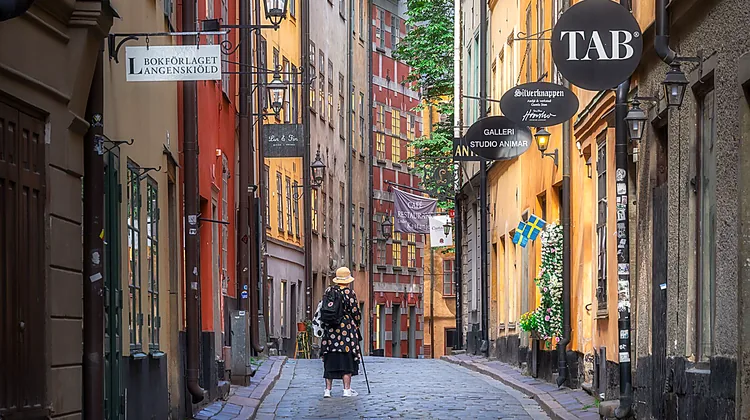
A slow cafe stop counts as one thing.
Three tops and two bottoms already give you six different outfits, and one light layer stretches that further across a week. Rotate which piece gets washed each night so you are never stuck waiting on laundry. Wash the tee on Monday, the socks on Tuesday, and the overshirt on Wednesday, and by the weekend everything is clean again without a single trip to a laundrette.
Your Quick Daily Check Before You Leave the Room
Before you step out the door, run a short check. It takes two minutes, and it saves a lot of small annoyances later in the day.
- You have three things written down, and at least one of them is a slow thing.
- Your water bottle is full, because you will drink more than you expect to.
- Your phone is charged and you have saved an offline map of the area.
- You have one extra layer tucked in your bag for the evening.
- You have a snack with you in case the next proper meal is still hours away.
- You know roughly when you want to be back, and you have set a soft end time.
That last point matters more than it sounds. Pick a soft end time, maybe five in the afternoon, so you are not sprinting across the city at seven o'clock trying to squeeze one more thing in. Then enjoy any bonus hours without guilt, because they are extra rather than overdue.
What to Do When a Plan Falls Through
Sometimes the big thing is closed, the queue is two hours long, or the rain simply does not stop. When that happens, do not try to replace it with three new stops. Move the slow thing forward instead.
Find the nearest cafe, sit down, and give yourself twenty minutes with a drink and a map. Half the time the day fixes itself from that chair, and you spot something on the next street that becomes the new big thing. The other half of the time the slow thing becomes the whole afternoon, which is a perfectly good outcome.
Do this for a week in Montreal or Florence and you will notice something. You finish each day with energy left instead of running on fumes, and the trip starts to feel like a holiday rather than a list of things you survived.
Three things is not a small day. It is a day with room in it, and room is exactly what a solo trip needs.
Frequently asked questions
✓ Kristina Mate
Founder & Lead Travel Editor · TravelStyleMate
Kristina is the founder and lead editor of TravelStyleMate. Over the past 8 years, she has explored 35+ countries across Europe, Asia, and the Americas—traveling almost exclusively with a single 40L carry-on bag. A dedicated solo traveler, she specializes in cobblestone-tested footwear, minimalist capsule packing formulas, and realistic transit logistics. Every packing rule, walking shoe, and itinerary on TravelStyleMate is personally tested on actual trips with real luggage constraints.
Testing Guarantee: Every packing rule, walking shoe, and transit route is personally tested with real luggage constraints. No paid rankings, no untouched gear, no AI fluff.
Related guides
How to Beat the Scared Feeling You Get the Day Before a Solo Trip
A day-before scare is normal. Plan your first hour, pack one comfy outfit, keep your bag light, and calm your nerves with a simple checklist.
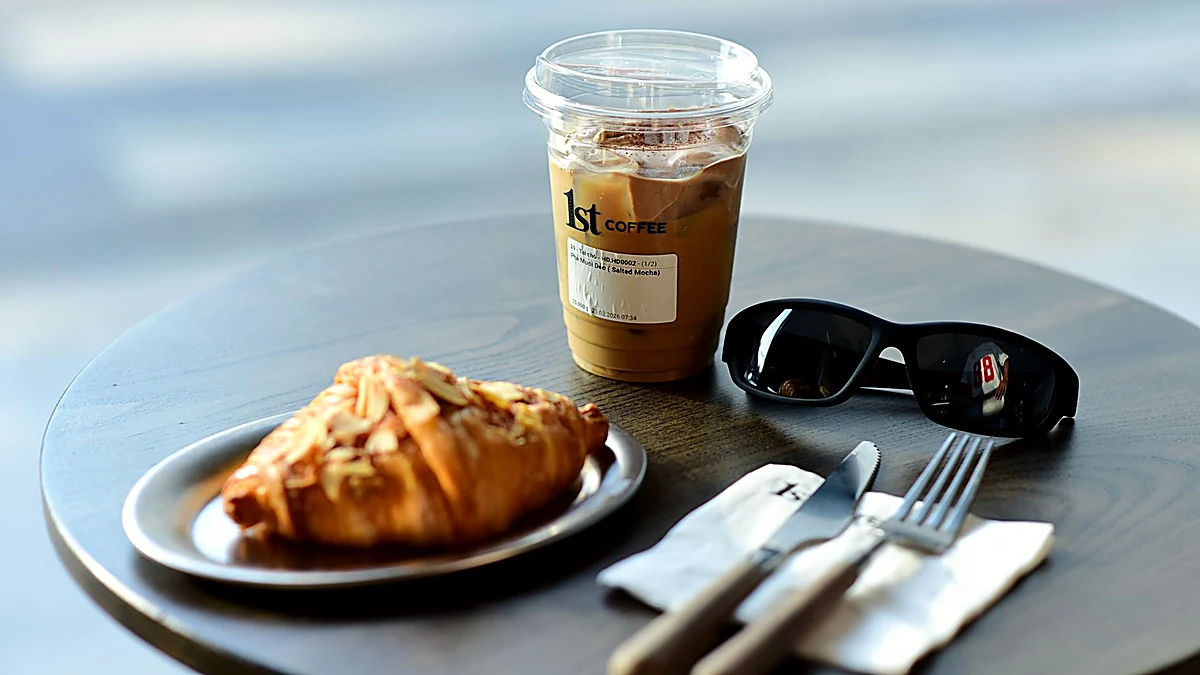
The Joy of Sitting Outside at a Cafe and Watching the City Go By
Learn how to choose a good outdoor cafe seat, dress for slow sitting, order without rushing, and keep your travel clothes fresh on a long solo trip.
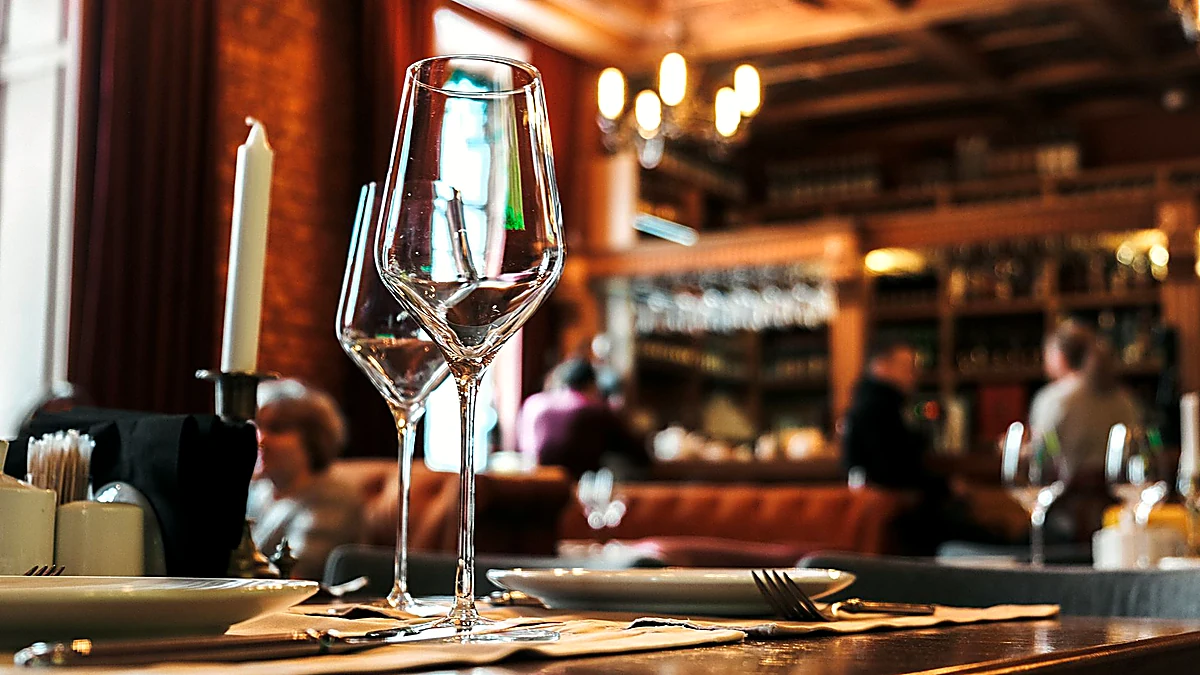
How to Sit at a Wine Bar Alone and Order a Glass with Zero Stress
Walking into a wine bar alone can feel scary. Here is a calm, simple guide to ordering one glass, what to wear, and keeping your clothes fresh.