How to Layer Your Clothes for Cold Airplanes and Hot Airports
Learn the simple three-layer rule for flights: thin base, warm middle, packable outer. Stay comfortable from a hot terminal to a cold cabin.
 ✓
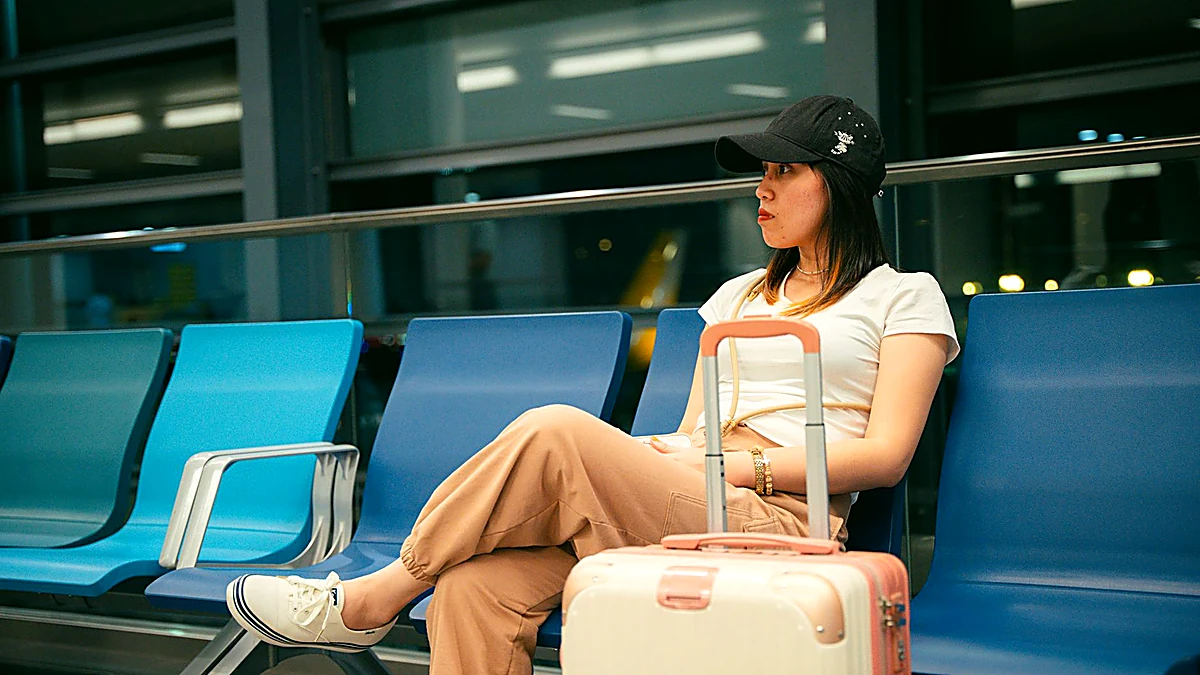
Almost every traveler has made the same mistake: you dress for the weather outside your front door, walk into a warm airport terminal wearing a heavy coat, and then sit for six hours on the plane under a cold air vent with no way to fix either problem. Comfort on a travel day does not come from packing more clothes. It comes from wearing three thin pieces in the right order, so you can change how warm you feel in about five seconds.
Why One Big Coat Never Works
Most of us plan our travel outfit around the place we are leaving. If it is cold at home, we put on the thickest jacket we own. If it is warm at home, we wear a t-shirt and hope for the best. What we forget is that a travel day is really three different climates in one afternoon: the terminal, the plane, and the place where we land.
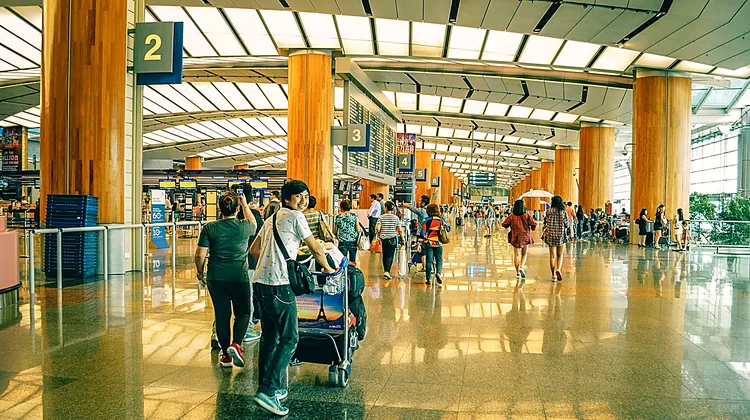
Airport terminals are usually warm, and not always on purpose. Crowds of people, big windows, moving walkways, and long queues through security all add heat. By the time you reach the gate you may be carrying your coat over one arm, sweating through your shirt, and wishing you had worn something lighter. Then the plane takes off, the cabin cools down, and you spend the rest of the flight wishing you had that coat back.
One thick layer gives you no choices at all. You are either fully dressed for winter or fully dressed for summer, with nothing in between. Layers give you choices, and choices are exactly what a long travel day requires.
Think about how the temperature changes over a single flight. Boarding is often warm because everyone is moving and lifting bags into the overhead bins. Cruising altitude is cool, and the air vents above your seat blow steadily for hours. When you land somewhere hot, the walk from the plane door through the jet bridge can feel like stepping into an oven. Each of those moments asks for a different amount of clothing, and you cannot solve them all with one coat.
There is also the practical side of packing. A heavy coat is bulky, awkward to fold, and hard to store. If you take it off, you have to carry it in your arms or hold it on your lap for the whole flight. Thin layers, on the other hand, roll up small, sit comfortably on your body, and slip into a bag without a fight.
The coat itself is rarely the problem. The problem is planning for only one temperature when your day will hand you at least three. The plain goal is simple: choose three thin pieces instead of one thick one. That way you can change your comfort level in about five seconds without opening your suitcase or asking a stranger to move so you can reach the overhead bin.
The Three-Layer Rule That Works Everywhere
If you remember nothing else from this article, remember this order: base layer first, middle layer second, outer layer last. Each piece has a job, and each one is easy to take off or put back on.
The base layer sits against your skin
The base layer is the piece that touches your body, and it does the quiet work of keeping you dry. A thin cotton tee works well for most trips, and a light merino wool tee works even better if you tend to sweat or if you plan to wear the same piece several days in a row. If you often feel cold, choose a light long-sleeve instead of a short-sleeve. This layer almost never comes off, no matter how warm the terminal gets, because it is the piece you want to keep close to your skin.
The middle layer does the real warming
The middle layer is the one that keeps you comfortable at cruising altitude. A thin sweater, a light fleece, or a soft hoodie all work well. Choose something you genuinely enjoy wearing, because you will spend hours in it, and choose something soft enough to double as a pillow if you manage to sleep. This is the layer that lives rolled up at the top of your bag or tucked into the seat pocket in front of you, ready to go on the moment the cabin cools down.
The outer layer handles wind and light rain
The outer layer is your shield. A packable jacket or a simple vest blocks wind, shrugs off a light shower, and keeps you warm on the short walk from the taxi to the terminal door. You wear this piece on your body while you travel, because it is usually the bulkiest item you own. The moment the terminal feels warm, it comes off and goes into a small stuff sack in your bag.
The three spots people forget
Once the main three layers are sorted, turn your attention to the small places where cold air gets in. The neck, the feet, and the hands matter more than most travelers expect. A thin scarf around your neck makes a cold cabin feel much warmer, and it doubles as a nice accessory when you land. One pair of thick socks in your bag turns a long flight into a cozy one, especially if you like to slip your shoes off in your seat. A light beanie is small enough to forget about until the exact moment you need it.
These three small pieces take up almost no room, and together they often make a bigger difference than an extra sweater would.
Why three thin layers beat one thick one
Thin layers work because of the air between them. Each gap traps a little warmth from your body and holds it close, which is why a tee, a thin sweater, and a light vest can feel warmer than a single heavy jacket. You also get to control how much of that warmth you keep. When you are warm, you remove a layer and let the extra heat escape. When you are cold, you add one back. A thick coat only offers one setting, and that setting is rarely right for a full travel day.
The order of operations on travel day
Here is how the whole system works in practice. You wear the bulky outer layer on your body, so you are not carrying it around. You keep the middle layer rolled at the top of your bag or in the seat pocket, so you can reach it without standing up. You leave the base layer on under everything else.
If the terminal is hot, the coat comes off. If the cabin turns cold, the sweater goes on. If you land somewhere warm and sunny, the coat goes back into the bag and the sweater comes off once you are through passport control. Nothing gets unpacked, and nothing gets lost.
The trick is not fewer clothes. It is thinner clothes, worn in the right order, so you always have a choice.
Real Outfits for Real Trips
Layering sounds simple in theory, so let us look at how it works on a few very different trips. Adjust these ideas to suit your own plans, your own style, and the weather you expect at both ends of the flight.
Leaving a cold city for a warm one
Imagine flying out of snowy Munich in January and landing in Marrakech, where the afternoon sun is warm enough for a light shirt. On travel day, you wear your insulated coat and a thin merino tee. The light sweater travels in your bag, rolled and ready. You keep the coat on until you reach the gate, take it off for boarding if the terminal is warm, and put it back on once the cabin gets cool. The moment you step outside in Marrakech, the coat goes into your bag and stays there for the rest of the trip.
A work trip to a cool city
For a business trip to Copenhagen, comfort and looking put-together both matter. Start with a soft knit sweater over a plain base layer. Add dark trousers with a little stretch, because you will sit in them for hours. Finish with a packable blazer that doubles as your outer layer on the plane and looks smart enough for a meeting the next morning. If rain is in the forecast, a very light water-resistant jacket fits over the blazer without ruining the shape of your outfit.
A rainy week somewhere green
For a rainy week in Edinburgh, the outer layer earns its place. Wear a thin tee as your base, add a light wool sweater for warmth, and finish with a water-resistant shell that rolls into its own pocket. That shell keeps you dry on the walk from the bus stop to your guesthouse, and it takes up almost no space when the sun finally comes out.
Shoes and warm feet
For shoes, wear your most comfortable pair on the plane and pack one pair of warm socks for the cold cabin hours. Comfortable shoes matter far more than stylish ones on a travel day, because you will stand in queues, walk long hallways, and possibly run for a connection. If your feet tend to swell during flights, choose shoes with a little extra room and loosen the laces once you are seated.
When you land somewhere hot and humid
If you are heading somewhere humid like Tokyo in summer, keep the same three-layer idea but choose lighter pieces. Lean on linen and loose cotton instead of heavy knits, and swap the fleece for a thin long-sleeve shirt that blocks sun and airplane air conditioning without trapping heat. The system stays the same. Only the fabrics change.
Here is a quick table to compare the setups side by side:
| Trip | Base layer | Middle layer | Outer layer | Shoes |
|---|---|---|---|---|
| Munich to Marrakech | Thin merino tee | Light sweater in your bag | Insulated coat, worn on the plane | Comfortable walking shoes |
| Copenhagen work trip | Plain base layer | Soft knit sweater | Packable blazer | Dark, tidy sneakers |
| Edinburgh in the rain | Thin cotton tee | Light wool sweater | Water-resistant shell | Waterproof shoes |
| Tokyo in summer | Linen shirt | Thin long-sleeve shirt | Light vest for the plane | Breathable trainers |
Keeping Your Layers Fresh on the Road
Thin layers only work if they stay clean and fresh, and that is easier than it sounds. Merino wool is the friendliest travel fabric for this job because it resists smells and dries quickly. A merino tee or sweater can be worn several times between washes, which means you can travel for a week with fewer pieces and still feel clean.
After a long flight, hang your sweater near an open window or over the back of a chair overnight. Fresh air does most of the work. If your sweater has a few small wrinkles, hang it in the bathroom while you take a hot shower and let the steam smooth things out. This gentle trick works well on wool and cotton, and it costs nothing.
For a tee or a thin shirt, wash it in the sink with a drop of gentle soap. Press the water out in a dry towel instead of twisting it, then hang it to dry before morning. A thin cotton shirt will usually be dry within a few hours, and merino wool dries even faster. A small stain wipe in your bag handles coffee spills, gate snacks, and the occasional drip of airplane juice.
If you are staying somewhere with a radiator or a warm bathroom, drape your damp shirt there overnight and it will be ready by breakfast. Just keep wool away from direct high heat, because hot radiators can shrink it. A little patience and a good air flow are all you need.
One more habit makes a real difference on the way home. Keep one clean base layer and one pair of socks sealed in a plastic bag at the bottom of your luggage. After a full week of travel, when everything else feels tired and worn, you still have one fresh set waiting for the flight back. It is a small thing, but it makes the last travel day feel much better.
Your Quick Layering Checklist
Before you zip the bag, run through this short list. It takes about a minute, and it saves a lot of discomfort later.
- Pack one thin base layer that sits comfortably against your skin.
- Pack one middle layer for warmth, such as a thin sweater or a light fleece.
- Pack one outer layer that folds small and blocks wind and light rain.
- Add one thin scarf for your neck and one light beanie for your head.
- Add one pair of thick socks for the cold hours in the air.
- Bring one small stuff sack for the pieces you shed along the way.
- Wear your heaviest item onto the plane so you do not have to carry it.
- Keep your middle layer within reach in your seat or at the top of your bag.
That is the whole system. Three thin pieces, worn in the right order, keep you comfortable in a hot terminal and a cold cabin without packing more than you need. Once you try it on one trip, you will probably pack this way every time you fly.
Frequently asked questions
✓ Kristina Mate
Founder & Lead Travel Editor · TravelStyleMate
Kristina is the founder and lead editor of TravelStyleMate. Over the past 8 years, she has explored 35+ countries across Europe, Asia, and the Americas—traveling almost exclusively with a single 40L carry-on bag. A dedicated solo traveler, she specializes in cobblestone-tested footwear, minimalist capsule packing formulas, and realistic transit logistics. Every packing rule, walking shoe, and itinerary on TravelStyleMate is personally tested on actual trips with real luggage constraints.
Testing Guarantee: Every packing rule, walking shoe, and transit route is personally tested with real luggage constraints. No paid rankings, no untouched gear, no AI fluff.
Related guides

How to Stop Dry Skin on Long Flights with 3 Simple Steps
Learn a simple three-step plan to keep your skin soft on long flights, using a tiny pouch, smart drinks, and cozy layers you can pack in minutes.
What to Wear Through Airport Security to Get Through Lines Fast
Choose slip-on shoes, soft layers, and pocket-free outfits so you sail through airport security and spend your time on the trip, not the line.

How to Pack Your Under-Seat Bag So You Can Find Everything Fast
Pack one small under-seat bag in three simple zones so your hand finds your charger, snacks, and passport in seconds, without standing up mid-flight.