Are Rope Sole Espadrilles Good for Walking in Big Cities?
Rope sole espadrilles are light, cool and easy to pack, but they have real limits on city pavement. Here is how to wear them well and when to switch shoes.
 ✓
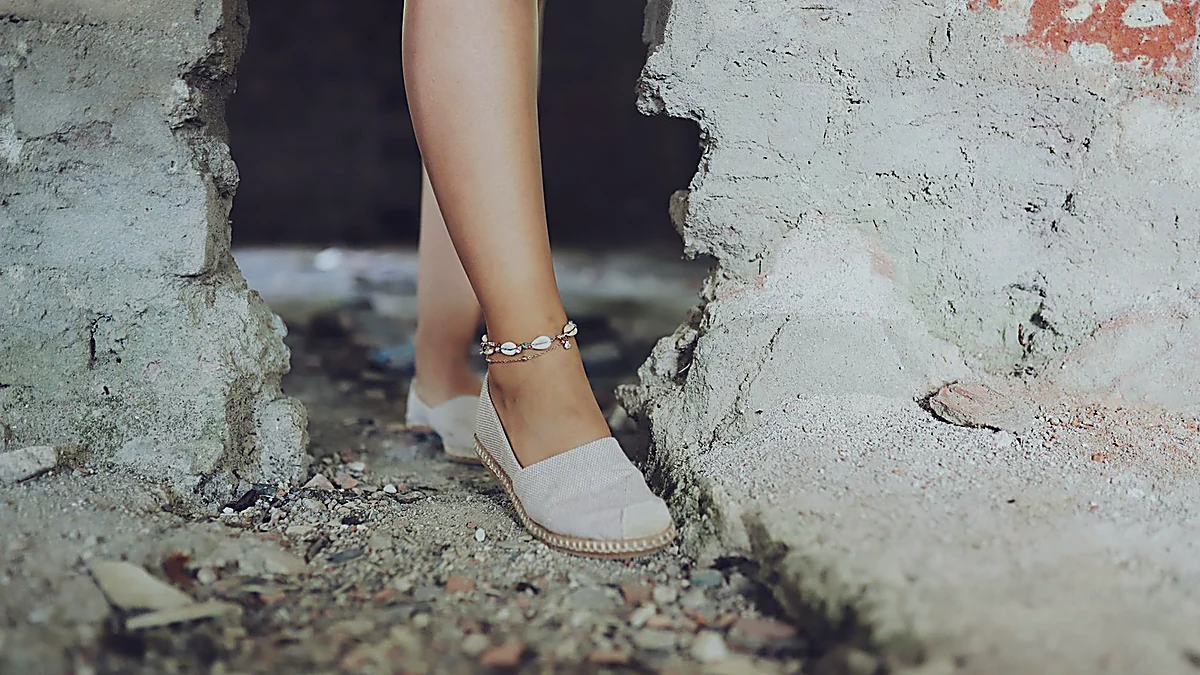
You have seen rope sole espadrilles in shop windows on warm city trips, and they look like the easiest shoes in the world to slip on and walk out the door. The honest truth is that they are wonderful for some city days and a poor choice for others, and knowing the difference saves your feet.
A rope sole espadrille is a simple piece of footwear. Someone shapes and stitches jute rope into a flat sole, then sews a cotton or canvas upper on top. That is the whole design, and it has stayed popular for a very long time because it is light, cool, and simple to make well. There is no foam layer, no stiff plastic support, and no arch cushion hiding inside.
That plain build is exactly why so many travelers love packing a pair. It is also why so many travelers end up with sore feet by four in the afternoon after a big walking day. This guide is about finding the middle ground, so you can enjoy your espadrilles on the days they suit and keep a more supportive shoe for the days they do not.
What Rope Sole Espadrilles Are Actually Good At
Before you decide whether to pack them, it helps to name the real strengths instead of guessing. Rope sole espadrilles do a few things very well, and those things matter a lot on a warm-weather city trip.
They are light and they pack almost flat
A single espadrille often weighs less than a paperback book. When you are trying to travel with one carry-on bag, that matters more than you might expect. You can slide them into a corner, tuck them beside a folded jacket, and forget they are there until you need them. Nothing about them takes up a hard, rigid space the way a hiking shoe does.
They let air move around your feet
Cotton and canvas uppers breathe. On a muggy afternoon, your feet stay cooler in espadrilles than in almost any leather or synthetic shoe. If you are walking through a market in Kyoto in July or sitting outside with a coffee in Florence in May, that cooling effect is the whole point of the shoe.
The rope sole is soft and flexible
Jute rope bends with your foot as you walk. The sole feels gentle and springy on flat, smooth ground, and your foot moves in a natural way instead of being held stiff. On a short walk along a river path or a slow loop through a museum garden, that flexibility feels genuinely lovely.
They slip on fast
There are no laces and no buckles. When you want to run downstairs for a coffee, step out onto a balcony, or walk two blocks to dinner, espadrilles are ready in a second. That small convenience adds up over a trip, especially when you are changing shoes several times a day.
They look relaxed with almost everything
Espadrilles sit comfortably between a sandal and a sneaker. They work with linen, with cotton, with denim, and with a simple summer dress. On a warm evening, they look far more relaxed than a running shoe and far more comfortable than a stiff leather loafer.
Treat rope sole espadrilles as a wonderful second pair for gentle city days, not as the only pair you bring for a week of long sightseeing walks.
So the strengths are real. They are cool, they are light, they pack small, and they look easy. The trouble starts when you ask them to do a job they were never built for.
The Honest Limits: Where They Stop Working
This is the part that shop windows never mention. If you plan around these limits, you can wear espadrilles for a whole trip without any pain. If you ignore them, one long day on hard pavement will tell you everything you need to know.
There is very little cushioning and no arch support
A jute rope sole is thin and flat. After three or four hours of walking on hard city pavement, your heels and the balls of your feet start to complain. If you have high arches, flat feet, or any ongoing foot issue, this shows up much faster. A thin sole simply passes every bump on the sidewalk straight up into your foot.
Water is the big problem
Jute soaks up water like a sponge. In light rain or after a passing shower, the sole turns soft, gritty, and heavy. Once it dries, the rope can crack, split, or hold a smell that is hard to remove. There is no clever trick that saves a wet jute sole, and no spray fixes a sole made of rope. On a rainy day, espadrilles stay in the hotel room.
Rough ground twists a thin, flat sole
Older city centers often have uneven cobblestones, broken brick sidewalks, and raised stone edges. A thin flat sole follows every one of those bumps, and by dinner your ankles and knees feel the work. Long stretches of hard, hot asphalt are hard on the rope too, wearing it down much faster than a soft park path would.
They wear out faster than you expect
Rope soles are not built for thousands of miles. A pair that feels fine on a beach holiday may look tired after a week of daily city walking, especially if you wear them on concrete and asphalt. Think of them as a light, seasonal shoe rather than a long-term workhorse you rely on for months.
Do a simple test before you commit to a long day
Here is a small habit that has saved a lot of sore feet. On your first morning in a new city, put on your espadrilles and walk about twenty minutes on the pavement near your hotel. Turn around and come back. Notice how your heels feel, whether the sole feels hard, and whether anything rubs against your skin. If your feet feel fine, you can plan a gentle espadrille day. If they already feel tired after twenty minutes, you have your answer, and you have lost almost nothing.
How to Wear Them in a Big City Without Regret
Espadrilles look best when the rest of your outfit stays simple, light, and relaxed. That also happens to be the most comfortable way to dress for a warm day on buses, trains, and long museum floors.
Keep the upper simple
A loose linen shirt, cropped cotton trousers, or a midi skirt all look natural next to a rope sole. A light tote bag finishes the picture and keeps your hands free on transit. Stick to light colors in strong sun, because a dark canvas upper soaks up heat and makes your feet warmer than they need to be.
| Where you are going | Top | Bottom | Bag and extras |
|---|---|---|---|
| Slow brunch and a market | Loose linen shirt | Cropped cotton trousers | Small tote, thin no-show socks |
| Museum morning | Soft cotton T-shirt and light overshirt | Midi skirt | Crossbody bag, cushioned insole |
| River walk or garden | Breathable tank or short-sleeve top | Light chinos rolled at the ankle | Canvas tote, water bottle, blister plasters |
| Evening dinner | Linen button-up | Wide cotton trousers | Small shoulder bag |
Socks and insoles change everything
If the canvas rubs your skin, thin no-show socks solve it quietly and nobody sees them. If the flat sole feels hard under your heel, a thin cushioned insole adds a little softness and a little support without changing how the shoe looks. Both take almost no space in your bag, and both make a real difference on a long afternoon.
Plan short, dry days for espadrilles
Save them for the outings that suit them. A morning at the botanical garden in Copenhagen, a slow brunch in Montreal, an easy walk along the river in Munich — these are espadrille days. They are light on miles, mostly flat, and often end with a chair and a cold drink.
Carry a supportive pair for later
On days that start gently and turn into a long walk, carry a lightweight pair of supportive sneakers in your bag. Swap them on after lunch when your feet have had enough, or when the sky starts to look grey. Traveling with two pairs of shoes that do different jobs is one of the simplest upgrades you can make to any trip.
And when rain is in the forecast, leave the espadrilles at the hotel and wear leather shoes or trainers instead. That is not a compromise. It is simply choosing the right tool for the day.
Keeping Them and Your Feet Fresh on a Long Trip
A little care on the road keeps espadrilles looking good and keeps your feet in shape for the whole trip. None of this takes long, and most of it costs nothing at all.
Cleaning the canvas at the end of a day
Never put rope sole espadrilles in a washing machine. The rope will soak, twist, and come apart. Instead, wipe the canvas with a damp cloth and a little mild soap, working gently around any marks. Then let them air dry somewhere with moving air, away from direct sun and far from radiators, because strong heat makes jute brittle and causes cracks.
Packing them so they keep their shape
Before you put them in your bag, stuff the toes with rolled socks or crumpled paper. This holds the shape of the upper and stops the shoes from being crushed by everything else in your carry-on. Because they are soft and flat, they slide into narrow gaps that sturdier shoes cannot use.
Handling smells after a sweaty day
Sprinkle a little baking soda inside each shoe and leave it there overnight. In the morning, tip it out and shake the shoes. It is a small, cheap habit that keeps things fresh, especially when you are wearing the same pair several days in a row on a warm trip.

Looking after your feet
At the end of a walking day, rinse your feet and dry them properly, especially between the toes. Use a light moisturiser on any spots that feel hot or rubbed. Rotate your shoes from day to day so each pair gets a full chance to dry out. Keep a small tin of blister plasters in your bag, because it takes up almost no room and can rescue an entire afternoon.
A note on the weather forecast
Check the forecast before you leave and again each evening. One rainy day in a week is easy to plan around, and you can simply move your espadrille day. Three rainy days in a row means trainers should be your main pair, with the espadrilles waiting in the bag for a clear afternoon.
Quick Checklist Before You Pack Them
Run through this short list the night before you leave. It takes two minutes, and it prevents most of the foot trouble travelers run into on city trips.
- Check the weather forecast for your whole trip, not just the first day.
- If rain is likely on more than one day, pack trainers as your main walking shoe.
- Bring a second, more supportive pair for long walking days.
- Add thin no-show socks in case the canvas rubs.
- Add a thin cushioned insole if the flat rope sole feels hard.
- Pack a small tin of blister plasters.
- Pack a small soft cloth and a little mild soap for spot cleaning.
- Plan your heaviest walking days around the supportive shoes.
- Save the espadrilles for relaxed, dry, shorter outings.
Two pairs of shoes that do different jobs will always beat one pair that is asked to do everything.
If you follow that simple split, rope sole espadrilles are a lovely, light addition to a warm-weather city trip. They keep your feet cool on slow mornings, they slip on in a second, and they take up almost no space in your bag. They just should not be the pair you build your whole itinerary around.
The best travel shoe is not the one that looks perfect in a photograph. It is the one that still feels comfortable when you are walking back to your hotel at the end of a long, good day.
Frequently asked questions
✓ Kristina Mate
Founder & Lead Travel Editor · TravelStyleMate
Kristina is the founder and lead editor of TravelStyleMate. Over the past 8 years, she has explored 35+ countries across Europe, Asia, and the Americas—traveling almost exclusively with a single 40L carry-on bag. A dedicated solo traveler, she specializes in cobblestone-tested footwear, minimalist capsule packing formulas, and realistic transit logistics. Every packing rule, walking shoe, and itinerary on TravelStyleMate is personally tested on actual trips with real luggage constraints.
Testing Guarantee: Every packing rule, walking shoe, and transit route is personally tested with real luggage constraints. No paid rankings, no untouched gear, no AI fluff.
Related guides
The Best Fall Ankle Boots for Walking Around Museums and Cafes
Find fall ankle boots that feel good through long museum halls, cafe afternoons, and wet cobblestones, plus simple outfits and a packing checklist.
How to Wear White Sneakers with Summer Dresses on Vacation
Pair white sneakers with your summer dresses for comfy, photo-ready vacation outfits. Learn how to pick, pack, and keep them clean on the road.
Simple Shoe Bags: How to Pack Dirty Shoes Away from Clean Clothes
Learn how a simple shoe bag keeps grit, sand, and smells off your clean clothes. Easy step-by-step packing tips for a calmer, tidier suitcase every trip.