The Best Fall Ankle Boots for Walking Around Museums and Cafes
Find fall ankle boots that feel good through long museum halls, cafe afternoons, and wet cobblestones, plus simple outfits and a packing checklist.
 ✓
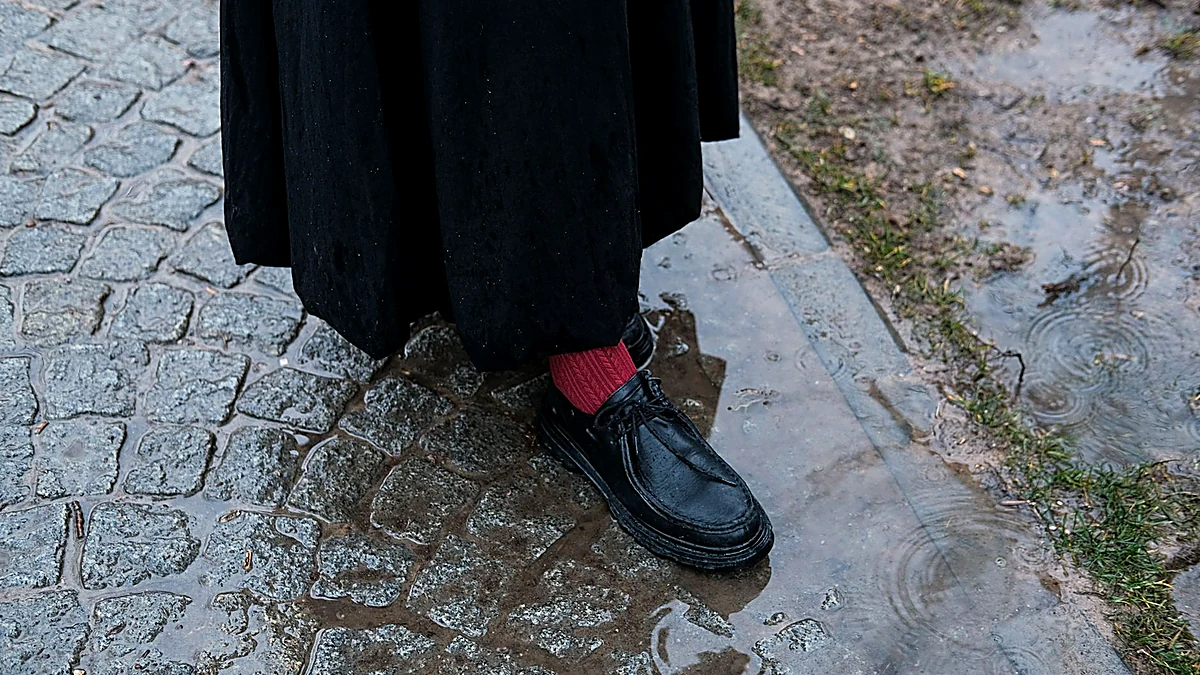
The night before a city trip, most of us stand in front of an open suitcase and wonder the same thing. Will these boots really carry me through a long day of museum halls, cafe tables, train platforms, and wet sidewalks? The honest answer is that they will, as long as you choose a pair that fits the way you actually walk, and as long as you test them at home before you leave. This guide walks you through the simple choices that make fall ankle boots feel easy on your feet from morning coffee to the last gallery of the day.
What Makes Fall Ankle Boots Comfortable for City Days?
On a city vacation, your feet meet four very different surfaces in a single day. Museum floors are hard and you stand on them for hours, often with only a short bench break here and there. Cafe floors are smooth and sometimes a little slippery near the door. Cobblestones in an old town are uneven, and they ask your ankles to do extra work with every step. Train platforms and airport corridors are flat but endless, and light fall rain turns stone steps slick in seconds. Good boots handle all of these without you having to think about them.
Comfort on a long walking day rarely comes from one big feature. It comes from a small group of things that work together: cushioning under your foot, a sole that bends where your foot bends, a heel that is low and steady, and enough room at the front for your toes to spread out. When one of these is missing, you feel it clearly by the afternoon.
Start with the footbed and the sole
Press your thumb into the inside of the boot. A good cushioned footbed has a little give, like a firm mattress, and it should not feel like a brick or like a wet sponge. Then bend the boot in your hands. The sole should flex right around the ball of the foot, which is where your foot naturally bends when you take a step. A very stiff sole makes every step feel like a small fight, and your legs will pay for it by the end of the day.
The heel matters just as much. A low block heel, roughly one to two inches, gives you a steady stance on stairs and cobblestones without changing how your weight rests on your foot. Thin heels look lovely in photos and then ruin an afternoon in a museum. Look for a heel that is wide at the bottom and firmly attached, with no wobble when you push it from side to side.
Do not forget arch support and toe room
Arch support is the quiet hero of a walking boot. If you have high arches, look for a shaped footbed that lifts the middle of your foot and takes some pressure off the heel. If your arches are flatter, you may prefer a flatter footbed and a removable insole so you can swap in something that supports you better. Either way, make sure the insole can come out, because that gives you options later on the trip.
Toe room is where many good-looking boots fail. Your toes need to wiggle freely, and your longest toe should sit about a thumb's width from the front of the boot. When your feet get warm in the afternoon they spread a little, and a tight toe box turns a pleasant day into a slow one. If your toes press against the front while you are standing still in the shop, they will hurt once you start walking for three hours.
Check the bottom before you buy
Turn the boot over and look closely at the tread. You want a rubber sole with a real pattern, not a smooth bottom with a decorative line on it. Fall brings wet leaves on sidewalks, damp marble in museum entryways, and smooth stone steps that turn slick in the rain. A sole with shallow grooves and a softer rubber blend grips much better than a hard, shiny one.
A boot that feels fine in the shop can still fail you on wet stone three days into a trip. Traction is not a small detail, because it is the thing that keeps you walking.
Once you have the right sole, keep the whole boot light. Weight is the quiet enemy of a long walking day. A heavy boot pulls at your legs with every step, and by late afternoon your feet feel twice as tired as they should. Leather and waterproof suede usually handle fall weather better than thin fabric panels, and they also hold their shape when they get damp.
Try them on the way you will wear them
Bring the socks you plan to travel with, because a thick wool sock changes the fit more than most people expect. Walk around the shop for a few minutes on a hard floor, and on carpet too if you can find some. Pay attention to two places in particular: the back of your heel and the front of your toes. Any pinch at the heel or rub at the toes will not fade with time, and it will only get worse.
If the shop has a small ramp or an uneven surface, use it. Walking on a slope shows you quickly whether the boot holds your heel in place or lets your foot slide forward. You want a boot that keeps your foot steady without squeezing it, especially around the ankle.
How to Choose the Right Pair Before You Pack
Buying the boots is only half the job. The other half is making sure they are ready for a real travel day before you trust them with your whole trip. A little patience at home saves a lot of pain in a city you have never visited, and it costs you nothing but time.
The three-step home test
Start small. Wear the boots around the house for twenty minutes while you make dinner or sort laundry, and notice anything that rubs or pinches. If nothing bothers you, wear them for one hour on a normal errand outside. When that feels fine, wear them for a half day somewhere with a mix of walking and standing, like a market or a shopping street.
Do this at least a week before you leave, so you still have time to add an insole, change the laces, or decide the boots are not right for you. Breaking in stiff leather on the first big day of a trip is one of the most common packing mistakes, and it is also one of the easiest to prevent.
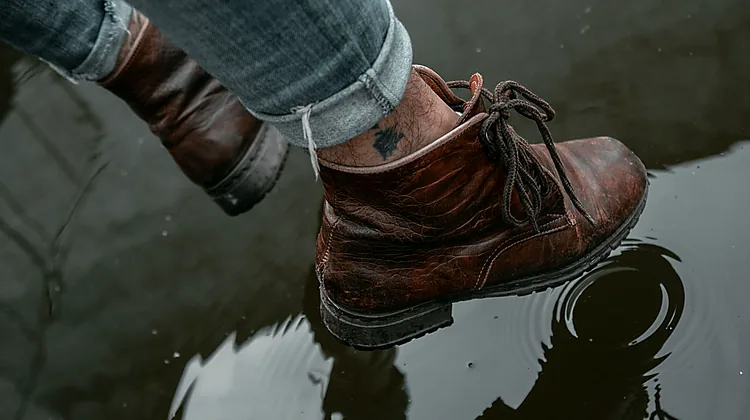
Cushioned boots ready for long museum walks.
Small changes that fix a lot
A thin insole can turn a decent boot into a comfortable one. Insoles cost very little, they slip in and out in seconds, and they add cushioning right where your heel and the ball of your foot land. If your boots came with a removable insole, take it out first and compare how the boot feels with each option before you decide.
The way you close the boot matters too. Laces let you loosen the top on days when your feet swell a little, which is completely normal after hours of walking. A side zipper is faster to use, but check that the boot still hugs your ankle without pinching when it is zipped up. A good compromise is a boot with both: a zipper for speed and laces for a fine-tuned fit.
If rain is likely where you are going, such as Munich, Edinburgh, or Copenhagen in the fall, spray your boots with a weather protector before you leave. Two light coats work better than one heavy coat, and you should let the boots dry fully between coats. Repeat the spray later in the trip when water stops beading on the surface.
Pack one pair and wear it
Travel with a single pair of ankle boots and wear them on every travel day. Planes, trains, and long airport walks are all good chances to keep breaking them in, and boots that stay on your feet never take up room in your suitcase. One well-chosen pair also makes your outfits simpler, because every bottom you pack has to work with them.
Along with the boots, bring two pairs of socks that fit well with them, a few blister patches, and a small shoehorn. The socks let you rotate if one pair gets damp, the patches fix a hot spot before it becomes a sore, and the shoehorn saves your back and keeps the heel from crushing when you slide your foot in.
Simple Outfits for Museums, Cafes, and Cool Streets
Fall city travel is really a layering game. Mornings are cool, museum halls are warm, cafe terraces are breezy, and afternoons can surprise you with bright sun. The trick is to build outfits from pieces that work together in any order, so you can add or remove one layer and still look put together.
A rainy morning in Edinburgh
For a wet, chilly morning, pair your ankle boots with straight-leg jeans and a soft sweater that is warm enough to feel cozy but light enough to carry. Add a light rain jacket with a hood, and choose trousers that end just at the top of the boot so rain does not wick up the fabric. Wool socks keep your feet warm even if a little water sneaks in at the ankle.
A sunny afternoon in Florence
Warmer afternoons call for a midi skirt, opaque tights, and a thin merino layer under a jacket you can take off when you sit down. A wide scarf is your best friend on a cafe terrace, because it works as a wrap when the shade turns cold and as a soft cushion on a hard stone bench. If the day gets warm, swap the sweater for a cotton tee and tie the jacket around your waist.
Copenhagen streets in early fall
Copenhagen weather changes quickly, so cropped trousers, a cozy cardigan, and wool socks with your boots are a smart base. The cropped length keeps your hem out of puddles, and it also lets the boots show a little. Add a simple crossbody bag so your hands stay free for coffee, museum tickets, and a map on your phone.
Keep your colors simple and repeatable. Black, brown, navy, and cream mix with almost anything, and one accent scarf gives the whole trip a little life. When every piece works with every other piece, you can pack fewer clothes and still feel like you planned each outfit on purpose.
Three easy outfit recipes
| Kind of day | What to wear | Why it works |
|---|---|---|
| Cool and rainy | Straight-leg jeans, soft sweater, light rain jacket, wool socks | Warm and dry, and easy to adjust when you step inside a museum. |
| Mild and sunny | Midi skirt, opaque tights, thin merino top, wide scarf | Comfortable for standing and sitting, and the scarf warms a cafe terrace. |
| Chilly and breezy | Cropped trousers, cardigan, long-sleeve tee, ankle boots | Layers come off easily once you are inside a warm gallery. |
A packable tote finishes the look and holds the small things that make a day easier: a guidebook, a water bottle, a folding umbrella, and a thin pair of gloves. Choose a bag with a wide strap so the weight spreads across your shoulder instead of digging into it. When you sit down for coffee, everything you need is right there beside you.
Keep Your Boots and Clothes Fresh on the Road
Small habits each evening keep your boots comfortable and your clothes wearable for the whole trip. None of this takes more than a few minutes, and it saves you from the damp, tired feeling that creeps in around day four.
Give your boots a few quiet minutes
Wipe your boots with a soft cloth when you get back to your room, and pay attention to the seam where the upper meets the sole. Let them air out away from radiators and direct sun, because heat dries leather too fast and can make it crack over time. If they feel damp inside, stuff them loosely with newspaper or a dry cloth and let them sit overnight.
For smells, a travel-size odor spray works well, and plain baking soda works just as well if you sprinkle a little inside and shake it out in the morning. A small brush or microfiber cloth handles scuffs and dust while you travel. Store your boots in a light cloth bag so the soles do not mark your clean clothes in the suitcase.
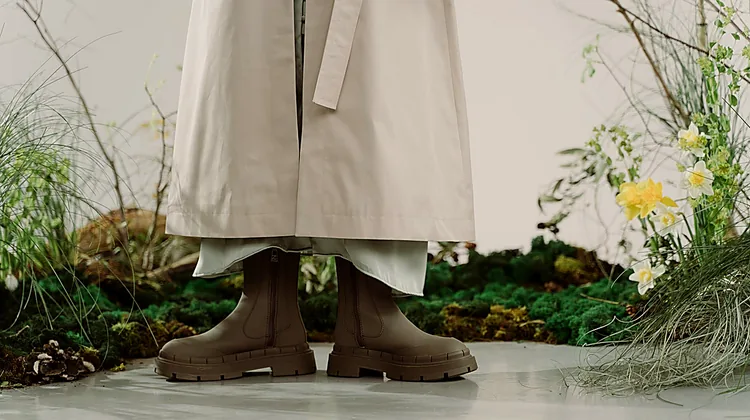
Comfortable boots for cafe streets and travel.
Rotate and wash the small things
Bring two pairs of socks and rotate them, so one pair can dry while you wear the other. Socks that are still damp from yesterday are a fast route to cold feet and blisters. If you can, choose thin wool or a wool blend, because wool resists smells and stays warm even when it gets a little wet.
Quick-dry underwear, socks, and tees are easy to wash in the sink with a drop of gentle soap. Roll them in a clean towel to press out the extra water, then hang them overnight on a travel line or over the back of a chair. In most hotel rooms they will be dry by morning, which means you can pack fewer of them and leave more room for the things you want to bring home.
Deal with wrinkles and scuffs
For wrinkled shirts, hang them in the bathroom while you take a hot shower and let the steam do the work. A tiny bottle of wrinkle-release spray handles the stubborn ones, and it also works on skirts and trousers. If a scuff shows up on your boots, a quick rub with a soft cloth and a little water usually takes care of it before it becomes a mark you notice all day.
Your Quick Fall Boot Checklist for a City Vacation
Before you close the suitcase, run through this short list. It covers the things that keep your feet happy and your outfits simple, and everything here fits into a small corner of your bag.
- One pair of comfortable ankle boots that you have already walked in for at least a half day
- Two pairs of breathable socks that fit well with those boots
- A few blister patches and a small roll of soft tape
- One thin insole, in case you want extra cushioning
- A travel-size weather spray for rain
- A soft cloth or small brush for scuffs and dust
- A light cloth bag for dirty or damp shoes
- Easy layers that mix and match: two tops, one sweater, one jacket
- A scarf, a compact umbrella, and thin gloves
- A small daypack or tote with a wide strap
On the trip itself, keep a few habits going. Wear your boots on travel days, keep your outfits simple, and plan one cafe stop for every long museum visit. Sitting down with a coffee for twenty minutes does more for your feet than any insole, and it also gives you a pleasant pause in a busy day.
The best fall boots for walking in Europe are the ones your feet forget about by lunchtime.
When your feet stop asking for attention, everything else about a city trip gets better. You stay longer in the gallery you love, you take the long way back to the hotel, and you say yes to one more street before dinner. Comfortable boots do not just protect your feet, because they quietly give you more of the day.
Frequently asked questions
✓ Kristina Mate
Founder & Lead Travel Editor · TravelStyleMate
Kristina is the founder and lead editor of TravelStyleMate. Over the past 8 years, she has explored 35+ countries across Europe, Asia, and the Americas—traveling almost exclusively with a single 40L carry-on bag. A dedicated solo traveler, she specializes in cobblestone-tested footwear, minimalist capsule packing formulas, and realistic transit logistics. Every packing rule, walking shoe, and itinerary on TravelStyleMate is personally tested on actual trips with real luggage constraints.
Testing Guarantee: Every packing rule, walking shoe, and transit route is personally tested with real luggage constraints. No paid rankings, no untouched gear, no AI fluff.
Related guides
How to Wear White Sneakers with Summer Dresses on Vacation
Pair white sneakers with your summer dresses for comfy, photo-ready vacation outfits. Learn how to pick, pack, and keep them clean on the road.
Simple Shoe Bags: How to Pack Dirty Shoes Away from Clean Clothes
Learn how a simple shoe bag keeps grit, sand, and smells off your clean clothes. Easy step-by-step packing tips for a calmer, tidier suitcase every trip.
Are Rope Sole Espadrilles Good for Walking in Big Cities?
Rope sole espadrilles are light, cool and easy to pack, but they have real limits on city pavement. Here is how to wear them well and when to switch shoes.