The Fun of Walking Down Small Quiet Streets with No Map
How to enjoy map-free walks in quiet city lanes, with light packing, comfy shoes, and easy clothes that make getting a little lost feel like fun.
 ✓
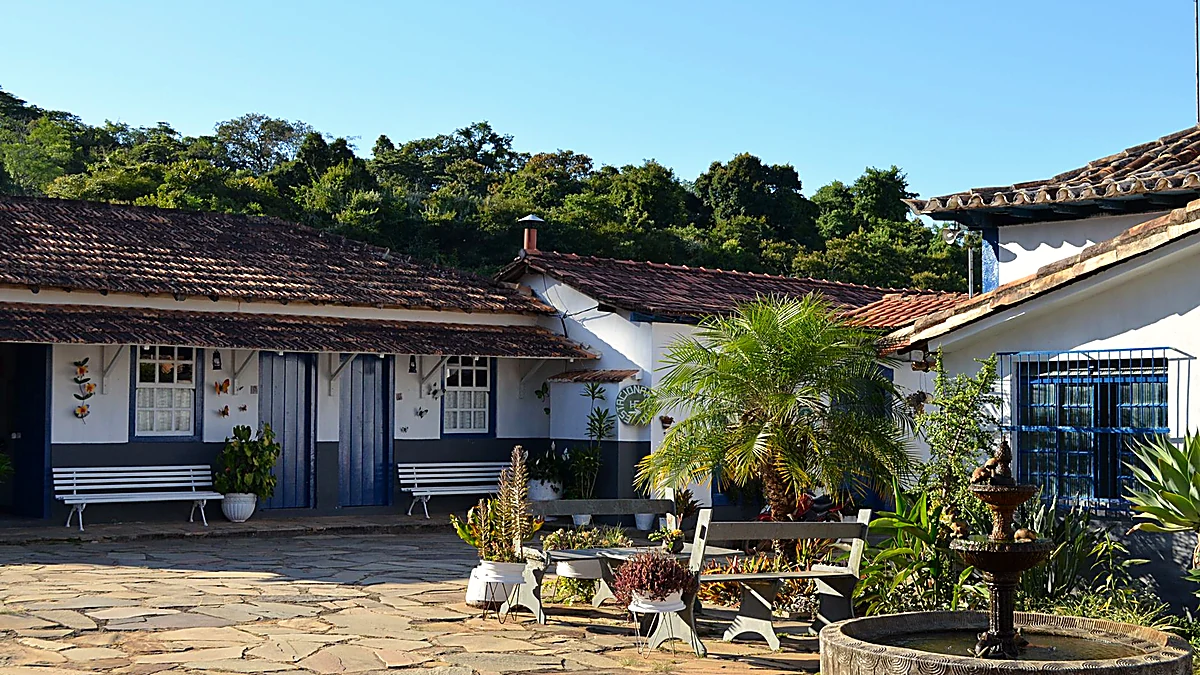
There is a moment on every solo trip when you realize you do not have to be anywhere. The map is folded in your bag, the afternoon is wide open, and the street in front of you is shady and quiet and clearly going somewhere. Walking it without a plan is the whole point.
Some of the best hours of a trip happen when you stop trying to see the famous things. You leave the big square, you turn down a lane just because it looks nice, and thirty minutes later you are sitting on a wooden chair outside a tiny cafe, watching a man sweep his doorstep. Nobody told you to come here. You just found it.
That is what this guide is about. Not the grand adventure, and not the stressful kind of lost either. It is about the small, gentle kind of wandering that makes a place feel like yours, and about packing the right clothes and shoes so your feet and your bag never get in the way of a good afternoon.
Why Walking Without a Map Feels Like a Small Adventure
When you put the map away, you notice things you would normally walk straight past. A bakery with two chairs outside. A whole lane of blue doors. A cat asleep on a warm step, who opens one eye at you and then goes back to sleep. These are the details a guidebook never has room to mention, and they are often what you remember years later.
In a city like Kyoto, the quiet residential lanes between the big temples are the loveliest part of the day. In Edinburgh, the little crooked streets off the main roads hold small shops and stone walls and views you did not expect. These places are usually not marked on anything. You find them by walking slowly and turning when something catches your eye.
There is also a particular kind of tiredness that comes from following a map all day. You look down at your phone every two minutes, you compare your position to a little blue dot, and you miss the street you are actually standing on. Putting the map away is not about being brave. It is about giving your attention back to the place you paid to come and see.
You are not trying to get lost. You are trying to wander with a soft plan, and there is a big difference between those two things.
A soft plan means a few simple rules that keep the fun in the walk. Pick a neighborhood that feels safe and busy enough in the daytime. Make sure your phone is charged. Know the name of your hotel and the street it sits on. Then give yourself one hour and no route.
If you find a cafe, sit down and order something. Watch the street for twenty minutes. This is not wasted time; it is the actual activity. If you start to feel uneasy, or the streets get too empty, or the light starts to change, turn back toward a busy road, a train station, or a row of shops. That one rule is enough to keep the day light and easy.
How to Wander Well: A Simple Step-by-Step Method
You do not need a special talent for this. You just need a simple order of steps that you can repeat in any city, whether you are in Tokyo or Copenhagen or a small town you had never heard of last week.
- Start at a cafe or a small park close to where you are staying. This is your home base, and you will come back to it.
- Pick one direction and walk for ten minutes without checking anything.
- At each corner, ask yourself one question: does this street look interesting? If it does, turn. If it does not, keep going straight.
- Let your phone stay in your bag. It is your safety net, not your guide.
- After about forty-five minutes, start looking for a main street, a subway sign, or a taxi stand.
Step three is the one that matters most. It is amazing how quickly your eye learns to spot a good street. The one with a few plants outside the doors, or laundry hanging between buildings, or the smell of bread, is usually the one worth taking.

Before you leave your starting cafe, do one small thing that makes everything calmer. Drop a pin on your phone at that spot, or write down the name of a shop you walked past. Now you have an anchor. You can wander as freely as you like, because you know exactly how to get back to a place you recognize.
This method works especially well in cities like Tokyo and Copenhagen, where the quiet lanes almost always loop back around to a bigger road. Cities built long before cars tend to do this naturally. You rarely end up in a dead end, and when you do, you simply turn around and try the next street.
What to Carry in a Small Crossbody Bag
Carry less than you think you need, but carry the right small things. A crossbody bag keeps your hands free for coffee, photos, and door handles, and it keeps your valuables in front of you where you can see them.
- A bottle of water, because you will walk more than you planned.
- A light layer, because shade and wind make streets cooler than they look.
- A small portable charger and a short cable.
- A little cash in the local currency, since small cafes sometimes do not take cards.
- A hotel card or a note with your hotel name and address written on it.
That is the whole kit. It weighs almost nothing, and it means you can say yes to an hour in a tiny shop or a second cup of coffee without worrying about anything.
The walk is the plan. There is nothing else you need to accomplish today.
When It Is Time to Head Back
There is no prize for staying out longer than you want to. If your feet hurt, if you are hungry, if the streets have gone quiet, or if you simply feel done, that is your signal. Look for the nearest main road, subway sign, or taxi stand and make your way back to the pin you dropped. You can always come out again tomorrow with fresh legs.
Being turned around is not a disaster, and it is not even unusual. If you are not sure where you are, stop walking, step to the side, and look at your phone calmly. The pin you dropped at the cafe, or a nearby transit stop, will tell you which way to go. If your phone has died, walk toward the busiest street you can see and ask a shopkeeper for directions to a station.
What to Wear for a Slow Side-Street Day
Comfort matters more than style on a day like this, but you can absolutely have both. The golden rule is simple: dress for the amount of walking you will actually do, which is always more than you expect. Build your outfit from soft, quiet pieces that do not rub, pinch, or need adjusting every ten minutes.
Start with a soft breathable t-shirt or a light cotton top. Add a light overshirt that you can take off in the sun and put back on when the wind picks up. For your lower half, choose stretchy pants, well-fitting jeans, or a comfortable skirt that does not ride up when you walk. Everything should feel like something you would happily wear for four hours straight.
One thing people forget is temperature swings. A sunny street can feel warm while a cafe with strong air conditioning feels cold, and a shaded lane can feel much cooler than the open square you just left. A light overshirt solves all of this, because you can put it on and take it off without thinking about it.
Shoes Matter More Than Anything Else
Never wear brand-new shoes on a wandering day. This is the single most common mistake, and it can turn a lovely afternoon into a long walk home with sore feet. Wear sneakers that are already broken in, or lightweight walking shoes with good support and a little cushioning.
In warm weather, breathable socks with leather sandals that have a strap around the back of your heel will keep your feet cool and secure. In cooler weather, add a thin wool layer on top of your shirt and bring a packable rain shell. A light scarf is a small thing that helps with wind, and it can also help you feel more comfortable if you decide to step into a church or a quiet museum.
Keep the colors simple and calm: navy, gray, olive, cream, and maybe one warmer tone. When every piece in your bag works with every other piece, you can get dressed in the dark and still look put together. That takes a decision off your plate every morning, which leaves more room for deciding which street to turn down.
| Weather | What to Wear | Shoes |
|---|---|---|
| Warm and sunny | Soft cotton tee, light overshirt, breathable pants or skirt | Broken-in sneakers or strap sandals with breathable socks |
| Cool and cloudy | Thin wool layer, overshirt, jeans | Supportive walking shoes with light socks |
| Rain likely | Quick-dry top, packable rain shell, light scarf | Water-friendly shoes and a spare pair of socks in your bag |
One more thing: bring a compact umbrella if rain looks likely, and keep your phone in a small dry bag or a zipped pocket. A wet phone can end the day faster than tired feet can.
Keep Clothes Fresh Without a Big Pack
Here is a quiet truth about long trips. You do not need a new outfit every day, and you do not need a heavy suitcase to feel clean and comfortable. You need a small number of pieces that dry quickly, and a simple washing routine you can do in a hotel sink in about fifteen minutes.
A packable list for a week or more looks something like this:
- Three tops that all work with everything else.
- Two bottoms, such as one pair of pants and one pair of jeans or a skirt.
- One light dress or one overshirt that can dress up a plain outfit.
- Five pairs of underwear and five pairs of socks.
- One set of pajamas.
- One light layer for cool evenings and one rain shell if you need it.
Choose quick-dry fabrics or thin wool where you can. They stay fresh longer between washes, they do not hold smells the way heavy cotton does, and they dry overnight. That last part is the key, because clothes that are still damp in the morning are the only real problem with washing as you go.
How to Wash Clothes in a Sink
Fill the sink with cool water and a little gentle soap, or drop in a laundry sheet. Put in your clothes and swish them around gently for about two minutes. Do not scrub hard, because that is what wears fabric out. Then rinse everything well under cool running water until the water runs clear.
The drying step is where most people go wrong. Lay each piece flat on a clean towel, roll the towel up tightly with the clothes inside, and press down with your hands or your knee. The towel soaks up most of the water. Then hang each piece on a travel line, a hanger, or the shower rail, and by morning almost everything will be dry.
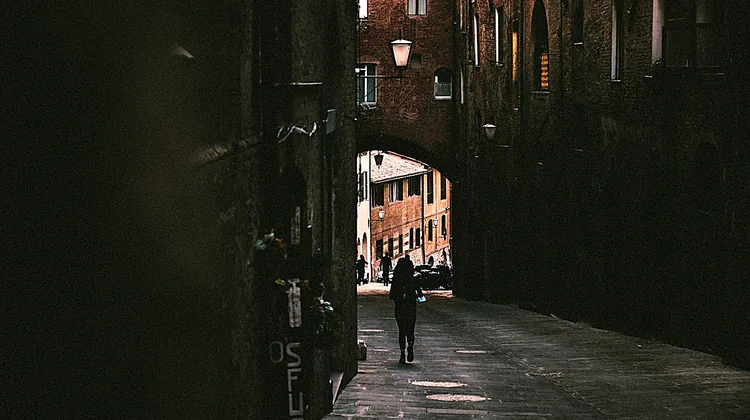
For wrinkles, hang the item in a steamy bathroom for ten minutes while you shower. The steam does most of the work on its own. A small wrinkle-release spray is a nice extra if you have room, but it is not essential. Keep a stain pen in your bag for coffee drips and ice cream accidents, and treat the mark while it is still fresh, because that is when it comes out most easily.
One more small habit helps a lot. At the end of each day, hang anything you wore so it can air out overnight. A shirt that gets eight hours of fresh air often smells clean enough for another day, which means fewer washes and a lighter bag.
Your Quick No-Map Walk Checklist
Before you step out the door, run through this short list. It takes about sixty seconds, and it makes the whole afternoon feel easier.
- Is your phone charged, and do you have an offline map downloaded just in case?
- Is your hotel card, or a note with the hotel name and address, in your pocket?
- Do you have a small amount of cash and a card?
- Is your water bottle full?
- Do you have a light layer, and a rain shell if the sky looks unsure?
- Are your shoes comfortable and already broken in?
- Is your crossbody bag packed and zipped?
If you are traveling alone, share your location with a friend or family member, and send a quick message when you stop for coffee. It takes ten seconds, and it means someone knows roughly where you are. Then put the map away and get on with the fun part.
Walk slowly. Look up more than you look down. Turn down the street that looks quiet, even if it seems to lead nowhere. Order a drink at a tiny cafe and stay longer than you meant to. When you are ready to head back, find a main road or a transit stop and follow it home.
The best travel days are rarely the ones with a strict route. They are the ones where you gave yourself an hour, packed light, wore shoes you trust, and let the street decide. You do not need to see everything. You just need to enjoy where you are, one quiet corner at a time.
Frequently asked questions
✓ Kristina Mate
Founder & Lead Travel Editor · TravelStyleMate
Kristina is the founder and lead editor of TravelStyleMate. Over the past 8 years, she has explored 35+ countries across Europe, Asia, and the Americas—traveling almost exclusively with a single 40L carry-on bag. A dedicated solo traveler, she specializes in cobblestone-tested footwear, minimalist capsule packing formulas, and realistic transit logistics. Every packing rule, walking shoe, and itinerary on TravelStyleMate is personally tested on actual trips with real luggage constraints.
Testing Guarantee: Every packing rule, walking shoe, and transit route is personally tested with real luggage constraints. No paid rankings, no untouched gear, no AI fluff.
Related guides

A Calming Bedtime Routine for Solo Travelers in a New Hotel Room
A calm bedtime routine turns a strange hotel room into a restful base, so solo travelers sleep better and wake up ready for the next day of exploring.
How to Have a Small Lunch Picnic in a City Park by Yourself
Skip the cafe queue and eat lunch alone in a city park instead. Here is the tiny picnic kit to carry, the clothes to wear, and the easy cleanup habits.
How to Say No to Strangers Nicely and Walk Away with Confidence
Learn three simple phrases, calm body language, and a quick exit plan so you can say no to pushy strangers and keep enjoying your solo trip abroad.