How to Make Your Hotel Room Feel Cozy and Safe Every Night
A simple evening routine that turns any hotel room into a calm, safe home base for solo travelers, with comfort items and a nightly checklist.
 ✓
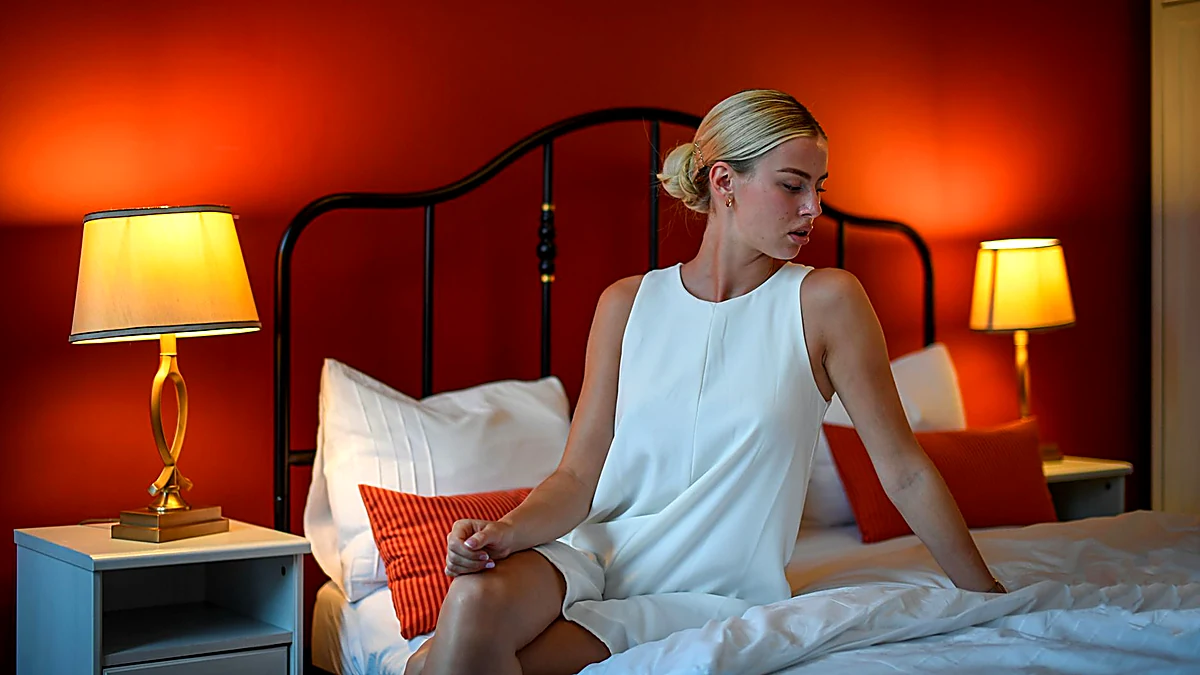
Your hotel room can feel cold and unfamiliar at night when you are traveling alone. A three-minute routine and a small pouch of familiar things turn it into a calm, safe home base.
Traveling solo gives you a lot of freedom. You choose where to eat, when to stop walking, and how long to sit in a cafe with a book. But it also means that at the end of the day, you come back to a room where nobody knows you. The bed is strange, the pillows smell like a soap you have never used, and the hallway outside your door creaks at odd hours.
The good news is that you do not need a fancy room or an expensive upgrade to feel settled. You need a short routine that you repeat every night, plus a handful of small items that travel with you. Once you build that habit, the room stops feeling like a stranger's space and starts feeling like yours.
Do a Quick Safety Check and Warm Up the Room
The first thing you do when you walk in matters. If you drop your bag, kick off your shoes, and fall onto the bed with the overhead light blaring, the room stays in hotel mode. Instead, spend three quiet minutes making it feel like your own place.
Start with a three-minute safety scan
Walk to the door and lock it. Turn the deadbolt, and if your room has a chain or a flip latch, use that too. Many solo travelers also carry a small rubber doorstop and push it under the door from the inside. It costs almost nothing, weighs very little, and gives you an extra layer of quiet confidence, especially in a ground-floor room.
Next, look through the peephole to make sure you can see the hallway clearly. Check that the windows close and lock the way they should. Find the phone and confirm that the front desk number is printed on it, then put your phone on the charger so it is ready if you need it in the middle of the night. These steps take less time than boiling water for tea.
Light and temperature change the whole mood
Ceiling lights in hotel rooms tend to be bright and blue, and they make everything look a little like an office. Turn them off. Switch on the bedside lamps instead, and if there is a desk lamp, turn that on as well. Two or three small pools of warm light make a room feel calm almost instantly.
Then deal with the temperature before you unpack. Most people wait until they are shivering or sweating at midnight, and by then it is much harder to fall asleep. Set the thermostat a couple of degrees cooler than you think you need, because hotel rooms often warm up once the lights and the television have been on for a while.
Give your things a home
Pick one spot and always put the same things there. The nightstand works well for your key card, your phone, and your glasses. Your shoes go by the door, not scattered in the middle of the floor. If you do this on the first night, you will not spend the rest of the trip hunting for your room key in the dark.
One more small habit helps at night. If the bathroom is far from the bed, leave a soft light on in the hallway or keep the bathroom door slightly open. Waking up in a dark, unfamiliar room can feel unsettling, and a dim glow makes the whole space feel friendlier.
On a trip to Montreal, I stayed in a small hotel a block from a street full of cafes. The room was tiny, and the first night I felt restless and wide awake. The second night I ran this exact routine, and I slept straight through until morning. Nothing about the room had changed. My habits had.
Build a Tiny Comfort Corner With Familiar Things
Comfort does not come from a bigger room. It comes from small, familiar objects that tell your body it is safe to relax. Pack one small pouch with a few of these items, and set it out on the nightstand as soon as you arrive.
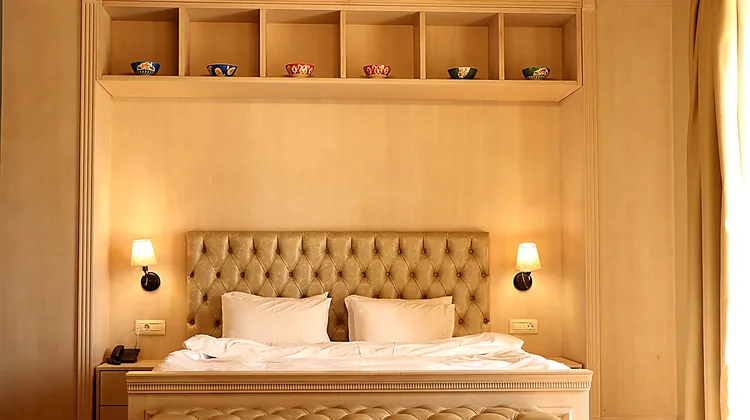
What goes in the pouch
You do not need much, and everything here fits in a pouch the size of your hand. Choose the items that work for you and skip the ones you know you will never use.
- An eye mask. Hotel curtains rarely block all the light, and hallway lights often stay on all night.
- Earplugs. These are the single most useful item for light sleepers, whether the noise comes from traffic, an elevator, or the room next door.
- A lavender or cedar sachet. A familiar smell is one of the fastest ways to make a strange space feel calm.
- Soft socks. Hotel floors are often cold, and thick socks are kinder to your feet than bare tiles on the way to the bathroom.
- A chamomile tea bag or two. Most rooms have a kettle, and a warm drink before bed helps you slow down.
- A small speaker. Quiet music or white noise covers the odd sounds that keep you awake in a new place.
- A thin scarf or light shawl. Draped over a lampshade, it softens the light, but only do this if the bulb is a cool LED or a low-wattage one that does not get hot.
Some travelers add a small photo, a favorite paperback, or a pair of slippers that fold flat. The point is not to rebuild your bedroom at home. The point is to give your eyes and your hands a few things they already know.
Set it up step by step
Clear the nightstand first, so you have a clean surface to work with. Put your charger on one side and plug it in. Fill your water bottle and set it down within arm's reach, so you do not have to get up in the dark later. Then lay out your comfort items in the same order every night.
After that, arrange the rest of the room. Shoes go by the door. Slippers go by the bed. Tomorrow's clothes go on the chair. When you repeat this in a new city every few days, it starts to feel like a small ceremony, and your body learns that this routine means rest is coming.
A room does not have to be beautiful to feel safe. It only has to be predictable.
Choose Simple Clothes for a Calm Solo Evening
What you wear in the evening matters more than you might think. Jeans and a tight shirt keep your body braced. Soft, loose clothes tell your shoulders to drop. The key is to choose pieces that feel good, pack small, and work together without much thought.
A simple cozy evening outfit
Start with a soft cotton tee and a light merino cardigan. Merino wool is thin, warm, and does not hold smells the way synthetic fabrics often do. Add loose lounge pants or leggings, depending on what you find comfortable, and a pair of warm socks.
Keep two pairs of shoes near the door. Slip-on shoes or simple sneakers are for walking down the hallway to get ice or tea. Flip-flops are for the shower area, since shared floors and bathroom tiles can be rough on bare feet.
If the room is cold, add a thin thermal base layer under your tee and switch to thicker socks. If the room is warm, choose a loose linen shirt and cotton shorts instead, and leave the cardigan folded on the chair. On rainy days, quick-dry pants are a better choice than heavy denim, because they dry overnight and do not feel damp the next morning.
| Room temperature | What to wear | What to keep nearby |
|---|---|---|
| Cold room | Cotton tee, merino cardigan, thermal base layer, thick socks | Scarf for the lamp, extra blanket |
| Comfortable room | Cotton tee, light cardigan, lounge pants, warm socks | Cardigan folded on the chair |
| Warm room | Loose linen shirt, cotton shorts, light socks or none | Water bottle, thin sheet |
| Rainy day | Quick-dry pants, cotton tee, light sweater | Dry socks, small towel |
After a long day of walking in Kyoto, I used to come back to my room and change into soft clothes before going out again for tea. That short break made the evening feel like mine instead of just another stop on a busy schedule.
Walking to a nearby cafe in soft clothes is one of the quiet pleasures of solo travel. You can order a pot of tea, sit by the window, and watch the street without feeling rushed. When you come back, the room is warm and waiting, and the evening ends on your own terms.
Why neutral colors make packing easier
Choose two or three colors that all work together, such as navy, gray, cream, and olive. When everything matches, you can wear any top with any bottom, and you never stand in front of the chair at night wondering what to put on. This also means you can pack fewer clothes and still feel put together when you step out to a cafe.
Keep Clothes Fresh and Wrinkle-Free in a Small Room
Hotel rooms are not built for laundry, but you can still keep your clothes clean and ready to wear. The trick is to do a little bit each night instead of waiting until everything is dirty at once.
Wash small items in the sink
Underwear and socks are the easiest things to wash by hand, and they dry fast. Fill the sink with cool water, add a few drops of gentle soap or travel detergent, and let the items soak for a few minutes. Squeeze them gently, rinse them well, and then roll them in a clean towel to press out the extra water. Hang them on the shower rod or over a chair, and they will usually be dry by morning.
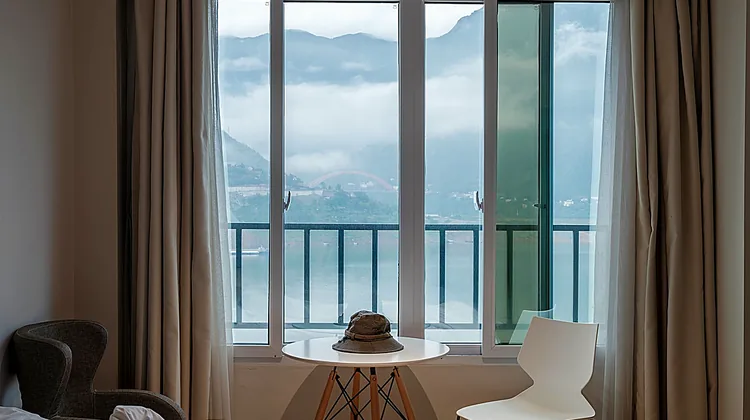
Get wrinkles out without an iron
Hang your wrinkled shirt or dress in the bathroom while you take a hot shower. The steam relaxes the fabric, and after ten or fifteen minutes you can smooth it with your hands and hang it up to dry. A small wrinkle-release spray works the same way. If you do not have one, mix water with a single drop of hair conditioner in a spray bottle and use it lightly.
If you spill coffee on a shirt, blot it with cold water right away instead of rubbing it in. Rubbing pushes the stain deeper into the fabric. A little soap on the spot, followed by a cool rinse, usually saves the shirt.
Keep clean and dirty clothes apart
Packing cubes solve this neatly. Give clean clothes their own cube and dirty clothes a separate bag, ideally one that closes and does not let smells leak into your suitcase. Quick-dry fabrics help here too, because they do not hold onto dampness the way heavy cotton does. When you leave a city, everything in your bag is either clean or clearly separated.
Your Simple Nightly Checklist for a Cozy, Safe Room
After a few trips, this routine becomes automatic, and you will run through it without thinking. Until then, here is the short version you can follow every night.
- Lock the door, turn the deadbolt, and set the doorstop if you carry one.
- Turn on the bedside lamp and switch off the bright overhead light.
- Plug in your phone and set it on the nightstand in its usual spot.
- Fill your water bottle and place it within reach of the bed.
- Set out your comfort pouch with your eye mask, earplugs, and socks.
- Lay out tomorrow's clothes on the chair so the morning is easier.
- Put your shoes by the door and your slippers by the bed.
- Set your alarm and turn on white noise or quiet music.
The last thirty minutes
Once the room is set up, use the final half hour to slow down. Make a warm drink, read a few pages of a book, or stretch on the floor beside the bed. Keep your phone face down if you can. This is the part that actually helps you sleep, because your body needs a little time to move from daytime traveler mode into rest.
If you wake up in the middle of the night, you will know exactly where your water, your glasses, and the lamp switch are. That small certainty stops the anxious feeling that often shows up in unfamiliar rooms.
A cozy, safe room is not about upgrades or fancy hotels. It is about the same few small actions, repeated night after night, in city after city.
Do this for two or three nights in a row and you will notice the difference. You will fall asleep faster, wake up less, and start each morning with more energy for the day ahead. Your hotel room will stop being a place you simply pass through. It will become the calm, safe home base that makes traveling alone feel easy and enjoyable.
Frequently asked questions
✓ Kristina Mate
Founder & Lead Travel Editor · TravelStyleMate
Kristina is the founder and lead editor of TravelStyleMate. Over the past 8 years, she has explored 35+ countries across Europe, Asia, and the Americas—traveling almost exclusively with a single 40L carry-on bag. A dedicated solo traveler, she specializes in cobblestone-tested footwear, minimalist capsule packing formulas, and realistic transit logistics. Every packing rule, walking shoe, and itinerary on TravelStyleMate is personally tested on actual trips with real luggage constraints.
Testing Guarantee: Every packing rule, walking shoe, and transit route is personally tested with real luggage constraints. No paid rankings, no untouched gear, no AI fluff.
Related guides
Easy Journal Prompts to Write Down During Your Morning Coffee
Turn a quiet morning coffee on your solo trip into a memory you can keep. Simple journal prompts, easy clothing tips, and a routine that takes ten minutes.
How to Beat the Scared Feeling You Get the Day Before a Solo Trip
A day-before scare is normal. Plan your first hour, pack one comfy outfit, keep your bag light, and calm your nerves with a simple checklist.
The Joy of Sitting Outside at a Cafe and Watching the City Go By
Learn how to choose a good outdoor cafe seat, dress for slow sitting, order without rushing, and keep your travel clothes fresh on a long solo trip.