How to Keep Your Leather Shoes Clean and Dry in Rainy Cities
Protect leather shoes from rain with a small care kit and two simple habits, so they stay soft, dry, and comfortable on long wet city walks.
 ✓
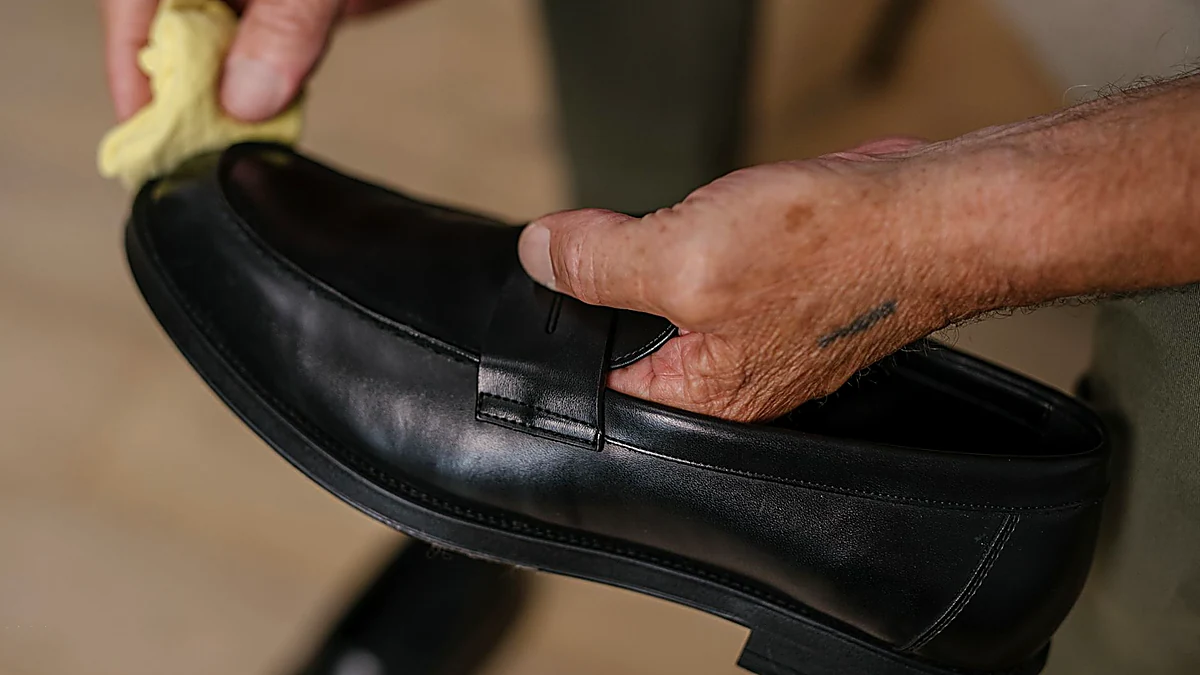
You leave your hotel in the morning and the sky looks perfectly fine. By lunchtime the sidewalks are shining with water, your leather shoes are soaked through, and every step feels heavier than the one before. This happens to almost everyone who packs leather shoes for a rainy city trip, and the good news is that it is almost always fixable. With one small care kit and two simple habits, you can keep your leather shoes soft, dark, and comfortable from your first morning to your last evening.
Why Rain Ruins Leather Shoes and How to Avoid It
Leather is skin. It came from an animal, it has pores, and it behaves a lot like your own hands do in bad weather. When rain sits on the surface, the leather takes some of that water in. Once the leather is wet, it also grabs whatever else is on the ground, which in a city means grit, dust, oil, and sometimes road salt.
The real damage usually happens afterward, when the shoes start to dry. If they dry slowly at room temperature, they are fine. If they dry fast next to a radiator, under a hair dryer, or on a sunny windowsill, the water leaves too quickly and pulls some of the natural oils out with it. The leather goes stiff, the creases at the toes turn pale, and over a few trips those creases turn into small cracks that never really go away.
Wet leather also stretches. If you walk around all day in soaked shoes, they slowly mold to that stretched shape, and when they dry they can feel loose and sloppy. Your socks get wet too, which makes your feet cold and soft, and soft feet are much more likely to blister on a long walking day. Nobody wants to spend a vacation afternoon sitting in a pharmacy looking for blister bandages.
The common mistake is simple. Most people pack leather shoes for a rainy trip and assume the shoes will handle it, because leather looks tough and expensive. Then the first big rain arrives and they spend the evening trying to dry their shoes with a hair dryer, which is the one thing that makes the problem worse. A second common mistake is leaving the shoes in a wet heap by the door overnight, where the inside stays damp and the shape collapses.
Here is the encouraging part. Leather is one of the most forgiving materials you can travel with. It just needs a little protection before the rain and a little patience after it. That works out to about ten minutes before your trip and a couple of minutes at the end of each day. Compare that with the cost of replacing a good pair of leather shoes in an unfamiliar city, and the trade is very easy to make.
Clean First, Then Add a Simple Rain Shield
Start with a pair of shoes that is completely dry. If you just came in from a wet walk, set them aside and come back tomorrow. Protecting a damp shoe traps moisture inside, which is exactly what you are trying to avoid.
Begin by brushing off dust and any dried mud with a soft shoe brush. Work in small circles and pay attention to the area where the shoe bends, because that is where fine dirt likes to sit. Then take a damp cloth and wipe along the seams, the little stitched lines where two pieces of leather meet. Seams matter more than people realize. They are the places where water creeps in first, and they are also the spots that wear out fastest.
Let the shoes air dry for fifteen minutes while you get your supplies ready. Keep them away from any heat source, including the radiator in a hotel room and the heater vent near the window.
Next comes the leather cream. Squeeze a small amount onto your fingers or a soft cloth, about the size of a pea, and rub it into the leather in small circles. You are not painting the shoe. You are feeding the leather so it stays soft and keeps some natural resistance to water. A thin, even layer across the whole shoe is plenty. If the leather looks wet and shiny all over, you used too much, and you should wipe the extra off with a clean cloth.
Then add your rain shield. A waterproof protector made for leather comes in a spray can or a pump bottle, and it works by sitting in the surface of the leather and making water bead up instead of soaking in. Hold the bottle about twenty centimeters away and spray in light passes back and forth. Two thin coats always beat one heavy coat, because a heavy coat leaves streaks and can darken the color unevenly.
Give extra attention to four places. The seams get a second light pass. The toe creases get a small amount worked in with your fingertip, because that is where cracks start. The heels get a light coat, since they take the most contact with wet pavement. And the tongue and the area around the laces get a quick pass, because water runs down the laces and straight into the shoe.
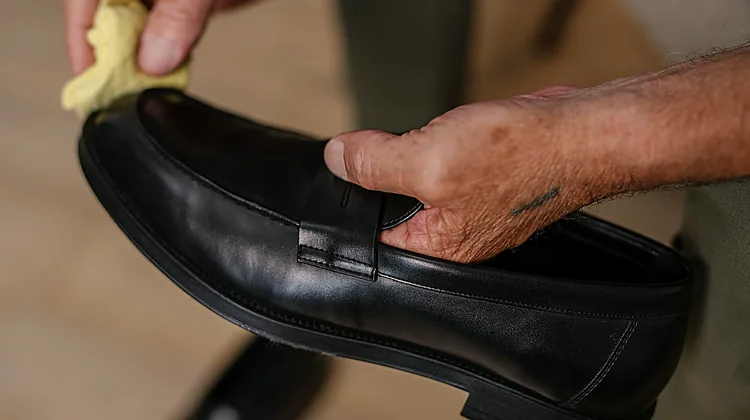
Now let the shoes sit overnight. Twelve hours is ideal, but even a full evening is fine. You will know they are ready when the surface feels dry to the touch and not tacky.
Repeat this routine every three or four wears, or right after any long wet day when your shoes were soaked through. Think of it the way you think about sunscreen. One application on the first day of a beach holiday does not protect you for a whole week, and one coat of protector does not protect your shoes for a whole season. Small, regular top-ups are what keep leather in good shape.
If your shoes are suede or nubuck, the routine changes a little. Those materials have a soft, brushed surface that wax and heavy cream will flatten. Use a protector made specifically for suede instead, spray it in thin coats, and brush the surface gently with a suede brush afterward to lift the nap back up. Never rub wax into suede, and never scrub it with a wet cloth, because both will leave a dark, flattened patch that is hard to fix.
A little care before you leave the house beats a lot of repair work in a hotel bathroom at midnight.
What to Wear and Pack for Wet City Walks
Good shoes are only half of the picture. What you wear with them changes how comfortable a wet walking day actually feels, and it also changes how quickly your shoes dry once you get back inside.
Start with your socks. Thin wool socks are the best choice for rainy cities, and this surprises a lot of people who think wool sounds hot and itchy. Modern merino wool is soft, it breathes well, and it keeps your feet warm even when it gets damp. Cotton is the opposite. Cotton socks hold water against your skin, and wet cotton feet get cold fast and rub much more easily. Bring two or three pairs of thin wool socks for a week long trip and you will be far happier.
Then think about your hems. Cropped trousers, tights, or a skirt that ends above the ankle keep the bottom of your clothes out of puddles. Wide, long trousers act like a sponge. They soak up water from the pavement all day and then press that wet fabric against your shoes and your ankles for hours, which keeps the leather damp long after the rain has stopped.
Outfit Ideas for a Wet Walking Day
| Piece | Why It Works |
|---|---|
| Treated leather boots with a rubber sole | Keeps water out and gives you grip on wet stone and cobblestones |
| Thin wool socks | Stay warm when damp and reduce rubbing inside the shoe |
| Cropped trousers or tights | Hems stay clear of puddles and splash from the pavement |
| Water resistant coat that covers your hips | Sends rain past your legs instead of down onto your shoes |
| Compact umbrella | Easy to carry and quick to open when the sky changes its mind |
Sole material matters more than most people expect. Smooth leather soles look wonderful in a shop, but on wet cobblestones and painted crosswalk lines they can slide. If you are choosing one pair of leather shoes for a rainy trip, choose the pair with a rubber sole, or ask a cobbler to add a thin rubber layer before you go. It is a small cost that makes a big difference on steep, polished streets.
What to Put in Your Bag
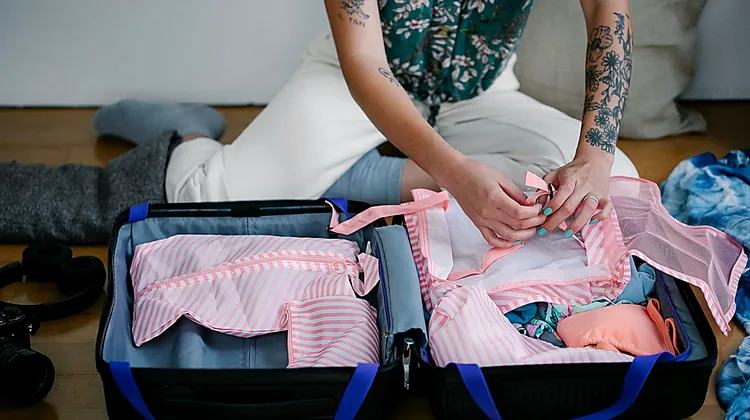
- A small shoe bag, so wet shoes do not touch your clean clothes in your suitcase
- A microfiber cloth, which soaks up water and dries fast
- A soft brush for dust and dried mud
- Cedar shoe trees if you have room, since they hold the shape and help with smells
- A travel size bottle of leather protector, filled from your larger one at home
- A spare pair of insoles, so you can swap them out when one pair gets damp
Try to rotate two pairs of shoes when you can. Leather needs rest between wears, usually a full day, so that moisture inside the shoe has time to leave. In cities like Copenhagen, Edinburgh, or Tokyo, where you might walk ten or fifteen kilometers in a day, rotating two pairs is the single easiest thing you can do to keep both of them healthy. When you are crossing a street, step around the deep puddles that collect at the corners and along the curb, because those are deeper than they look and often hide grit that scratches the finish.
Quick Fixes for Soaked Shoes on the Road
Even with good preparation, some days will still soak your shoes. Maybe you got caught in a downpour without an umbrella, or a bus splashed the curb as you walked past. What you do in the next few hours decides whether your shoes bounce back or dry out stiff and cracked.
The first thing to do when you get back to your room is blot the shoes with a towel. Press gently instead of rubbing, and soak up as much surface water as you can. Then pull out the insoles if they come out, because they hold a surprising amount of water and they dry much faster on their own.
Next, stuff the toes and the whole shoe with newspaper or a dry towel. This does two jobs at once. It pulls moisture out from the inside, and it holds the shape of the shoe while the leather is soft. Change the paper every few hours at first, then once more before bed. A dry hotel towel rolled up and pushed into the toe works well too, and it is usually easier to find than newspaper.
Then let the shoes air dry at room temperature, ideally with a little airflow. Put them on the bathroom floor near a vent, or on a chair in front of a window with the window open. What you must not do is put them on a radiator, point a hair dryer at them, or leave them in direct sun on a balcony. All three dry the leather too fast and cause the exact stiffness you are trying to prevent.
If white salt marks show up after the shoes dry, do not panic. Those marks are common in cities that salt their roads and sidewalks in winter, and they clean up easily. Mix a little white vinegar with an equal amount of water, dampen a cloth, and wipe the marks away. Let the shoes dry fully, and then apply a thin layer of leather cream, because the vinegar is gentle on the leather but it does remove some of the surface oils along with the salt.
For smells, sprinkle a small amount of baking soda inside the shoes, leave it overnight, and shake it out in the morning. Dry tea bags work in a similar way and are easy to find in most hotel rooms. If you have a small fan in your room, point it toward the shoes from a meter away, because moving air dries leather much faster than still air without any of the harm that heat causes.
If your shoes still feel damp the next morning, do not wear them. Put on your backup pair and let the wet ones rest another day. Wearing damp leather all day is how shoes lose their shape, and it is also a quick way to get cold, uncomfortable feet. A damp shoe that rests for a day will often come back softer than a dry shoe that was forced back into service too early.
Your Easy Rainy-City Shoe Checklist
It helps to break the whole routine into three simple moments. Before your trip, during each day, and once a week while you are away. That is all it takes, and after one trip it becomes a habit you barely think about.
Before Your Trip
- Clean both pairs of shoes and let them dry fully
- Apply leather cream in a thin, even layer
- Spray two light coats of waterproof protector and let them sit overnight
- Pack your cloth, brush, shoe bag, and travel size protector
- Bring a second pair of shoes if your suitcase has room
Every Day
- Wipe rain and grime off when you get back to your room
- Take out the insoles and stuff the shoes to hold their shape
- Dry them at room temperature, well away from any heat
- Check the seams and the toes before you put them on again
Every Week
- Reapply protector, even if the shoes look fine
- Look closely at the toe creases for the first signs of cracking
- Give each pair a full day of rest if your schedule allows it
That small routine keeps leather soft, dry, and ready for long walks. It costs you about ten minutes before you leave and a couple of minutes each evening, and in return you get shoes that feel good on your feet from morning coffee to a late dinner across town.
The best part is what you stop doing. You stop worrying about the weather app. You stop planning your day around which streets might flood. You stop hunting for a shoe shop in an unfamiliar city because your only pair of shoes fell apart. With clean shoes, a thin coat of protector, and a dry spot away from the radiator, rain becomes just another part of the trip instead of something that ruins it. So treat your shoes before you go, look after them while you are there, and spend your energy on the city rather than on your feet.
Frequently asked questions
✓ Kristina Mate
Founder & Lead Travel Editor · TravelStyleMate
Kristina is the founder and lead editor of TravelStyleMate. Over the past 8 years, she has explored 35+ countries across Europe, Asia, and the Americas—traveling almost exclusively with a single 40L carry-on bag. A dedicated solo traveler, she specializes in cobblestone-tested footwear, minimalist capsule packing formulas, and realistic transit logistics. Every packing rule, walking shoe, and itinerary on TravelStyleMate is personally tested on actual trips with real luggage constraints.
Testing Guarantee: Every packing rule, walking shoe, and transit route is personally tested with real luggage constraints. No paid rankings, no untouched gear, no AI fluff.
Related guides
How to Stop Foot Pain After Walking All Day on Hard Stone Streets
Hard stone streets beat up your feet fast. Here is the simple shoe, sock, and evening routine that stops the ache and keeps you walking all day.
Loafers or Sneakers: Which Shoes are Better for Walking on Old Streets?
Loafers or sneakers for old cobblestone streets? Here is how to choose, break them in, and keep your feet really happy on long walking days.
Dressy Flat Shoes That Look Nice at Dinner After Walking All Day
Pretty flat shoes that survive a full day of walking and still look right at dinner. What to check before you buy, plus easy outfits and care tips.