Historic Drinking Fountains: Finding Cold Free Spring Water in Old Cities
Learn to find free cold drinking water in old cities, from Rome's nasoni to Paris's Wallace fountains, plus what to wear and how to keep bottles fresh.
 ✓
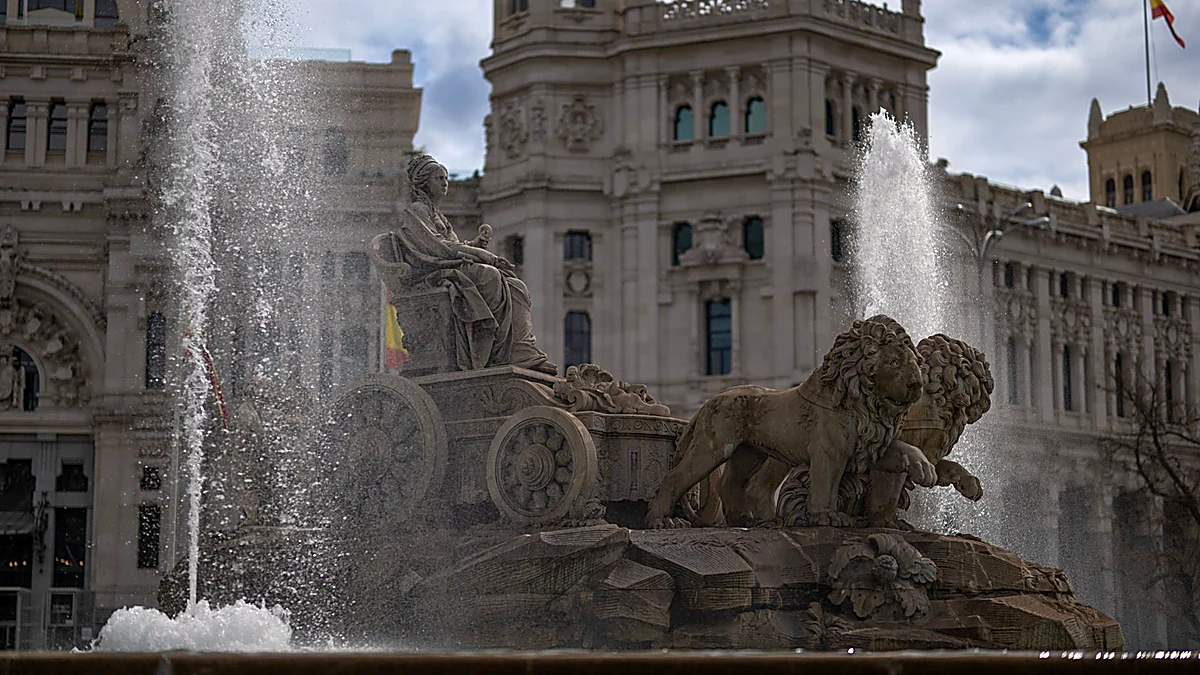
When you walk through an old city on a warm afternoon, thirst arrives faster than you expect. The good news is that many historic towns still run free public drinking fountains that pour cold, clean water all day long, and once you learn to spot them, you can walk for hours without buying a single plastic bottle.
This guide is about those fountains and the small habits that make them easy to use. It covers where they tend to stand, how to tell safe drinking water from decorative water, what to wear while you walk, and how to keep your bottle and clothes fresh between stops.
Why Free Drinking Water Fountains Save Your Day
Public drinking fountains are one of the last truly free things in a big old city. In Rome, people call them nasoni, which means big noses, because the curved metal spout looks a little like a nose. You will see them on street corners, at the edge of piazzas, and along the walking routes between one old church and the next.
Paris took a different path. In the 1870s, an Englishman named Richard Wallace paid for a set of tall green cast-iron fountains, and many of them still run today, with four small figures holding up the base. Other old towns have their own version of the same idea: a stone spout set into a wall, a small iron post near a park gate, or a tidy line of little green fountains along a neighborhood street.
One more thing worth saying is that old cities were built long before bottled water existed, and many of them planned their streets around wells and public spouts. That is why you still find them in odd corners, half hidden behind a market stall or tucked at the bottom of a set of stone steps. Once your eye learns the shape, you start noticing them everywhere you go.
The money side is simple. A bottle of water from a small shop or cafe in an old city center often costs one to three euros, and on a hot day you may want three or four of them. If you refill at fountains instead, that saving adds up to a coffee, a museum ticket, or a nicer dinner at the end of your trip.
There is also the waste side to think about. Every bottle you do not buy is one less bottle in a city that already struggles to move its garbage. And there is the comfort side, which matters most of all: you never have to cut a good walk short because your throat is dry.
If the water is flowing and a local is filling a bottle from it, you can almost always trust it.
What the savings look like over a week
Say you drink about two liters of water a day, which is a normal amount for a warm day of walking. If that came from small shops at around one to two euros a bottle, a one-week trip could cost you twenty to forty euros just on water.
Refilling at fountains turns that into nothing at all, and it has a quiet bonus. When water is free and always nearby, you drink more of it, which keeps your energy steady and your head clear on long days.
How to Find and Use Nasoni and Other Public Fountains
Learn the local name before you arrive
The fastest way to find free water is to search for the words that locals actually use. In Rome you look for nasoni, in Paris you look for Wallace fountains, and in German-speaking cities such as Vienna and Munich you look for Trinkbrunnen, which simply means drinking fountain.
Some towns have their own nicknames, and knowing them is genuinely useful. In Milan, the small drinking fountains are called vedovelle, and the old story goes that the constant stream reminded people of a widow's tears. In Turin, they are called toret, which means little bull, because the top of the fountain is shaped like the bull that stands for the city.
Once you know the word, you can search it in your map app before you leave your hotel. Many cities also list their fountains on an official tourism or water company page, so a two-minute search in the morning can save you a lot of thirsty walking later in the day.
| City | What locals call them | Where you notice them most |
|---|---|---|
| Rome | nasoni | Street corners, piazzas, and busy walking routes |
| Paris | Wallace fountains | Squares, parks, and near markets |
| Milan | vedovelle | Quiet neighborhood streets all over the center |
| Turin | toret | Along arcaded streets and open squares |
| Vienna, Munich, Berlin | Trinkbrunnen | Parks, playgrounds, and station squares |
Where fountains usually stand
Fountains are placed where people already gather, so you can often guess where one will be before you see it. Keep an eye on these spots as you walk.
- The edges of piazzas and open squares, often near a church or a town hall.
- Park gates and the first few benches inside a park.
- Market squares, where sellers and shoppers both need a drink.
- The squares outside train stations and bus stops.
- Along the long climb up to a viewpoint, which is exactly where you need water most.
Timing helps as well. Fountains are easiest to use in the morning and late afternoon, when the streets are cooler and the lines are short. Around lunch, a popular fountain beside a market can have a small queue, so plan to fill up before or after the rush.
How to tell safe water from decorative water
Decorative fountains are beautiful, but they are not drinking water, and the same pipe often feeds a pond full of birds and coins. Look instead for a small spout with a steady stream and a drain below it, and look for people holding bottles.
Skip anything with a sign saying the water is not for drinking, such as acqua non potabile in Italy or eau non potable in France. Skip still water, water with leaves floating in it, and any spout fixed to the wall of a private building. When you are unsure, step into a small cafe, buy a coffee, and ask where the nearest drinking fountain is. Most people are happy to point you toward one.

Cold free water in old cities.
How to fill a bottle from a thin spout
The classic nasoni spout is a thin metal tube that shoots water out in a small arc, which makes filling a bottle tricky the first time you try it. Put your finger under the stream and the water will jump up and over into your bottle opening. If that feels awkward, hold the bottle at an angle just below the spout and let the water run down the inside of the neck.
A wide-mouth bottle is easier to fill than a narrow one, and a bottle with a small loop or handle is easier to hold while you are balancing a bag. Fill it all the way, drink some right there, and top it up again before you walk on.
Simple fountain manners
Step to the side while you fill so someone else can reach the spout, and never wash your hands, face, or clothes in a drinking fountain. Do not rest your bag on the spout or block it while you dig around for a map.
In hot months, fountains in busy areas get a lot of use, so keep your turn short. If you see a line of locals waiting after a market closes, let them go first. It costs you thirty seconds and keeps everyone friendly.
What to Wear and Carry for a Day of Fountain Hopping
The right clothes make a long walking day feel easy, and they also dry fast if you get splashed or caught in a light shower. Think light layers, soft fabrics, and shoes you have already broken in at home.
| Warm weather days | Cooler weather days |
|---|---|
| Soft cotton tee as your base layer | Thin merino or thermal top as your base |
| Thin linen shirt over it for sun cover | Light sweater or fleece over the base |
| Light cotton or stretch trousers | Warmer trousers or well-fitting jeans |
| Wide-brim hat and sunglasses | Beanie and a scarf you can take off |
| Thin socks and breathable walking shoes | Wool socks and shoes with grippy soles |
| Compact rain jacket in the bag | Waterproof jacket you can wear open |
A soft cotton tee and a thin linen shirt are a great pair on hot days, because the linen keeps the sun off your arms while the cotton pulls sweat away from your skin. Add a compact rain jacket if the forecast looks unsure, and choose comfortable walking shoes with grippy soles, since cobblestones turn slick when they are wet.
Here is one small note about color. Light colors reflect heat, but a plain white shirt shows every water splash from a fountain spout. A mid-tone or slightly patterned shirt hides those marks better, which keeps you looking tidy in photos all day long.
Shoes, bag, and the small extras
Comfortable walking shoes matter more than any other item on this list, because old city streets are uneven and often slope. A small crossbody bag keeps both hands free for filling your bottle, and it is much harder to grab than a bag you set down beside you.
In cooler months, a thin merino layer under your shirt adds warmth without bulk, and you can peel it off when the sun comes out. A wide-brim hat and sunscreen help on hot afternoons, when stone streets throw heat back at you from below and above.
What to put in your day bag
- A refillable bottle, ideally wide-mouthed and easy to grip.
- A tiny microfiber towel for wet hands and splash marks.
- A lightweight layer for weather changes and cool church interiors.
- A few coins or a small note for a cafe stop if you want to sit down.
- An offline map or a short note with fountain names such as nasoni.
The goal is to stay cool, dry, and ready to walk from one fountain to the next without carrying a bag that feels heavy by noon.
Keep Your Bottle and Clothes Fresh on the Road
Free water is wonderful, but a bottle that sits in a warm bag all day can start to smell. Five quiet minutes in the evening are enough to keep everything clean and ready for the next morning.
Bottle care each evening
Rinse your bottle with warm water and a little mild soap, then shake it well and let it air dry upside down with the cap off. A small bottle brush helps you reach the bottom, where a thin film can build up over a week of travel.
A fabric sleeve keeps the outside of the bottle clean and stops condensation from dampening your bag. If you are somewhere very hot, fill the bottle half way and freeze it overnight, then top it up with fountain water in the morning.

Light layers for fountain hunting walks.
Sink washing in ten minutes
Sink washing is easier than most people expect. Fill the sink with cool water and a little mild soap, put in one or two small items, and gently squeeze the fabric instead of scrubbing it against itself.
Rinse until the water runs clear, then lay the item flat on a dry towel, roll the towel up, and press down to lift out the extra water. Hang the item overnight on a chair back, a hanger, or a travel line, and in most warm rooms it will be dry by morning.
Wrinkles, damp clothes, and small habits
Shake clothes out firmly before you hang them, then smooth the fabric with your hands. Most travel fabrics settle overnight, and a light crease is not a problem when you are walking all day anyway.
Keep anything still damp in a separate bag so it does not soak your dry clothes, and pack that bag on the outside of your main bag where it gets some air. Pack wet items last, right before you leave the room, so they have the whole day to dry.
Rinse the bottle, rinse the shirt, hang both up, and go to dinner. Ten minutes of effort buys you a fresh start tomorrow.
Your Quick Fountain Checklist for Old City Days
Before you head out in the morning, run through this short list. It takes about a minute and saves a lot of small problems later in the day.
- A refillable bottle, cleaned and filled before you leave.
- A small microfiber towel for splashes and wet hands.
- A lightweight layer for weather changes and cool interiors.
- Comfortable walking shoes with grippy soles.
- An offline map or notes with local fountain names.
- A little cash for a cafe stop if you want to sit down.
Fill your bottle whenever you see a steady stream with locals using it. Skip any fountain with a warning sign or with still, dirty water. Drink often, even when you do not feel thirsty, and refill before you leave a neighborhood, because the next one may not have a fountain on its first block.
Share the spots you find with the friends you are traveling with, and mark them on your map so you can use them again on another day. This quiet routine keeps you hydrated, saves money, and lets you spend your attention on the parts of the trip you actually came for.
Small Questions Travelers Usually Have
Is fountain water in old cities really safe to drink?
In most European cities, public drinking fountains run on the same treated supply as household taps, and the city tests them regularly. The practical test is simple: a steady stream, no warning sign, and locals filling their own bottles from it.
What should I do if I cannot find a fountain?
Small cafes and bars will often refill your bottle for free if you buy something, even just a coffee. Some cities also list public refill points in their tourism apps, so a quick search can point you to the nearest one.
Do I need a special bottle for this kind of trip?
No, any clean refillable bottle works well. A wide mouth makes it much easier to fill from a thin spout, and a bottle with a handle or loop is easier to hold while you juggle a bag and a map.
Frequently asked questions
✓ Kristina Mate
Founder & Lead Travel Editor · TravelStyleMate
Kristina is the founder and lead editor of TravelStyleMate. Over the past 8 years, she has explored 35+ countries across Europe, Asia, and the Americas—traveling almost exclusively with a single 40L carry-on bag. A dedicated solo traveler, she specializes in cobblestone-tested footwear, minimalist capsule packing formulas, and realistic transit logistics. Every packing rule, walking shoe, and itinerary on TravelStyleMate is personally tested on actual trips with real luggage constraints.
Testing Guarantee: Every packing rule, walking shoe, and transit route is personally tested with real luggage constraints. No paid rankings, no untouched gear, no AI fluff.
Related guides
4 Ways to Spot an Overpriced Tourist Restaurant Before You Sit Down
Learn four simple ways to spot an overpriced tourist restaurant before you sit down, so you spend less and eat better on your next trip to Europe.
Visiting Cities in the Fall: Cheap Hotels and Zero Lines
Fall city breaks cost less when you pack light layers, stay two stops from the center, and travel midweek. Here is the simple plan that works.
Local Bakeries: How to Spot Real Fresh Bread vs Cheap Frozen Bread
Learn how to spot real fresh bread in local bakeries while traveling, from the sign on the door to the crackle of the crust, so you never overpay.