How to Say No to Strangers Nicely and Walk Away with Confidence
Learn three simple phrases, calm body language, and a quick exit plan so you can say no to pushy strangers and keep enjoying your solo trip abroad.
 ✓

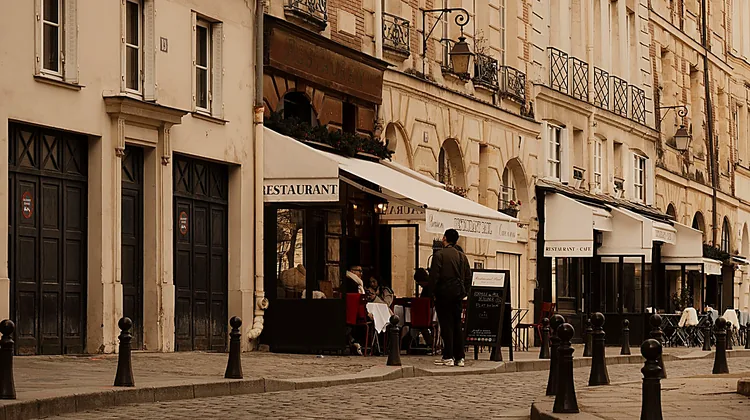
You are sitting in a small cafe with a good coffee and your map open on the table. Then a stranger pulls out the chair across from you, leans in, and starts talking. Nothing terrible has happened yet, but something in your chest tightens, and you are not sure what to say.
Most people who travel alone meet this moment at some point. Someone sits too close, asks for money, offers to buy you a drink, or simply will not take a small hint. The good news is that you do not have to become a tough or rude person to handle it well. You only need a few short lines you know by heart, a calm way of standing, and one clear plan for walking away.
Why Saying No Is a Simple Travel Skill
Saying no to a pushy stranger is not about being cold. It is about protecting your time, your money, and your safety while you travel on your own. When you are far from home, your energy is one of your most valuable things, and you get to decide who uses it.
Think about how often one small moment can change the shape of a day. In a cafe in Tokyo, a man may sit down at your table without asking and start chatting. On a busy station platform in Munich, someone may step in front of you with a clipboard, a sad story, and a hand held out. These moments are rarely dangerous, but they are tiring, and they pull you away from the trip you came to enjoy.
Here is the simple truth that makes all of this easier. You do not owe anyone a conversation. You can be kind and still be clear at the same time. You can smile, say one short sentence, and then go back to your coffee. There is no rule anywhere that says you must explain yourself, listen to a long story, or wait until someone finally takes the hint.
Why It Feels Rude, and Why It Is Not
Many of us grew up being told to be polite, to smile, and to avoid making other people uncomfortable. That training is useful in most parts of life, but on the road it can leave you stuck in a conversation you never wanted in the first place.
Try to remember one thing when your politeness kicks in. A stranger who walks up to you and starts talking has already decided to take your time without asking first. Saying no politely simply puts the choice back in your own hands, and that is fair and reasonable.
Start With One Short Sentence
A good first line is short, calm, and complete. Try "No thank you, I'm not interested," and then stop talking. Do not add reasons, do not apologise three times, and do not tell the story of where you are going and why. Every extra sentence you offer is another thread someone can pull on.
After you say your line, look away and pick up your bag. Turn your body a little toward the door, the counter, or the group of people nearby. Your calm tone and your moving feet together send one clear message, which is that the conversation is finished and you are leaving.
Practice It Before You Need It
Honest advice: say your phrase out loud before your trip. Say it in the shower, say it while you pack, and say it in your hotel room the night before. When the words are already in your mouth, they come out easily, and your voice stays steady instead of shaking.
This is a skill, not a personality type. Some people are naturally bold and some people are naturally quiet, and both of them can learn to say a calm no. The more often you do it in small, low-stakes moments, the faster it becomes a normal part of your day.
Three Easy Phrases That Work Almost Anywhere
You only need a few lines, and you can use the same one again and again. When someone keeps pushing, repeating the exact same sentence is often stronger than hunting for new words. It shows that your answer is not going to change no matter how long the conversation goes on.
The first phrase is "No thank you, I'm okay." It is friendly, it works in shops, on trains, and at cafe tables, and it does not invite a follow-up question. The second phrase is "Sorry, I can't help." That one is perfect for people holding a petition, a broken phone, or a request for money that you do not want to join. The third phrase is "I'm meeting someone, have a good day." This one is soft, it closes the door, and it gives you a polite reason to walk away.

If someone asks for your phone number, your email, or your social media, the answer is easy. You can say, "I don't share that, thanks." You do not have to explain why, and you do not have to offer something else instead. One kind sentence is enough.
If someone actually follows you, everything changes. This is the moment to skip the polite small talk and go straight to other people. Walk into a shop, a hotel lobby, or a cafe and speak to a member of staff. Say, "Someone is following me, can I stay here for a moment?" Staff deal with this more often than you might think, and most of them will help you without a second thought.
Small Scripts for Real Places
In a Montreal cafe, where people often work on laptops for hours, "No thank you, I'm working" fits perfectly and is easy to hear. On a crowded train platform, "Sorry, I can't help" is enough and needs nothing more. In a bar where someone offers to buy you a drink, "No thank you, I'm happy with what I have" keeps it light and final.
You can also use your surroundings as part of your answer. Pointing at your headphones, holding up your book, or saying "I'm just finishing up here" gives a clear picture that you are busy. Then put your headphones back on, look down at your page, and let the silence do the rest of the work.
The Repeat Trick That Ends Most Pushy Talks
Sometimes one no is not enough, and someone will ask again in a slightly different way. When that happens, do not change your words and do not get louder. Simply repeat the same sentence, word for word, in the same calm voice.
Hearing the exact same answer twice tells a person that you are not negotiating, you are not wavering, and you are not going to be worn down. Most people stop at this point, because there is nothing left to push against. If they still do not stop, that is your signal to stop talking altogether and start walking.
Let Your Body Say It Too
Your words do half of the work, and your body does the other half. Keep your voice calm and low, step back a little so you have space, and turn your shoulders slightly away. Scan the room for the exit, for the staff, and for other people nearby. None of this is rude, and all of it is clear.
Wear a zipped crossbody bag and comfortable shoes, so your hands stay free and you can move quickly without any fuss. When your bag is tucked against your side and your feet are ready, leaving a situation costs you almost nothing at all.
What to Wear for Calm, Quick Exits
Your clothes should help you feel steady, not distracted. When you are dressed in something you trust, you stand a little taller, and a calm no comes out more easily. The goal is simple, and it comes down to three things: pieces you can move in, a safe place for your things, and nothing that needs constant fixing.
Start with a soft cotton tee or a light button-up shirt. Add loose travel trousers that let you walk, sit, and climb stairs without pulling at your waist. Finish with supportive sneakers or closed sandals that are already broken in, so a long walk across town never turns into a problem for your feet.
In warm weather, choose breathable linen or cotton and keep a thin scarf in your bag for strong sun or for cold air conditioning on trains and in museums. In cool weather, add a thin wool layer and a packable rain shell over jeans or travel pants. Ankle boots that you have worn many times before are a good choice for wet streets and long days on your feet.
A small crossbody bag with a zipper keeps your phone, your card, and your keys close to your body, and it leaves both hands free. Try to avoid a big open tote, which is easy for someone to reach into and heavy on your shoulder after a few hours. Heavy shoes that rub your heels will also slow you down at exactly the moment you want to move.
Simple Outfits for Different Days
| Day type | What to wear | Why it works |
|---|---|---|
| Warm city day | Soft cotton tee, loose linen trousers, closed sandals, thin scarf | The fabric breathes, walking is easy, and your hands stay free |
| Cool morning, warm afternoon | Light button-up, thin wool layer, travel pants, sneakers | Layers come off as the day heats up, so you never feel stuck |
| Rainy or wet streets | Packable rain shell, quick-dry trousers, broken-in ankle boots, zipped crossbody bag | You stay dry and steady on slick ground |
| Travel day | Soft tee, stretchy trousers, slip-on sneakers, small backpack or crossbody | Comfortable for long waits on trains, planes, and platforms |
How to Reset Your Clothes and Your Calm
After a tense moment, a quick reset helps you feel fresh again. Your heart may still be beating fast, and that is completely normal. What you want is a small routine that brings you back to yourself, and a bathroom in any cafe will do the job.
Step inside, wash your hands and your face with cool water, and smooth your clothes. Take three slow breaths, and let your shoulders drop away from your ears. Look in the mirror, fix your hair, and remind yourself that you handled it and that you are fine.
Keep a few tiny things in your bag for exactly these moments. A small stain wipe, a mini deodorant, and a travel size wrinkle release spray can make a real difference in two minutes. If you are moving between hotels and your shirt feels tired, you can wash it in the sink with a little soap, roll it in a towel to press out the water, and hang it to dry overnight. A cotton tee usually dries by morning.
Your packing habits help here too. Roll your shirts and dresses instead of folding them flat, because rolls crease less and fit into small spaces. Unpack as soon as you arrive at a new room, even if you are only staying two nights, so your clothes can relax and so can you.
A Two-Minute Reset You Can Do Anywhere
- Find a bathroom, a quiet corner, or a shop with a mirror.
- Wash your hands and face with cool water.
- Smooth your shirt, straighten your bag, and check that the zipper is closed.
- Take three slow breaths and unclench your jaw and your hands.
- Decide your next stop before you step outside again.
Then order a coffee, sit near the staff or the window, and enjoy your own company again. One pushy stranger does not get to decide how your day goes. You had a moment, you handled it, and the rest of the afternoon is still yours to use however you like.
Your Quick Boundary Checklist Before You Go
Before you leave for the day, run through a short checklist in your head. It takes less than a minute, and it makes the whole day feel lighter and easier.
- Practice one clear phrase, such as "No thank you, I'm okay."
- Decide where you will go if someone follows you, like a hotel lobby, a busy shop, or a cafe counter.
- Sit near staff or near the door when you can, especially in a place you do not know yet.
- Keep your bag zipped and close to your body.
- Share your location with a friend or family member, and check in once a day.
- Trust your gut. If something feels off, you can leave without being polite first.
The last point is the most important one. Your body often notices a strange situation before your mind can explain it. If the back of your neck prickles, or you feel a strong wish to be somewhere else, listen to that feeling. Leaving early is not rude, and it is never an overreaction when it comes to your own safety.
Kind and Firm at the Same Time
You can be a warm, friendly traveler and still hold a clear line. Kindness does not mean saying yes to everything, and firmness does not mean being harsh or cold. When you speak calmly, keep your sentence short, and walk toward other people and light, you are doing both of those things at once.
Repeat your one short line if you need to, and then move. Walk toward the busiest part of the street, the open door of a shop, or the group of people waiting at a crossing. You do not need to look back, and you do not need to explain a single thing.
Saying no nicely is a travel skill, and like any skill, it gets easier the more you use it. Every calm no you say makes the next one simpler.
The best part is what this gives back to you. When you know you can handle a pushy stranger, you sit in more cafes, wander down more side streets, and stay out a little longer in the evening. The city opens up, because you are no longer worried about what you would say if something happened. You already know the answer, and it is one short, kind sentence followed by a steady walk away.
Frequently asked questions
✓ Kristina Mate
Founder & Lead Travel Editor · TravelStyleMate
Kristina is the founder and lead editor of TravelStyleMate. Over the past 8 years, she has explored 35+ countries across Europe, Asia, and the Americas—traveling almost exclusively with a single 40L carry-on bag. A dedicated solo traveler, she specializes in cobblestone-tested footwear, minimalist capsule packing formulas, and realistic transit logistics. Every packing rule, walking shoe, and itinerary on TravelStyleMate is personally tested on actual trips with real luggage constraints.
Testing Guarantee: Every packing rule, walking shoe, and transit route is personally tested with real luggage constraints. No paid rankings, no untouched gear, no AI fluff.
Related guides

What to Do on a Rainy Day Traveling Alone: Cozy Cafes and Good Books
Turn a rainy day alone into the best day of your trip. Find a cozy cafe, pack a tiny rain kit, and stay dry with simple tips that really work.

Easy Journal Prompts to Write Down During Your Morning Coffee
Turn a quiet morning coffee on your solo trip into a memory you can keep. Simple journal prompts, easy clothing tips, and a routine that takes ten minutes.

How to Beat the Scared Feeling You Get the Day Before a Solo Trip
A day-before scare is normal. Plan your first hour, pack one comfy outfit, keep your bag light, and calm your nerves with a simple checklist.