What to Do on a Rainy Day Traveling Alone: Cozy Cafes and Good Books
Turn a rainy day alone into the best day of your trip. Find a cozy cafe, pack a tiny rain kit, and stay dry with simple tips that really work.
 ✓

You wake up in a city you traveled a long way to see, and the sky is grey and dripping. The walk you planned is off, your shoes are already damp, and you are alone with a whole day in front of you. Here is the good news: with a small rain kit and a little quiet planning, this can turn into one of the best days of your whole trip.
Rainy Days Alone Are a Gift, Not a Wasted Day
Start by letting go of the guilt. When you travel alone, it is easy to treat every hour as something you have to fill, as if a slow afternoon somehow means you wasted your money and your vacation days. Rain takes that pressure off you completely, because nobody expects a person to walk across a city in a downpour.
A wet day gives you a free pass to slow down. You can sit in one warm room for three hours with a cup of coffee and a book, and that is not laziness. That is the kind of day you will actually remember when you get home, long after the photos of the famous bridge have blurred together in your mind.
There is a practical bonus too, because a rainy day alone is usually the cheapest day of a trip. You are not paying for three museum tickets, a taxi across town, and a rushed lunch in a restaurant full of tour groups. You are paying for one coffee, one bowl of soup, and maybe a single ticket to somewhere dry, and you come home with more money in your pocket and a warmer feeling about the city.
The night before, open your weather app and read the hourly forecast instead of the daily summary. Then pick two things and write them down on your phone: one dry anchor and one cafe. A dry anchor is simply a place where you can spend an hour or two out of the wet, such as a small museum, a covered market, a cinema, a public bath house, a library, or a church with thick stone walls and a quiet corner to sit in.
If the morning looks light, do your walking then and save the cafe for the heavy afternoon. Rain usually arrives in waves rather than as one long curtain, and those short breaks are perfect for a quick walk to the next warm room. You do not need a complicated plan, because you only need one indoor place to land.
Keep a tiny rain kit in your day bag so the weather never gets to decide your day for you. Mine fits in a small pouch, and it has saved more afternoons than I can count.
- A folding umbrella is worth carrying, and it should be small enough to sit in a side pocket of your bag.
- A thin, packable rain shell with a hood will keep your head and shoulders dry when the wind picks up.
- One spare pair of socks in a ziplock bag is the single most useful item on this list.
- A small power bank matters more than you would think, because cold weather drains your phone faster than you expect.
- One paperback book means you always have something to do that does not need a signal or a battery.
Traveling alone is a real advantage on days like this. There is nobody to negotiate with when you decide to stay for one more coffee, and there is nobody sighing because they wanted to see a palace instead. In a Tokyo kissaten, you can sit at a wooden counter in near silence while the rain runs down the window. On a Copenhagen side street, you can tuck into a warm corner with a cinnamon bun and watch the bicycles splash past. In a Montreal corner cafe, you can stretch one latte into a whole grey afternoon and nobody will rush you.
How to Find a Cafe You'll Actually Want to Stay In
Walk one block off the main street or the main square, and everything changes. That single turn usually drops the prices, the noise, and the menus with photos and translations into five languages. The places where locals sit for an hour are almost never the ones facing the square with a sandwich board outside.
Then run a quick ten-second check through the window before you open the door. Look for warm lighting, a few people reading or working quietly, wooden tables, a plant or two, and someone behind the counter who looks calm and unhurried. If the music is thumping and the seats are plastic, keep walking, because there is no shame in it and the next door is usually better.
A Simple Routine for Picking a Cafe
- Leave the main square behind you and walk one block in any direction.
- Walk past the first cafe you see, because it is almost always the busiest and the most expensive.
- Pick the second or third one you pass, especially if it looks a little ordinary from outside.
- Order something warm before you sit down, since a place feels different once you are a paying guest.
- Ask about wifi, free refills, and what time they close, all in one friendly question.
- Take a seat near the window rather than near the door, where every person brings cold air in with them.
- Buy something small every hour or so if you plan to stay a long time, even if it is only a biscuit.
- Give up your table when the lunch rush begins, then come back later if you want to.
In cities like Edinburgh or Seattle, a cafe with bookshelves along the back wall is usually a safe bet, because the owners are telling you something about how long they want you to stay. In most of the world the same rule applies, so if there are books, board games, or regulars who greet the staff by name, you have found the right room.
If you are not sure where to go, ask someone who lives there, and ask it simply. A question like 'Where would you go on a wet afternoon?' gets a far better answer than 'Where is a good cafe?', because it invites a personal recommendation instead of a tourist default.
If you are alone and would not mind a little company, sit at the counter instead of a table. You can chat with the barista or the person next to you if you feel like it, and you can pull out your book and disappear if you do not.

A dry table, a good book, slow afternoon.
What to Wear and Carry So Rain Doesn't Ruin the Day
The goal is to dress for two places at the same time, because you will spend your day walking through wet streets and sitting in warm, heated rooms. Clothes that only work outside will leave you sweating the moment you sit down, and clothes that only work indoors will leave you cold the moment you step out again.
Start with a plain cotton or thin wool shirt, then add a light sweater, then finish with a packable rain shell that has a hood. The shell is the important piece, because you can peel it off the second you sit down and shake it out in the doorway. Underneath, quick-drying pants will serve you far better than heavy jeans, which can stay damp against your legs for hours and make a whole afternoon feel miserable.
For shoes, pick ankle boots with grippy soles or trail sneakers, and wear wool socks rather than cotton. Cotton socks hold water like a sponge and give you cold feet within minutes, while wool keeps some warmth even when it is wet. Carry your bag across your body and tuck it under your rain shell so your book, your phone, and your passport stay dry.
| Part of your outfit | What to choose | Why it works on a wet day |
|---|---|---|
| Base layer | Plain cotton or thin wool shirt | It keeps you cool inside a heated cafe without feeling cold outside. |
| Middle layer | Light sweater or thin fleece | You can take it off when the room gets warm and put it back on when you leave. |
| Outer layer | Packable rain shell with a hood | It folds into your bag and shakes dry quickly in a doorway. |
| Pants | Quick-drying travel pants | They dry fast and never feel heavy and cold against your legs. |
| Shoes | Ankle boots or trail sneakers with grip | Wet cobblestones and painted road lines are slippery, so grip matters more than style. |
| Socks | Wool, plus one spare pair in a ziplock bag | Wool stays warm when damp, and dry socks can rescue an entire afternoon. |
| Extras | Thin scarf and a small packable tote | The scarf blocks wet wind, and the tote keeps your purchases separate and dry. |
A thin scarf is worth its weight on a wet day, because rain rarely comes alone and the wind that follows it sneaks along rivers and between tall buildings. Toss a small packable tote or dry bag into your day bag as well, so anything you buy stays separate from your dry book and your phone.
If the rain is truly relentless, stop fighting it and lean into it instead. Book a long lunch in a place with tablecloths, buy a ticket to an afternoon film, or spend two hours in a thermal bath or a sauna. A soaking-wet walk through a museum district is nobody's idea of a good time, but a hot bath followed by a slow dinner is a story you will tell for years.
Wet Clothes, Wrinkles, and the Book You'll Finish Today
Damp clothes only become a problem if you leave them in a heap, so deal with them as soon as you get back to your room. Hang your wet jacket or shirt on a bathroom hook with the bathroom door open, and let moving air do the work overnight. Laying things flat on a radiator dries them unevenly and can leave marks, so keep a little space around each item instead.
For small sink washes, add a few drops of hand soap to lukewarm water, rinse the item well, and then roll it tightly in a dry hotel towel. Press down on the roll with your knee, unroll it, and hang the item up, because that press takes out most of the water and things are usually dry by morning. It is a simple trick, and it works on everything from socks to a light shirt.
Wrinkles are easy to soften too. A travel-size wrinkle-release spray helps, but hanging a shirt in a steamy bathroom while you take a hot shower works nearly as well. Rolling your clothes tightly instead of folding them also keeps creases to a minimum, and it saves space in your bag at the same time. Keep your wet socks and your wet umbrella in a separate plastic bag so nothing else in your luggage gets damp.
Now for the best part of a rainy day alone, which is the book. Carry one paperback that you can put down easily, the kind of book you can read in short bursts between cups of coffee. Load two or three more onto your phone through a library app, so you always have a backup if the paperback does not hold your attention.
When you finish a book on the road, leave it behind on purpose. Hostels often have a shelf where travelers swap books, and many cafes keep a small stack by the window for exactly this reason. Taking one book and leaving another is a quiet tradition among people who travel alone, and it costs you nothing at all.
Between showers, a short walk to the next warm room is the whole plan. You do not need a list of sights, and you do not need to be productive. You only need a dry seat and something good to read.
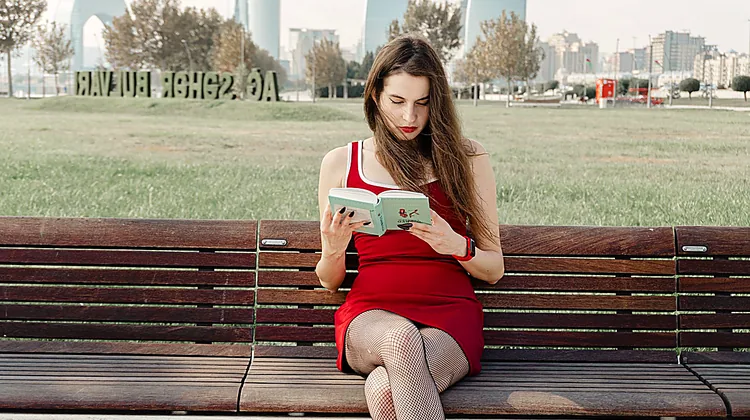
Between showers, a short walk to warm up.
Your Simple Rainy-Day Checklist
Before you leave your room, take two minutes to set the day up properly. It is the difference between drifting aimlessly through the wet and having a genuinely lovely afternoon.
- Check the hourly forecast, not just the daily summary.
- Save three cafes on your phone map, all within walking distance of each other.
- Charge your power bank and your phone before you go.
- Download your book and your offline maps, in case the signal is patchy.
- Pick one dry anchor, so you always have somewhere to land.
What Goes in Your Bag
| Item | Why you will be glad it is there |
|---|---|
| Folding umbrella | You can step out between showers without waiting for a shop to open. |
| Packable rain shell | It keeps your top half dry and folds away in seconds once you are inside. |
| Spare socks in a ziplock bag | Dry socks can turn a miserable afternoon into a comfortable one. |
| Thin scarf | It blocks the wet wind that follows the rain along rivers and narrow streets. |
| Small towel | You can dry a bench, a cafe chair, or your own face and hands. |
| One paperback | It gives you something to do that needs no battery and no signal. |
| Small power bank | Cold air drains your phone faster than you think it will. |
When the rain starts, pick one dry anchor, one cafe, and one meal you are genuinely excited about, and then stop planning altogether. Stay warm, tip well, and buy a second coffee without feeling guilty about it, because nobody is timing you and nobody is keeping score.
If the rain keeps going into the evening, do not force yourself back out. Order food to your room or eat somewhere two minutes from your door, take a long hot shower, and read until you fall asleep. Slow evenings are part of the same day, and they cost almost nothing.
That is the whole trick, and it is why a rainy day alone is never a lost day. It is the day you finally finish your book, dry out your socks, and remember exactly why you came.
Frequently asked questions
✓ Kristina Mate
Founder & Lead Travel Editor · TravelStyleMate
Kristina is the founder and lead editor of TravelStyleMate. Over the past 8 years, she has explored 35+ countries across Europe, Asia, and the Americas—traveling almost exclusively with a single 40L carry-on bag. A dedicated solo traveler, she specializes in cobblestone-tested footwear, minimalist capsule packing formulas, and realistic transit logistics. Every packing rule, walking shoe, and itinerary on TravelStyleMate is personally tested on actual trips with real luggage constraints.
Testing Guarantee: Every packing rule, walking shoe, and transit route is personally tested with real luggage constraints. No paid rankings, no untouched gear, no AI fluff.
Related guides
Easy Journal Prompts to Write Down During Your Morning Coffee
Turn a quiet morning coffee on your solo trip into a memory you can keep. Simple journal prompts, easy clothing tips, and a routine that takes ten minutes.
How to Beat the Scared Feeling You Get the Day Before a Solo Trip
A day-before scare is normal. Plan your first hour, pack one comfy outfit, keep your bag light, and calm your nerves with a simple checklist.
The Joy of Sitting Outside at a Cafe and Watching the City Go By
Learn how to choose a good outdoor cafe seat, dress for slow sitting, order without rushing, and keep your travel clothes fresh on a long solo trip.