Loafers or Sneakers: Which Shoes are Better for Walking on Old Streets?
Loafers or sneakers for old cobblestone streets? Here is how to choose, break them in, and keep your feet really happy on long walking days.
 ✓
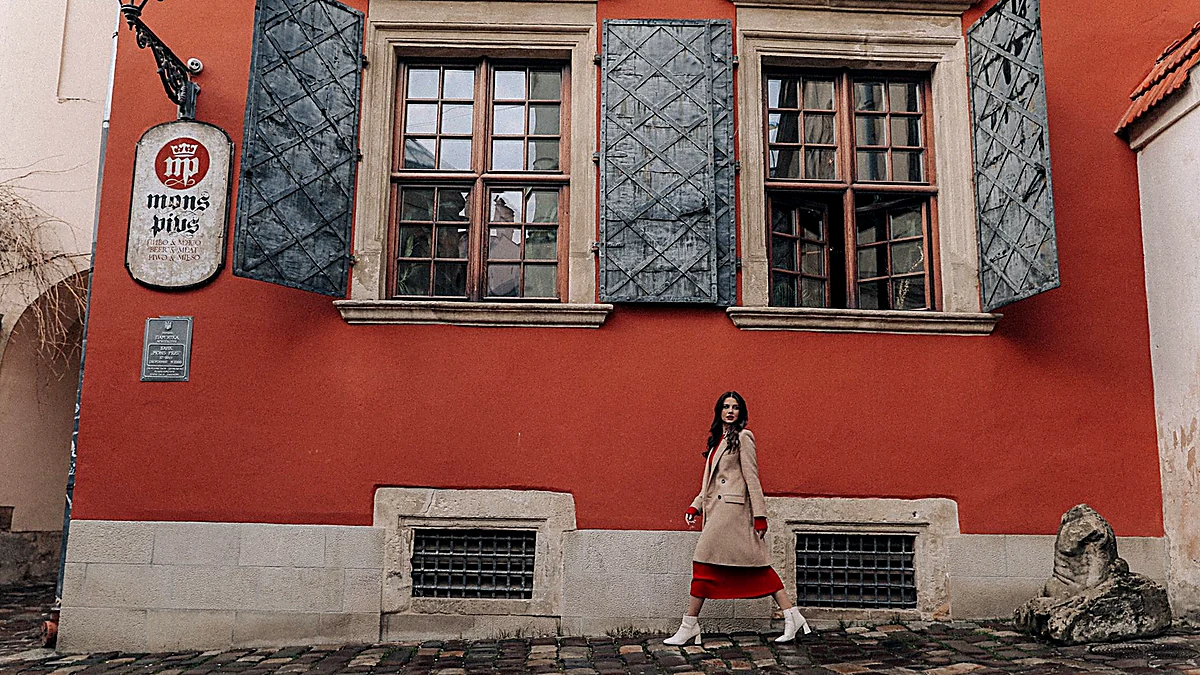
Most travelers pack the wrong shoes for old cities, and they notice around hour three, standing on a cobblestone square with sore heels and nowhere to sit. Choosing between loafers and sneakers is much simpler than it looks once you know what old streets actually ask of your feet.
Why Old Streets Are Hard on Your Feet
Old streets look gentle in photographs. In person, they are a quiet workout. The stones in Florence are uneven and worn smooth by centuries of footsteps, and many of them tilt just enough to roll your ankle if you are not paying attention.
Kyoto mixes flat paving with sudden wooden steps into temples and small shrines. Edinburgh hands you steep, wet slopes without warning. Copenhagen's tidy sidewalks hide slippery granite under a thin layer of rain. None of these cities is unkind to walkers, but none of them is a shopping mall either.
What makes old streets hard is not one big obstacle. It is a hundred small ones spread across a whole day. Your foot lands on a stone that leans a little to the left, then a gap catches the edge of your sole, then you climb two shallow steps into a shop and come back down again.
The surfaces themselves are not all the same. Some lanes are built from small rounded stones that shift under your weight, while others use wide flat slabs that get glossy when it rains. A single city often has both, and you will walk on dozens of small variations before lunch.
The real question is not whether a shoe looks good. The real question is how your feet feel after four or five hours of this. That is when thin soles start sending every bump up through your heels, and smooth bottoms begin to slide on wet stone.
If you have ever typed "are loafers comfortable for walking all day" into your phone at midnight, you are not alone. The honest answer is that it depends on three things: the loafer itself, the socks you wear with it, and how much ground you plan to cover.
What Your Feet Are Really Doing All Day
Walking on old streets is not one simple motion. Your feet are busy the whole time, and each job puts pressure on a different part of the shoe.
- Your toes grip and push off constantly, so a shoe that squeezes them will hurt by lunchtime.
- Your heels absorb hundreds of small shocks, so a thin sole with no padding tires you out faster than you expect.
- Your ankles make tiny balance corrections on uneven stones, which is why a loose shoe feels unsteady.
- Your skin rubs against every seam and edge, so a stiff leather shoe can wear a blister before you even sit down for coffee.
None of this means you need serious hiking boots for a city break. It simply means the shoes you bring should be able to grip, cushion, and breathe at the same time.
A pair of shoes that fits well will not make an old city flat. It will make the day feel shorter, and that is worth more than any outfit.
Loafers vs Sneakers: A Simple Side-by-Side Test
Sneakers usually win for long walking days, and it is not a close contest. Modern sneakers have soft foam cushioning, grippy rubber tread, and a shape that lets your toes spread out naturally with every step.
A well-made leather loafer with a flexible rubber sole can absolutely work for a short city day, a nice dinner, or a relaxed museum afternoon. The trouble starts with classic loafers that have thin soles and smooth leather bottoms, because those two things struggle badly on wet cobblestones.
So for the loafers versus sneakers in Europe question, the easiest way to think about it is this. Sneakers are your daily workhorse, and loafers are your smart backup. You do not have to choose one forever, and most experienced travelers bring both when a trip is longer than a weekend.
| What You Need | Loafers | Sneakers |
|---|---|---|
| Cushioning for long days | Usually thin, unless you add insoles | Thick foam in most models |
| Grip on wet stone | Depends on the sole, and smooth leather slips | Rubber tread grips well |
| Room for your toes | Snug by design | Roomy in knit and mesh styles |
| Looking smart at dinner | Excellent | Good if you pick a clean leather pair |
| Drying after rain | Leather needs a full day | Knit dries faster, leather takes longer |
The only way to know how a shoe behaves is to wear it for real distance before you leave home. Take both pairs out for three long walks of an hour or more, ideally on pavement, gravel, and any uneven ground you can find nearby.
Pay attention to the small signals. If your heel lifts when you walk, the shoe is too loose. If your toes touch the front on a downhill stretch, the shoe is too short. If you feel a hot spot forming, that is exactly where a blister will appear on day two of your trip.
How to Break In a New Pair of Loafers
Leather loafers rarely feel perfect on the first day, and that is normal. A little patience at home saves you a lot of pain on the road.
- Wear them around the house for twenty minutes at a time, then build up to an hour.
- Walk on pavement outdoors for a few short trips before you try a full day.
- Use a shoe tree or rolled socks between wears so the leather keeps its shape.
- Add a thin insole if the sole feels flat, and remove it if the shoe gets too tight.
- Stop wearing them the moment a blister starts forming, and give your skin a day to recover.
A soft leather upper will stretch slightly and mold to your foot within a week or two. Synthetic materials and stiff soles often will not, so a cheap pair that hurts on day one usually still hurts on day thirty.
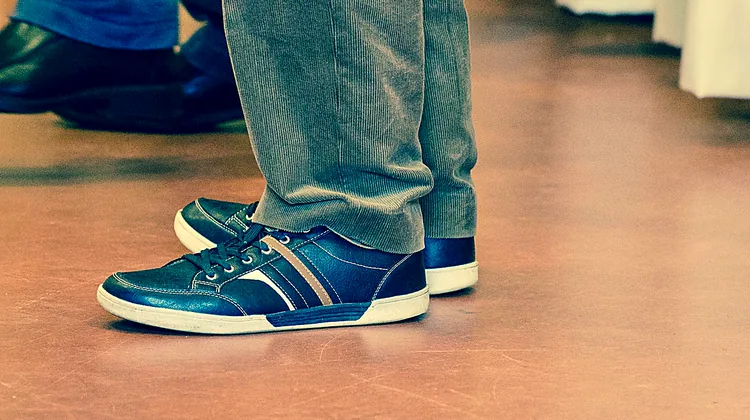
Matching Shoes to Your Day, Outfit, and Weather
Not every travel day is the same, so your shoes do not have to be either. Once you have two good pairs broken in, you can match them to the plan instead of guessing in the morning.
Full Walking Days
For a day of churches, markets, train stations, and long walks between neighborhoods, choose cushioned sneakers in breathable knit or soft leather. This is the day you might cover ten thousand steps before dinner, and you will be grateful for every bit of padding under your heel.
Leave the loafers in the hotel on these days. It is tempting to look sharp in every photo, but nobody notices your shoes in a picture of a fountain when you are limping.
Slower, Dressier Days
For a slower day of cafes, galleries, a long lunch, and an evening out, a broken-in loafer looks polished and feels fine. Loafers pair beautifully with cropped pants, a simple dress, or light wool trousers.
Just keep the walking between stops short. A loafer is happiest on flat pavement and polished museum floors, not on a five-kilometer walk through a hillside town.
Weather Changes Everything
If rain is likely, think about the bottom of the shoe before anything else. A sneaker with rubber grip handles wet stone well, and so does a loafer with a textured rubber sole or a treaded finish.
Smooth leather soles on wet cobblestones are genuinely unsafe, and they also soak up water at the seams. In cool weather, a thin wool sock keeps your feet warm and dry, and it also reduces rubbing inside the shoe.
Socks Matter More Than You Think
Socks are the cheapest way to fix an uncomfortable shoe. Thin wool socks work well in cool weather and stay warm even when slightly damp, while no-show socks keep sneakers comfortable in summer heat.
Avoid thick cotton socks on long walking days, because they hold moisture against your skin and that is exactly how blisters start. Merino wool blends feel cool in summer too, and they dry quickly after a hand wash.
| The Day You Have Planned | Shoe to Wear | Sock to Wear |
|---|---|---|
| Museums, cafes, and a nice lunch | Broken-in loafers | Thin cotton or light wool |
| Ten thousand steps across the old town | Cushioned sneakers | Thin wool or a wool blend |
| Rain expected all afternoon | Sneakers with rubber grip | Wool, plus a spare pair in your bag |
| Dinner at a dressier restaurant | Leather sneakers or clean loafers | No-show socks |
| Travel day with trains and stations | The heavier, more supportive pair | Whatever you already know works |
A clean leather sneaker is a smart middle path for dressier dinners. It gives you the comfort of a walking shoe with a look that fits almost any restaurant you would want to visit on a trip.
What About Boots, Sandals, and Flats
Boots can be wonderful in cool weather if they are already broken in and have a rubber sole with real tread. Sandals are fine for hot, dry cities, but they offer very little protection on loose stones and rough steps.
Thin ballet flats are the hardest shoes to walk in for long distances. If you love them, save them for a short evening out and keep a more supportive pair in your bag.
Keeping Shoes and Clothes Fresh on the Road
Two pairs is usually the right number for a trip longer than a few days. Pack one pair of walking sneakers and one pair of loafers, then wear the heavier pair on travel days when you will mostly be sitting on planes and trains.
A small kit makes a big difference. Bring blister patches, a compact shoehorn if your shoes are snug, and one spare set of insoles. Swapping insoles halfway through a long trip can make an older pair of shoes feel new again.
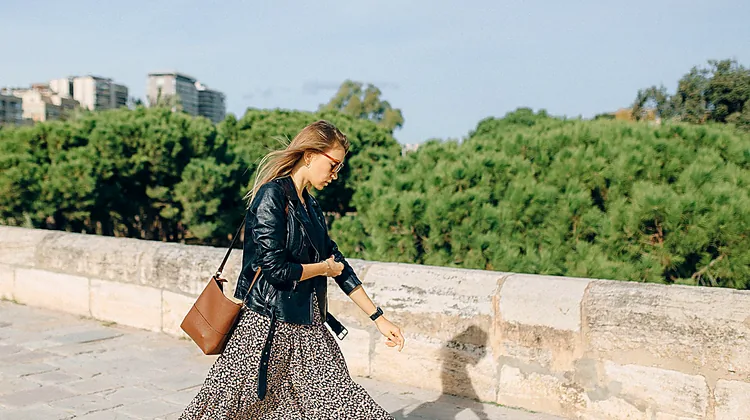
Simple Evening Shoe Care
- Pull the insoles out at night and let them air near a window, away from direct heat.
- Stuff the shoes with rolled socks or newspaper to hold their shape and soak up moisture.
- Wipe dust off leather with a soft cloth, and let wet shoes dry slowly at room temperature.
- Never dry shoes on a radiator or with a hair dryer, because heat cracks leather and flattens foam.
Rotating between two pairs gives each one a full day to dry. That single habit keeps shoes from smelling, keeps cushioning from squashing flat, and keeps your feet healthier over a two-week trip.
If Your Shoes Get Soaked
Rain happens, even on a carefully planned trip. When your shoes get wet, loosen the laces, take out the insoles, and let everything dry in open air instead of near a heater.
Stuffing damp shoes with dry newspaper for an hour or two pulls a surprising amount of water out of the lining. Change the paper once or twice, and by morning the shoes are usually ready for another day.
Quick Laundry for Socks and Small Things
Socks, underwear, and thin t-shirts wash easily in a hotel sink with a little gentle soap. Rinse them well, roll them in a towel to press out the extra water, and hang them somewhere with moving air.
They will usually be dry by morning if the room is not too humid. This one habit lets you pack fewer socks, which means more room in your bag for the shoes that actually keep your feet comfortable.
For wrinkles in a shirt or a dress, hang it in the bathroom while you take a hot shower. The steam relaxes the fabric, and a few minutes of gentle pulling smooths most travel creases without an iron.
Your Quick Checklist for Old-Street Travel
Everything in this guide comes down to a short list you can run through the night before you leave. It takes about ten minutes and saves you a lot of pain.
- Walk at least five miles at home in each pair you plan to bring.
- Choose sneakers for long, uneven days and loafers for shorter, smarter days.
- Pack socks that prevent rubbing, and skip thick cotton for long walks.
- Bring a few blister patches, a spare pair of insoles, and a small bag for dirty shoes.
- Check the soles for grip, and leave smooth leather soles at home if rain is likely.
- Wear the heaviest pair on travel days to save space and weight in your bag.
- Aim for two pairs in total, so each one gets a full day to dry and air out.
If your feet start hurting in the afternoon, swap your shoes the next day instead of changing your plans. A small change in footwear usually fixes more than a big change in itinerary.
Old streets are one of the best parts of travel. They are where the bakeries are, where the quiet corners are, and where the best photos happen by accident. Comfortable feet make those streets feel smaller and the days feel easier, so choose the shoes you can trust and leave the rest at home.
Frequently asked questions
✓ Kristina Mate
Founder & Lead Travel Editor · TravelStyleMate
Kristina is the founder and lead editor of TravelStyleMate. Over the past 8 years, she has explored 35+ countries across Europe, Asia, and the Americas—traveling almost exclusively with a single 40L carry-on bag. A dedicated solo traveler, she specializes in cobblestone-tested footwear, minimalist capsule packing formulas, and realistic transit logistics. Every packing rule, walking shoe, and itinerary on TravelStyleMate is personally tested on actual trips with real luggage constraints.
Testing Guarantee: Every packing rule, walking shoe, and transit route is personally tested with real luggage constraints. No paid rankings, no untouched gear, no AI fluff.
Related guides
How to Keep Your Leather Shoes Clean and Dry in Rainy Cities
Protect leather shoes from rain with a small care kit and two simple habits, so they stay soft, dry, and comfortable on long wet city walks.
How to Stop Foot Pain After Walking All Day on Hard Stone Streets
Hard stone streets beat up your feet fast. Here is the simple shoe, sock, and evening routine that stops the ache and keeps you walking all day.
Dressy Flat Shoes That Look Nice at Dinner After Walking All Day
Pretty flat shoes that survive a full day of walking and still look right at dinner. What to check before you buy, plus easy outfits and care tips.