Lyon Spring Style: Rain-Proof Packing for Food & Transit
Pack light for Lyon in spring: quick-dry layers for drizzle, cobblestones and tram seats, plus shoes and outfits that work for long bouchon lunches.
 ✓
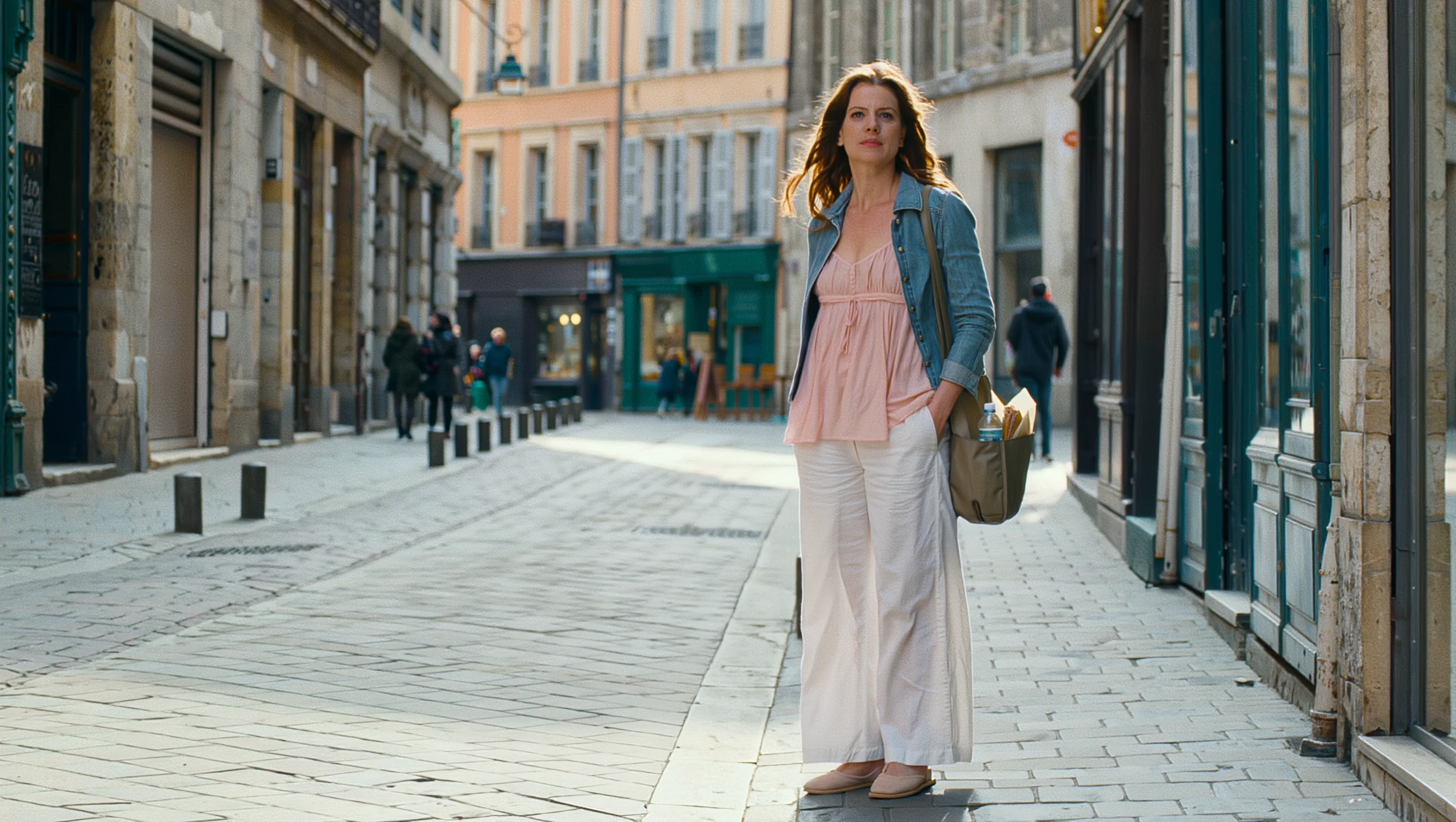
You leave a small hotel near Place Bellecour at half past eight, and the morning air feels soft and grey. By one in the afternoon you are sitting on a café terrace in a light linen shirt with your sleeves rolled up. By seven, standing on a stone street near the river, you are pulling your collar tight while cold drizzle runs off the edge of your umbrella, and you are very glad you packed that one extra thin layer. That is what spring in Lyon does. It is not one kind of weather, so packing for it is not about fancy gear. It is about a small set of clothes that dries fast, handles drizzle, and still looks neat enough for a two-hour lunch in a bouchon.
What Lyon Spring Weather Really Feels Like
A spring day in Lyon usually arrives in three parts. The morning is misty and mild, often somewhere around 8°C to 11°C, with fog sitting low over the rivers and the bridges half hidden behind it. The afternoon warms up to about 15°C to 18°C, and when the sun comes out you will see people eating outside in shirtsleeves. Then the evening turns cold and damp again, and the damp air does something the number on your phone never shows you: it makes 12°C feel closer to 7°C.
The rain here is usually drizzle rather than drama. You rarely get a loud storm with sheets of water. What you get is fine, steady mist that soaks through your shoulders over forty minutes and then stops as if nothing happened. That is exactly why a heavy raincoat is the wrong answer for this city. It is hot to walk in, it takes up half your bag, and by the time you sit down to lunch you are sweating inside it.
Think three thin layers you can peel off one at a time, not one thick layer you are stuck with all day.
The base layer should be a thin merino top or a quick-dry shirt that sits against your skin and moves sweat away from it. Over that, a light cotton or linen shirt works well, because it is what people see when you walk into a café or a shop. On top, a packable rain shell with a hood does the real work. A good one folds into its own pocket and takes up about as much room as a folded newspaper, so it can live at the bottom of your bag every single day without you noticing it.
One thin knit cardigan or a light quilted vest earns its place too, especially for evenings near the river. Add thin wool socks and a scarf, and you can handle a cold ten o'clock walk back from dinner without shivering the whole way. Please skip thick cotton hoodies. Cotton holds water, so once a hoodie gets caught in the drizzle it stays damp for a full day and smells like a wet towel by evening.
One small habit makes the whole trip easier. Look out of the window before you decide what to do first. If the fog is thick and low, start indoors at a covered market hall, take your time over a coffee, and save the riverside walk for the afternoon. If the sky is clear at breakfast, do the walking in the morning and keep the market for later, because the drizzle often comes back around dinner.

Build a Tiny Capsule That Handles Rain and Long Café Lunches
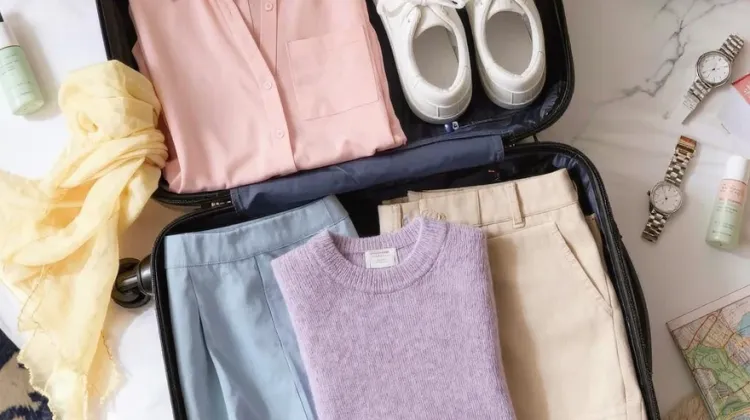
Aim for six tops, three bottoms, and two pairs of shoes. That sounds small, and it is, but it is genuinely enough for a week when every piece works with every other piece. Soft pastel colors fit Lyon beautifully, because the city itself is full of pale pinks, butter yellows, and faded blues, so you look like you belong there rather than like a visitor in hiking clothes.
Before you zip anything shut, lay every piece flat on the bed and take a photo with your phone. Then pick each item up and ask one simple question: does this match at least three other things here? If the answer is no, leave it at home. That one minute of checking saves you from carrying a bag full of clothes you never wear.
| Group | What to bring | Why it works |
|---|---|---|
| Tops | Two light linen shirts, two soft cotton tees, one thin merino long-sleeve, one light button-up | Dry overnight and layer easily |
| Bottoms | One dark straight-leg trouser, one cropped chino, one midi skirt or simple dress | Dark bottoms hide rain splashes |
| Outerwear | One packable rain shell with a hood, one thin cardigan or quilted vest | The shell folds down to the size of a fist |
| Shoes | One broken-in walking shoe, one clean low sneaker or flat | Two pairs is the limit, and it is plenty |
| Small things | Folding umbrella, crossbody bag that zips, scarf, two pairs of thin wool socks | Keeps your hands free and your phone dry |
The fabric inside each piece matters far more than the number of pieces. Quick-dry blends, merino, and light linen all dry overnight in a hotel room. Heavy denim, thick fleece, and chunky cotton knits do not, and they also weigh a lot. If you are torn between two shirts, choose the lighter one almost every time.
The three-outfit test
When the flat lay looks right, try to build three complete outfits from it without repeating a top. One should work for a museum morning, one for a market run, and one for a long dinner. If you can do that, you have packed well. If you cannot, you probably have four versions of the same shirt and nothing to wear with them.
Everything above should fit in a carry-on with room to spare. Leave that spare room empty on the way there, because you will want it on the way home. A wedge of cheese, a box of praline tarts, and a bottle of Beaujolais add up faster than you think, and you will be glad you did not fill every corner with clothes.
Shoes and Outfits for Wet Cobblestones, Trams, and Bouchon Dinners
Lyon is a walking city, and much of it is uneven. The lanes of Vieux Lyon and the slopes of Croix-Rousse are made of old stone that turns slick in the rain, the metro entrances come with long staircases, and the tram tracks near the stops get slippery when they are wet. Your shoes are the one thing on this trip that can genuinely ruin a day, so give them more thought than anything else in your bag.
Bring two pairs and only two. The first pair should be a comfortable leather or waterproof walking shoe with a grippy rubber sole, and you should break it in at home for at least a week before you fly. The second pair can be a clean, low-profile sneaker or a simple flat that looks tidy enough for dinner. Please avoid brand-new shoes, thin ballet flats, and anything with a smooth leather sole, because wet cobblestones will humble all three of them in about ten minutes.
| When | What to wear | Why it works |
|---|---|---|
| Museum morning | Linen shirt tucked into dark trousers, walking shoes, light scarf | Cool stone floors, and you can peel the scarf off later |
| Market run | Cotton tee under the rain shell, cropped chinos, low sneakers | Both hands free for bags, and it dries fast |
| Long bouchon lunch | Midi dress or light trousers, cardigan, clean sneaker or flat | You will sit for two hours, so keep the waistband easy |
Socks matter more than most people expect. Thin wool socks keep your feet warm even when they get slightly damp, and they dry much faster than thick sports socks. Pack two or three pairs and leave the big fluffy ones at home, because they take a full day to dry and make your shoes fit tightly.
If your feet are cold and wet, nothing else about the day feels good, no matter how nice the rest of your outfit is.
For a long lunch in a bouchon, think about how you will feel after two hours of sitting, a plate of something rich, and a glass of wine. Loose waistbands and soft fabrics win every single time. This is also the moment your second pair of shoes earns its place, because changing out of the walking shoes you wore all morning makes dinner feel like a proper evening rather than the end of a long hike.
Staying Dry on Metro Stairs, Trams, and Riverside Walks
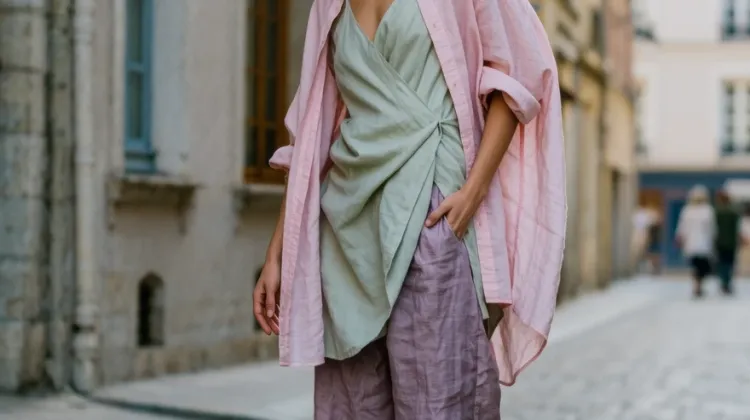
A small folding umbrella beats a large one, mostly because it fits back inside your bag when the sun comes out ten minutes later. Pair it with a rain shell that has a hood and you have a backup plan for windy days, when an umbrella would just flip inside out. On those days, the hood alone is usually enough.
- Wear your crossbody bag across your body and under your jacket, so your phone, tickets, and wallet stay dry and your hands stay free for a coffee.
- Keep paper tickets and receipts in a small zip pouch. Damp pockets turn paper into mush surprisingly quickly.
- Check the live transit app before you leave a café, so you are not standing on an open platform in the rain waiting for a tram that is ten minutes away.
- Duck into a covered passage or a museum lobby instead of waiting at an open stop. There are covered walkways in the old town, and they are a nice place to wait out a shower.
- Carry a small microfiber cloth to wipe your glasses and your phone screen. It costs almost nothing and you will use it every day.
- Take the metro stairs slowly when they are wet, and use the handrail. The stone steps near the busiest stations get polished and slick.
- When you get back to your room, hang the rain shell on the back of a chair instead of laying it on a radiator. Heat damages the water-repellent coating, and a chair lets the air reach both sides.
One more thing worth knowing: the riversides are beautiful after rain, but the paths along the water hold the cold air longer than the streets do. If you plan an evening walk near the Rhône or the Saône, take the cardigan and the scarf, even if the afternoon felt warm.
Washing Small Loads in a Sink and Beating Wrinkles
When every piece dries overnight, you can wash every three or four days and travel with about half the clothes you would normally bring. The routine is simple, and once you have done it twice it takes about fifteen minutes.
- Fill the sink with cool water and add a few drops of travel detergent, or half a detergent sheet.
- Soak your tees, socks, and base layers for about ten minutes. That is long enough to lift out the day's sweat and dust.
- Squeeze everything gently with your hands. Never scrub hard, because that stretches thin knits and roughens linen.
- Rinse until the water runs clear. Soap left in the fabric is what makes clothes smell sour the next day.
- Press each piece flat into a dry towel, then roll the towel tightly. The towel pulls out most of the water, which cuts drying time in half.
- Hang everything on the shower rail or a small travel clothesline. Merino and light blends will be dry by morning.
For wrinkles, hang the item in the bathroom while you take a hot shower. The steam relaxes the creases without any ironing at all. If a shirt still looks creased, spritz it lightly with water and smooth it flat with your hands before you hang it up. A small bottle of wrinkle-release spray is worth the space if you have a nice dinner planned, and it also helps with linen, which creases the moment you look at it.
Two warnings here. First, never wash anything with a waterproof coating in hot water or with strong soap, because it strips the finish and the fabric stops keeping rain out. Second, use one detergent sheet per wash rather than a bottle of liquid. Sheets are lighter, they never leak in your bag, and there is no measuring involved.
What to Leave at Home
Half of packing well is deciding what stays behind. These are the things that feel sensible at home and become annoying on the third day of a trip.
- Thick cotton hoodies and heavy fleece, because they hold water and take a full day to dry.
- A heavy denim jacket, for the same reason, and because it weighs more than three lighter layers.
- A large umbrella, which you will leave in the room because it does not fit in your bag.
- More than two pairs of shoes, unless one of them is for a specific plan you have already booked.
- Dark jeans you cannot wash in a sink, if you are only away for a week.
- A separate outfit for every day, which is the most common packing mistake of all.
If you are unsure about something, put it in a small pile by the door and leave it there for a day. If you do not reach for it, you will not miss it in Lyon either.
Packing It All in One Carry-On
Roll your soft clothes like shirts and tees, because rolled fabric creases less and fits into odd spaces. Fold anything with a collar or a structured shape and lay it flat on the bottom. Put your rain shell and umbrella on top, near the lid, so you can reach them without unpacking the whole bag. Shoes go in at the bottom, heel to heel, with socks and small items stuffed inside them.
Keep one small pouch for charging cables, a microfiber cloth, detergent sheets, and a spare zip bag. Everything else can wait until you get to your room. Then, when you arrive, do not unpack the whole suitcase. Hang the things that crease, leave the rest rolled, and you will find that getting dressed each morning takes about thirty seconds.
Spring in Lyon rewards light packers. You will walk more, sit longer over lunch, and stop worrying about the weather once you have the right few things on your back. The city gives you fog, sun, and drizzle in the same afternoon, and a small, smart bag lets you enjoy all three.
Frequently asked questions
✓ Kristina Mate
Founder & Lead Travel Editor · TravelStyleMate
Kristina is the founder and lead editor of TravelStyleMate. Over the past 8 years, she has explored 35+ countries across Europe, Asia, and the Americas—traveling almost exclusively with a single 40L carry-on bag. A dedicated solo traveler, she specializes in cobblestone-tested footwear, minimalist capsule packing formulas, and realistic transit logistics. Every packing rule, walking shoe, and itinerary on TravelStyleMate is personally tested on actual trips with real luggage constraints.
Testing Guarantee: Every packing rule, walking shoe, and transit route is personally tested with real luggage constraints. No paid rankings, no untouched gear, no AI fluff.
Related guides
What to Do on a Rainy Day Traveling Alone: Cozy Cafes and Good Books
Turn a rainy day alone into the best day of your trip. Find a cozy cafe, pack a tiny rain kit, and stay dry with simple tips that really work.
Easy Journal Prompts to Write Down During Your Morning Coffee
Turn a quiet morning coffee on your solo trip into a memory you can keep. Simple journal prompts, easy clothing tips, and a routine that takes ten minutes.
How to Beat the Scared Feeling You Get the Day Before a Solo Trip
A day-before scare is normal. Plan your first hour, pack one comfy outfit, keep your bag light, and calm your nerves with a simple checklist.