How to Travel with Only a Small Personal Bag and Pay Zero Fees
Learn to pack everything into one small personal item bag, skip airline fees, and move through airports and cities with a lighter, calmer trip.
 ✓
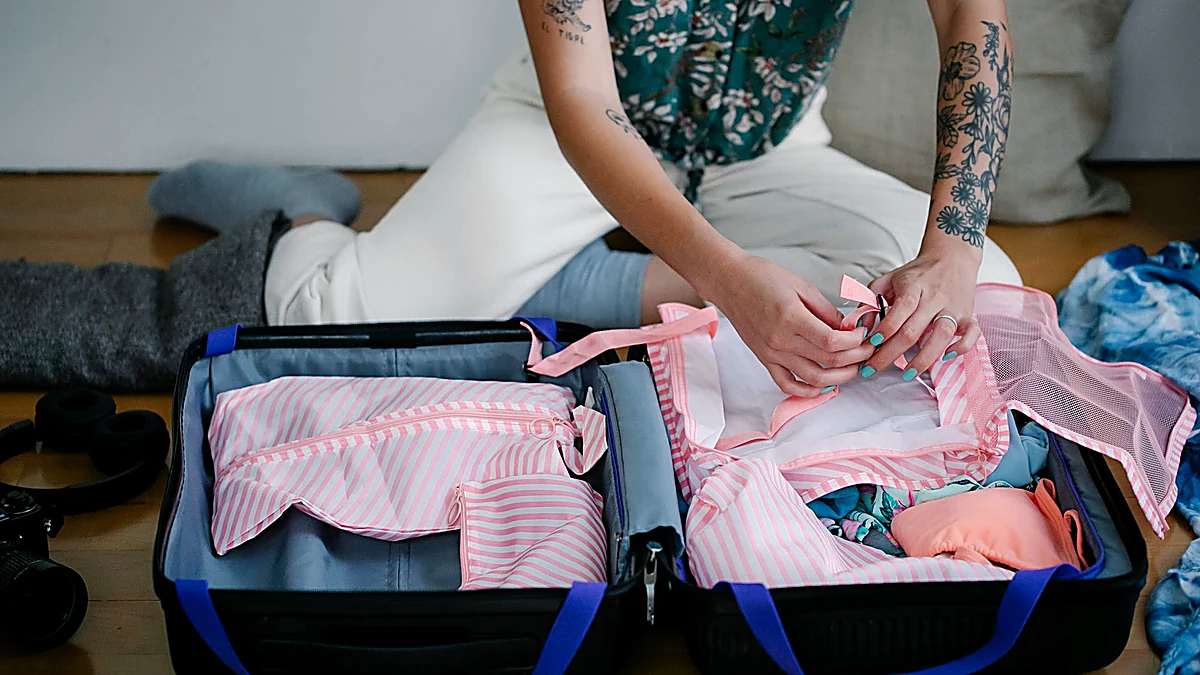
Most travelers pack for the trip they are afraid of, not the trip they are actually taking. The result is a heavy suitcase, a sore back, and a lot of time spent fussing over zips and straps instead of enjoying the place you flew so far to see. There is a calmer way to travel, and it starts with one small bag that stays with you the whole time.
A personal item is the small bag that most airlines let you bring on board at no extra cost. It slides under the seat in front of you, and it never gets weighed, checked, or sent to a different city. If you can learn to travel with just that one bag, your whole trip becomes lighter in every sense.
Pick a Bag That Fits the Personal Item Size
Before you think about what to pack, think about what you are packing into. Airline rules for personal items are fairly similar from one carrier to the next, and most allow a bag around 18 by 14 by 8 inches. That is roughly the size of a school backpack, which is a good sign, because backpacks are the easiest bags to travel with.
Measure your bag at home with a tape measure before your trip, and measure it while it is fully packed. A bag that fits perfectly when empty can bulge past the limit once it is stuffed, and that is the moment when a friendly gate agent has to say no. If your airport has a sizer near the gate, drop your packed bag in once to see how it sits. It takes ten seconds and it removes all the guessing.
What to look for in the bag itself
- A soft-sided backpack or tote, because soft fabric can squeeze into tight spaces where a hard case simply cannot.
- A wide opening, such as a clamshell zip or a U-shaped zip, so you can see everything at once instead of digging around.
- A few pockets, but not twenty. Two or three is plenty, and every extra pocket adds a little weight and a lot of confusion.
- Comfortable padded straps, plus a simple hip belt if you plan to walk long distances with the bag on your back.
- A plain, dark color that hides dirt, looks tidy on a train, and works fine at a nice restaurant in the evening.
The way you load the bag matters as much as the bag itself. Put the heaviest items, like your laptop or your extra shoes, closest to your back, and keep soft clothes near the outside. A bag that sits flat against your spine feels far lighter than one that pulls you backward with every step.
On travel day, wear your bulkiest shoes and your thickest jacket instead of packing them. Nobody weighs what you are wearing, and it frees up a surprising amount of space inside the bag.
There is one more pleasant side effect of traveling this way. When your bag stays with you, you never stand around waiting for luggage, and you never wonder whether it made the connection. You walk off the plane, out of the airport, and straight into your trip.
Build a Simple Capsule Wardrobe
Once your bag is chosen, the next question is what actually goes inside it. The answer is a small capsule wardrobe, which simply means a handful of clothes that all work well together.
Start by choosing a color palette of two or three colors. A combination that works for almost everyone is one dark neutral like navy or charcoal, one light neutral like cream or soft grey, and one color you genuinely enjoy wearing. When everything in your bag matches everything else, you can build a whole week of outfits from a very short list of clothes, and you never stand in front of a mirror wondering what goes with what.

A capsule for a week away usually looks like this: two bottoms, five tops, one light layer, one dress or overshirt, and three to four sets of socks and underwear. That sounds small, and it is. It also covers a long weekend in Copenhagen, a work trip to Montreal, and a week of slow walking around Kyoto.
A simple capsule you can copy
| Item | How many | Why it works |
|---|---|---|
| Trousers, jeans, or a skirt | 2 | One for walking, one for nicer evenings |
| Tees, tanks, or light shirts | 5 | Five tops with two bottoms makes ten outfits |
| Thin sweater or fleece | 1 | Warmth on cool mornings and cold flights |
| Packable rain shell | 1 | Handles wind and rain without any bulk |
| Dress or overshirt | 1 | Turns simple clothes into something a little nicer |
| Socks and underwear | 3 to 4 each | Enough for several days between washes |
| Light sleepwear | 1 set | A soft tee and shorts take up almost no room |
| Swimwear | 1 | Flat, light, and useful more often than you expect |
Choose fabrics that dry quickly, because damp clothes are the main reason small-bag travel falls apart. Thin merino wool, cotton blends, and soft linen all dry overnight, while heavy denim and thick fleece can take a full day or more. Pick pieces that feel soft against your skin, since you will be wearing them many times over the course of the trip.
Accessories do a lot of quiet work here. One scarf, one belt, one simple necklace, and one pair of sunglasses can change how the same outfit looks, and together they weigh almost nothing. A light scarf also doubles as a blanket on a cold flight.
To fit everything into a small bag, roll each item tightly, or bundle your clothes around a core piece like a sweater. Rolling pushes air out of the fabric and leaves softer creases than folding does. Put all your clothes into one packing cube and all your toiletries into one small pouch. Now your bag has two clear sections, and you always know exactly where things are.
Make Every Outfit Work for Different Weather
Weather is what makes people overpack, because it is very easy to imagine needing everything. Layers solve this problem better than extra clothes do, since three thin layers handle a wider range of temperatures than one thick coat ever could.
The base layer is a breathable tee or light shirt that sits against your skin. The middle layer is a thin sweater or fleece that holds warmth close to your body. The outer layer is a packable rain shell that blocks wind and water and folds down to the size of a small book. Add a scarf on cool days, and sunglasses and a light hat on sunny ones. Together these pieces weigh very little and cover almost any day you will meet.
The trick is not to bring clothes for every kind of weather. It is to bring a few clothes that can handle several kinds of weather at once.
Shoes, and what to do about them
Shoes are the heaviest thing most people pack, so treat them with care. Wear your heaviest pair on the plane, and pack at most one more pair. Choose flat sandals or light sneakers that you will genuinely wear on this trip, not a third option you are bringing "just in case".
If you do pack a second pair, put them in a cloth bag or a shower cap so they do not mark your clean clothes. Stuff socks inside them to use the empty space, and slide them along the back of your bag where the weight sits comfortably.
One capsule, four kinds of days
| Weather or plan | What you wear |
|---|---|
| Warm day of walking | Loose linen shirt, light trousers, sandals, sunglasses |
| Cool evening out | Tee, thin sweater, overshirt, scarf, closed shoes |
| Rainy day | Tee, fleece, rain shell, quick-dry trousers, sneakers |
| Long travel day | Soft trousers, breathable tee, light cardigan or fleece, heaviest shoes |
For cooler evenings, add tights under a dress or skirt, or a light cardigan over a shirt. For warm days, choose loose linen and cotton, which let air move and dry quickly after a wash. If you expect real cold, add one thin thermal top rather than a bulky sweater, and wear it under everything else.
Keep Clothes Fresh Without a Laundry Room
You do not need a washing machine to keep your clothes clean on a trip. A sink, a little detergent, and a dry towel will do the job, and the whole thing takes about ten minutes.

The sink wash, step by step
- Fill the sink with cool water and add a few drops of travel detergent or one detergent sheet.
- Put in two or three small items, such as a tee, a pair of socks, and underwear, and gently squeeze the soapy water through them.
- Rinse with clean water until no bubbles appear.
- Lay the wet clothes flat on a dry towel, roll the towel up tightly, and press down with your hands.
- Hang the clothes overnight on a travel line, a hanger, or the back of a chair.
Thin, quick-dry fabrics are usually dry by morning this way. Thicker cotton may need a full day, which is another good reason to leave the heavy sweatshirt at home in the first place.
To handle wrinkles, hang your shirts in the bathroom while you take a hot shower. The steam relaxes the fabric, and many creases simply fall out on their own. A small bottle of wrinkle-release spray works well too, and you can pour some into a tiny travel bottle before you leave home.
Keep dirty clothes in a separate drawstring bag so your clean items stay fresh, and never mix the two. Wash every three or four days rather than every single day, because one small load in the sink is far easier than facing a mountain of laundry at the end of the trip.
Two small habits help more than anything else. Air your clothes out at night instead of pushing them straight back into the bag, and rotate your shoes so each pair gets a full day to dry. Your clothes will smell better, last longer, and feel pleasant to put on each morning.
Your Quick Before-You-Go Checklist
The night before you leave, lay everything out on the bed and look at it honestly. Then take away one or two items you can live without. Almost everyone packs a little more than they need, and that extra space becomes very useful for the small things you bring home.
- Check your airline's personal item size one last time, and measure the packed bag.
- Passport or ID, wallet, phone, and charger.
- Any medications, kept in their original packaging.
- A small toiletry bag with the basics: toothbrush, toothpaste, deodorant, sunscreen, and a comb.
- A refillable water bottle, empty when you go through security.
- Snacks, earbuds, and a thin folder for tickets and bookings.
- One light layer within easy reach, because planes are often cold.
- A little empty space left over for things you buy along the way.
Keep the items you need most in easy-to-reach pockets, such as your passport, your wallet, your phone, and any medication. Everything else can go deeper in the bag, because you will not need it during the flight. Packing in this order also makes security lines faster, since you are not searching through a dozen zips while everyone behind you waits.
Before you close the bag, do one final test. Put it on and walk around the block. If the straps dig into your shoulders or the bag pulls you backward, adjust the fit now rather than at the airport. If it feels comfortable on a short walk, it will feel fine on a long travel day.
Traveling with one small bag is not about being tough or going without. It is about choosing a few things you really like, keeping them close, and moving through the world with your hands free. Once you try it, the heavy suitcase starts to feel like something you were carrying for no reason at all.
Frequently asked questions
✓ Kristina Mate
Founder & Lead Travel Editor · TravelStyleMate
Kristina is the founder and lead editor of TravelStyleMate. Over the past 8 years, she has explored 35+ countries across Europe, Asia, and the Americas—traveling almost exclusively with a single 40L carry-on bag. A dedicated solo traveler, she specializes in cobblestone-tested footwear, minimalist capsule packing formulas, and realistic transit logistics. Every packing rule, walking shoe, and itinerary on TravelStyleMate is personally tested on actual trips with real luggage constraints.
Testing Guarantee: Every packing rule, walking shoe, and transit route is personally tested with real luggage constraints. No paid rankings, no untouched gear, no AI fluff.
Related guides
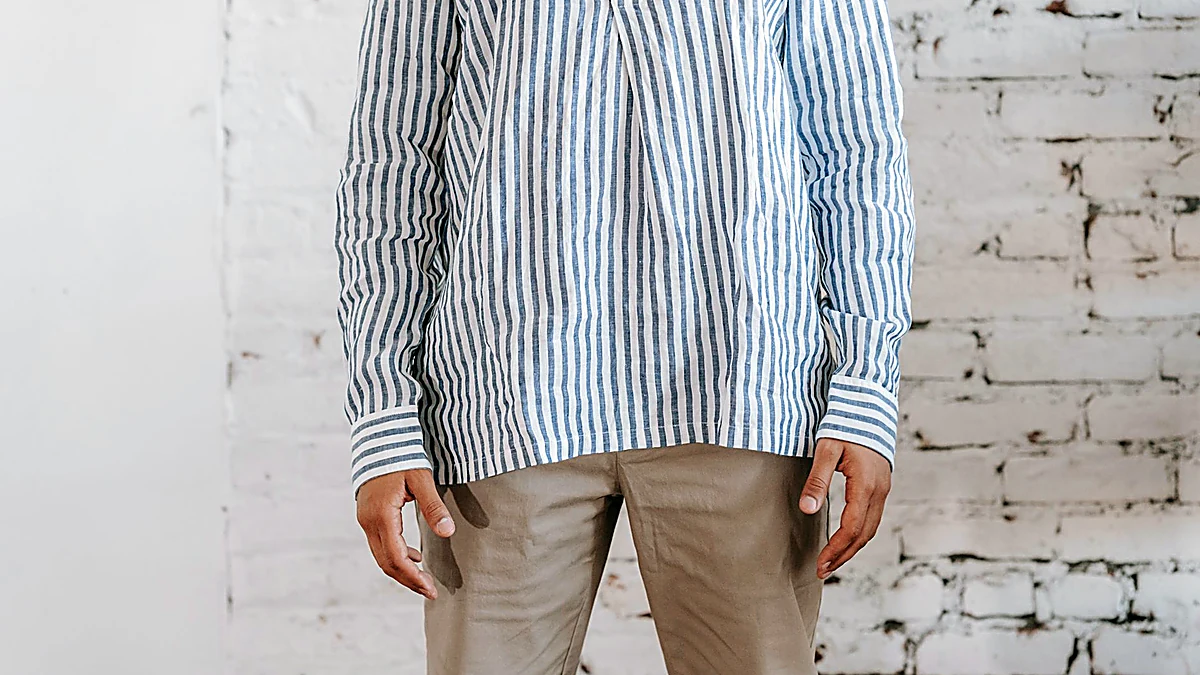
Wool vs Linen: Which Fabric is Best for Traveling in the Heat?
Merino wool or linen for hot weather travel? See how each fabric handles sweat, wrinkles, and drying, plus simple outfits and a packing checklist.
The 7-Day City Trip Packing List: Easy Outfits for Every Day
Pack one small bag for seven days of city wandering. A simple color plan, easy mix-and-match outfits, and one gentle wash keep you light and calm.
How to Pack Clothes for Train Trips with Little Space
Pack light for train trips with a small soft bag, mix-and-match outfits, and easy sink washing. Stay comfortable on busy platforms and tight seats.