Quiet Places in Big Cities: Peaceful Parks, Bookshops, and Stone Courtyards
Find peaceful parks, quiet bookshops, and stone courtyards in busy cities, plus what to wear and pack so solo travel feels calm, easy, and light.
 ✓
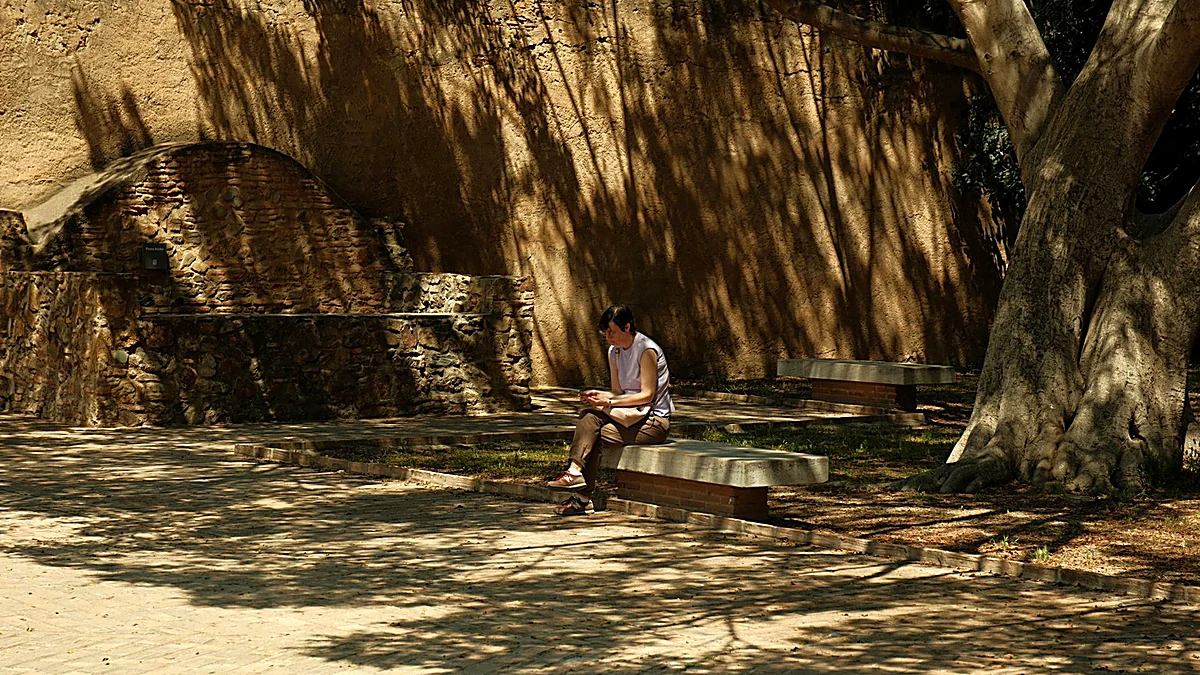
There is a moment on every solo trip when the city gets loud and your shoulders creep up around your ears. The fix is usually simple and it costs nothing at all: find a bench in a small garden, a chair in a quiet bookshop, or a stone courtyard where the traffic fades, and give yourself one slow hour.
When you travel alone, you feel everything a little more. The good parts are wonderful, because you can follow your own curiosity without checking with anyone else. The hard parts are louder too, and a packed square at four in the afternoon can leave you tired in a way that a nap does not fix. That is why quiet places matter so much on a solo trip. They are not an escape from the city. They are the reason you can keep enjoying it.
This guide is about finding those places, and about the clothes and the small day bag that make it easy to slip into them without any fuss. You do not need special gear for this. You need a light bag, soft clothes you can walk in for hours, and a little patience with your map.
How to Find Hidden Quiet Spots in a Busy City
Most travelers plan their days around famous places, and famous places are almost always full of people. The good news is that a big city is a patchwork of loud streets and soft corners, and the soft corners are rarely more than a ten-minute walk from the crowds.
Start by opening a map and looking for green shapes that are too small to appear on a postcard. Neighborhood parks, university campuses, botanical gardens, and the courtyards of old buildings all show up as tiny patches of color once you zoom in closely. Those small places are usually where the calm is hiding.
Follow the locals, not the crowds
If a bench is full of people taking photos, it is probably not the quiet spot you want. Look instead for the places where people are doing ordinary things. A courtyard where office workers eat lunch, a church garden with a few older neighbors sitting together, or a campus lawn where students read are all good signs. These places are not set up for visitors, which is exactly what makes them peaceful.
In Tokyo, the large central parks are lovely but busy on weekends, so try the smaller pocket parks in residential neighborhoods instead. A tiny garden behind a shrine, with a few stone lanterns and a place to sit, can feel like a different city. In Munich, walk one street back from the main squares and you will find stone courtyards with climbing plants and a single cafe table. In Paris, the arcades around older squares and the covered passages offer shade, quiet, and a place to sit when it rains.
Bookshops and libraries are the other half of the answer. A good bookshop with a reading corner is a gift on a solo trip, because nobody minds if you stay for an hour. Coffee houses with deep booths and no music work in the same way. Look for the ones with wooden tables, a few regulars, and a menu that fits on one page.
The quietest place in a big city is usually the one just past the spot that everybody photographs. Walk a few more minutes and the noise drops away.
Where to look in a few real cities
| City | Where to look | Best time to go |
|---|---|---|
| Tokyo | Small neighborhood parks and shrine gardens away from the main stations | Weekday mornings |
| Munich | Stone courtyards one street back from the big squares | Early afternoon |
| Paris | Covered passages and the arcades of older squares | Weekday lunch hours |
| Vienna | Inner courtyards of old buildings and traditional coffee houses | Mid-morning |
Timing matters as much as location. Early mornings belong to dog walkers and people on their way to work, and everything feels gentler then. The hour right after lunch is often quiet in bookshops and gardens, because most visitors are eating. Late afternoon is when the crowds return, so that is a good time to sit down somewhere with a drink and a book, and simply wait them out.
What to Wear for a Day of Quiet Exploring
The right clothes make quiet exploring feel effortless, because you never have to think about them. You want soft fabrics that breathe, layers you can add or remove, and shoes that have already been broken in before the trip. Neutral colors are a small but real advantage. They help you blend into a courtyard or a cafe instead of standing out, and they all match each other, so a small bag goes a long way.
Start with a soft cotton t-shirt or a breathable linen shirt as your base. Both handle warm afternoons well, and linen dries quickly if you rinse it in a sink. Add a light merino layer for cool evenings, because merino wool keeps you warm without bulk and it resists smells. A thin cardigan or a simple sweater does the same job.
For your lower half, choose trousers or a skirt with a little stretch and deep pockets. Deep pockets matter more than you might think on a solo trip, because you can keep your phone and a few coins close without opening your bag every five minutes. Comfortable walking shoes are non-negotiable. Broken-in leather shoes or supportive sneakers both work well, and the only real rule is that you should be able to walk for three hours without thinking about your feet.
A scarf is the most useful thing in your bag. In a chilly stone courtyard it becomes a wrap for your shoulders, on a sunny bench it shades your neck, and on a long train ride it works as a small pillow. Keep your jewelry simple too. Long chains and jangling bracelets sound loud in a quiet room, and they draw attention when you would rather sit unnoticed with your book.
Simple outfit combinations that always work
| Piece | Why it helps | Color suggestion |
|---|---|---|
| Soft cotton t-shirt | Breathable, easy to wash, dries fast | White, cream, or pale grey |
| Linen overshirt | Adds a layer and hides wrinkles well | Sand, olive, or light blue |
| Light merino sweater | Warm for cool evenings, packs down small | Charcoal or navy |
| Stretchy trousers | Comfortable for long walks and sitting on benches | Dark navy or warm brown |
| Broken-in walking shoes | No blisters, no fuss, quiet on stone floors | Any neutral tone |
| Light scarf | Wrap, shade, and pillow in one | Soft pattern or plain |

Simple layers for quiet city exploring.
One more small thing: soft soles. Hard heels click loudly across marble floors and stone courtyards, and if you plan to visit a library or a church, quiet shoes are a kindness to everyone around you, including yourself.
Packing a Small Day Bag for Peaceful Stops
Your day bag should feel light at eight in the morning and still feel light at six in the evening. That usually means a compact backpack or a crossbody bag that sits close to your body. A crossbody bag is easier to keep an eye on in a crowd, while a small backpack is kinder to your shoulders over a long day. Either way, keep it small enough that you can carry it into a narrow bookshop aisle without knocking anything over.
Here is what actually earns its place in the bag:
- A refillable water bottle. Most cities have clean drinking fountains, and refilling saves money and plastic.
- A protein snack. Nuts, a cheese roll, or a small pack of crackers. Quiet places are often far from food.
- A paperback book. A real book never runs out of battery and signals to cafe staff that you are happy to sit quietly.
- A light foldable tote. It takes no space, and it saves you when you find a market stall or a small shop you cannot resist.
- A small power bank and cable. Maps and photos drain a phone faster than you expect.
- A thin cardigan or a light jacket. Courtyards and old stone buildings stay cool all year.
- A small notebook and pen. Write down the name of the garden or bookshop you loved, so you can find your way back.
Leave everything else at your hotel. A heavy bag makes you tired faster, and it makes you hesitate at the door of a small cafe when you are not sure whether you want to go in. The lighter you travel during the day, the more easily you can say yes to a quiet detour.
Keeping Your Clothes Fresh and Wrinkle-Free on the Road
When you pack light, you end up wearing the same few pieces over and over, so they need to look decent and smell clean. This is much easier than most people think, and it takes only a few minutes each evening.
Roll your clothes instead of folding them
Rolling does two helpful things at once. It saves space, and it leaves fewer hard creases, because the fabric curves instead of folding flat. Roll softer items like t-shirts and knitwear, and place them along the edges of your bag where they fill the gaps. If something does come out wrinkled, hang it in the bathroom while you take a hot shower. The steam relaxes most fabrics within ten minutes.
Wash small things in the sink
Sink washing is the solo traveler's best friend. Take a small bottle of gentle detergent, fill the basin with cool water, and wash your socks, underwear, and t-shirt before you go to bed. Rinse them well, press the water out in a towel instead of twisting the fabric, and hang them to dry overnight. Cotton and merino wool respond well to this treatment, and a thin cotton shirt will usually be dry by morning.
Choose fabrics that resist creases
Merino wool and synthetic blends hold their shape far better than plain cotton, and they dry faster too. A single merino sweater can be worn several times between washes without smelling stale, which means less washing overall. A wrinkle-release spray is a nice extra if you have room for it, and a light fabric refresher spray keeps a jacket or a scarf smelling fresh on longer trips.
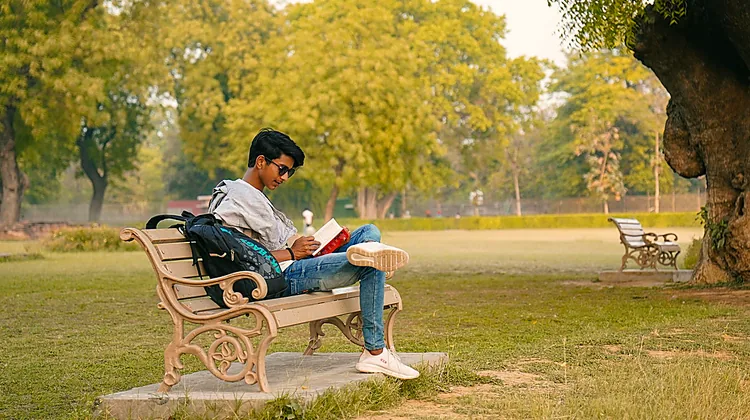
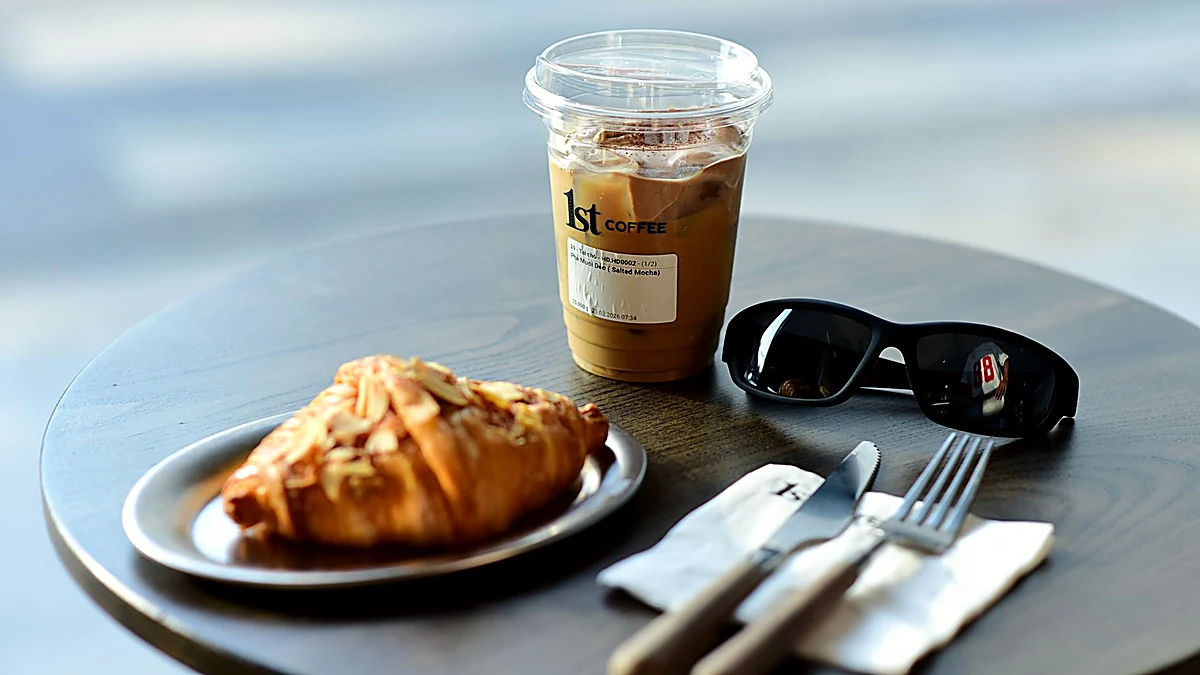
A peaceful pause with coffee and a book.
One last habit worth building: empty your bag each evening. Shake out the crumbs, refill your water bottle, and lay out tomorrow's clothes. Five minutes at night saves twenty minutes of scrambling in the morning, and it means you leave your room calm instead of rushed.
Your Quiet City Checklist
Before you walk out the door in the morning, run through this short list. It takes less than two minutes and it sets up the whole day.
- Check the opening hours for the bookshops, gardens, and courtyards you want to visit, because many small places close on one weekday.
- Pack your day bag with water, a snack, your book, a light layer, and a power bank.
- Wear comfortable shoes and neutral clothes that you have already tested on a long walk.
- Save a small offline map on your phone so you can wander side streets without worrying about signal.
- Pick one quiet stop for the morning and one for the afternoon, and leave the rest of the day open.
- Plan a proper sit-down break, whether that is a cafe table or a park bench.
- Carry a little cash for small shops and courtyard cafes that do not take cards.
- Remind yourself that you do not have to see everything. Nobody does, and trying is what makes a trip exhausting.
The best part of solo travel is not the long list of sights. It is the afternoon when you find a stone courtyard with a lemon tree, sit down with a coffee and a book, and realize that you are completely content on your own. Those hours are the ones you remember years later.
So pack light, wear soft clothes, and keep your bag small enough to carry all day. Then follow the side streets, look for the green patches on the map, and let the quiet places find you. The city will still be loud when you step back into it, but you will be moving at your own speed, and that changes everything.
Frequently asked questions
✓ Kristina Mate
Founder & Lead Travel Editor · TravelStyleMate
Kristina is the founder and lead editor of TravelStyleMate. Over the past 8 years, she has explored 35+ countries across Europe, Asia, and the Americas—traveling almost exclusively with a single 40L carry-on bag. A dedicated solo traveler, she specializes in cobblestone-tested footwear, minimalist capsule packing formulas, and realistic transit logistics. Every packing rule, walking shoe, and itinerary on TravelStyleMate is personally tested on actual trips with real luggage constraints.
Testing Guarantee: Every packing rule, walking shoe, and transit route is personally tested with real luggage constraints. No paid rankings, no untouched gear, no AI fluff.
Related guides
Easy Journal Prompts to Write Down During Your Morning Coffee
Turn a quiet morning coffee on your solo trip into a memory you can keep. Simple journal prompts, easy clothing tips, and a routine that takes ten minutes.
How to Beat the Scared Feeling You Get the Day Before a Solo Trip
A day-before scare is normal. Plan your first hour, pack one comfy outfit, keep your bag light, and calm your nerves with a simple checklist.
The Joy of Sitting Outside at a Cafe and Watching the City Go By
Learn how to choose a good outdoor cafe seat, dress for slow sitting, order without rushing, and keep your travel clothes fresh on a long solo trip.