The 3-Shoe Rule: How Many Pairs of Shoes to Pack for a Trip
Pack just three pairs of shoes and every trip gets lighter. Here is a simple, plain-English way to choose the right three pairs for any journey.
 ✓
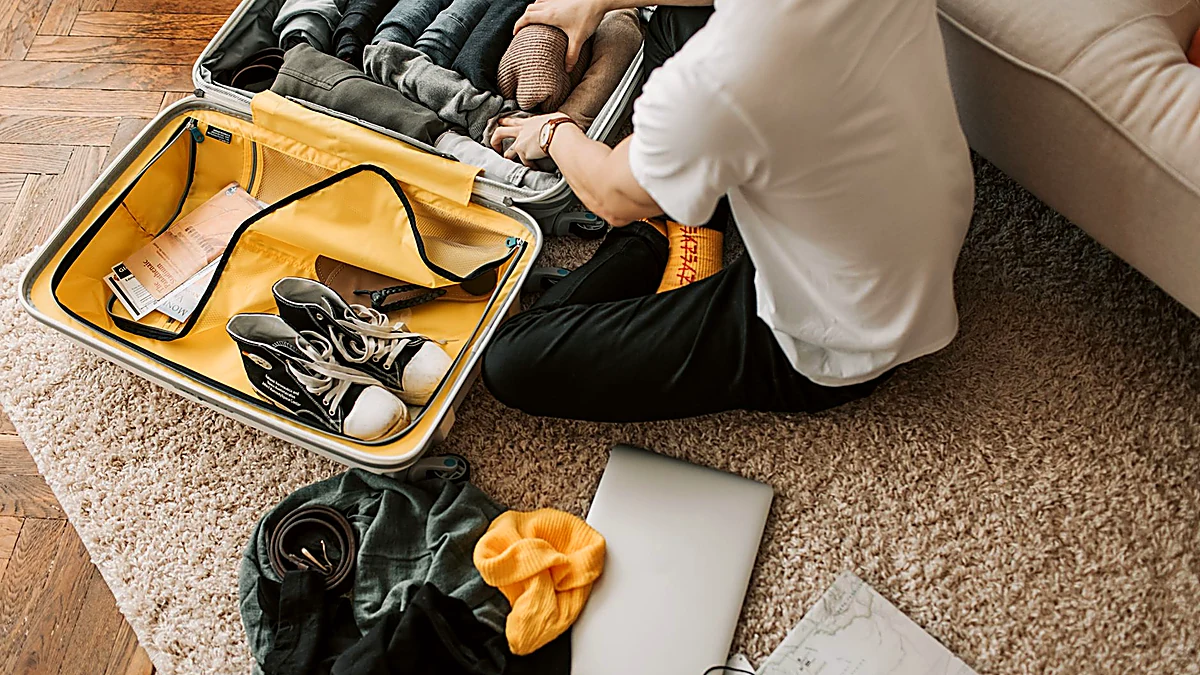
Most people pack far more shoes than they wear, and almost every traveler has come home and unpacked a pair that never left the suitcase. The three-shoe rule gives you a simple number to start from, so you can stop staring at your shoe rack the night before a trip and start packing with a clear, calm plan.
Why Three Pairs of Shoes Is Usually Enough
Think about what your feet actually do on a trip. They walk you through airports and train stations. They carry you around museums and quiet old neighborhoods. They take you to dinner, and they shuffle you across a cold bathroom floor at two in the morning. That sounds like a lot of jobs, but it is really only three: walking all day, looking a little nicer for an evening, and slipping on and off easily when you need to.
When you pack one pair of shoes for each of those jobs, you stop second-guessing yourself. You also stop paying for the extra weight. Every pair of shoes you leave at home is roughly a pound or more that you do not have to lift onto a luggage rack, drag up a narrow staircase, or carry across a cobbled square at the end of a long day.
Most travelers pack four to six pairs without ever deciding to. There is the everyday sneaker, the nicer shoe, the sandal, the backup sneaker, and then one more pair that seemed sensible at the time. By day four, half of them are sitting in the corner of the room, and you are still carrying all of them from city to city.
The rule is not a strict law, and nobody is checking your bag at the door. A winter trip to Munich might swap the sandals for a warm pair of boots. A beach week in Greece might drop the dressy pair completely, because nobody wears loafers to a taverna by the water. What matters is that you have a starting number. Three works well because it covers the jobs without leaving room to overthink.
There is a quieter benefit too. Three pairs are easier to keep track of in a small hotel room. They are easier to line up by the door so you never leave one behind. They are easier to clean and air out when you get home. Fewer shoes means fewer small decisions every morning, and on a trip, small decisions add up fast.
What three pairs covers
- The walking pair: your everyday workhorse, built for long days on your feet.
- The nicer pair: something that looks a little more dressed up but still walks well.
- The easy pair: a slip-on for planes, beaches, hostels, and shared bathrooms.
Notice what is not on that list. There is no "just in case" pair, no "these were on sale" pair, and no pair that only works with one outfit you might not even wear. Those are the shoes that spend the whole trip at the bottom of your bag, taking up space and weight for nothing.
How to Pick Your Three Pairs, Step by Step
Start by laying out every pair you feel tempted to bring. Put them all on the bed or the floor where you can see them. Seeing them all at once matters, because it makes the pile look as big as it really is.
Now walk through your actual itinerary out loud. Say the days one by one and ask which shoes each day really needs. Tuesday is the long museum day and a walk along the river, so that is the walking pair. Wednesday is the nice dinner, so that is the nicer pair. Thursday is the flight home and an afternoon at the beach, so that is the easy pair. When you say it out loud, the extra shoes tend to fall away on their own.
The first pair is your workhorse walking shoe. Choose something cushioned and already broken in, like a light trail sneaker or a supportive everyday trainer. This is the pair you will wear most, so it deserves the most thought. The second pair is your nicer shoe that still walks well, such as a simple leather loafer, a low wedge, or a clean flat. The third pair is your easy slip-on, like flat sandals, slides, or a soft pair of slip-on shoes you can wear on the plane.
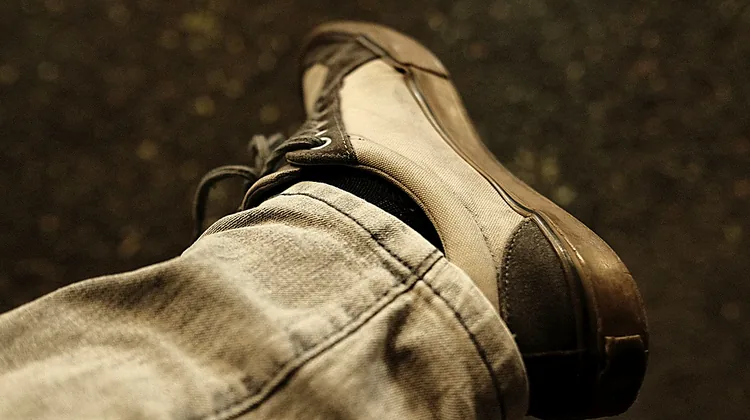
Think about how each pair packs, too. Flat shoes slide down the sides of a bag, while bulky sneakers take up the middle and can push your clothes out of shape. Pack the heaviest pair in the base of the bag, near the wheels, so the weight sits low and the bag rolls easily behind you.
A few small habits make a big difference. Wear your heaviest pair on travel day so your bag stays light and your feet stay comfortable through the airport. Stuff your socks or a small pouch of chargers inside the other two pairs to save space. If your nicer shoes rub a little, slide a thin insole under the heel before you go, and the problem often disappears.
Set one firm rule for yourself: if a shoe has not been worn for a full day at home before the trip, it does not come with you. New shoes on a trip are how blisters happen. The same goes for shoes you love but never actually wear, because a favorite pair that pinches will still pinch in a new city.
A simple way to test each pair
Before any shoe earns a place in your bag, picture the exact day you will wear it. Then check three things about it.
- Have you worn it for at least one full day without pain?
- Does it match at least two outfits you are already packing?
- Can you walk a mile in it without thinking about your feet?
If a pair fails any of those checks, it stays home. That is the whole test, and it takes about a minute per pair.
Matching Your Shoes to Real Outfits and Weather
A neutral walking sneaker in white, grey, or black pairs with almost everything. If you pack your clothes in those same shades, you can mix and match in the morning without standing in front of the mirror for ten minutes. This is the quiet trick behind packing light: your shoes and your clothes should agree on a small set of colors.
A simple way to plan is to pick one base color and one accent color. Black, grey, and white clothes work with almost any neutral shoe, and one or two brighter tops add interest without demanding a different pair of shoes. When your clothes and shoes share a small palette, every shirt works with every pair, and you never have to think about it again.
Weather changes the mix more than anything else. For a spring trip to Kyoto, a light sneaker plus a flat plus sandals covers temple walks, dinners, and rainy afternoons. For an autumn week in Montreal, swap the sandals for a waterproof ankle boot and bring warm socks. If rain is likely, choose shoes that dry fast and leave the suede at home, because wet suede takes days to recover and looks sad in the meantime.
What changes with the season
| Trip type | Walking pair | Nicer pair | Easy pair |
|---|---|---|---|
| Warm city week | White or grey sneaker | Clean leather flat | Flat sandals |
| Cold city week | Cushioned trainer | Simple ankle boot | Waterproof slip-on |
| Beach and boats | Light sneaker | Low wedge or flat | Slides or sandals |
| Rainy shoulder season | Quick-dry trainer | Leather loafer | Rubber-soled slip-on |
Cold-weather travelers should add wool socks and a thin insole for extra warmth. Hot-weather travelers should look for breathable mesh or canvas, plus a second pair of thin socks so you always have a dry set. One dressier shoe is usually enough for any trip, and it should still be comfortable for a mile of walking, because dinner is often farther away than it looks on the map.
If you can point to a real day for every pair of shoes in your bag, you are packed well. If you cannot, you are packing for an imaginary trip.
When Three Pairs Is Not Quite Enough
The rule bends for a few trips, and that is fine. The point was never to punish yourself. It was to make you choose on purpose instead of throwing things in the bag at midnight.
A hiking trip changes the mix most. Hiking boots or sturdy trail shoes do not double as city shoes, so they count as the walking pair and you swap the nicer pair for a light slip-on instead. A wedding or a formal work event may add one more pair, since dress shoes and long walks rarely live in the same shape. Winter trips sometimes add a second warm pair so one set of boots can dry while you wear the other.
When you make an exception, make it a trade rather than an addition. Bringing a fourth pair usually means leaving something else out, whether that is a second jacket, an extra pair of jeans, or the third sweater you probably did not need. If a trip truly calls for a fourth pair, take one, but ask yourself what it replaces.
Long trips are not the problem people expect. A two-week trip often works with three pairs just as well as a four-day trip does, because you will do laundry along the way. Three pairs handle a month in Tokyo or a slow train ride across Italy as long as you rinse a few things in the sink now and then.
Keeping Shoes and Clothes Fresh on the Road
Shoes get smelly faster than clothes, and it usually happens right around day three. The fix is small and cheap. Bring two small cedar inserts or a few dryer sheets and drop them into your shoes each night. Rotate your pairs so no single shoe is worn two days in a row, which gives each one time to dry out completely.
Keep a thin cloth bag for dirty or damp shoes so they never touch your clean shirts. A simple drawstring bag weighs almost nothing and saves you from a whole suitcase of clothes that smell like a wet hiking trail. If your shoes get soaked, stuff them with dry socks or newspaper overnight and set them near a window, not on a radiator, because strong heat can warp the shape and loosen the glue.

For clothes, sink washing works well on a short trip. Fill the basin with cool water and a little travel soap, swish your shirts and socks around for a minute, then rinse them until the water runs clear. Roll each piece in a dry towel and press down to squeeze out the water. Hang them overnight near a window or over the back of a chair, and most light fabrics will be dry by morning.
A small wrinkle-release spray handles creases on nicer shirts, and a quick steam from a hot shower does the same job for free. Hang the shirt in the bathroom while you shower, close the door, and let the steam do the work. It is not perfect, but it is good enough for dinner.
A tiny freshen-up kit
- Two cedar inserts or three dryer sheets
- One thin cloth bag for dirty shoes
- A small bottle of travel laundry soap
- Two blister plasters and a short roll of tape
- One quick-dry cloth for wiping shoes and bags
One more small habit helps more than anything else on this list. Take your shoes off as soon as you get back to your room and let them sit near the door rather than tucked in a corner. Air moving around them overnight makes a real difference by the end of the week.
Your Quick Checklist Before You Zip the Bag
Before you close your suitcase, run through this short list. It takes about two minutes and saves a lot of small regrets later.
- Three pairs of shoes, each one worn in and matched to a real day of your trip.
- Your heaviest pair on your feet for travel day.
- Socks for each type of shoe, plus a couple of extras.
- Blister plasters and a small roll of tape for hot spots.
- One thin bag for dirty or damp shoes.
- Cedar inserts or dryer sheets for freshness.
- A light rain cover or quick-dry cloth if wet weather is likely.
If you can point to a specific activity for every pair and every item of clothing, you are packed well. If something has no clear job, leave it home. You will walk out the door lighter, and you will spend far less of your trip worrying about your bag and far more of it looking around.
The three-shoe rule is not about being strict with yourself. It is about giving your feet a clear plan, so the walking pair is always ready, the nicer pair is there when you need it, and the easy pair is waiting by the door when the day is finally over.
Frequently asked questions
✓ Kristina Mate
Founder & Lead Travel Editor · TravelStyleMate
Kristina is the founder and lead editor of TravelStyleMate. Over the past 8 years, she has explored 35+ countries across Europe, Asia, and the Americas—traveling almost exclusively with a single 40L carry-on bag. A dedicated solo traveler, she specializes in cobblestone-tested footwear, minimalist capsule packing formulas, and realistic transit logistics. Every packing rule, walking shoe, and itinerary on TravelStyleMate is personally tested on actual trips with real luggage constraints.
Testing Guarantee: Every packing rule, walking shoe, and transit route is personally tested with real luggage constraints. No paid rankings, no untouched gear, no AI fluff.
Related guides
How to Keep Your Leather Shoes Clean and Dry in Rainy Cities
Protect leather shoes from rain with a small care kit and two simple habits, so they stay soft, dry, and comfortable on long wet city walks.

How to Stop Foot Pain After Walking All Day on Hard Stone Streets
Hard stone streets beat up your feet fast. Here is the simple shoe, sock, and evening routine that stops the ache and keeps you walking all day.
Loafers or Sneakers: Which Shoes are Better for Walking on Old Streets?
Loafers or sneakers for old cobblestone streets? Here is how to choose, break them in, and keep your feet really happy on long walking days.