The Best Slip-On Shoes for Walking and Airport Security
How to pick slip-on shoes that breeze through airport security and stay comfortable all day. Simple fit checks, outfits, and a packing checklist.
 ✓
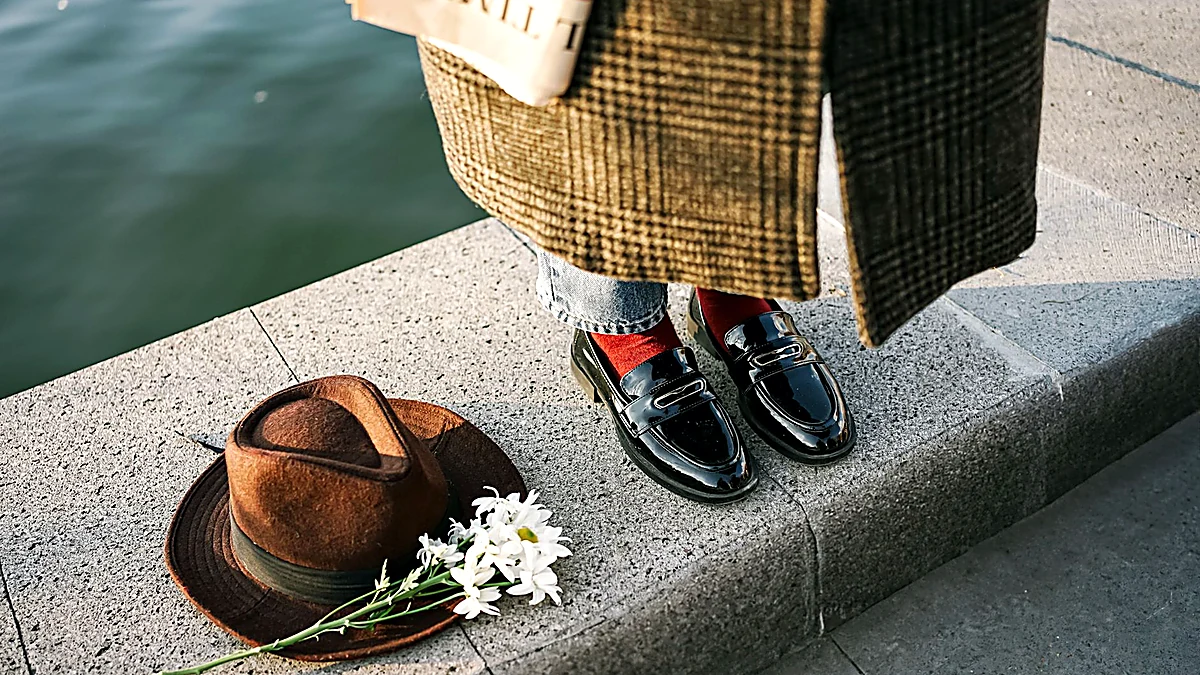
Some travel days ask a lot from your feet. You walk a long terminal, stand in a slow security line, then walk another mile through a train station or a city center. Slip-on shoes make those hours easier, and they also take much of the fuss out of the security checkpoint.
Why Slip-On Shoes Make Travel Days Easier
Think about the last time you stood in an airport security line. You had a tray in one hand, your passport in the other, and a line of people waiting behind you. Now imagine crouching down to untie laces, then balancing on one foot to pull your shoes back on while your tray slides away from you.
Slip-on shoes remove that whole awkward moment. You step out of them, set them in the tray, walk through the scanner, and step back in. There is no bending, no tying, and no hopping around while an officer waits for you to gather your things.
They save more time than you expect
On a single trip, you might take your shoes off and put them back on four or five times. That happens at security, sometimes again at a second checkpoint, and again if you visit a temple, a mosque, or a friend's home. Each time, laces cost you a minute or two. Slip-ons cost you seconds.
That saved time matters most when you are tired. Jet lag and early flights make small tasks feel heavy. A shoe you can step into without thinking is one less thing to manage when your brain is running slowly.
They keep your feet happy on long walks
Airport terminals are bigger than most people realize. A connection in a large hub can mean a twenty minute walk between gates, often on hard tile floors. Train stations and city streets add more distance on top of that.
Good slip-on shoes handle those long stretches well because they are light and easy to move in. A soft upper, a cushioned insole, and a flexible sole all help your feet roll through each step instead of slapping the ground. On a day with a lot of walking, that small difference adds up.
The fit has to be secure, not loose
This is the part people get wrong. A slip-on shoe should stay on your foot when you walk, not flap around like a loose sandal. If your heel lifts out with every step, you will grip with your toes to keep the shoe in place, and your feet will ache by lunchtime.
Look for a pair that hugs the back of your heel and holds the middle of your foot. It should be easy to slide on, but it should not slide off on its own. That balance is what makes comfortable slip on shoes for travel worth packing first.
A shoe that comes off in two seconds and stays put for ten miles is the whole goal. Everything else is just detail.
How to Choose the Right Slip-On Pair Step by Step
Finding the right pair takes a little patience, but the steps are simple. Do them in order and you will avoid the two most common mistakes: shoes that are too tight in the morning and too loose by evening, and shoes that feel fine in the store but hurt after an hour of real walking.
Step one: try them on at the end of the day
Your feet swell a little as the day goes on, especially after walking or sitting on a plane. If you shop in the morning, you may buy a pair that feels snug then and painful later. Shop in the late afternoon or evening instead, when your feet are closest to their travel size.
Wear the same kind of socks you plan to travel in. Thin no-show socks and thick wool socks change the fit a lot, and you want to know which size works with the socks you actually wear.
Step two: check the heel, the insole, and the sole
Run through three quick checks. First, press your thumb into the back of the shoe near the heel. It should feel firm enough to hold your foot, not soft and floppy. Second, press the insole with your thumb. You want a little give, because a thin flat insole will feel hard after a few hours.
Third, bend the shoe in your hands. The front should flex where your toes bend. If the whole shoe is stiff like a board, it will fight your foot with every step.
Step three: pick a breathable material
Knit fabric, soft leather, and merino wool all breathe well and feel gentle on bare feet. Knit stretches slightly, which helps if your feet swell on flights. Leather holds its shape and looks a bit dressier for dinners or meetings. Merino wool keeps feet dry and warm without feeling heavy.
Avoid stiff coated materials that trap heat. On a summer afternoon in Florence, a shoe that cannot breathe turns a pleasant walk into a sweaty, blistery slog.
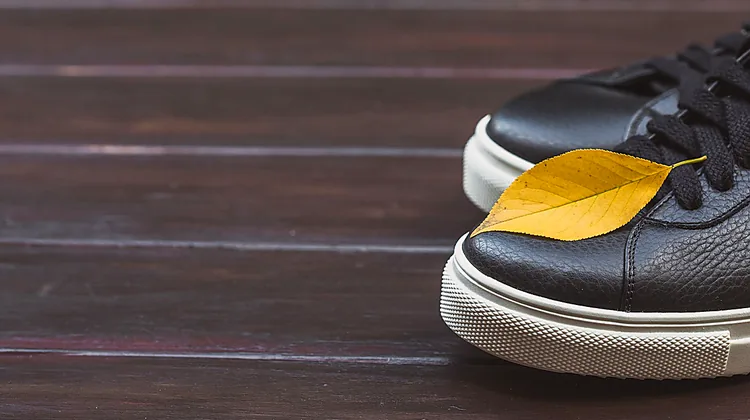
Step four: walk in them before your trip
Walk around the store for a few minutes, then take them home and wear them indoors for an hour. Walk up and down stairs, stand in the kitchen, and see how they feel on a hard floor. If a spot rubs now, it will rub worse on a trip.
Do this at least a week before you leave so you still have time to return them or swap the insole. For the best walking loafers travel can offer, pick a pair that already feels broken in rather than stiff and new. Picture yourself wearing them all day in Kyoto or Munich, from a morning market to an evening walk, without once thinking about your feet.
Step five: look at the sole grip
Wet cobblestones, polished station floors, and rainy sidewalks can all be slippery. Press your fingernail into the bottom of the sole. If it digs in slightly, the rubber will grip. If it feels slick and hard, it will slide.
A shallow tread pattern with small grooves is usually a good sign. You do not need deep hiking lugs for city travel, but you do want something with a little texture.
| What to check | Good sign | Warning sign |
|---|---|---|
| Heel hold | Firm, hugs the back of your foot | Heel lifts out when you walk |
| Insole | Soft but supportive, some cushion | Thin, flat, feels like cardboard |
| Sole flex | Bends near the toes | Completely rigid |
| Upper | Knit, leather, or merino wool | Stiff coated material that traps heat |
| Grip | Soft rubber with shallow tread | Smooth, hard, slippery surface |
Simple Outfits That Work With Slip-On Shoes
Slip-on shoes are easy to build outfits around because they sit in the middle. They are cleaner than sneakers and more relaxed than dress shoes, so they work for airports, museums, casual dinners, and long walks in the same day.
Start with the pants. Lightweight chinos, dark jeans, and relaxed travel pants all pair well. Choose a cut that ends just above the shoe, or rolls up neatly if it is long. A hem that drags on the ground will get dirty fast and look sloppy.
Mix a small set of colors
Stick to navy, gray, olive, and white. These four colors mix with almost anything and hide small travel stains better than bright shades do. A gray pair of slip-ons with navy pants and a white shirt looks tidy without any effort, and it works just as well for a train ride as for a casual dinner.
Add one breathable cotton tee and one thin merino layer for cool mornings. Merino keeps you warm without bulk and does not hold smells the way some synthetic fabrics do. A packable rain shell handles surprise showers in Seattle or an unexpected drizzle in Edinburgh.
Match the socks to the weather
Socks change the feel of the whole outfit. In Edinburgh, where the air stays cool and damp, a thin wool sock keeps your feet warm and comfortable. In Florence, switch to no-show socks for warm afternoons so your ankles stay cool and your look stays clean.
Bring two or three pairs and rotate them. If your feet sweat, choose wool or a wool blend rather than all-cotton socks, because wool dries faster and keeps its shape.
| Outfit | Top | Bottom | Good for |
|---|---|---|---|
| Travel day | Cotton tee and thin merino layer | Relaxed travel pants | Flights, long terminals, trains |
| City walking | Light button-down shirt | Lightweight chinos | Museums, markets, cafes |
| Cool evening | Merino sweater | Dark jeans | Dinner, short walks |
| Rainy day | Packable rain shell | Dark travel pants | Wet streets, train stations |
The nice part is that these pieces all mix together, so you can pack less and still look put together. One pair of slip-ons, three tops, and two bottoms can cover a whole week.
Keeping Your Shoes and Feet Fresh on the Road
After a few days of walking, shoes and feet both need a little care. The good news is that most of it takes less than five minutes.
Air your shoes every night
When you get back to your room, take your shoes off and set them near a window or an open door. Do not leave them stuffed in a bag or under a pile of clothes. Air moving through the shoe is what dries out sweat and keeps smells from building up.
Cedar inserts help a lot. They soak up moisture and leave a light, clean scent. If you do not have cedar, dry tea bags work surprisingly well. Slip one in each shoe overnight and take them out in the morning.
Manage sweat and blisters
Rotate two or three pairs of socks so you always have a dry pair ready. If your feet sweat heavily, sprinkle a little foot powder in your shoes before you put them on. Powder absorbs moisture and reduces rubbing.
Carry a few blister patches in your bag. If you feel a hot spot forming, stop and cover it right away. A patch costs almost nothing, but a blister can ruin two days of walking.
Clean them the simple way
For leather, wipe the surface with a soft cloth and let it dry naturally. For knit shoes, spot clean with mild soap and a little water, then blot them with a towel. Never put them in a washing machine, because heat and tumbling can break down the sole and stretch the upper out of shape.
If your shoes get soaked in the rain, stuff them with newspaper and let them dry away from direct heat. Do not set them on a radiator or use a hair dryer, because strong heat can crack leather and warp the glue.

Wash your socks in the sink
Sink washing is easy. Add a little soap, work it through the socks, rinse them well, then roll them in a towel and press down to squeeze out the water. Hang them to dry overnight, and they will be ready by morning.
This one habit keeps your feet dry and your bag lighter, because you can travel with two or three pairs instead of seven. Happy feet make every travel day better, and the routine takes almost no time.
Your Quick Packing Checklist for Slip-On Travel Shoes
Before you zip your bag, run through this short list. It covers everything you need for the shoe side of your trip, and it fits in one small pouch.
- One broken-in pair of slip-on shoes, already tested on a few long walks
- Two or three pairs of socks, with at least one wool pair for cool days
- A simple shoe bag to keep dirty soles away from clean clothes
- Small container of foot powder for warm, sweaty days
- Blister patches for unexpected hot spots
- Cedar inserts or two dry tea bags for overnight freshness
- A soft cloth for quick wipe-downs
On travel day, wear your heaviest shoes and keep your slip-ons easy to reach, either in an outside pocket or right at the top of your bag. When you reach security, you will be able to pull them out and put them on without digging through everything.
Check the fit one more time before you leave. If an insole has slid forward or bunched up, trim it or press it back into place. Small fixes at home beat painful surprises on the road.
Comfort beats style every time, but the good news is that a well-chosen pair of slip-ons gives you both. Pick the pair your feet forget about, and the rest of the trip takes care of itself.
With this simple checklist, you are ready for airports, train stations, and long city walks. Slide them on, step out the door, and enjoy the day.
Frequently asked questions
✓ Kristina Mate
Founder & Lead Travel Editor · TravelStyleMate
Kristina is the founder and lead editor of TravelStyleMate. Over the past 8 years, she has explored 35+ countries across Europe, Asia, and the Americas—traveling almost exclusively with a single 40L carry-on bag. A dedicated solo traveler, she specializes in cobblestone-tested footwear, minimalist capsule packing formulas, and realistic transit logistics. Every packing rule, walking shoe, and itinerary on TravelStyleMate is personally tested on actual trips with real luggage constraints.
Testing Guarantee: Every packing rule, walking shoe, and transit route is personally tested with real luggage constraints. No paid rankings, no untouched gear, no AI fluff.
Related guides
How to Keep Your Leather Shoes Clean and Dry in Rainy Cities
Protect leather shoes from rain with a small care kit and two simple habits, so they stay soft, dry, and comfortable on long wet city walks.
How to Stop Foot Pain After Walking All Day on Hard Stone Streets
Hard stone streets beat up your feet fast. Here is the simple shoe, sock, and evening routine that stops the ache and keeps you walking all day.

Loafers or Sneakers: Which Shoes are Better for Walking on Old Streets?
Loafers or sneakers for old cobblestone streets? Here is how to choose, break them in, and keep your feet really happy on long walking days.