The Best Waterproof Ankle Boots for Walking in Rainy Cities
Wet feet end sightseeing early. Here's how to pick waterproof ankle boots, style them with easy outfits, and keep them dry so you walk farther.
 ✓
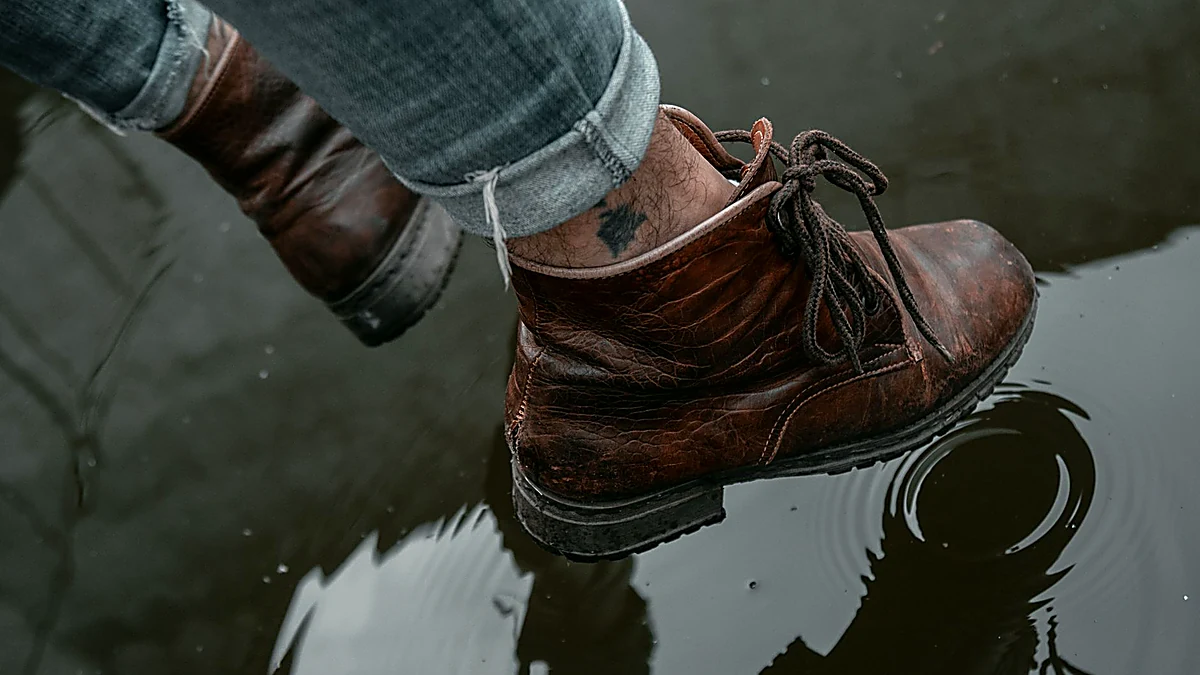
You step off a tram in Copenhagen on a wet Tuesday morning, and the pavement is shining with rain. Within ten minutes your socks feel damp, your toes go cold, and the long walking day you planned starts to shrink. That small discomfort is exactly why one good pair of waterproof ankle boots earns its place in your bag on every rainy city trip.
Why Dry Feet Make a Rainy City Day So Much Easier
Picture the same morning in Edinburgh, or in Munich in October, or in Montreal in April. You have waited months for this trip, and the city is every bit as lovely as you hoped, only wetter. The cobblestones hold a thin sheet of water. The tram tracks glisten. Every step sends a small splash up the side of your shoes, and the splash creeps in through the laces.
Wet feet change a day in quiet ways that add up quickly. You stop paying attention to the neighborhood and start scanning for the nearest cafe with warm air and a free table. You shorten the route you drew on your map that morning. You think about a taxi for a distance you would happily have walked an hour earlier. Nothing dramatic happens, but by late afternoon you have seen far less of the city than you planned, and you feel oddly tired.
A pair of waterproof ankle boots fixes all of this without any fuss. Your feet stay dry through drizzle, shallow puddles, wet grass in a park, and the steady drip from awnings and tree branches. A rainy morning in Munich or Montreal stops being a problem you have to solve and starts feeling like a normal morning in a city you came to see.
Ankle height matters more than most people expect. Rain rarely falls straight down onto your feet, it splashes up from the pavement, and those splashes come from below. A boot that covers your ankle keeps that water out, while a low shoe with a mesh top lets it straight in. That is why the ankle boot handles wet-weather days so well when a running shoe or a ballet flat gives up.
There is a packing benefit too. When you trust one pair of boots, you can leave the backup sneakers at home. You no longer carry two pairs of shoes on the chance that one gets soaked, and you stop treating a rainy forecast as a reason to overpack. That saved weight and space turns into room for a warmer sweater, a small umbrella, or a souvenir you actually want to bring back.
What Actually Makes a Boot Waterproof (In Plain Words)
You do not need to learn any technical language to judge a boot. You only need to check a few simple things with your hands and your eyes, ideally in the shop before you hand over your card.
Start with the upper, the part above the sole. Full-grain leather is the best choice for rainy cities, because water beads on the surface and the material stays strong for years. Some boots use a leather-look upper with a waterproof layer built inside, and those can work very well too. What matters is that the boot is made for wet weather, not simply styled to look like it is.
Next, look at the seams, the lines where the pieces of the boot are stitched together. Those lines are the easiest place for water to sneak through, so a good wet-weather boot has them sealed. Turn the boot in your hands and check that the sealed seams feel smooth and continuous. If the stitching sits open and dry, water will find it sooner or later.
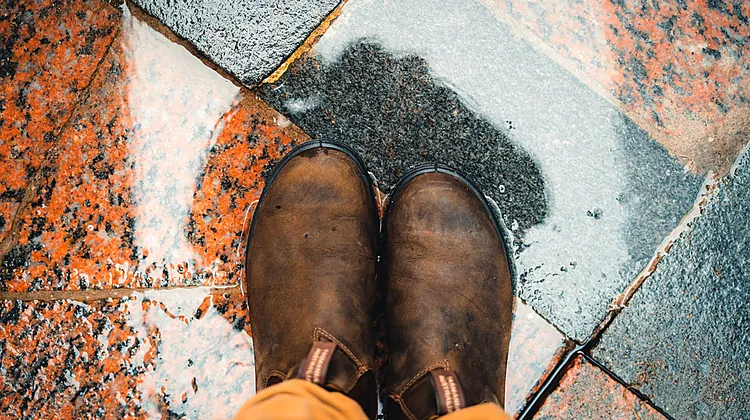
Now check the sole. A rubber sole with a real tread pattern grips wet stone, painted metal tram tracks, and the smooth tiles of a train station far better than a flat fashion sole. Run your thumb across the tread and see whether it catches. A slightly thicker sole also lifts you above the shallow puddles at crossings, which is honestly where most wet feet begin.
Fit deserves as much attention as the materials. Buy boots with room for a thin merino or wool sock, because a boot that feels snug in bare feet becomes cold and pinched once you add a sock. Your toes should have a little space to move, and your heel should stay put when you walk. A tight boot also rubs, and a blister on day one of a walking-heavy trip is hard to recover from.
Then there is the break-in rule, and it is worth repeating. Wear your new boots around your own neighborhood for a few short walks before you travel. Give them three or four outings of twenty to forty minutes each. This softens the leather at the flex points, shows you exactly where they rub, and tells you whether the fit is truly right while you are still close to home and your own sock drawer.
If you want a simple check before you commit, try the tray test. Stand in a shallow tray of water for a minute or two while wearing the boots and a pair of socks. If your socks stay dry, the waterproofing is doing its job. If damp patches appear, you have learned something useful for free instead of learning it in the rain on the other side of the world.
Dry feet do not just keep you comfortable. They keep your plans flexible, because you stop arranging your day around the weather and start arranging it around the city.
Simple Outfits That Work With Waterproof Ankle Boots
The best thing about a plain ankle boot is how little thought it needs. A pair of black or dark brown Chelsea boots goes with almost everything you would pack for a city break, which means you can build your whole suitcase around one pair of shoes.
For daytime walking, pair your boots with slim dark jeans, cropped straight-leg trousers, or a midi skirt worn with thick tights. Keep your trouser hems slightly cropped or give them a small cuff, so the fabric stays clear of puddles and does not soak water upward into the leg. This one habit makes more difference to your comfort than any spray or coating.
Socks matter more than people expect. A thin merino sock keeps your feet warm even when the air is damp, dries faster than cotton, and does not hold onto smells the way cotton does. On long walking days, tuck a spare pair into your bag. Changing socks at lunch is a small joy that resets your whole afternoon.
For color, choose one boot shade that matches everything you packed, and build the rest of your wardrobe around it. That single decision lets you bring one pair of boots for daytime and one pair of flats for evenings, and nothing else. It also means every photo from the trip looks deliberate rather than mismatched, which is a nice thing to notice when you get home.
A few weather additions are worth the space they take. A compact umbrella lives in the side pocket of a small crossbody bag without weighing you down. A light rain shell that reaches your hips keeps the top of your trousers dry when the rain comes in sideways. A small crossbody bag or a close-fitting tote keeps both hands free, which matters on wet stairs, crowded trams, and slick station platforms.
One last small point about color: dark boots hide splashes. Pale suede and light leather show every mark, which means you spend your evening cleaning instead of resting. A dark pair keeps you looking put together in photos and stays forgiving on days when the streets are muddy.
| Your day | What to wear with your boots | Small extra |
|---|---|---|
| Long walking day in the rain | Slim dark jeans, thin merino socks, rain shell that covers your hips | A spare pair of socks in your bag |
| Museum morning, dinner later | Cropped straight-leg trousers and a fine knit sweater | Flats in your bag for the evening |
| Cold and windy city break | Midi skirt with thick tights and a long wool coat | Cedar inserts in the boots overnight |
| Travel day with many stairs | Dark jeans and a compact crossbody bag | Both hands free for railings |
Keeping Your Boots Fresh When You Are Traveling
Boot care on the road takes five minutes and keeps your feet comfortable for the whole trip. When you get back to your room, wipe the boots with a damp cloth to remove street salt, grit, and grime. Then let them air-dry at room temperature, well away from radiators, heaters, and hair dryers. Strong heat dries leather too quickly, and the material cracks along the flex lines.
Overnight, stuff the boots loosely with rolled newspaper or a soft cloth. The paper soaks up moisture from inside, and the stuffing helps the boots hold their shape while they dry. Cedar inserts do the same job and add a fresh, pleasant smell, which is always welcome in a small hotel room. If the insoles come out, take them out, because they dry much faster on their own.
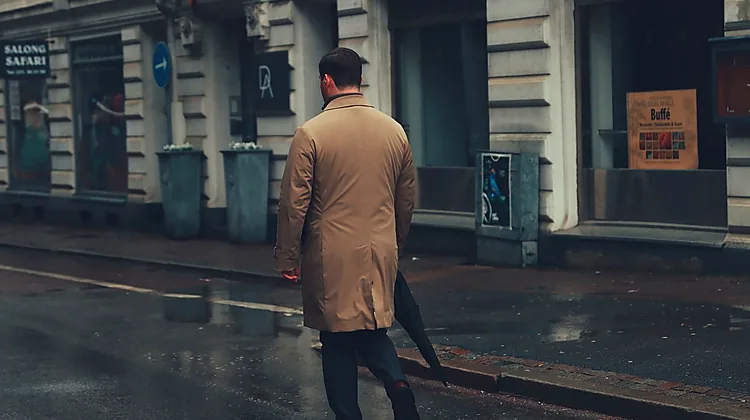
A waterproofing spray used before you leave home, and again halfway through a long trip, keeps rain beading on the surface instead of soaking in. Apply it outdoors or near an open window, let the boots dry fully, and give them a few hours before you wear them again. This simple step is the difference between boots that shrug off a shower and boots that slowly drink it.
If your boots get truly soaked, give them a full day to dry and wear your backup flats in the meantime. Trying to force them dry with heat damages the leather and can warp the shape, which is a much bigger problem than one damp day. Rotating your socks daily helps too, because dry socks keep the inside of the boot drier and reduce smells.
Pack a small cloth and a light shoe bag. Keeping wet boots inside a bag means they never touch your clean clothes, and you always have something to wipe them with at the end of the day. Together, these small habits keep one pair of boots going for years of rainy trips.
Your Quick Checklist Before You Fly
Run through this list the night before you leave, and your rainy city days will mostly take care of themselves.
- One pair of waterproof ankle boots, already broken in with several short walks at home.
- Thin merino or wool socks, plus at least one spare pair in your bag.
- A light rain shell long enough to cover your hips, not just your shoulders.
- A compact umbrella that fits in your day bag.
- A small crossbody bag or close-fitting tote to keep your hands free.
- A cloth and a light shoe bag for wet days.
- A waterproofing spray used before you leave, and packed along if the trip is a long one.
Before you walk out the door, check two things one more time. Confirm that the boots fit comfortably with the socks you plan to wear, not just in bare feet. Then press your thumb into the tread and make sure it still grips, because worn soles on wet stone are the quickest way to a slip.
After that, the plan is simple. Comfortable, dry feet mean you walk farther, take fewer taxis, and see more of the city on your own two feet. Rain will still fall on some of your mornings, and that is fine. With the right boots on, a wet day is just a day in a city you came to explore.
Frequently asked questions
✓ Kristina Mate
Founder & Lead Travel Editor · TravelStyleMate
Kristina is the founder and lead editor of TravelStyleMate. Over the past 8 years, she has explored 35+ countries across Europe, Asia, and the Americas—traveling almost exclusively with a single 40L carry-on bag. A dedicated solo traveler, she specializes in cobblestone-tested footwear, minimalist capsule packing formulas, and realistic transit logistics. Every packing rule, walking shoe, and itinerary on TravelStyleMate is personally tested on actual trips with real luggage constraints.
Testing Guarantee: Every packing rule, walking shoe, and transit route is personally tested with real luggage constraints. No paid rankings, no untouched gear, no AI fluff.
Related guides
How to Keep Your Leather Shoes Clean and Dry in Rainy Cities
Protect leather shoes from rain with a small care kit and two simple habits, so they stay soft, dry, and comfortable on long wet city walks.

How to Stop Foot Pain After Walking All Day on Hard Stone Streets
Hard stone streets beat up your feet fast. Here is the simple shoe, sock, and evening routine that stops the ache and keeps you walking all day.
Loafers or Sneakers: Which Shoes are Better for Walking on Old Streets?
Loafers or sneakers for old cobblestone streets? Here is how to choose, break them in, and keep your feet really happy on long walking days.