The Best White Leather Sneakers for Walking 20,000 Steps on Vacation
Choose white leather sneakers that stay comfortable after 20,000 steps with fit tests, sock tips, cleaning habits, and a simple packing checklist.
 ✓
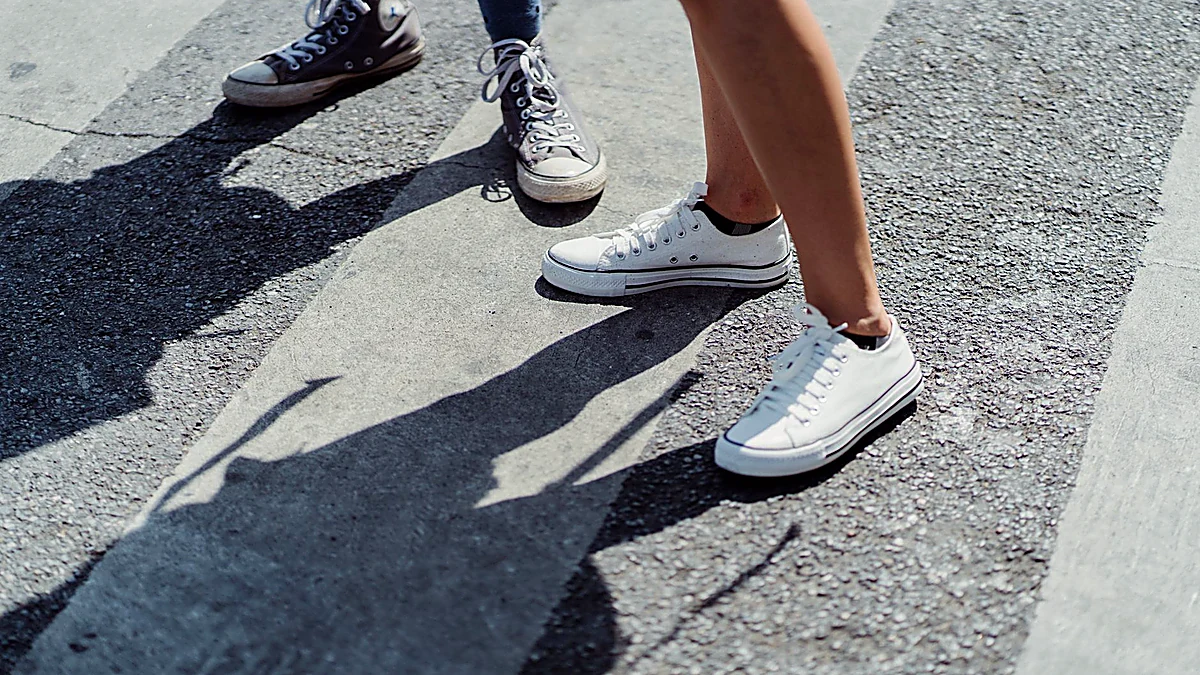
You probably bought your white leather sneakers because they look clean with almost everything you own. Then you spent one long day walking a new city, and by dinner your feet were sore, your heel was rubbing, and you were not sure you wanted to put them on again the next morning. The good news is that the problem is almost never the color or the style. It is usually the fit, the cushioning, and how well you broke the shoes in before you left home.
This guide walks you through choosing white leather sneakers that still feel good after 20,000 steps, so you can wander through Tokyo, Munich, Montreal, or anywhere else without thinking about your feet all day. You will also find simple outfit ideas, a cleaning routine that takes a few minutes, and a short checklist to run through before you pack.
Start With Fit, Not Just the Look
Most people shop for sneakers the way they shop for a jacket. They look at the shoe on the shelf, like the shape, try it on for thirty seconds, and buy it. That works fine for a shoe you wear to lunch. It does not work for a shoe you wear for eight hours of walking on hard pavement and cobblestones.
Your feet change size during the day. They swell a little as you walk and as the day warms up, and they swell even more on a long flight. So the best time to try on walking shoes is late in the afternoon or in the evening, when your feet are at their biggest. A shoe that feels snug at nine in the morning can feel painful by three in the afternoon.
Wear the socks you plan to travel in when you try shoes on. If you plan to wear thin merino no-show socks, do not try shoes with thick athletic socks, because you will end up buying a shoe that is too big. If you like a slightly thicker sock for cold cities, bring that pair with you to the store.
The fit check that saves your feet
Here is a simple routine that has saved me from a lot of sore feet over the years:
- Slide your foot all the way forward and check that there is about a thumb's width of space between your longest toe and the front of the shoe.
- Press your heel against the back of the shoe, lace it up, and try to slip your heel out. It should stay locked in place without pinching your ankle bone.
- Walk on a hard floor for a few minutes, not just carpet, because carpet hides how a shoe really feels.
- Find a slight incline or use a small ramp in the store and walk up and down it, since hills are where slipping starts.
- Squat down slowly and notice whether the shoe bends with your foot or digs into the top of your toes.
If a shoe feels tight, stiff, or even slightly annoying in the store, it will feel much worse after 20,000 steps. Never buy a shoe hoping it will stretch. Leather does soften a little over time, but it does not grow a half size and it does not add cushioning.
Then comes the part most people skip, which is breaking the shoes in at home. Walk 20 to 30 miles in them before your trip, spread over a week or two. Wear them to the grocery store, on your normal walk, and on errands around town. You want the shoe to mold to your foot, and you want to find any hot spots while you are still near your own closet and your own blister patches.
Finally, think about the insole. Many white leather sneakers come with a removable insole, and that is a good sign. If the shoe feels flat or you need more arch support, take the stock insole out and slide in a thin comfort insole instead. Just remember that an extra insole takes up a little space, so check the fit again after you swap it.
What Makes a White Leather Sneaker Good for 20,000 Steps

Not every white leather sneaker is built for long days. Some are made for sitting at a desk and looking neat. Others are built with real walking in mind, and the difference shows up around hour six of a city day.
The parts that matter most
The midsole is the soft layer between your foot and the ground, and it is the most important part of a walking shoe. Press your thumb into the side of the heel. It should give a little, then spring back. A hard, dead midsole sends every step straight up into your knees and lower back.
The front of the shoe should bend where your foot bends. Hold the shoe by the heel and the toe and fold it gently. A good walking sneaker bends easily in the front and stays firmer in the middle, so it supports your arch instead of letting it flatten out.
The leather itself matters too. Soft, breathable leather keeps your feet cooler than heavily coated leather, which traps heat and sweat. On a warm day in Kyoto or a humid afternoon in Montreal, breathability is often the difference between happy feet and blisters.
The outsole needs a tread pattern with some grip. Smooth rubber slides on wet cobblestones, and wet cobblestones show up in places like Copenhagen and Edinburgh far more often than you expect. Look for a slightly textured sole with grooves that can push water out of the way.
Weight matters, but so does support. Pick the shoe up in your hand. If it feels oddly heavy, you will feel that weight at the end of a long day. If it feels flimsy and twists like a wet towel, it will not support you on long walks. You want something in the middle, light enough to forget and firm enough to hold your foot.
A removable insole gives you options, and a slightly wider toe box lets your toes spread out naturally when you walk. Both are small details that add up over a full day on your feet.
Lacing and rotating your shoes
Lacing makes more difference than most people realize. A simple heel-lock pattern keeps your foot from sliding forward on downhill streets. Lace the shoe normally up to the second-to-last eyelet, then run each lace straight up the same side and through the top eyelet so each side has a small loop. Cross the laces and pass each end through the opposite loop before you tie them. It takes ten seconds and it stops your toes from jamming into the front of the shoe.
If you only bring one pair of shoes on a walking trip, bring the most broken-in white leather sneakers you own, not the newest pair in the box.
One more habit helps a lot, and that is rotating your shoes. If you can bring a second pair, even a light pair of sandals or flats, let your main sneakers rest every few days. The foam in a midsole needs about a day to bounce back after a long walk, and your shoes need time to dry out from the inside. If you can only bring one pair, at least pull the insoles out at night and let the shoes air near a window.
Outfits That Keep Your Feet Happy and Your Look Simple
White leather sneakers are easy to style, but what you wear with them affects how your feet feel. If your feet overheat, they swell, and swollen feet rub against shoes that felt fine in the morning. So the goal is simple, breathable layers that look clean and keep you cool.
Start with your top. A light merino tee, a breathable cotton shirt, or a loose linen button-down all work well and dry quickly when you rinse them in the sink. Linen wrinkles, but on a relaxed trip that look usually fits in just fine.
For bottoms, choose quick-dry pants, simple chinos, or a midi skirt that stops above your ankles so it does not drag on wet pavement. Skip heavy denim on the hottest days, because it holds moisture and stays damp against your legs.
Socks make more difference than you think
Thin merino wool or synthetic socks move sweat away from your skin. Thick cotton socks do the opposite. They hold sweat, stay wet, and rub, and that rubbing is how most blisters start. Two or three pairs of thin merino socks are enough for a two-week trip if you rinse them in the sink along the way.
Here is a simple set of outfits that keeps everything working together:
| Trip type | Top | Bottom | Socks |
|---|---|---|---|
| Warm city days | Light merino tee or linen shirt | Quick-dry pants or a midi skirt | No-show merino socks |
| Cool mornings | Merino tee with a thin cardigan | Simple chinos | Thin merino ankle socks |
| Rainy days | Long-sleeve cotton shirt under a packable rain jacket | Quick-dry pants that end above the shoe | Two pairs, so one can dry |
| Travel day | Soft tee and a light scarf | Stretchy pants | Thin merino socks |
Weather and small comforts
Add a light scarf and a packable rain jacket for places like Seattle or Kyoto, where the weather flips in the middle of the afternoon. When you stop for a long coffee in Florence or Montreal, slip your sneakers off under the table if the place is relaxed, and let your feet and socks breathe for ten minutes. That small break helps more than you would think.
Before a trip with rain in the forecast, spray your leather with a water-repellent protector and let it dry overnight. Pack a small shoe cloth as well, so you can wipe off mud or road salt before it dries into the leather.
Keep Them Clean and Comfortable on the Road

White leather sneakers do not need a full wash every day, and washing them too often is actually hard on the leather. Most days, a quick wipe is all they need to keep looking fresh.
A five-minute cleaning routine
For scuffs, use a damp cloth with a tiny drop of mild soap. Rub gently, then wipe with a clean damp cloth and let the shoes air dry. Keep them away from radiators, hair dryers, and direct sun, because heat dries out leather and can make it crack. For the rubber sole, a plain magic eraser works well on light marks, so just go easy and avoid pressing it into the leather above the sole.
Odor, damp shoes, and wrinkled clothes
For smells, sprinkle a little baking soda inside each shoe before bed and shake it out in the morning. Baking soda pulls out moisture and odor without leaving any perfume behind. If your shoes got really wet, stuff them with newspaper or use cedar shoe trees overnight. Both help the shoe hold its shape and soak up damp air from the inside.
Your socks need a routine too. Wash them in the sink with a little travel detergent, roll them in a dry towel to press out the water, and hang them to dry overnight. Merino dries fast, so two or three pairs can carry you through a long trip without any trouble.
Wrinkled clothes are a separate small problem, and there is an easy fix. Hang your shirt or pants in the bathroom while you take a hot shower, and the steam will relax most of the creases. If that is not possible, roll your clothes tightly instead of folding them, which cuts down on sharp crease lines in the first place.
Keep a small kit in your day bag for quick fixes:
- A cleaning wipe or a tiny cloth in a zip bag.
- An extra pair of laces, because laces break at the worst possible times.
- A couple of blister patches and a small stick of blister balm.
- A shoe bag, so dirty sneakers never touch your clean clothes in the suitcase.
Quick Checklist Before You Pack
Before you zip your suitcase, run through this short list. One pair of broken-in white leather sneakers. One backup pair of sandals or flats. Two or three pairs of thin merino socks. One or two pairs of no-show socks. Blister patches and a small stick of blister balm. Removable insoles if you use them. A shoe bag. A cleaning wipe.
Wear your heaviest shoes on travel day and pack the lighter pair, since the shoes on your feet do not take up space in your bag. Test your full outfit at home with your loaded day bag on your back, because a backpack changes how you stand and walk over a long afternoon.
If your feet feel happy after a long walk around your own neighborhood, they are far more likely to feel happy in Tokyo, Munich, Montreal, or anywhere else you end up exploring. Keep the look simple, keep the shoes clean, and give your feet a little rest each evening. That small routine is what turns 20,000 steps into an easy day instead of a hard one.
Frequently asked questions
✓ Kristina Mate
Founder & Lead Travel Editor · TravelStyleMate
Kristina is the founder and lead editor of TravelStyleMate. Over the past 8 years, she has explored 35+ countries across Europe, Asia, and the Americas—traveling almost exclusively with a single 40L carry-on bag. A dedicated solo traveler, she specializes in cobblestone-tested footwear, minimalist capsule packing formulas, and realistic transit logistics. Every packing rule, walking shoe, and itinerary on TravelStyleMate is personally tested on actual trips with real luggage constraints.
Testing Guarantee: Every packing rule, walking shoe, and transit route is personally tested with real luggage constraints. No paid rankings, no untouched gear, no AI fluff.
Related guides
How to Keep Your Leather Shoes Clean and Dry in Rainy Cities
Protect leather shoes from rain with a small care kit and two simple habits, so they stay soft, dry, and comfortable on long wet city walks.
How to Stop Foot Pain After Walking All Day on Hard Stone Streets
Hard stone streets beat up your feet fast. Here is the simple shoe, sock, and evening routine that stops the ache and keeps you walking all day.
Loafers or Sneakers: Which Shoes are Better for Walking on Old Streets?
Loafers or sneakers for old cobblestone streets? Here is how to choose, break them in, and keep your feet really happy on long walking days.