A Calming Bedtime Routine for Solo Travelers in a New Hotel Room
A calm bedtime routine turns a strange hotel room into a restful base, so solo travelers sleep better and wake up ready for the next day of exploring.
 ✓
You come back to your hotel room after a long day of walking, and it feels good to close the door behind you. Your legs are ready to rest, but your head is still moving. The room is small and quiet in a way that does not feel like home, and you start to wonder if you will actually sleep. A short, gentle bedtime routine solves most of that problem, because it gives your body a clear signal that the day is finished even when the bed, the pillows, and the sounds outside are all new.
Why a Calm Bedtime Routine Helps in a New Hotel Room
After a long day walking through Tokyo, Edinburgh, or Montreal, your body is tired but your mind is still busy. New streets, new signs, new voices, and quiet worries about tomorrow all keep the day running in the background. A familiar routine is the simplest way to turn that noise down.
Think about what your body notices in a strange room. The pillow has a different shape, the mattress has a different feel, the curtains let in a different kind of light, and the street below makes sounds you cannot name. None of this is bad, but it is unfamiliar, and unfamiliar things keep us a little alert. When you repeat the same small steps in the same order, the room slowly stops feeling like a stranger and starts feeling like a base.
The routine also protects you from the two habits that steal sleep on solo trips. The first is scrolling, where one short video quietly turns into an hour and your eyes stay wide open. The second is late planning, where you lie in bed replaying the map in your head and worrying about train times and opening hours. Both feel harmless in the moment, and both make the next morning much harder than it needs to be.
A routine tells your body the day is over
Your body picks up signals all day long. Bright light, busy streets, and constant small decisions tell it to stay switched on. A few calm actions in a dim room tell it the opposite. You do not need anything special to send that message, because a warm lamp, a clean face, and a set of clothes folded on a chair do the job well.
The best routines are short and steady in the nicest possible way. You want the same order every night, so you stop thinking about each step and your body starts to expect what comes next. Ten or fifteen minutes is plenty, which matters when your room is small and your evening energy is low.
It works in rooms of any size
Some hotel rooms give you an armchair, a desk, and space to walk around. Others give you a bed, a narrow strip of floor, and a bathroom the size of a closet. A good routine fits both. Everything I suggest here can happen in a room where you can barely open your suitcase, and that is on purpose.
The routine should also travel well. If you can do it in a small family guesthouse, a private room in a hostel, or a large chain hotel, then you can trust it on any trip you take.
Your First 20 Minutes Back in the Room
When you unlock the door at the end of the day, resist the urge to drop everything and fall onto the bed. The first twenty minutes are your chance to reset the room, and the small actions you take here make the whole evening calmer.
Put the day down by the door
Take off your shoes and leave them by the door, not next to the bed. Hang your damp jacket or scarf on a hook, the back of a chair, or the shower rod so it can dry overnight. Put your day bag in one spot and take out the things you no longer need, like tickets, receipts, and the map you have finished with.
If your feet feel hot or dusty from walking, rinse them in cool water before you do anything else. It takes about a minute, and it changes how the rest of the evening feels.
Change the light and charge the phone away from the bed
Pull the blinds or curtains closed and switch off the bright overhead light. Turn on a warm bedside lamp instead, because low light helps your body start winding down. Then plug your phone in across the room, or at least out of arm's reach.
This one step does more for your sleep than almost anything else. When the phone is across the room, you cannot check it without standing up, and that small effort is usually enough to stop you. If you use your phone as an alarm, set it and leave it charging on the desk or the dresser instead of the pillow.
Wash off the day
Wash your face with cool water, brush your teeth, and take a moment to slow down. If you have been walking all day, a quick warm shower helps your muscles let go. Keep the bathroom light low if you can, or leave the door slightly open so the room stays dim while you get ready.
Get tomorrow ready before you get into bed
Lay out tomorrow's clothes on a chair or the end of the bed, so your morning starts without a long search through your bag. Fill a glass or bottle with water and set it beside the bed. Then take five slow breaths, letting your shoulders drop each time you breathe out.
That is the whole reset. It takes about twenty minutes, and it makes the room feel like yours instead of just a place you are passing through.
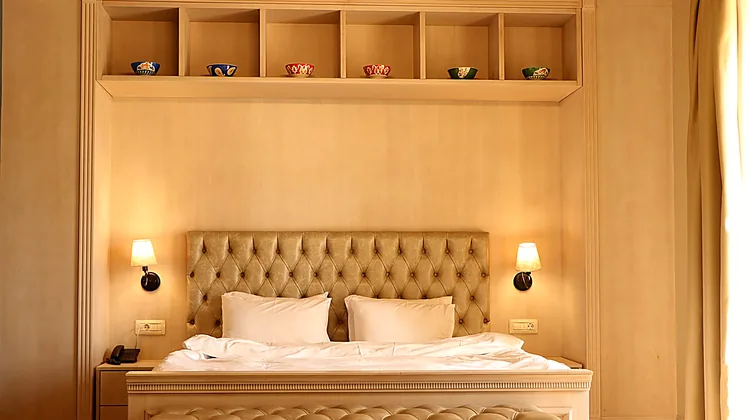
Simple items that signal rest and calm.
What to Wear to Bed When the Room Feels Strange
Sleepwear is one of those small things that matters more than you expect on a solo trip. When everything around you is new, a soft and familiar set of clothes helps your body relax. Pack sleepwear you have worn many times, and leave the new, stiff, or scratchy pieces at home.
Temperature is the first thing to plan for, because hotel rooms are often warmer or colder than you expect. Air conditioning can make a summer room feel like autumn, and older buildings in cold cities can feel chilly even with the heat running. Layers solve both problems, because you can add or remove them during the night without getting out of bed.
| Room and weather | What to wear | Small extras |
|---|---|---|
| Warm and humid, like Florence or Kyoto in summer | A light cotton tee and loose shorts | A glass of water and a thin cotton scarf |
| Cool because of strong air conditioning | A long-sleeve tee, thin pants, and socks | A light cardigan for your shoulders |
| Cold, like Copenhagen or Montreal in winter | Merino leggings, a long-sleeve tee, and a thin wool layer | Warm socks, lip balm, and hand cream |
| Thin walls or a room close to the street | A soft tee and shorts, nothing tight | Earplugs and a soft eye mask |
A few small extras make a real difference too. If the air is dry, use lip balm and hand cream before bed, because dry rooms can wake you up with a sore throat or cracked lips. If the room is noisy, soft earplugs block the lift, the street, and the early rubbish truck. If light comes in around the curtains, a soft eye mask gives you back your mornings.
One last habit is worth keeping, and it is easy to forget. Keep your street shoes out of the sleeping area, because after a long walking day they carry dust, grit, and the smell of the city. Leaving them by the door keeps the bed area feeling clean, which helps more than it sounds.
Quick Ways to Freshen Clothes Before Morning
On a long trip, some pieces need a quick refresh before you wear them again. You do not need a laundry room for this, and you do not need to wash everything. Airing a shirt on a hanger overnight often does more than people expect, especially with thin wool or linen.
When something really needs a wash, the bathroom sink is your friend. Use a small drop of gentle soap or a soap sheet, keep the water cool, and be kind to the fabric. Then hang the piece where air can move around it, and keep it well away from your clean clothes so damp does not spread through your bag.
A five-minute sink wash
- Fill the sink with cool water and add a small drop of gentle soap or one soap sheet.
- Press the item under the water a few times instead of rubbing it hard, which keeps the fabric in better shape.
- Rinse until the water runs clear and no bubbles remain in the cloth.
- Lay the wet item flat on a dry towel, roll the towel up, and press down with your hands or knees to squeeze out the extra water.
- Hang it on a travel line, the shower rod, or the back of a chair, leaving space around it so air can move.

Easy laundry steps for fresh clothes tomorrow.
Wrinkles are easy to handle too. Hang the piece in the bathroom while you take a warm shower, and the steam will soften most creases on its own. A small wrinkle-release spray works well for shirts you want to wear the next morning, and if you have neither option, hang the item near a window and let it settle overnight.
The easiest fix of all is choosing the right clothes in the first place. Thin merino tees, lightweight linen shirts, and travel underwear dry quickly and stay fresh longer than heavy cotton. When you pack a few pieces like these, tomorrow's outfit is ready without any stress at all.
A Simple Nighttime Checklist for Solo Travelers
Before you turn off the light, run through this short list. It takes a few minutes, and it lets you stop thinking about small tasks because you already know they are handled.
- Shoes by the door and out of the sleeping area.
- Tomorrow's outfit laid out on a chair.
- Phone charging away from the bed.
- Face washed, teeth brushed, and feet rinsed if they feel hot.
- A warm lamp on, or an eye mask within reach.
- A glass of water beside the bed.
- Earplugs and eye mask ready if the room is noisy or bright.
- Alarm set, with a book within arm's reach instead of your phone.
Then spend one minute stretching your calves and shoulders. Walking all day tightens the back of your legs and the top of your shoulders, and a gentle stretch helps both areas relax. Sit on the edge of the bed, reach slowly toward your toes with soft knees, and roll your shoulders a few times.
After that, write down one good thing from the day in a small notebook. It can be as simple as a good coffee, a friendly shopkeeper, or a view you did not expect. Ending the day with one clear and pleasant memory gives your mind something calm to hold instead of a long list of unfinished plans.
The routine does not need to be perfect. It only needs to happen in the same order, night after night, until your body learns that the day is over.
Finally, read a few pages of a paper book instead of scrolling. Paper does not light up your face, it does not send you notifications, and it slows your breathing down. Most people fall asleep faster with a book in hand than with a bright screen.
When Sleep Still Feels Far Away
Some nights the routine will not be enough, and that is completely normal. A new city, a long flight, or a very full day can leave you lying awake even when you are tired. The trick is to have a simple plan for those nights too.
Do not fight the bed
If you have been lying awake for about twenty minutes, get up. Sit in the chair with the warm lamp on and read a couple of pages, or sip some water and look out the window for a while. Go back to bed when your eyes feel heavy. Staying in bed while feeling frustrated teaches your body to link the bed with worry, which is the opposite of what you want.
Slow your breathing on purpose
Breathe in through your nose for a count of four, then out through your mouth for a count of six. Keep going for a minute or two, and let your shoulders drop each time you breathe out. This kind of slow breathing calms your body, and it is easy to do in any room, anywhere in the world.
Keep tomorrow's plans out of the bed
If your mind keeps jumping to tomorrow, write three short notes before you get into bed. Write the first thing you need to do in the morning, one thing you are looking forward to, and one thing you are glad about from today. Once those notes are on paper, your mind has much less reason to keep repeating them.
Be kind to yourself about jet lag
If you have crossed several time zones, your first nights may be broken no matter what you do. Get outside in the morning light, eat your meals at local times, and keep your evenings dim and quiet. Most people settle into a new rhythm within a few days, and a calm routine makes those days much easier to enjoy.
A Small Kit for Calm Nights
None of this takes much space in a bag, and each item earns its place on a long trip. Put these together in one pouch so you can find them without digging through everything you packed.
- A soft eye mask and a pair of earplugs.
- A travel clothesline and a few soap sheets.
- Lip balm and a small hand cream for dry rooms.
- A lightweight sleepwear set you have worn many times.
- Clean socks or hotel slippers for cold floors.
- A paperback book and a small notebook with a pen.
- A herbal tea bag for a warm drink before bed.
- A small wrinkle-release spray if you travel with shirts.
Everything on that list fits in a pouch the size of a small toiletry bag. It weighs almost nothing, and it turns a strange room into a place where you can actually rest.
Small Steps, Better Mornings
A calm bedtime routine is not about being strict or perfect. It is about giving yourself a soft landing at the end of a long day in a place that is not home yet. Shoes by the door, tomorrow's clothes on a chair, a glass of water, and a few quiet minutes with a book will do more for your sleep than any gadget you could buy.
Do the same things in the same order for a few nights, and you will notice the difference. You will fall asleep faster, wake up less often, and start your mornings without that heavy, foggy feeling. On a solo trip, that calm start is worth a lot, because the day ahead belongs to you and you want to enjoy every part of it.
Frequently asked questions
✓ Kristina Mate
Founder & Lead Travel Editor · TravelStyleMate
Kristina is the founder and lead editor of TravelStyleMate. Over the past 8 years, she has explored 35+ countries across Europe, Asia, and the Americas—traveling almost exclusively with a single 40L carry-on bag. A dedicated solo traveler, she specializes in cobblestone-tested footwear, minimalist capsule packing formulas, and realistic transit logistics. Every packing rule, walking shoe, and itinerary on TravelStyleMate is personally tested on actual trips with real luggage constraints.
Testing Guarantee: Every packing rule, walking shoe, and transit route is personally tested with real luggage constraints. No paid rankings, no untouched gear, no AI fluff.
Related guides

The Fun of Walking Down Small Quiet Streets with No Map
How to enjoy map-free walks in quiet city lanes, with light packing, comfy shoes, and easy clothes that make getting a little lost feel like fun.
How to Have a Small Lunch Picnic in a City Park by Yourself
Skip the cafe queue and eat lunch alone in a city park instead. Here is the tiny picnic kit to carry, the clothes to wear, and the easy cleanup habits.
How to Say No to Strangers Nicely and Walk Away with Confidence
Learn three simple phrases, calm body language, and a quick exit plan so you can say no to pushy strangers and keep enjoying your solo trip abroad.