Carbon Monoxide Detector for Travel: Essential Safety Tip Every Traveler Needs
A tiny travel carbon monoxide detector weighs a few ounces and can save your life in a cabin, hotel, or RV. Here is how to choose, pack, and place one.
 ✓
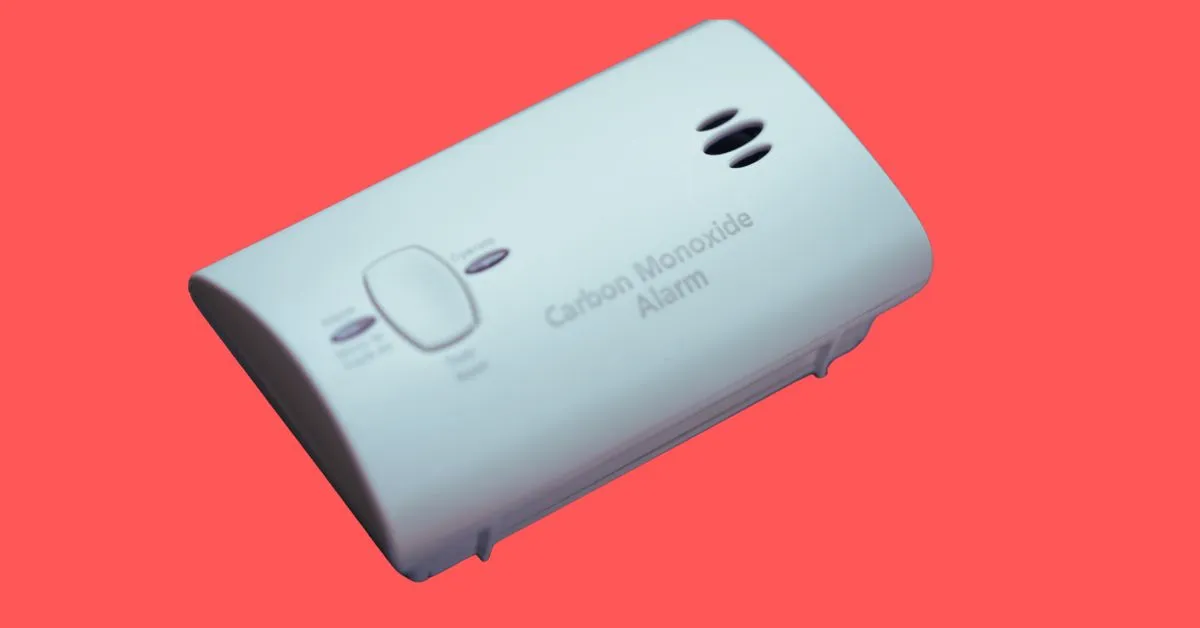
Somewhere between the power adapter and the spare pair of socks, most travelers forget the one small thing that could actually save a life on the road. A travel carbon monoxide detector is about the size of a deck of cards, weighs almost nothing, and quietly answers a question you should never have to guess about. Is the air in this room safe to sleep in?
Why This Tiny Safety Device Belongs in Every Travel Bag
Most of us pack the same way. We think about chargers, medicines, a spare outfit, and maybe a snack for the plane. Almost nobody thinks about the fuel-burning appliances that keep a building warm.
Carbon monoxide is a gas you cannot see, smell, or taste. It comes from things that burn fuel, like gas heaters, boilers, water heaters, fireplaces, generators, and charcoal grills. In a well-kept building it goes safely out through a vent or a chimney, and you never think about it again.
But vents get blocked. Chimneys get clogged. Old gas heaters crack and leak. A cabin that has sat empty for months gets opened up for your weekend stay. In those moments, the gas can build up in a room while everyone inside is asleep, and nobody notices anything at all.
Here is the part that surprises people. A standard hotel smoke alarm usually will not catch it. Smoke alarms are built to spot smoke and heat, not carbon monoxide. Those are two different jobs, and most rooms only have the first one covered.
A small battery-powered carbon monoxide detector changes that. It weighs only a few ounces, costs about as much as a nice dinner out, and travels with you on every trip for years. It also fits in a side pocket, which means it takes up less room than your phone charger.
If you mostly stay in modern city hotels with electric heating, the risk is low, and you might decide to leave it at home. But if your trips include cabins, RVs, guesthouses, farm stays, ski lodges, or older buildings with gas appliances, packing this little device is not overpacking. It is the cheapest peace of mind you will ever buy.
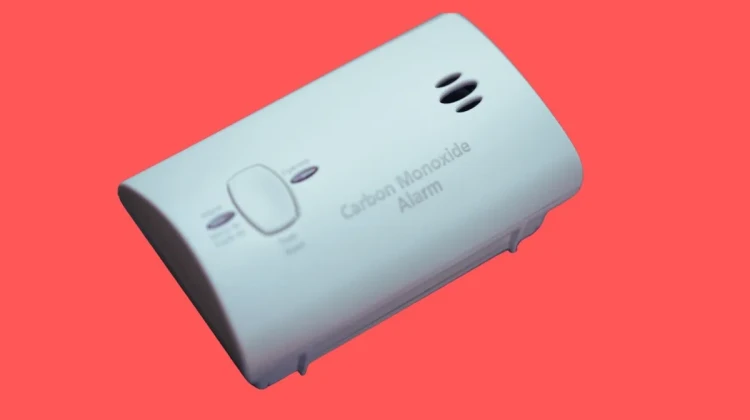
What to Look For in a Travel Carbon Monoxide Detector
Once you decide to carry one, the next question is which one to buy. The good news is that you do not need an expensive model. You need a few specific things, and they are easy to check before you spend any money.
Choose battery power over a plug
Get a unit that runs on batteries. A plug-in model ties you to one wall outlet and often needs an adapter in another country, which is exactly the kind of small hassle that makes people stop using a gadget. Batteries work everywhere, in every country, without a single adapter.
You have two options here. You can pick a model with replaceable AA or AAA batteries, which means you carry a spare set and swap them when needed. Or you can pick a sealed unit with a ten-year battery built in, which you never open and simply replace entirely when it finally runs out.
Look for a loud alarm and a clear display
An alarm should be rated at 85 decibels or higher, so it can wake you from deep sleep in a strange room. A digital display is also worth having, because it shows you the current level of carbon monoxide in the air. Watching that number stay at zero is oddly comforting on the first night somewhere new.
Check for a test and reset button as well. You want to be able to press it and hear the alarm go off, so you know the thing works before you trust it with your night.
Check for safety certification marks
Look for a recognized testing mark on the label. In the United States, that is usually UL. In much of Europe, it is often CE or EN 50291, and in the UK you will see a British Standard mark such as BS EN 50291.
Those marks mean an independent lab has tested the device against a real standard. Without one, you are trusting a plastic box and a promise from a seller you have never met.
Skip the unknown brands
There are plenty of very cheap detectors online with no certification and no clear instructions. Please leave those alone. A safety device that may not work is worse than no device at all, because it gives you false confidence in a room you cannot check yourself.
Stick with names you recognize, read a few recent reviews, and test the alarm at home before you pack it. Better to find out it is a dud in your own kitchen than in a cabin in the woods.
| Feature | What to look for | Why it matters |
|---|---|---|
| Power source | Battery, not a wall plug | Works in any country without an adapter |
| Battery style | Replaceable AA or AAA, or sealed ten-year | Easy to maintain on the road |
| Alarm volume | 85 decibels or more | Loud enough to wake you from sleep |
| Display | Digital readout of gas levels | Shows you the air is actually clear |
| Controls | Test and reset button | Lets you check it works before you sleep |
| Certification | UL, CE, or BS EN 50291 mark | Proves it passed independent testing |
| Size and weight | Fits in a toiletry bag, 3 to 6 ounces | You will actually carry it on every trip |
How to Pack It Without Adding Bulk or Wrinkles
The detector itself is not the packing problem. Three to six ounces is nothing at all. The real trick is giving it a permanent home in your bag so you never have to think about it again.
Give it a fixed pocket
Put the detector in a small pouch with your passport, power adapter, and eye mask. Those are the things you reach for on arrival, so the detector comes out at the same time and lands where it needs to be. If it lives loose in the bottom of a backpack, it will stay there for the whole trip.
Some travelers keep theirs in the top lid of a carry-on. Others tuck it into a toiletry bag beside a toothbrush. Pick one spot and keep it there for every trip, so packing it becomes automatic instead of a decision.
Balance the weight with what you wear
If you are worried about the extra ounces, wear your bulkiest items on travel day. Your heaviest shoes, your warmest jacket, and your thickest sweater do not need to be in the bag at all. That frees up far more weight and space than the detector ever costs you.
Build a simple, layer-friendly wardrobe
Trips that involve cabins and gas heaters are often trips with changeable weather. Thin layers handle that better than one heavy item, and they roll down smaller too.
Start with a thin merino tee or a soft cotton tee as your base layer. Add one lightweight linen shirt for warm afternoons and one packable down jacket for cold mornings. Bring one pair of comfortable walking shoes and one pair of sandals if the weather will be warm. In cold weather, add a beanie, gloves, and warm socks, but keep everything else thin and easy to layer.
Roll your clothes instead of folding them. Rolling saves space and cuts down on creases, especially with knits and linen blends. It also makes it easy to see everything in your bag at a glance, which means you pack less and forget less.
| Item | How many | Notes |
|---|---|---|
| Thin merino or soft cotton tee | Two or three | Base layer, easy to rinse and dry |
| Lightweight linen shirt | One | Good for warm days and evenings out |
| Packable down jacket | One | Squishes down into its own pocket |
| Comfortable walking shoes | One pair | Wear them on the plane if they are heavy |
| Sandals | One pair | Only if warm weather is likely |
| Beanie, gloves, warm socks | One set each | Cold-weather trips only |
Where to Put It in Your Hotel Room, Cabin, or RV
Placement matters more than most people expect. A detector shoved in a drawer or left inside a suitcase will not help you, no matter how good the device is.
Put it near where you sleep
Set the detector on a bedside table or a dresser, at about the height of your breathing. That is roughly where the air you breathe actually sits, and it is also close enough to wake you if the alarm sounds at three in the morning.
Keep it between five and fifteen feet from fuel-burning appliances like stoves, water heaters, and fireplaces. Do not place it directly above a heater or a stove, because normal puffs of exhaust can set off a false alarm and make you ignore the real thing later on.
Air out cabins and RVs
If you are staying in a cabin or an RV with a gas heater, crack a window for fresh air. A little ventilation goes a long way, and it keeps the air moving instead of sitting still and building up in one corner.
Test the alarm before your first night. Press the test button, listen for the sound, and reset it. It takes ten seconds, and it means you go to sleep knowing the device is awake and ready.
Know what to do if it sounds
If the alarm goes off, treat it as real. Get everyone outside immediately, including pets, and do not stop to gather belongings. Call the local emergency number once you are standing in fresh air.
If the alarm sounds, the only job you have is getting everyone outside. Everything else can wait.
Do not go back inside until firefighters or a qualified technician tells you it is safe. Carbon monoxide can linger in a room, and going back in to grab a phone charger is not worth the risk.
Simple Safety Habits for Every Kind of Stay
The detector is your backup plan. A few easy habits make it far less likely that you will ever need one.
Ask about the appliances
Ask your host or the front desk what kind of heating and cooking appliances are in the room. A simple question like "is there a gas heater or gas stove in the unit?" tells you a lot about what you are walking into.
If the answer involves an unvented gas heater in a bedroom, ask for a different room or a different unit. Sleeping in a room with one of those running all night is a risk you do not need to take on holiday.
Never bring the outdoors inside
Never use a portable generator, a charcoal grill, or a camp stove indoors or in a garage. This includes tents, RVs, and attached porches, even with the windows open. These devices put out carbon monoxide fast, and enclosed spaces hold it.
The same rule applies to running a car engine in an attached garage. Even with the garage door up, fumes can drift into the house and settle in the rooms above.
Keep the device in good shape
Test your travel detector once a month, even when you are at home. Replace the batteries once a year if your model uses replaceable ones, and replace the whole unit when a sealed battery finally ends its life.
Many detectors also chirp to tell you the battery is low. Do not ignore that sound and do not take the battery out to silence it. That chirp is the one noise you actually want to hear.
Listen to your body
If you feel dizzy, headachy, nauseous, or strangely tired in a room, get fresh air right away and tell someone nearby. Early carbon monoxide poisoning often feels like a bad headache or the start of the flu, so it is easy to brush off.
If the feeling fades when you step outside and comes back when you go in, that is a strong warning sign. Leave the building, and get help.
| Item | Packed? | Checked? |
|---|---|---|
| Travel carbon monoxide detector | Yes | Tested at home before the trip |
| Spare batteries | Yes | They match the model you own |
| Test and reset button | Built in | Pressed on arrival at the room |
| Local emergency number | Saved in phone | Written down as a backup |
One Small Item, One Much Better Night's Sleep
Packing well is mostly about solving small problems before they happen. A refillable water bottle solves thirst, and a packing cube solves mess. A tiny carbon monoxide detector solves something bigger, because it buys you a night of real rest in a room you have never slept in before.
It costs about as much as dinner, weighs less than a paperback, and lasts for years. For anyone who stays in cabins, RVs, hostels, guesthouses, or older buildings with gas appliances, that is an easy trade. Tuck it in your bag next to your passport, test it when you arrive, and then go enjoy your trip.
Frequently asked questions
✓ Kristina Mate
Founder & Lead Travel Editor · TravelStyleMate
Kristina is the founder and lead editor of TravelStyleMate. Over the past 8 years, she has explored 35+ countries across Europe, Asia, and the Americas—traveling almost exclusively with a single 40L carry-on bag. A dedicated solo traveler, she specializes in cobblestone-tested footwear, minimalist capsule packing formulas, and realistic transit logistics. Every packing rule, walking shoe, and itinerary on TravelStyleMate is personally tested on actual trips with real luggage constraints.
Testing Guarantee: Every packing rule, walking shoe, and transit route is personally tested with real luggage constraints. No paid rankings, no untouched gear, no AI fluff.
Related guides

How to Pack Silk Dresses and Tops Without Getting Wrinkles
Silk wrinkles from pressure, not delicacy. Learn the tissue-paper fold, smart outfits, and hotel-room tricks that keep silk smooth in any suitcase.
How to Travel with Only a Small Personal Bag and Pay Zero Fees
Learn to pack everything into one small personal item bag, skip airline fees, and move through airports and cities with a lighter, calmer trip.

Wool vs Linen: Which Fabric is Best for Traveling in the Heat?
Merino wool or linen for hot weather travel? See how each fabric handles sweat, wrinkles, and drying, plus simple outfits and a packing checklist.