Wool vs Linen: Which Fabric is Best for Traveling in the Heat?
Merino wool or linen for hot weather travel? See how each fabric handles sweat, wrinkles, and drying, plus simple outfits and a packing checklist.
 ✓
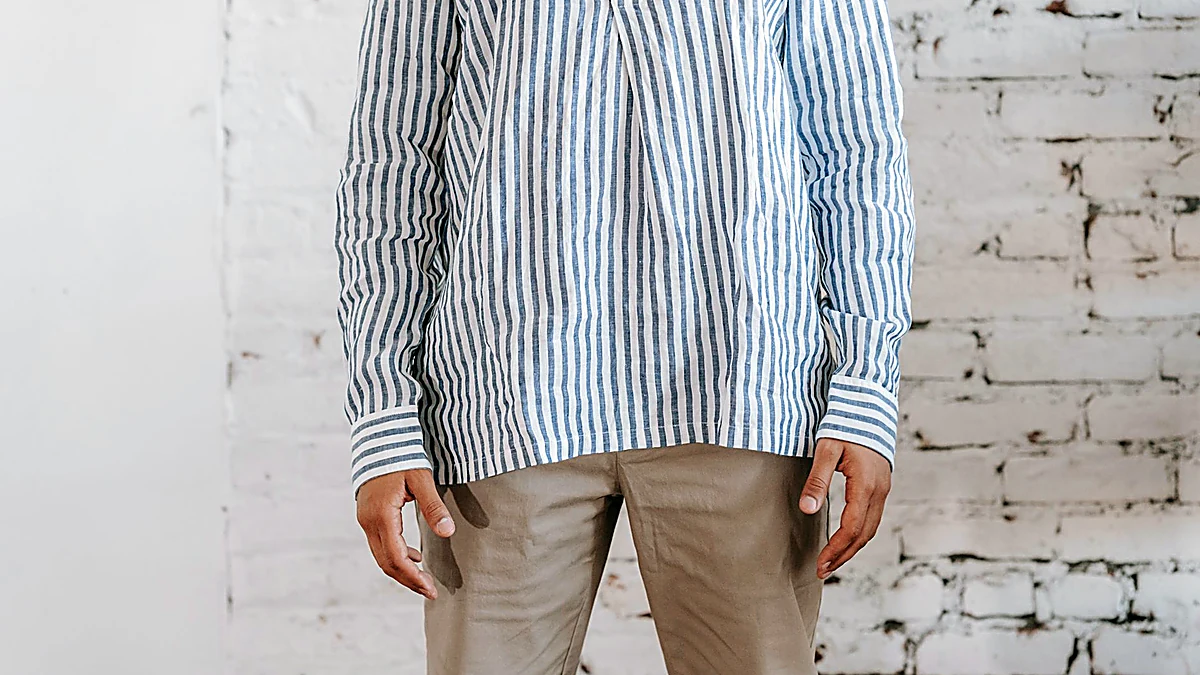
The most common packing mistake for a hot trip is filling your bag with thin cotton t-shirts. Cotton feels light in your hand, but the moment you start sweating it holds onto the moisture and turns heavy, clingy, and slow to dry. Wool and linen both handle heat far better, and they do it in two completely different ways.
Wool keeps you fresh when you are moving and sweating. Linen keeps you cool when the air is thick and still. Once you understand how each one behaves on your skin, packing for a hot city, a beach town, or a long walking day becomes a much simpler job.
Below you will find how each fabric really feels after a few hours in the heat, how to choose between them for your trip, simple outfits that mix both, and how to keep everything clean with nothing more than a sink.
What Wool and Linen Really Feel Like in the Heat
Many travelers still carry an old idea that all wool is thick, scratchy, and only meant for winter. That idea comes from heavy sweaters, not from the light wool used in travel clothing. Fine merino wool feels soft against your skin and behaves completely differently in warm weather.
Merino wool handles sweat and smell
Merino wool is spun from very fine fibers, so it feels smooth rather than itchy. Those fibers pull moisture away from your skin and let it escape into the air, which means a merino shirt does not turn damp and cold after a long walk. Instead it stays dry to the touch and comfortable.
Wool also resists odor in a way that cotton cannot. Smell comes from bacteria that need moisture to grow, and merino wool keeps the surface of the fabric drier. In practice, this means you can wear a merino tee for two or three days of sightseeing and still feel presentable at dinner.
The one thing merino wool does not love is a hot, still afternoon with no breeze at all. If you are sitting at a cafe in sticky air and barely moving, wool can feel warmer than you want it to.
Linen handles still, sticky air
Linen comes from the flax plant, and its fibers are slightly hollow. Air passes through them easily, so heat moves away from your body instead of sitting against your skin. This is why a linen shirt feels cool the moment you put it on, even on a humid day.
Linen also dries quickly when it gets wet, and it softens with every wash. The trade-off is wrinkles. Linen creases the moment you sit down or lean against a wall, and no amount of careful folding will stop it. Most people learn to accept the creases as part of the look.
Where linen struggles is during fast, sweaty activity. It does not manage moisture as well as merino, so a long hike in a linen shirt will leave you feeling wet and heavy by the end.
Both beat heavy cotton
Cotton soaks up sweat and holds it. That is why a cotton t-shirt feels great for the first hour and miserable for the next four. It also takes a long time to dry, which matters when you are washing clothes in a hotel sink. Merino wool and linen both dry faster and feel better against your skin once the heat builds.
If you want to see the difference for yourself, try a simple test on your next trip. Wear a merino tee on one long walking day and a linen shirt on another. Pay attention to how each one feels around lunchtime and again at the end of the afternoon. That single comparison will tell you more than any label or sales pitch.
This matters in places like Tokyo in July, Seville in June, or Montreal in August, where the heat and the humidity can surprise you even if you checked the weather every morning.
If your shirt is the thing you are thinking about at three in the afternoon, it is the wrong shirt.
How to Pick the Right Fabric for Your Trip
You do not have to choose one fabric forever. Most travelers are better off with a small mix of both, chosen based on how the trip will actually go. Three simple questions will get you most of the way there.

How hot and humid will it be?
Dry heat and humid heat feel different on your body, and they call for different fabrics. In dry heat, like Seville or parts of Morocco and California, sweat evaporates quickly and merino wool works beautifully because it manages moisture without trapping heat. In humid heat, like Tokyo, Bangkok, or New Orleans, the air is already full of water, so sweat cannot evaporate. That is when linen shines, because it lets air move across your skin.
How much will you walk?
If your days involve long walks, train stations, and a lot of time on your feet, lean toward merino wool. It keeps working as you sweat, does not cling, and stays fresh enough to wear again the next day. If your days are slower, with long lunches and short strolls, linen will feel better and look better on you.
Will you have easy laundry?
When you have a washing machine or a nearby laundry service, you can pack more linen and not worry about rinsing things by hand. When you are moving between cities every few days and washing in a sink, merino wool is the safer choice. It needs less washing, dries overnight in most cases, and never demands an iron.
| What you need | Best choice | Why |
|---|---|---|
| Long, sweaty walking days | Merino wool | Handles moisture and resists odor |
| Sticky, humid afternoons | Linen | Lets air move and feels cool on the skin |
| Little access to laundry | Merino wool | Wear it several times and air it out |
| Dinners and photos | Linen | Looks relaxed and clean in warm evening light |
| Rainy heat | Both | A merino base with a linen outer layer dries fast |
A smart mix is simpler than it sounds. Use a merino tee as your base layer against your skin, and use a linen shirt as a light outer layer you can open or take off as the day warms up. The wool deals with sweat, and the linen deals with style and airflow. Together they cover almost everything a hot trip can throw at you.
Simple Hot-Weather Outfits That Mix Both Fabrics
You do not need many clothes to handle hot weather well. What matters is how the layers work together and how quickly each piece dries when you wash it at night.
| Situation | What to wear |
|---|---|
| Museum and city walking day | Light merino tee, loose linen shorts, canvas sneakers |
| Dinner out | Linen button-down over a merino tank, thin linen trousers, leather sandals |
| Rainy heat | Merino polo, quick-dry linen pants, breathable trail shoes |
| Beach town morning | Linen shirt, loose cotton and linen blend shorts, slip-on shoes |
| Long travel day | Merino tee, stretchy linen trousers, merino socks, light breathable shoes |
Small details that make a big difference
Merino socks are one of the most useful things you can bring on a hot trip. Your feet sweat more than you notice, and wool socks keep them dry and comfortable, which helps prevent blisters during long walking days. They also resist smell, so one or two pairs are enough for a whole week.
For strong sun, a linen scarf or a wide linen hat works better than heavy cotton. Linen breathes, shades your skin, and dries quickly if you splash water on it to cool down. Light colors reflect heat instead of soaking it up, and they also show dried salt marks far less than dark colors do.
Adjust your mix based on the humidity. In sticky, wet air, wear more linen and keep the fit loose so air can move. When you are moving fast, sweating, and covering a lot of ground, wear more merino wool and let it do the work of keeping you dry.
Washing, Wrinkles, and Keeping Clothes Fresh on the Road

One quiet benefit of traveling with wool and linen is that you wash far less often. That saves time, saves coins at the laundromat, and keeps your clothes in better shape for the rest of the trip.
Merino wool: wash less than you think
Merino wool rarely needs a full wash, and washing it more often than necessary shortens its life. After a day of wear, hang it on a chair or a line and let it air out overnight. Small marks usually come out with a damp cloth and a little gentle soap.
When it does need a proper wash, use cool water and a mild detergent. Squeeze the water out gently instead of twisting the fabric, then roll the shirt in a towel to remove the rest of the water and lay it flat to dry. Never put merino wool in a hot dryer, because the heat will shrink it into something that fits a much smaller person.
Linen: wash it, shake it, wear it
Linen is much tougher than wool and can handle a gentle machine wash on a cool setting. A sink wash works just as well when you are on the road. Use cool water with a small amount of detergent, let it soak for a few minutes, then rinse it well and hang it up.
Linen dries quickly in warm air, and the wrinkles that form while it dries are simply how the fabric looks. If you want fewer creases, hang your linen shirt in the bathroom while you take a hot shower, and the steam will relax most of them. This also works for a linen shirt that spent the day folded in your bag.
Small tools that save a lot of trouble
- A stain stick. Treat food and sunscreen marks right away, before they set into the fabric overnight.
- Detergent sheets. They weigh almost nothing, never leak, and turn any hotel sink into a small laundry.
- A small laundry bag. It keeps damp or dirty clothes away from everything else in your suitcase.
- A travel clothesline. It gives your merino and linen a place to dry in the air instead of on a chair back.
Try to build a simple evening habit. Rinse what you wore, hang it to dry, and check it in the morning before you pack. Wool and linen both dry fast enough that this routine works in almost any climate, even in humid places where cotton would still be damp at breakfast.
Quick Checklist: What to Pack for a Hot Trip
Here is a short list that covers a week of hot weather with room to spare. Notice how few pieces there are, because each one earns its place.
- Two merino wool tees in light colors
- One linen shirt for evenings and slow mornings
- One pair of linen shorts or loose linen trousers
- Two pairs of merino socks to keep your feet dry
- One light linen layer, such as a scarf or a wide hat, for strong sun
- One breathable pair of shoes you have already broken in
- A small laundry bag, a stain stick, and a few detergent sheets
Choose merino wool for busy, sweaty days when you are walking a lot and do not want to think about your clothes. Choose linen for relaxed, humid days when you want to feel the air move and look a little more put together at dinner.
When in doubt, bring both fabrics in light colors and pack less overall. A bag with fewer, better pieces is easier to carry, easier to keep track of, and much easier to repack on a hot morning. You will stay cooler, fresher, and a lot happier on the road.
Frequently asked questions
✓ Kristina Mate
Founder & Lead Travel Editor · TravelStyleMate
Kristina is the founder and lead editor of TravelStyleMate. Over the past 8 years, she has explored 35+ countries across Europe, Asia, and the Americas—traveling almost exclusively with a single 40L carry-on bag. A dedicated solo traveler, she specializes in cobblestone-tested footwear, minimalist capsule packing formulas, and realistic transit logistics. Every packing rule, walking shoe, and itinerary on TravelStyleMate is personally tested on actual trips with real luggage constraints.
Testing Guarantee: Every packing rule, walking shoe, and transit route is personally tested with real luggage constraints. No paid rankings, no untouched gear, no AI fluff.
Related guides
The 7-Day City Trip Packing List: Easy Outfits for Every Day
Pack one small bag for seven days of city wandering. A simple color plan, easy mix-and-match outfits, and one gentle wash keep you light and calm.

How to Pack Clothes for Train Trips with Little Space
Pack light for train trips with a small soft bag, mix-and-match outfits, and easy sink washing. Stay comfortable on busy platforms and tight seats.
What to Pack for Spring and Fall Trips with Changing Weather
Pack light for spring and fall trips with a simple layer capsule. Learn what to wear when mornings are cold, afternoons warm up, and rain shows up.