Compression Socks for Long Flights: Why Your Legs Feel So Much Better
Why compression socks make long flights easier, how to pick a pair that fits well, and simple habits that keep your legs light after you land.
 ✓
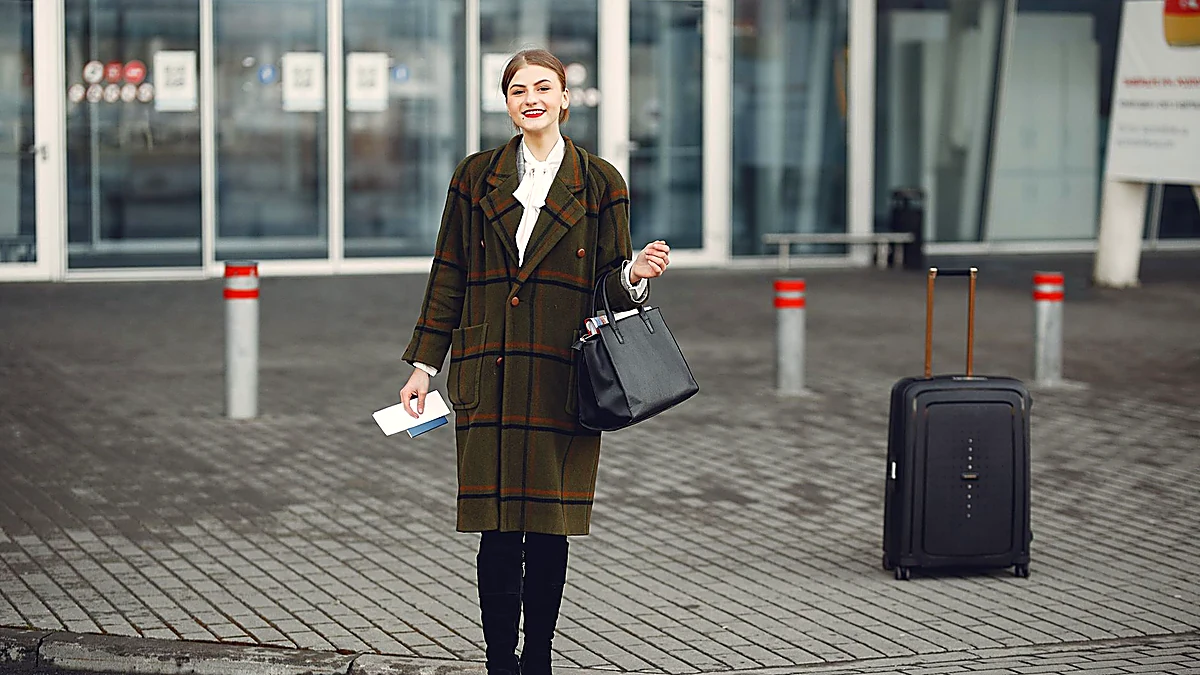
There is a moment near the end of every long flight when you stand up and your legs feel like they belong to somebody else. They are puffy, heavy, and a little achy, and the walk down the aisle to the exit feels much harder than it should. Compression socks are one of the simplest ways to change that feeling, and they take up almost no space in your bag.
If you have ever kicked off your shoes somewhere over the ocean and looked down at ankles that did not look like your own, you already understand the problem. Sitting in a small seat for eight or ten hours is simply not what your body was built for. Your legs notice, and they let you know.
The good news is that you do not need fancy gear or a medical appointment to feel better when you land. You need one small pair of socks, a comfortable fit, and a few easy habits that you can do right from your seat.
What Compression Socks Actually Do on a Long Flight
Compression socks put gentle pressure on your ankles and calves, and that pressure helps your blood keep moving while you sit still for hours. The squeeze is strongest around your ankle and gets lighter as it moves up your leg. It works a little like a friendly hand that keeps nudging the blood back up toward your heart instead of letting it settle down near your feet.
Think about how your legs work when you walk. Every step squeezes the muscles in your calves, and those muscles help push blood upward through the veins in your legs. When you sit for a long time, that squeezing stops almost completely. Your blood has to travel a long way uphill with very little help, so some of it slows down and pools in your lower legs.
That pooling is why your ankles look wider after a long flight and why your calves feel like they are filled with sand. The skin around your ankles may feel tight, and your shoes might suddenly seem half a size too small. A light, steady pressure from a good pair of socks gives your veins a little extra help with the job.
Many travelers notice less swelling, less heaviness, and fewer aches after they land. Some people also say their feet feel warmer, which makes sense because warm feet usually mean blood is moving well. For anyone who spends a lot of time on planes, this small change can make a real difference in how the first day of a trip feels.
It is important to be honest about what these socks are and what they are not. They are not a cure for anything, and they do not replace the advice of a doctor. If you have a heart condition, diabetes, circulation problems, or you are pregnant, it is worth a quick conversation with your doctor before you buy a pair. That conversation takes five minutes and gives you peace of mind for the whole trip.
The other thing to remember is that tighter is not better. A sock that digs into your skin, leaves deep marks, or makes your toes tingle is not helping you. The whole idea is gentle, comfortable pressure that you can happily wear for ten hours without thinking about it.
A good pair of compression socks should feel like a soft hug around your calf, not like a hand squeezing your leg. If you notice them all the time, they are probably too tight.
How to Pick the Right Pair for Plane Travel
Size matters far more than brand, and this is where most people go wrong. Before you buy anything, take a soft tape measure and check two things. First, measure the widest part of your calf, usually a few inches below your knee. Second, measure the length of your foot from your heel to the tip of your longest toe.
Once you have those numbers, compare them to the size chart on the product page and pick the size that matches your measurements, not your shoe size and not the size you wear in everyday socks. If you land between two sizes, it is usually better to go with the larger one. A slightly roomy sock will still do its job, but a sock that is too small will be uncomfortable and may even slow your blood flow instead of helping it.
Pressure is measured in a unit called mmHg, and the numbers look confusing at first. Here is a simple way to think about them.
| Pressure level | What it feels like | Who it usually suits |
|---|---|---|
| 8 to 15 mmHg | Very light, almost like an everyday sock | Short flights and mild tiredness |
| 15 to 20 mmHg | A gentle, steady hug around the calf | Most healthy travelers on long flights |
| 20 to 30 mmHg | Noticeably firm and supportive | Usually chosen on a doctor's advice |
| Over 30 mmHg | Very firm and harder to pull on | Medical use, guided by a professional |
For most healthy travelers, a mild pair around 15 to 20 mmHg is a common starting point. If your doctor has recommended more support, follow that advice instead of guessing. You can always ask a pharmacist or a nurse to help you read the label if the numbers are unclear.
Now look at the details of the sock itself. Smooth seams matter, because a rough seam rubbing against your skin for ten hours can turn into a sore spot. Look for a wide top band that sits flat and does not dig into your calf. Breathable fabric helps too, since cabins can feel warm and stuffy even when the air outside is freezing.
Finally, try them on at home before your trip and wear them for about an hour while you walk around, sit down, and climb a few stairs. That hour tells you more than any review can. You will know right away whether the top band digs in or whether the heel sits in the right place. Pack a spare pair as well, because one pair can get damp, lost, or borrowed by a travel companion.
What to Wear With Them and How to Stay Comfortable
The clothes you wear over your compression socks can make the whole idea work or ruin it completely. The goal is simple. You want the sock to stay smooth against your skin, and you want nothing pulling or bunching around your calf. Loose pants, soft joggers, a long skirt, or a relaxed dress all do this well.
Tight skinny jeans are the one thing worth avoiding on a long flight. They press against the sock, push it down, and create folds that rub your skin. If you love the look of narrow pants, save them for the day after you land and wear something softer on the plane.
Shoes deserve just as much thought. Choose roomy sneakers or slip-on shoes that let your toes spread out, because your feet often swell a little during a long flight. Lace your shoes a bit looser than usual, or better still, wear a pair with an adjustable strap or an easy slip-on design. You want to be able to slide them on and off without a struggle.
Cold cabins change the plan slightly. If your feet tend to freeze at altitude, you can wear a thin merino pair over your compression socks, but only if everything still fits comfortably and nothing feels tight. If it feels tight, choose one pair or the other. On the other end of the scale, if you are landing somewhere warm, light cotton or linen pants keep you cool while still covering your socks.
Color is a small but useful detail. Dark compression socks in black, navy, or charcoal disappear under almost any travel outfit, whether you are walking through a Tokyo train station in spring or landing in Copenhagen on a bright summer afternoon. Nobody will notice them, and that is exactly what you want.
Here are a few outfits that work well on a long flight, along with the reason each one makes sense.
| Bottom half | Shoes | Why it works |
|---|---|---|
| Loose linen or cotton pants | Roomy white sneakers | Airy when you land somewhere warm, and it hides the sock line |
| Soft joggers with a drawstring | Slip-on shoes | Quick through security and easy to move in |
| A long skirt or a relaxed dress | Flat shoes or sandals | Comfortable in warm places and simple to layer |
| Dark trousers in a soft stretch fabric | Loafers or simple flats | Tidy enough for a night flight and still very comfortable |
What you do during the flight matters just as much as what you wear. Stand up and walk down the aisle about once an hour when the seatbelt sign allows it. When you are sitting, circle your ankles slowly in both directions and point your toes a few times. These small movements keep your calf muscles working, which is exactly what helps your blood keep moving.
Drink more water than you think you need, because dry cabin air pulls moisture out of your body. Skip the salty snacks if you can, since salt makes your body hold on to water and that shows up in your ankles. Go easy on alcohol too, because it dries you out and often makes swelling worse. A light scarf or a thin cardigan is a smart addition, since cabins can turn chilly after the meal service.
Keeping Socks Fresh and Clothes Wrinkle-Free on the Road
One worry people have about compression socks is keeping them clean on a long trip. The answer is much easier than you might expect. At the end of the day, rinse them in a sink with a little mild soap and lukewarm water. Squeeze the water out gently with your hands instead of twisting them, then roll them in a towel and press down to soak up the extra moisture.
After that, hang them over a chair, a shower rail, or a towel bar and let them dry overnight. Most pairs are made from quick-drying fabrics and are ready by morning. Because of that, two pairs are plenty for a week of travel, and three pairs give you real breathing room on a longer trip.
While you are already in the bathroom, you can deal with the rest of your clothes too. Unpack soon after you arrive instead of leaving everything in the suitcase for two days. Hang your shirts in the bathroom while you take a hot shower, because the steam gently relaxes small creases. A light travel spray for wrinkles works well for anything stubborn, and it takes only a minute to use.
Roll your knitwear instead of folding it, since rolling keeps sweaters round and soft rather than flat and lined. Keep dirty items in a separate pouch so they do not touch your clean clothes, and save one small bag for laundry. These habits take a few minutes each evening, and they keep your whole bag feeling organized for the whole trip.
Quick Checklist Before You Fly
If you remember nothing else from this guide, these few steps will carry you through most trips. Run through the list a day or two before you leave, when you still have time to order a different size if something feels off.
- Measure your calf at its widest point and your foot from heel to toe. Write the numbers down before you shop.
- Pick a pair with a pressure level that suits you, usually a mild 15 to 20 mmHg for most healthy travelers.
- Check the seams, the top band, and the fabric, and choose something that feels smooth rather than scratchy.
- Wear them at home for about an hour to make sure they feel comfortable.
- Pack one spare pair, and put both pairs in an easy-to-reach spot in your carry-on.
- Choose loose pants and roomy shoes for the flight itself.
- Stand up and walk every hour when you can, and circle your ankles while you sit.
- Drink water, go easy on salty food and alcohol, and keep a light layer nearby.
- After you land, take the socks off if you like and slip on a fresh pair of everyday socks.
- If you have circulation problems or you are simply unsure, ask your doctor before you fly.
None of this takes much effort, and none of it costs much money. A single comfortable pair of socks and a few small habits can change how the first day of your trip feels. Instead of arriving tired and achy and wanting nothing more than a bed, you can step off the plane with legs that feel light and ready to walk.
Travel is already full of things you cannot control, like delays, seat assignments, and the person who reclines all the way back. Your legs are one thing you can look after, and they will thank you for it every time you land.
Frequently asked questions
✓ Kristina Mate
Founder & Lead Travel Editor · TravelStyleMate
Kristina is the founder and lead editor of TravelStyleMate. Over the past 8 years, she has explored 35+ countries across Europe, Asia, and the Americas—traveling almost exclusively with a single 40L carry-on bag. A dedicated solo traveler, she specializes in cobblestone-tested footwear, minimalist capsule packing formulas, and realistic transit logistics. Every packing rule, walking shoe, and itinerary on TravelStyleMate is personally tested on actual trips with real luggage constraints.
Testing Guarantee: Every packing rule, walking shoe, and transit route is personally tested with real luggage constraints. No paid rankings, no untouched gear, no AI fluff.
Related guides
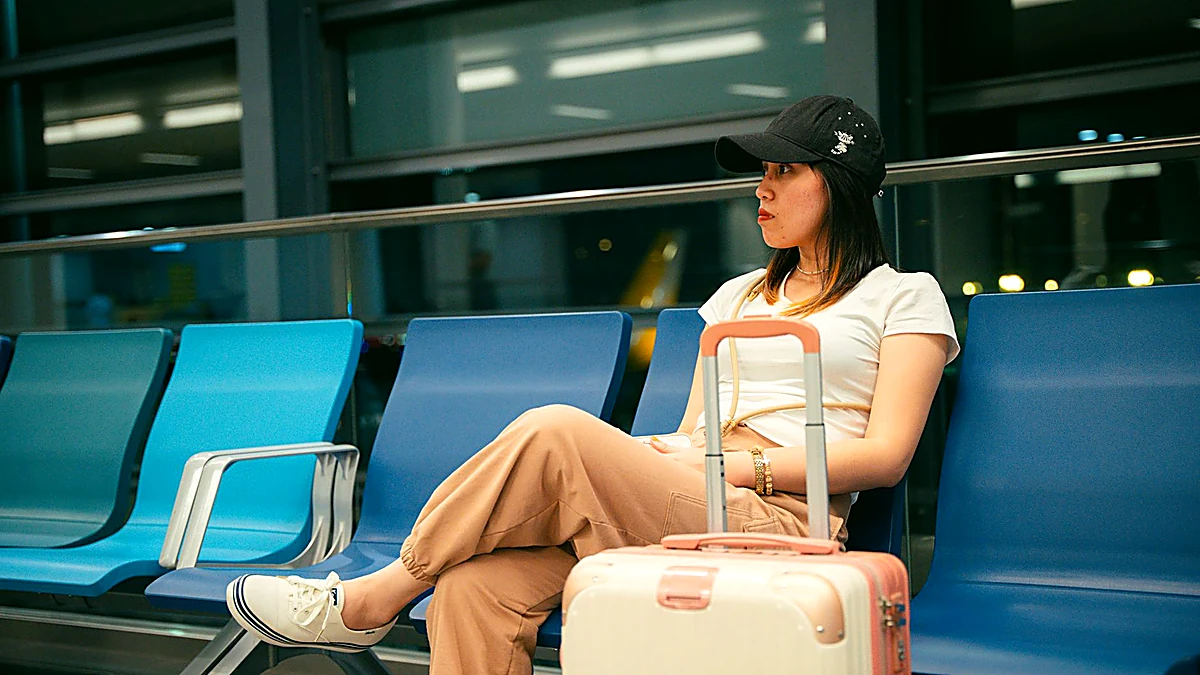
How to Layer Your Clothes for Cold Airplanes and Hot Airports
Learn the simple three-layer rule for flights: thin base, warm middle, packable outer. Stay comfortable from a hot terminal to a cold cabin.

How to Stop Dry Skin on Long Flights with 3 Simple Steps
Learn a simple three-step plan to keep your skin soft on long flights, using a tiny pouch, smart drinks, and cozy layers you can pack in minutes.
What to Wear Through Airport Security to Get Through Lines Fast
Choose slip-on shoes, soft layers, and pocket-free outfits so you sail through airport security and spend your time on the trip, not the line.