How to Stop Dry Skin on Long Flights with 3 Simple Steps
Learn a simple three-step plan to keep your skin soft on long flights, using a tiny pouch, smart drinks, and cozy layers you can pack in minutes.
 ✓
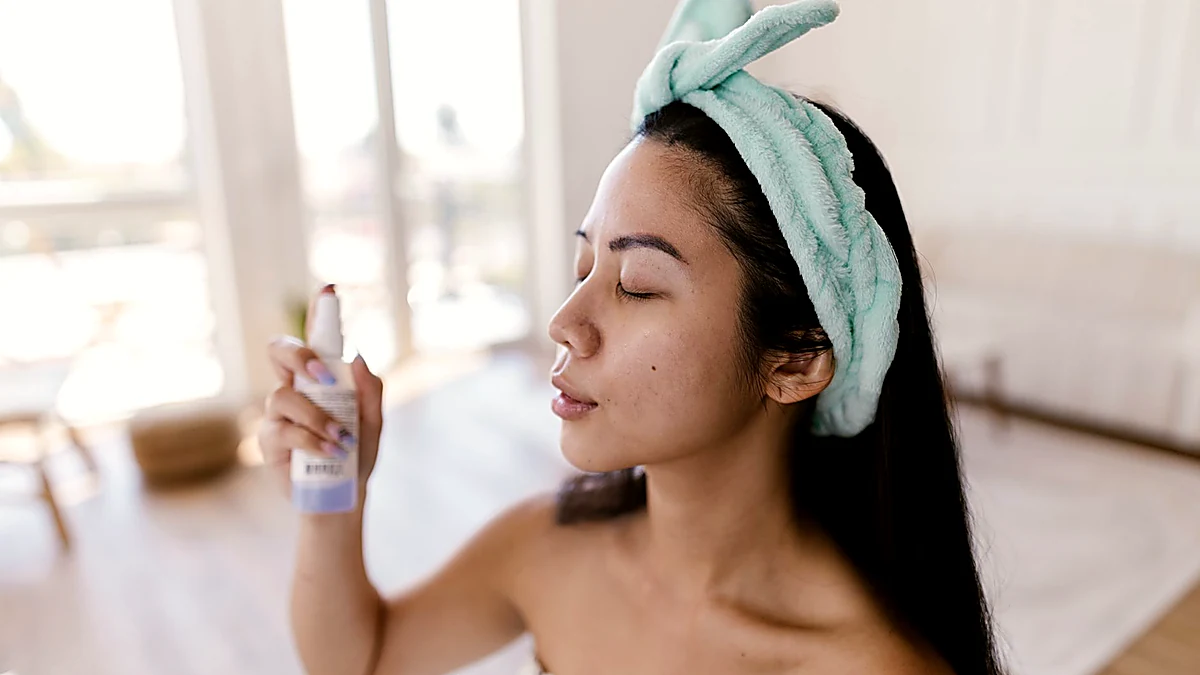
Most people blame the airplane for their dry skin, and then they do the same three things that make it worse. They forget to drink water, they order wine with dinner, and they fall asleep with the cold air vent pointed straight at their face. By the time the seatbelt sign comes on for landing, their cheeks feel tight, their hands feel itchy, and their lips have a rough, flaky edge. The good news is that fixing this does not take a long routine or a bag full of expensive products.
You only need three simple steps that fit into the trip you are already taking. You prep your skin before you leave home, you protect it while you fly, and you reset it once you land. Everything else is a small detail, and this guide walks you through all of them so you can step off the plane feeling comfortable and fresh.
Why Airplane Travel Dries Your Skin
Cabin air holds very little moisture. Airlines pull in outside air at high altitude, where there is almost no water in it, and then they warm that air up for the cabin. The warm, dry air slowly pulls water out of your skin for the whole flight. You may not notice anything in the first hour, but by hour four your face feels tight, your hands feel rough, and your lips start to crack at the corners.
Your skin has a natural outer layer that holds water in, and dry air wears that layer down. When the layer gets weak, water escapes much faster, and that is why a single long flight can leave you looking tired even after you slept well.
Long flights are harder than short ones for one simple reason. The longer you sit in dry air, the more water your skin loses, and the harder it becomes to keep up. A three-hour flight might leave you with slightly dry cheeks, while a twelve-hour flight can leave your whole face feeling rough and tight.
People often blame the plane food or the recycled air for dull skin and small breakouts, but most of what they see is plain dehydration. Skin that has lost water looks flat, fine lines look deeper, and any small spot looks angrier than it really is. Add a few more hours and the dryness reaches your hands, your elbows, and your shins as well.
The small habits that make it worse
A few common airplane habits speed the dryness up. Alcohol and coffee both make your body lose water, and the salty snacks that usually come with them do not help either. Hot cabin drinks feel soothing going down, but they can leave your lips drier than before if you do not drink plain water alongside them. Add a cold air vent blowing across your face for six hours, and your skin never gets a chance to catch up.
There is a rubbing problem too. A stiff collar, a scratchy blanket, and the rough fabric of the seat can all pull at skin that is already dry, which is why so many people step off a plane with red patches on their cheeks and chin. Soft layers help far more than most people expect.
What actually helps
You do not need a complicated routine with ten products. You need to add water back and stop it from escaping. Three moves do most of the work, and they are simple enough to repeat on any flight: drink water often, keep your skin covered with a soft layer of moisturizer, and keep a tiny pouch of basics within reach so you actually use them.
Dry airplane skin is not a skin type. It is a water problem, and water problems have simple answers.
Step 1: Prep Your Skin Before You Leave Home
The work you do on the morning of your flight matters more than anything you do at 30,000 feet. Think of it as putting a soft coat on your skin before the dry air ever gets a chance to touch it. If your flight leaves early, you can pack the pouch the night before so the morning stays calm.
Your morning routine on flight day
Wash your face with a gentle cleanser that does not leave your skin squeaky or tight. Then, while your skin is still slightly damp, smooth on a rich moisturizer. Damp skin soaks up the cream and holds the water in, and this one small change makes a real difference.
Follow with a layer of lip balm and a generous amount of hand cream, and rub the extra into your cuticles. If your eyes usually feel scratchy on planes, tuck in a small bottle of eye drops as well. Give the moisturizer a few minutes to settle before you put on sunscreen or makeup, so it stays where you put it.
Skip harsh scrubs, strong peels, and any strong skin treatment on flight day. Your skin is about to spend hours in dry air, and it does not need extra stress on top of that. Save the deeper treatments for a quiet night at home, well before or well after your trip.
What goes in your tiny pouch
A clear quart-size pouch is plenty, and it fits easily in your personal item so you never have to dig through an overhead bin. Here is what to include.
- A small tube of gentle cleanser for a mid-flight or landing freshen-up.
- A thick, rich moisturizer that feels comfortable on your face and hands.
- Lip balm, ideally two so one can live in your pocket.
- Hand cream, because airplane hands get very dry.
- Eye drops for scratchy, tired eyes.
- A hydrating face mist or a gentle serum for a quick refresh.
- Sunscreen for daytime flights, since window light is strong at altitude.
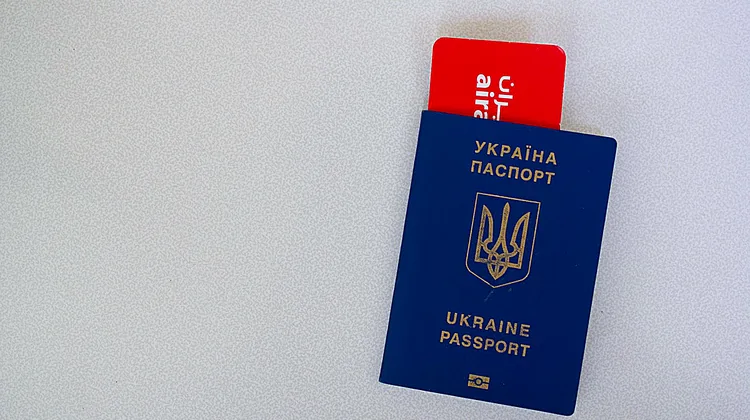
Tiny pouch, big comfort for long flights.
Keep the pouch next to your seat rather than in your suitcase. A pouch you can reach without standing up is a pouch you will actually use, and that is the whole point of this step. Everything inside should be travel size, which also means it takes up almost no room in your bag.
What to wear so nothing rubs you the wrong way
Choose a soft scarf and loose layers that do not press against your skin. Cotton and merino wool feel gentle, while stiff collars and tight waistbands can leave marks after a few hours of sitting still. Slip-on shoes with soft socks are easier on your feet than laces, especially when your ankles start to swell late in the flight.
It also helps to skip heavy perfume or strong scented lotions on travel day. Dry skin is more sensitive than usual, and simple, lightly scented products are kinder to it. The simpler your setup, the more likely you are to keep using it.
Step 2: Your Simple In-Flight Skincare Routine and Cozy Layers
Once you are in your seat and the plane has leveled off, the routine becomes a small rhythm that takes about two minutes each time. You are not building a spa at your seat. You are simply topping up what the dry air keeps taking away.
The every-two-to-three-hours rhythm
Right after takeoff, drink a full glass of water. This sets the tone for the rest of the flight and gives your body something to work with. Then, every two to three hours, do the same short round of steps.
- Put on lip balm and hand cream.
- Pat a little moisturizer onto your face, your neck, and the backs of your hands.
- Use eye drops if your eyes feel scratchy or heavy.
- Drink another glass of water.
If the air vent is blowing on your face, drape your scarf over your shoulders and chest, or turn the vent so it points away from you. This single adjustment keeps the dry breeze off your skin and makes your moisturizer last much longer. It also helps you relax, because nobody sleeps well with cold air hitting their forehead.
Sleep is part of the routine as well. If you plan to nap, do your cream round just before you settle in, and keep your lip balm and hand cream within easy reach so you can use them if you wake up. Tucking the scarf behind your neck gives you a small pillow and keeps your face away from the seat fabric at the same time.
One gentle warning is worth repeating here. Do not overdo the products just because the air is dry. Piling on many layers at once can leave your skin feeling sticky and uncomfortable, and it will not hold any more water than a single good layer. Small amounts, applied often, work best.
Drinks that help and drinks that hurt
Plain water is your best friend on a long flight, and sparkling water works nearly as well. Herbal tea is a good warm option because it adds water without caffeine. Alcohol and strong coffee both pull water out of your body, so if you do enjoy a glass of wine, balance it with at least one extra glass of water.
Salty snacks are worth watching too. Pretzels, chips, and instant noodles all make you thirstier, which is a sign your body wants more water than it is getting. If you can, bring a few pieces of fruit or a small bag of nuts to balance things out. Filling your water bottle after security makes all of this much easier to keep up with.
Layers that make the whole routine easy
Cabin temperature swings a lot during a long flight. It can be warm while you board and freezing three hours later, and layering up or down is easier than asking for extra blankets. Soft cotton or merino layers, a loose linen shirt, stretchy pants, and slip-on shoes with socks cover almost every situation.
If the plane turns cold, add a thin cardigan over your shirt. If it turns warm, keep the scarf nearby as a light cover you can pull off in seconds. A scarf doubles as a pillow and as a shield from the vent, which makes it the most useful piece of clothing you can bring.
| Layer | Why it works on a long flight |
|---|---|
| Soft cotton or merino base top | Feels gentle on dry skin and breathes well |
| Loose linen or cotton shirt | Sits away from your skin so nothing rubs |
| Thin cardigan or light sweater | Easy to add or remove as the cabin temperature changes |
| Stretchy pants with a soft waistband | Comfortable when you sit for many hours |
| Large soft scarf | Works as a cover, a pillow, and a shield from the vent |
| Slip-on shoes with socks | Quick to remove for security and warm for cold cabins |
When your clothes feel comfortable, you stop fidgeting, and your skin steps become easy to keep up with. It all works together, and that is why this step is as much about what you wear as what you put on your face.
Step 3: Arrive Fresh and Reset Your Skin
Landing is the moment when you want to look and feel like a person again, rather than someone who has been sitting in dry air for eight hours. A short reset before you walk off the plane and another one soon after you arrive make a big difference.
The last thirty minutes before landing
About half an hour before you land, splash your face with cool water if you can get to a bathroom, or use a gentle wipe if you cannot. Then reapply your moisturizer, your lip balm, and your hand cream. Drink one more full glass of water so you are not starting your day already behind.
If you have a hydrating mist in your pouch, this is a good moment for it. A light mist feels refreshing and helps your moisturizer spread evenly across your face. A quick comb through your hair and a fresh swipe of lip balm also make a surprising difference to how awake you look in the arrivals hall.
Landing fresh and ready to explore.
The first hour after you land
At the airport or the hotel, wash your face again with your gentle cleanser and put on moisturizer right away. Travel dirt, recycled cabin air, and a long nap all leave a film on your skin, and a quick wash clears it off. It takes two minutes, and it changes how the rest of your day feels.
If the air where you are staying feels dry, hang a damp towel in your room or run a small humidifier overnight. Change into a fresh, soft top if you have one packed, because clean fabric against your skin helps you feel normal again. A little time outdoors in fresh air does a lot of good as well.
Drink water through the rest of your arrival day. It is tempting to celebrate with coffee or a cocktail, but your body is still catching up from the flight, and plain water will do more for your skin than anything else in the first few hours. If you cross several time zones, keep sipping water for the first day or two and your skin will settle faster.
Quick Checklist for Soft Skin on Any Long Flight
Keep this list short and repeatable, and you will never have to think hard about it again.
- Pack a small clear pouch with gentle cleanser, rich moisturizer, lip balm, hand cream, eye drops, a hydrating mist, and sunscreen for daytime flights.
- Bring a refillable water bottle and fill it after security so you can drink often.
- Wear soft layers, slip-on shoes with socks, and a scarf you can use as a pillow or a cover.
- Skip alcohol, harsh scrubs, and strong skin treatments on travel days.
- Repeat the three steps: prep before you fly, protect while you fly, and reset when you land.
If your skin is very sensitive, trim the list down to the four things you truly need: a gentle cleanser, a rich moisturizer, lip balm, and hand cream. The point is not to carry more, but to use the small amount you bring. A pouch with four useful items beats a huge bag you never open.
None of this takes much space in your bag or much time on your trip. A tiny pouch, a few glasses of water, and clothes that feel good on your skin are enough to keep your face comfortable from takeoff to touchdown. Keep it small and simple, and your skin will thank you.
Frequently asked questions
✓ Kristina Mate
Founder & Lead Travel Editor · TravelStyleMate
Kristina is the founder and lead editor of TravelStyleMate. Over the past 8 years, she has explored 35+ countries across Europe, Asia, and the Americas—traveling almost exclusively with a single 40L carry-on bag. A dedicated solo traveler, she specializes in cobblestone-tested footwear, minimalist capsule packing formulas, and realistic transit logistics. Every packing rule, walking shoe, and itinerary on TravelStyleMate is personally tested on actual trips with real luggage constraints.
Testing Guarantee: Every packing rule, walking shoe, and transit route is personally tested with real luggage constraints. No paid rankings, no untouched gear, no AI fluff.
Related guides
How to Layer Your Clothes for Cold Airplanes and Hot Airports
Learn the simple three-layer rule for flights: thin base, warm middle, packable outer. Stay comfortable from a hot terminal to a cold cabin.
What to Wear Through Airport Security to Get Through Lines Fast
Choose slip-on shoes, soft layers, and pocket-free outfits so you sail through airport security and spend your time on the trip, not the line.

How to Pack Your Under-Seat Bag So You Can Find Everything Fast
Pack one small under-seat bag in three simple zones so your hand finds your charger, snacks, and passport in seconds, without standing up mid-flight.