How to Break In New Walking Shoes Before Your Trip Starts
Learn a simple two-week plan to soften stiff new walking shoes at home, so your first travel day is spent exploring instead of hunting for bandages.
 ✓
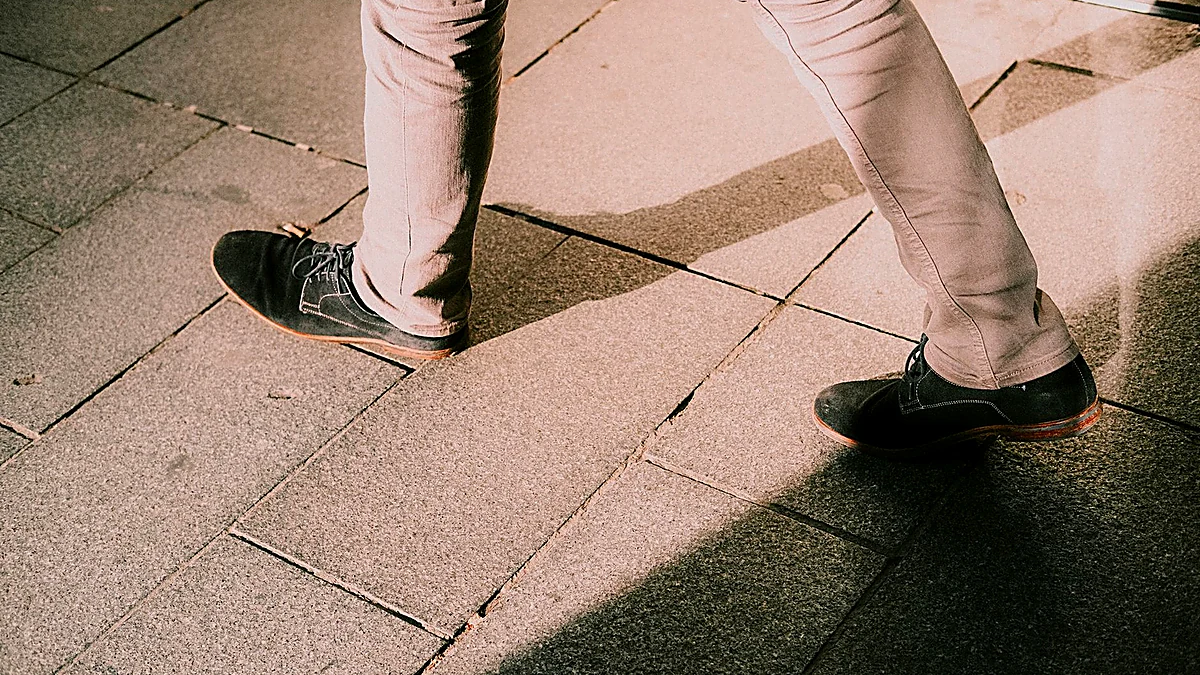
You bought a new pair of walking shoes for your trip, and they look great. They felt supportive in the store, the arch felt right, and you are excited to wear them. Then you picture yourself stepping off a plane in a new city, pulling a suitcase behind you for forty minutes, and feeling the first small rub at the back of your heel. That rub is the moment a lovely trip can start to feel like a chore. The good news is that you can fix it before you leave home, and it takes far less effort than most people think.
Why Brand-New Shoes Can Ruin Your First Day
Shoes feel stiff when they are new because nothing about them has bent to your feet yet. The upper, which is the part that wraps around your foot, is still in the shape the factory gave it. The sole is flat and firm, and the soft padding inside has not yet pressed into the spots where you put the most weight. Everything is still straight and even.
Your feet are not straight and even. Everyone has a slightly different shape, a different arch, and a slightly different way of landing on the ground. So when you first slide into a brand-new pair, the back edge of the heel rubs against your skin, the front of the shoe presses on your toes, and the cushioning feels hard instead of soft.
Most of us wear new shoes for a few minutes at home, decide they are fine, and then pack them for the trip. But a few minutes in the living room tells you almost nothing. Your feet do not swell in the living room the way they do after a long flight, and they do not get warm and damp the way they do after a mile of walking.
Why the first day of a trip is the hardest on new shoes
Think about how the first day usually goes. You land in Tokyo or Munich, tired and a little foggy from the flight, and you walk forty minutes to your hotel because the station layout confused you. By the time you drop your bag on the bed, your heel is sore and the top of your little toe is stinging. That is exactly how blisters begin, and it is a very ordinary way to lose an afternoon you were looking forward to.
There is another small detail that catches people out. Feet swell during a long flight, and they also swell as the day goes on. A shoe that felt comfortably snug at home at nine in the morning can feel tight and pinching by three in the afternoon. That is why a shoe can seem fine in the store and painful on the street.
Here is the good part. Breaking in shoes is not hard work. It is not a project that needs special tools, and you do not have to plan your whole week around it. It simply needs a bit of time and a handful of short walks, done in the days before you leave.
A Simple Two-Week Plan to Break Them In
The idea is to start small and build up slowly. You want your feet and your shoes to get used to each other in easy steps, not in one long push that leaves you sore. Two weeks is a comfortable amount of time, but even ten days of steady short walks will make a real difference.
| Days | What to do | How long |
|---|---|---|
| Days 1 and 2 | Wear them around the house while you cook, fold laundry, or tidy up. | 20 minutes each day |
| Days 3 to 5 | Take a short walk around your block, then a slightly longer one. | 15 minutes, then 30 minutes |
| Days 6 to 9 | Wear them for a real errand: the market, a museum, or a walk to a coffee shop a mile away. | About 1 hour |
| Days 10 to 14 | Do one long walk on hard pavement, the kind of surface you will meet on your trip. | 2 hours |
Small habits that make a difference
At the end of each walk, take a minute to bend the shoes gently with your hands. Press the toe area down and roll it, then flex the middle of the shoe. This loosens the stiff parts and speeds up the softening without wearing your feet out. Do it slowly and stop if you feel anything crack.
If one spot keeps rubbing in the same place, treat the shoe rather than your skin. A thin protective patch or a tiny dab of shoe balm on the stiff leather edge can soften it nicely. Rub the balm into the inside of the shoe and let it sit overnight, then wipe off the extra in the morning. Never put balm on your skin, because it will not help there and it can make your foot slide around.
There is one old trick you should skip. Some people soak new shoes in water, wear them until they dry, and hope they mold to their feet. It rarely works well. Water can warp leather, weaken the glue between the sole and the upper, and leave a musty smell that never quite goes away. Slow walking is better and much kinder to your shoes.
A quick lacing fix for a loose heel
If your heel slips up and down as you walk, the laces are often the problem rather than the shoe. Try the heel lock method, which is popular with runners. Lace your shoes as usual up to the second-to-last hole, then thread each lace end back through the last hole on the same side to make a small loop. Cross the two loops over each other, thread the lace ends through the opposite loop, and pull. This pulls the top of the shoe snug around your ankle and stops the rubbing at the back of your heel.
A shoe that has already walked a few miles with you is a very different shoe from one that has only walked around a store.
What to Wear and Pack for Long Walking Days
Your socks matter just as much as your shoes. Thin merino wool socks and soft cotton-blend socks reduce rubbing far better than thick athletic socks, which tend to bunch up inside the shoe and create pressure points. Wool sounds warm, but a thin wool sock breathes well, keeps its shape, and stays comfortable even when your feet get a little damp.
One simple rule saves a lot of pain. Do not wear brand-new socks on the same day as brand-new shoes. Change one thing at a time, so if something starts to rub, you know exactly what caused it.
Your trousers matter too. Lightweight trousers and loose linen pants work well because they do not drag on the ground and do not trap heat around your legs. Leave the heavy denim for travel days, when you are mostly sitting on a plane or a train and comfort matters more than anything else.
If you are visiting a rainy city like Copenhagen or Edinburgh, choose shoes that already feel soft and broken in, and pack a spare pair of insoles. If one set gets damp, you can swap it out and let the wet one dry overnight instead of walking around in a soggy shoe the next morning.
Trips that mix warm and cool weather are the trickiest to pack for. In that case, bring one thin no-show sock and one light crew sock. That way you can adjust to the day without adding any real weight to your bag.
| What to pack | Why it helps |
|---|---|
| Thin merino wool socks | They stay dry, keep their shape, and cut down on rubbing. |
| Soft cotton-blend socks | A gentle everyday choice that feels smooth against the skin. |
| Lightweight trousers | They do not drag on the ground or trap heat around your legs. |
| Loose linen pants | They keep you cool and move easily when you walk a long way. |
| A spare pair of insoles | Swap them out when one set gets damp, and let the other dry. |
| One no-show sock and one crew sock | This lets you adjust to warm or cool days without extra bulk. |
Keep Them Fresh While You Travel
After a long walking day, pull the insoles out of your shoes and let everything air out overnight. This is the easiest habit for keeping shoes comfortable on a longer trip. Do not stuff them straight into a suitcase, because trapped damp air is what makes shoes smell and go stiff.
If your shoes start to smell, sprinkle a little baking soda inside, leave it for a few hours, then shake it out. It costs almost nothing, it works well, and you can buy it in any grocery store. For muddy or sweaty shoes, wipe the outside with a damp cloth and a little mild soap, then let them dry on their own.
Keep them away from direct heat. Radiators and hair dryers feel like a fast fix, but they crack the glue that holds the shoe together and make leather hard and stiff. Room temperature and a bit of moving air are always better.
If you have the space, rotate between two pairs of shoes and give each one a full day to dry. This is easier on your feet, and it makes both pairs last longer. On a two-week trip, that small bit of rotation can be the difference between happy feet and sore ones.
A small mesh bag with a spare pair of socks, a few blister patches, and a tiny shoe brush takes almost no room in your luggage. It sounds like a small thing until the evening you actually need it. Then it feels like the smartest packing decision you made.
Your Quick Pre-Trip Shoe Checklist
Before you zip the suitcase, run through this short list. It takes about two minutes, and it catches the problems while you can still do something about them.
- The shoes have been worn for at least three walks of an hour or more.
- There are no hot spots, no rubbing at the heel, and no pressure on your toes.
- The insoles are clean, dry, and still sitting flat inside the shoe.
- The laces are in good shape, and you have packed a spare set.
- Your socks have been tested with these shoes, not just bought on the same day.
- The shoes are clean and ready to wear on the plane, so they do not take up space in your bag.
If something still rubs after all that, give it a few more days of short walks. If your flight leaves tomorrow, bring a softer backup pair and wear the new shoes for short stretches instead. There is no prize for suffering through a stiff shoe on a ten-mile day.
Travel is much nicer when your feet are happy. Happy feet usually start with shoes that already know your stride, and getting there takes a couple of weeks of easy walks, a good pair of socks, and a little patience before you go.
Frequently asked questions
✓ Kristina Mate
Founder & Lead Travel Editor · TravelStyleMate
Kristina is the founder and lead editor of TravelStyleMate. Over the past 8 years, she has explored 35+ countries across Europe, Asia, and the Americas—traveling almost exclusively with a single 40L carry-on bag. A dedicated solo traveler, she specializes in cobblestone-tested footwear, minimalist capsule packing formulas, and realistic transit logistics. Every packing rule, walking shoe, and itinerary on TravelStyleMate is personally tested on actual trips with real luggage constraints.
Testing Guarantee: Every packing rule, walking shoe, and transit route is personally tested with real luggage constraints. No paid rankings, no untouched gear, no AI fluff.
Related guides
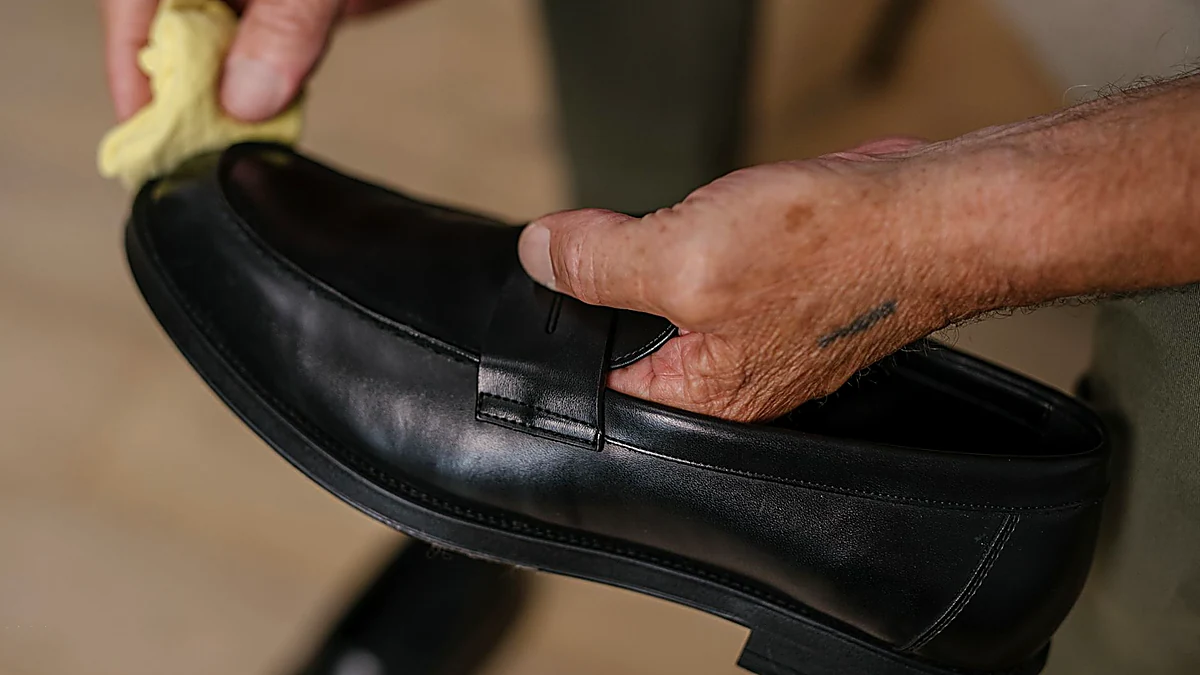
How to Keep Your Leather Shoes Clean and Dry in Rainy Cities
Protect leather shoes from rain with a small care kit and two simple habits, so they stay soft, dry, and comfortable on long wet city walks.
How to Stop Foot Pain After Walking All Day on Hard Stone Streets
Hard stone streets beat up your feet fast. Here is the simple shoe, sock, and evening routine that stops the ache and keeps you walking all day.
Loafers or Sneakers: Which Shoes are Better for Walking on Old Streets?
Loafers or sneakers for old cobblestone streets? Here is how to choose, break them in, and keep your feet really happy on long walking days.