How to Pack Your Under-Seat Bag So You Can Find Everything Fast
Pack one small under-seat bag in three simple zones so your hand finds your charger, snacks, and passport in seconds, without standing up mid-flight.
 ✓
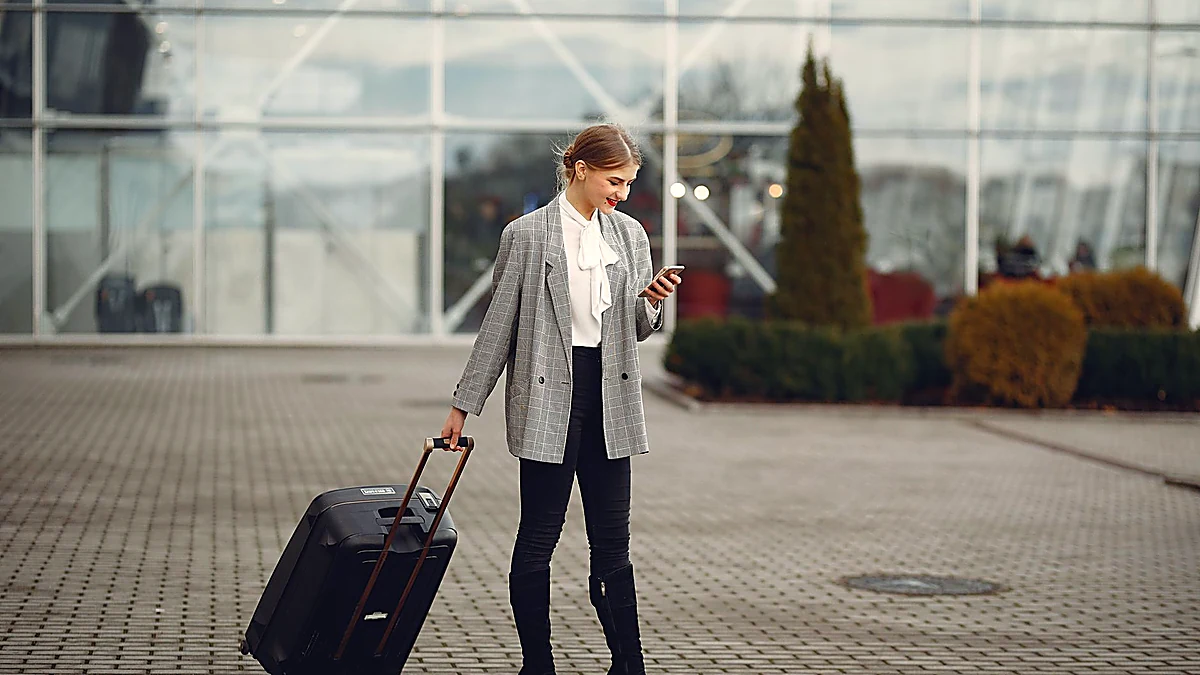
There is a small moment on every flight that decides how the next few hours will feel. It is the moment you reach down for your bag and your hand finds exactly what you wanted, without standing up, without digging around, and without saying sorry to the person beside you.
Most of us pack our under-seat bag in a hurry the night before a trip. We drop in the laptop we probably will not open, a heavy book, a second pair of shoes, and a charger that sinks straight to the bottom. Then we spend the flight lifting the whole bag onto our knees and feeling around like we are hunting for keys in a coat pocket.
This guide is about fixing that with one simple setup. You will build a small bag in three clear zones, choose clothes that keep it light, and pick up a few easy habits for spills and wrinkles. None of it takes long to arrange, and all of it pays you back on every single flight you take.
What Really Belongs in Your Under-Seat Bag
Your under-seat bag is the one thing you can reach without getting up, and that single fact should shape everything you put inside it. If you cannot touch it, need it, or wear it while you stay in your seat, it does not belong down there.
So what does belong? Start with the things you will genuinely use in the air. Your passport and wallet stay close because you will want them again at the other end of the flight. Your phone and its charger matter, especially on a long trip when the battery starts to drop. Headphones, a thin layer for cold cabins, a few snacks, an empty water bottle you fill after security, a small medicine pouch, and lip balm round out the list nicely.
The rule that makes packing decisions easy
When you are unsure about an item, ask yourself one question. Will I need this while I am sitting in my seat? If the honest answer is no, it goes into the overhead bin or it stays home. That laptop you plan to work on but never open can ride above your head. The heavy camera, the big paper book, and the second pair of shoes can do the same.
A lighter bag is easier to slide under the seat in front of you, and it also stops you from holding up the line while you board. When your bag is small and soft, it slips into place in one quick movement, and you can sit down and settle in.
Here is a simple list to check against.
- Passport, boarding pass, and wallet
- Phone and a short charging cable
- Headphones or earbuds
- One thin layer, such as a cardigan or a scarf
- Snacks that do not crumble too much
- An empty water bottle to fill after security
- A small pouch with your usual medicine
- Lip balm and a travel-size hand cream
- A pen, in case you need to fill in a form
Notice what is not on that list. There is no laptop, no hardcover book, no full toiletry bag, and no spare shoes. Those items add weight and take up the space your hand needs to move freely. A small bag with a little breathing room is far easier to use than one that is stuffed to the zipper.
Snacks deserve a little thought of their own. Choose things that do not fall apart into crumbs all over your lap, and keep them in a small pouch instead of loose in the bag. A quiet snack and a full water bottle make a long flight much more comfortable.
Medicine deserves a moment of care too. Keep everything you take in one small pouch, and if you use something daily, carry enough for the whole trip in your under-seat bag rather than in a suitcase that goes into the hold.
The Three-Zone Method: Pack It So Your Hand Knows Where to Go
Think of your bag as three simple zones stacked from top to bottom. Each zone has one clear job, and once you pack this way a few times, your hand will start to remember where things live.
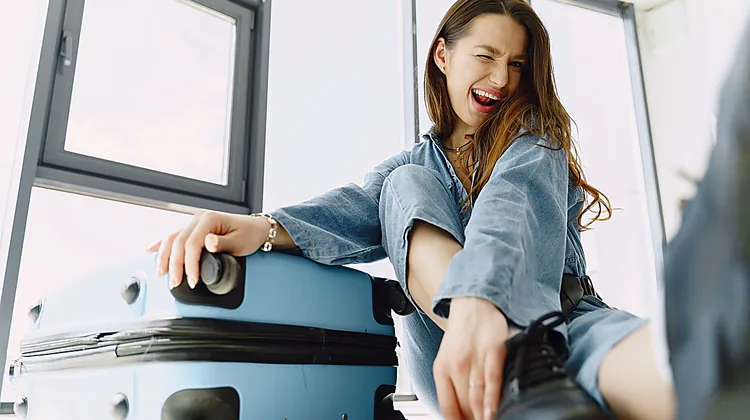
Three pouches, one easy routine.
Zone one: the quick-reach layer
Zone one sits right at the top of the bag, closest to the opening. This is where your passport, phone, boarding pass, headphones, and a pen should live. These are the items you reach for most often, sometimes several times in the first hour of a flight. When they sit on top, you never have to unzip the whole bag or lift anything out of the way.
Zone two: the settled-in layer
Zone two sits in the middle, and it holds the things you want once you are comfortable in your seat. Snacks, your water bottle, a thin scarf, and a small pack of tissues belong here. You reach for these less often than your phone, but you still want them close and easy to find.
Zone three: the bottom layer
Zone three is the bottom of the bag, and it is for the things you rarely touch. Your charger block, spare socks, medicine kit, and a small toiletry pouch can all live down here. Because you only need them once or twice, it is fine if they take a moment to reach.
Three zones beat one big pile for a simple reason. When everything sits in a single space, every search turns into a small excavation, and the bag slowly becomes a mess. When each item has a home, you stop searching and start reaching.
Small habits that make the zones work
- Use three small pouches in clearly different colors or textures. In a dark cabin, your fingers can tell them apart faster than your eyes can, and you will not need to switch on a light.
- Wrap your cables with a simple elastic band and keep them in a soft pouch. Loose cables tangle around everything, and untangling them in a narrow seat is no fun at all.
- Leave one small empty pocket at the front of the bag. This becomes your landing spot for receipts, wrappers, and ticket stubs until you pass a bin.
- Keep your pouch shapes different. A long thin pouch for cables and a small square pouch for medicine are easy to tell apart by feel alone.
Then do a practice run at home. Close your eyes and reach for your charger, and count how long it takes. If the answer is more than a few seconds, move things around until your hand goes straight to it. This sounds like a small game, but it is the whole point of the setup, because you are training your hand rather than testing your memory.
What to Wear on the Plane So Your Bag Stays Light
The easiest way to free up space in your bag is to wear your bulkiest items instead of packing them. That means your jacket, your thicker trousers, and your real walking shoes stay on your body, where they take up no room at all.
Build your outfit from soft, thin layers
The rest of your outfit works best when it is built from thin layers. A soft cotton or merino tee sits close to your skin, a thin cardigan goes over the top, and a scarf does double duty as a small blanket when the cabin turns cold. None of these pieces take much space, and together they handle almost any temperature you meet on board.
Footwear that is easy at security
For shoes, choose slip-on sneakers or flat ankle boots that come off easily at the security line. If you like to change later in the flight, tuck a pair of soft foldable flats into zone three of your bag. One more small thing helps on long flights, and that is a pair of clean socks in zone one. Warm feet make a night flight far more comfortable, and clean socks feel much nicer than the pair you have been walking around in all day.
Match your layers to your trip
If you are flying to a hot city like Bangkok or Seville, wear light layers and pack one thin long-sleeve top for the strong air conditioning on board. If you are heading somewhere cold like Copenhagen in winter, wear your coat onto the plane instead of pushing it into your bag. The coat takes up a lot of space, but it is also the thing keeping you warm.
| Item | Why it works | Where it goes |
|---|---|---|
| Soft cotton tee | Thin and breathable | Worn |
| Thin cardigan | Adds warmth without bulk | Worn |
| Scarf | Doubles as a small blanket | Worn or zone two |
| Slip-on sneakers | Quick at security | Worn |
| Foldable flats | A change for later | Zone three |
| Clean socks | Warm feet on long flights | Zone one |
| Thin long-sleeve top | Handles cold cabins | Zone two |
| Coat | Warmth without using bag space | Worn |
One last tip is about color. Stick to two or three colors that match each other, so every piece works with every other piece and nothing looks out of place. This also makes packing faster, because you are choosing from a small set you already know you like.
Your coat can carry a few things as well. A snack, your phone, or a small pack of tissues fit neatly in the pockets, which takes even more pressure off the bag. Just remember what you put in there, because coat pockets are easy to forget once you take the coat off at security.
There is one more reason to keep the bag light. A soft, half-full bag always slides under the seat in front of you more easily than a stiff, overstuffed one. When your bag fits without a fight, boarding becomes a calm two minutes instead of a small struggle in a narrow aisle.
Keeping Things Fresh: Wrinkles, Spills, and Quick Washes
Soft clothes travel better when you roll them instead of folding them flat. Rolling saves space and leaves fewer hard creases, which matters a great deal when your bag is small and packed tightly.
Small bag, calm start to travel.
Collared shirts are the one exception to the rolling rule. Fold them once with a sheet of tissue paper inside to hold the shape, and place them flat against the back of the bag, where nothing can press down on them.
Plan for the small accidents
A coffee spill or a dropped snack does not have to ruin your day. Slip a couple of stain wipes and a few laundry sheets into a small zip bag, and you can handle most messes in a minute or two. If something comes out creased, hang it in the bathroom while you shower and let the steam do the work. It is a simple trick, and it works surprisingly well.
A quick wash in the sink
For a quick wash on the road, fill the sink with warm water and a few drops of gentle soap or a single laundry sheet. Rinse the item well, roll it in a towel to press out the extra water, then hang it up overnight. By morning it is usually dry enough to wear again.
If you are heading somewhere cold, a thin wool layer is worth keeping in zone two. Wool stays warm even when the air is damp, and a thin one takes up very little space in your bag. It also dries faster than thick cotton, which matters when you are washing things in a hotel sink.
Keep a small dry bag or a plastic zip bag for anything that is still damp, so the rest of your things stay dry. The empty pocket at the front of your bag is also the perfect place for wrappers and crumbs until you pass a bin, and that small habit keeps the inside of your bag clean for the whole trip.
Your Five-Minute Pre-Flight Check
Before you leave for the airport, run through a short and simple check. It takes about five minutes, and it saves a lot of searching later on.
- Phone charged, with your boarding pass saved so it works offline
- Passport and wallet in zone one
- Water bottle empty for security
- Bag zipped all the way, with nothing poking out
- Snacks, medicine pouch, and thin layer in place
At the airport, fill your bottle at a fountain once you are through security. Then do the reach test one more time. With your eyes closed, find your charger in five seconds. If you can do that, your bag is ready to go.
The goal is not to pack less for its own sake. The goal is that your hand knows the way, even when the cabin lights are down and you are half asleep.
Once you are seated, slide the bag under the seat in front of you with the opening facing you. That one small habit means you never have to dig around, reach over anyone, or disturb the person beside you. You simply lean down, open the top, and your hand finds what it needs.
As a final touch, take a quick photo of your bag once it is packed the way you like it. On your next trip, you can open that photo and copy the setup in a couple of minutes.
If you set your bag up this way on your next trip, you will notice the difference straight away. Flights feel calmer when your things are where you expect them to be, and you can spend your time reading, resting, or watching something instead of rummaging around by your feet.
Frequently asked questions
✓ Kristina Mate
Founder & Lead Travel Editor · TravelStyleMate
Kristina is the founder and lead editor of TravelStyleMate. Over the past 8 years, she has explored 35+ countries across Europe, Asia, and the Americas—traveling almost exclusively with a single 40L carry-on bag. A dedicated solo traveler, she specializes in cobblestone-tested footwear, minimalist capsule packing formulas, and realistic transit logistics. Every packing rule, walking shoe, and itinerary on TravelStyleMate is personally tested on actual trips with real luggage constraints.
Testing Guarantee: Every packing rule, walking shoe, and transit route is personally tested with real luggage constraints. No paid rankings, no untouched gear, no AI fluff.
Related guides
How to Layer Your Clothes for Cold Airplanes and Hot Airports
Learn the simple three-layer rule for flights: thin base, warm middle, packable outer. Stay comfortable from a hot terminal to a cold cabin.
How to Stop Dry Skin on Long Flights with 3 Simple Steps
Learn a simple three-step plan to keep your skin soft on long flights, using a tiny pouch, smart drinks, and cozy layers you can pack in minutes.
What to Wear Through Airport Security to Get Through Lines Fast
Choose slip-on shoes, soft layers, and pocket-free outfits so you sail through airport security and spend your time on the trip, not the line.