How to Pack Warm Winter Clothes in One Small Bag
Pack warm winter layers, one coat, and boots you can walk in — all in one small bag. Simple folding tips, outfit ideas, and a quick checklist.
 ✓
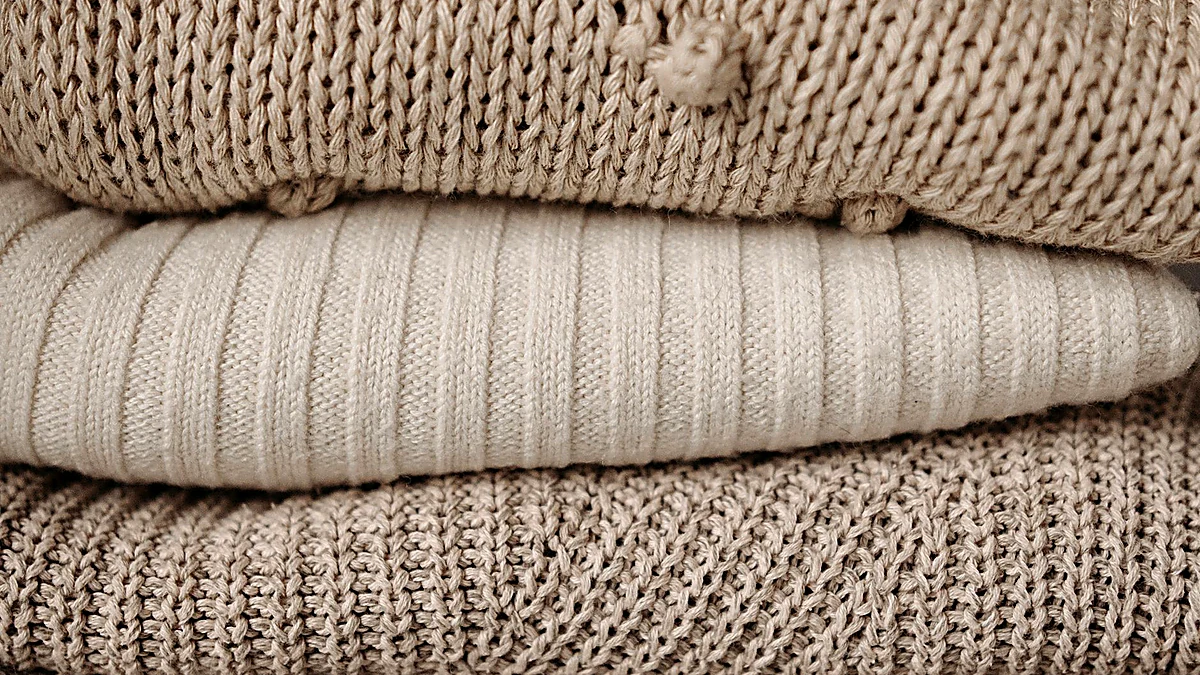
Packing for cold weather can feel like a losing battle. The clothes are thick, the shoes are heavy, and the bag you want to carry looks far too small for any of it. But winter travel does not have to mean a giant suitcase or a sore shoulder. When you build your bag around thin warm layers, one good coat, and shoes you can actually walk in, everything fits in one small carry-on.
Start With Thin Warm Layers, Not Bulky Sweaters
The biggest mistake people make is thinking that warmth comes from thickness. It does not. Warmth comes from the air that gets trapped between thin layers of clothing, and that trapped air is what keeps your body heat close to your skin.
This is why two thin layers almost always beat one heavy sweater. Thin layers also give you choices during the day. You can peel one off in a warm museum or a crowded café, then put it back on the moment you step outside into the wind.
Build Your Layers in Three Simple Parts
The first part is a base layer that sits against your skin. Look for merino wool or a thin synthetic fabric, because both of these pull sweat away from your body and dry quickly. A soft cotton t-shirt feels nice for about ten minutes in cold weather, and then it starts to feel damp and chilly.
The middle part is a light fleece or a thin wool sweater. This is the layer that does most of the quiet work, and one is usually enough unless you are heading somewhere truly freezing. The outer part is one compact puffer or insulated coat that squeezes down into its own pocket or a small stuff sack.
That single coat gives you wind protection, a little rain protection, and a lot of warmth for very little space in your bag. Choose one with a hood if you can, because a hood saves you from packing a separate rain hat.
How Many Pieces You Actually Need
A week of cold-weather travel really only calls for a small set of clothes. Two base layers, one sweater, one fleece, and the coat on your back will keep you warm from Monday through Sunday. If you are going for ten days or two weeks, add one more base layer rather than one more sweater.
Pants are the same story. Two pairs of comfortable pants are plenty, and three feels generous. Nobody on your trip is keeping count, and a plain dark pair of pants works just as well at a nice dinner as it does on a long walk.
What to Leave at Home
Heavy cotton hoodies are the first thing to leave behind. They are bulky, slow to dry, and they take up the same space as three thin layers that would keep you warmer. Thick jeans are next on the list, because they are hard to squeeze into small spaces and they stay cold and damp for hours after a light snow shower.
You also do not need three sweaters or a second heavy coat. Two tops you can mix and match will carry you through a whole week, and nobody will notice that you wore the same wool sweater on Tuesday and again on Friday. If you are worried about looking repetitive, change your scarf instead.
Think of your bag as a small, well-chosen wardrobe rather than a suitcase full of backups. A few pieces that work together will always beat a pile of clothes that only work alone.
How to Fit Winter Clothes in One Small Bag
Once you have the right pieces, the packing itself becomes a puzzle with a few simple rules. The goal is to fill every corner, protect your clothes from deep creases, and keep the heavy weight low in the bag so it never tips over when you set it down.
The Roll, the Fold, and the Bundle
Roll your base layers, underwear, and socks into small tight bundles. Rolling saves space, and it keeps thin fabrics from creasing in strange places. Fold your sweaters and pants flat instead, because folding keeps their shape and stops the knees and elbows from stretching out.
The bundle method works well for the middle of your bag. You lay your largest folded item flat, then wrap smaller items inside it one by one, and finally fold the whole package into a soft square. This cushions everything and leaves almost no wasted space around the edges.
Use Packing Cubes and Fill the Gaps
Packing cubes are worth the small cost for a winter trip. They keep your bag organized, and they let you press down on your clothes without turning everything into a mess. Put the heaviest cube at the bottom of the bag near the wheels, then stack the lighter items on top.
Small gaps are where gloves, a hat, a charger, and a slim notebook should go. Rolled socks are perfect for stuffing into the corners of your shoes or along the sides of the bag. Nothing should rattle around loose when you close the zipper, because loose items shift and wrinkle everything around them.


Choosing the Right Small Bag
A soft-sided bag in the thirty-five to forty liter range is the sweet spot for winter city travel. That size fits in most overhead bins, and it is still light enough to carry up three flights of stairs when your hotel has no lift. A bag that opens like a book, with a full clamshell zipper, is much easier to pack than one that only opens at the top.
Compression straps on the outside are quietly useful in winter. Once you have squeezed the air out of your puffer and your fleece, the straps hold everything tight and stop the bag from bulging in the middle.
Wear Your Bulkiest Things on Travel Days
Your coat, your boots, and your scarf should stay on your body, not inside your bag. This is not cheating, and it is not a loophole. It is the whole trick, and every experienced winter traveler does it.
A small bag that fits in an overhead bin changes the way a trip feels. You can walk straight out of a train station in Munich or Montreal and head to your hotel on foot instead of waiting in a taxi line. You also never have to stand at a baggage belt wondering whether your warm coat took the same flight as you did.
Simple Outfits for Cold City Days
Once your clothes are in the bag, the next question is what to actually wear. The good news is that the same handful of pieces can handle almost every kind of day, from a slow morning in a museum to a long snowy walk along a river.
Museums, Snowy Walks, and Dinner
For a chilly museum day, start with a thermal tee and add a thin wool sweater over it. Wear your warm parka, wrap your scarf loosely around your neck, and finish with comfortable waterproof boots. You will be warm on the walk there and comfortable once you are standing still in a gallery for an hour.
For a snowy walk, add a second pair of socks and slip a fleece vest under your coat. That extra thin layer makes a surprising difference when the wind picks up and you are outside for two or three hours. Keep your hands in gloves and your hat pulled down over your ears, because cold ears can ruin an otherwise lovely afternoon.
For a nice dinner, swap the thermal base layer for a clean button-down shirt and keep the same pants and coat you wore all day. A single change near your face makes the whole outfit look different. Nobody at the table will know that the rest of what you are wearing came out of a small bag that morning.
Two Pairs of Shoes and One Simple Rule
You really only need two pairs of shoes for a winter trip. One pair should be broken-in, waterproof boots that you can wear for hours on end. The other should be light shoes for indoors, so your feet get a break from heavy soles in the evening.
Never bring brand-new boots on a winter trip. Cold weather makes feet more sensitive, and new boots rub in places you did not expect. Break them in at home for at least two weeks, and your feet will thank you on the third day of walking.
| Day plan | Base layer | Mid layer | Outer layer | Shoes |
|---|---|---|---|---|
| Museum day | Thermal tee | Thin wool sweater | Warm parka and scarf | Waterproof boots |
| Snowy walk | Thermal tee | Wool sweater plus fleece vest | Warm parka and hat | Boots with extra socks |
| Dinner out | Button-down shirt | Thin wool sweater | Same parka | Light indoor shoes |
In cities like Tokyo or Copenhagen, a compact umbrella and a warm hat make a bigger difference than an extra sweater. City weather changes quickly, and being able to pop open a small umbrella keeps a light rain from ruining a long afternoon of wandering.
One more small habit helps a lot. Carry a light day bag with your hat, gloves, and umbrella inside, so you can add or remove layers without digging through your suitcase at the hotel.
Washing and Wrinkles on the Road
Thin layers are easy to keep clean, which is one more reason they beat heavy cotton clothing. Merino wool and synthetic fabrics can be rinsed in a sink, squeezed out gently, and hung to dry overnight. You do not need a laundry room, a washing machine, or a free afternoon.
A Five-Minute Sink Wash
Fill the sink with cool or lukewarm water and add a tiny amount of gentle soap. Put in one or two base layers, press them under the water with your hands, and let them sit for a few minutes. Rinse them well, then lay them on a dry towel and roll the towel up to squeeze out the extra water.
Hang the pieces over a chair, a shower rod, or a heated towel rail, and they will usually be dry by morning. Hot water and harsh detergent are the two things that damage merino wool, so keep the water cool and the soap mild. If your room feels damp, aim a hair dryer at the fabric for a minute or two before bed.
Socks dry faster than anything else, so wash those first if you are short on hanging space. A rolled pair of socks also makes a decent travel pillow in a pinch, which is a nice bonus on a long train ride.
Getting Wrinkles Out Without an Iron
Wrinkles are less of a problem with thin knits, but they still happen. The easiest fix is steam. Hang your sweater in the bathroom while you take a warm shower, and the damp air will relax most of the creases on its own.
A small stain stick and a few laundry sheets in a zip bag are worth their tiny weight. A quick dab on a coffee spill saves you from washing the whole shirt. Wash only when something is actually dirty, and let air and time do the rest of the work.
What to Do When Something Gets Soaked
Snow and slush find their way onto cuffs and hems no matter how careful you are. Shake off the worst of it, then hang the damp item somewhere with moving air rather than folding it into your bag. Never pack anything wet, because a damp sweater will make everything near it smell stale by the next morning.
Boots need a little care too. Stuff them with rolled newspaper or dry socks overnight, and they will be dry and ready for another day of walking. This one small habit keeps your feet warm and stops that heavy, cold feeling that comes from standing in damp boots all afternoon.


Your Quick Winter Packing Checklist
Here is the whole plan in one place. If you can check off these items, you can stay warm for a week of city walking with one small bag and nothing else.
- Two thermal base layers, in merino wool or a thin synthetic fabric
- One thin wool sweater and one light fleece
- One compact puffer or insulated coat that packs down small
- One warm hat, one scarf, and one pair of gloves
- Two or three pairs of warm socks
- One pair of waterproof boots and one pair of light indoor shoes
- One or two pairs of comfortable pants that move with you
- A clean button-down shirt for dinners out
- A small umbrella, lip balm, and a reusable water bottle
- A stain stick and a few laundry sheets in a zip bag
| Item | How many | Where it goes |
|---|---|---|
| Base layers | 2 | Rolled into a packing cube |
| Wool sweater | 1 | Folded flat in the middle |
| Light fleece | 1 | Folded flat, near the top |
| Insulated coat | 1 | Worn on travel days |
| Waterproof boots | 1 pair | Worn on travel days |
| Indoor shoes | 1 pair | Bottom of the bag |
| Hat, scarf, gloves | 1 each | Small gaps and side pockets |
Wear the coat, the boots, and the scarf while you travel, and pack everything else. The order matters less than the idea behind it, which is that a few thin layers can do the work of a heavy suitcase.
Start with this list on your next cold-weather trip, and adjust it once you are home. After one or two winters of packing this way, you will know exactly what you reach for and what you never touched.
One small bag, a warm coat, and shoes you trust. That is really all a winter trip asks for.
Frequently asked questions
✓ Kristina Mate
Founder & Lead Travel Editor · TravelStyleMate
Kristina is the founder and lead editor of TravelStyleMate. Over the past 8 years, she has explored 35+ countries across Europe, Asia, and the Americas—traveling almost exclusively with a single 40L carry-on bag. A dedicated solo traveler, she specializes in cobblestone-tested footwear, minimalist capsule packing formulas, and realistic transit logistics. Every packing rule, walking shoe, and itinerary on TravelStyleMate is personally tested on actual trips with real luggage constraints.
Testing Guarantee: Every packing rule, walking shoe, and transit route is personally tested with real luggage constraints. No paid rankings, no untouched gear, no AI fluff.
Related guides

How to Pack Jewelry in Your Bag Without Getting Tangles
Learn a simple packing routine for necklaces, bracelets and earrings so they come out of your bag ready to wear in seconds, with no knots to untangle.
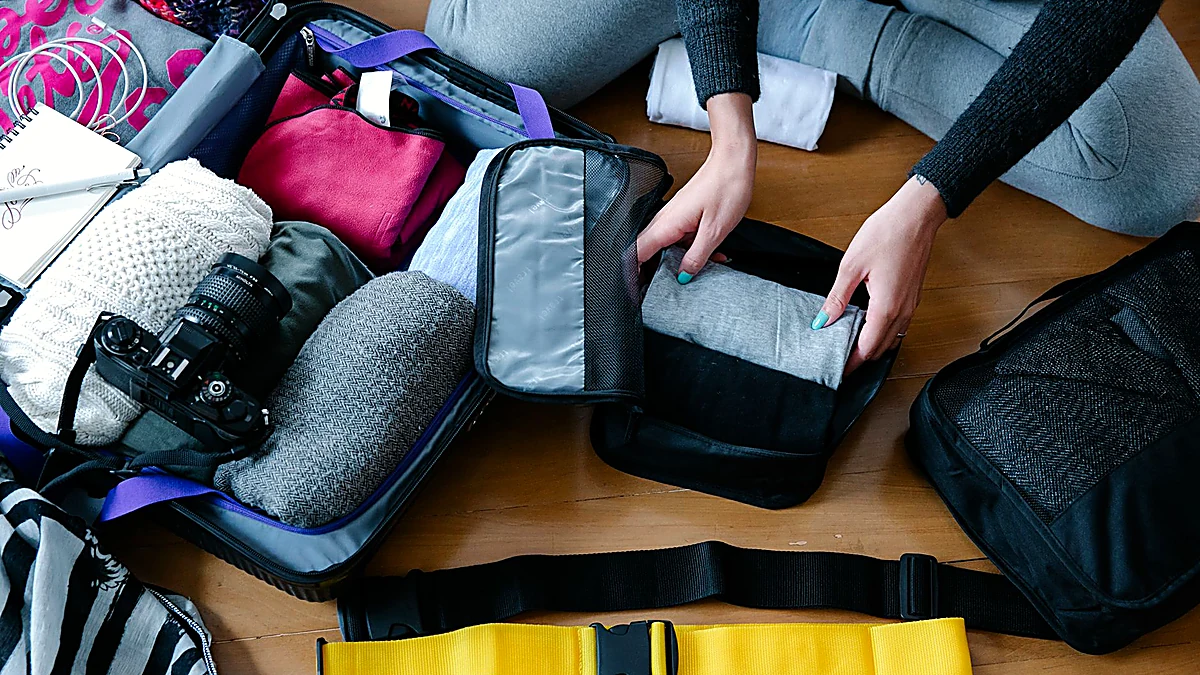
Compression Packing Cubes: Do They Really Save Space in Your Bag?
Compression packing cubes push air out of soft clothes, not fabric. Here is what they really save, what to pack inside, and how to avoid wrinkles.

The Best 4 Dresses to Pack for Vacation That Take No Space
Pick four dresses that fold down tiny, and a single carry-on covers a week or two. Simple fabrics, easy washes, and outfits that work every day.