
Everyone thinks Positano is a floaty dress and an Aperol spritz. They don't mention that the dress will stick to your lower back within four minutes of leaving the hotel, or that you'll pay €18 just to sit on a striped chair at Spiaggia Grande and still end up with sand in places that defy physics.
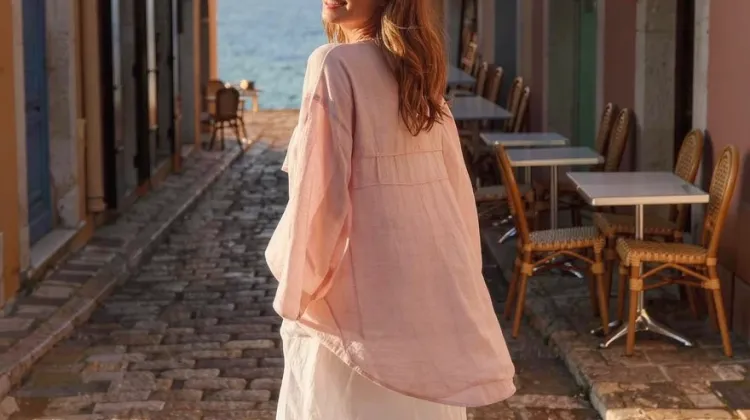
I arrived just before noon on a Tuesday that already felt like 35°C. The water taxi from Amalfi cost €25 per person, which sounds indulgent until you've seen the bus line snaking around the cliff face like a punishment.
My calves were already burning from the forty-seven steps up to the pier, and I hadn't even reached the main drag yet.
Wait.
That's the sound the waves make when they hit the rocks below and bounce off the canyon walls. It echoes through the narrow alleys where laundry hangs like faded flags and the air smells of salt and dried jasmine.
I spent two hours wandering the residential corridors deliberately, tracing routes that dead-ended into private courtyards or opened suddenly onto terraces where old men played cards and ignored the view.
Positano Is a StairMaster Disguised as a Village
There are no flat paths here. Everything is vertical. Your glutes will ache in ways that suggest you've signed up for a reformer Pilates class you didn't agree to. I counted roughly three hundred steps between my rented room and the first decent espresso, and that was before nine in the morning.
The echo follows you. You'll turn a corner thinking you've escaped the crowds, and there it is again—that wet slap of water against stone, bouncing between walls painted the color of melted peach sorbet.
It's disorienting and perfect. I wore my Uniqlo linen wide-legs in sand beige, which breathed better than anything else I packed when the thermometer hit 35°C around two thirty. Linen wrinkles, but in this heat, wrinkles are the honest punctuation of survival.
The walls aren't just painted; they're washed in lime wash that rubs off on your bag straps. My canvas tote picked up a pale orange streak from a wall near Via dei Mulini that never washed out. It's still there, a souvenir more honest than any ceramic lemon.
The Transport Math That Dictates Your Wardrobe
The Sita bus costs less than a gelato. It also requires a reservation, a PhD in Italian hand gestures, and the kind of thigh strength that comes from squatting in a moving vehicle for forty-five minutes. We chose the water taxi instead. Twenty-five euros each.
Worth it to skip the nausea, but that transport choice dictated my entire packing strategy. Hopping trains with minimal luggage isn't about looking like a capsule wardrobe influencer. It's about fabric weight and odor resistance.
I packed one COS merino wool tee—thin enough to layer, antimicrobial enough to wear three days straight on the Naples-Rome line—and an Everlane cotton-modal blend dress that stretched when I needed to haul my bag up six flights of external stairs.
Merino doesn't hold sweat smell. That's not marketing; that's chemistry I tested in a crowded second-class carriage.
The taxi deposited us at the pier around ten thirty, early enough that the stone steps were still cool from the night air. By noon, they were radiating heat like a pizza oven. The fare included the view from the water, which the bus absolutely does not offer—seeing the vertical town approach from the sea is the only way to understand the geometry of the place.
What Survives Three Hundred Steps and Saltwater
Here's the thing nobody tells you about that bohemian coastal vibe in practice. It looks effortless in photos because you can't see the sweat. I built my outfits around a soft mix of pastels—ivory, dusty rose, that particular shade of lemon that makes Italian skin look golden and Irish skin look slightly ill.
The base had to shift from day to evening without a hotel stop because going back up those steps twice was physically impossible.
I adjusted the strap of my & Other Stories leather sandals—pastel lavender against sun-warm leather—and realized my toenails had survived the morning's descent intact. Small victories. The sandals had a rubber sole that gripped the ceramic tiles where tourists in espadrilles were actively sliding toward humiliation. Cobblestones destroy ballet flats. These survived.
Between the linen shirt and the merino tee, I layered a cotton camisole from Mango with five percent elastane—enough give to reach for handholds on the steep bits without riding up. Pure cotton would have stayed damp with sweat; this dried in twenty minutes during a lunch stop.
Light colors reflect heat. My dusty rose trousers stayed cooler than the black leggings I saw other tourists wearing, which seemed to absorb the 35°C radiating off the stone walls.

The Beach Economy and the Wrong Neckline
Spiaggia Grande is not a find-your-own-spot kind of beach. It's organized, monetized, and slightly aggressive about it. Two loungers and an umbrella run €36 for the day, or €18 if you're solo and willing to share space with strangers' elbows.
I paid it. The alternative is perching on a damp towel on the public pebble section where the waves knock you sideways every seven minutes.
The €18 chair came with a catch: you had to rent it until six, even if you only stayed until four. The attendant, a man with skin like leather and a whistle he used to direct beach traffic, took my cash and gestured to a row third from the water.
The chairs are striped in green and white, the kind that leave waffle marks on the backs of your thighs if you sit in wet swimsuit bottoms.
I made the mistake of wearing a halter-neck linen top. By four o'clock, I had a burned stripe across my collarbone so precise it looked drawn with a ruler, while my shoulders—covered by a loose shirt while walking—remained pale.
A halter neck guarantees a necklace of pain no matter how diligent you are with SPF. I bought a €6 scarf from a vendor near the church steps and wrapped it around my neck for the rest of the trip.
Silk would have breathed better than the synthetic fabric, which felt like petting a stuffed animal and trapped heat against the burn.
I changed in the public restroom—one euro entry fee, bring coins—into the cotton-modal dress that didn't require me to lift my arms above my head. Stretch matters when you're changing in a stall the size of an airplane bathroom.
Why Comfort Is the Only Neutral That Actually Matters
Comfort is the only neutral that actually matters. Everything else is negotiable. The pastel palette, the bohemian flow, the shift from day to evening—it all collapses if you're limping. I saw women in beautiful strappy heels stairs like they were descending into hell. Their ankles were screaming. I could see it in their faces.
My packing list for vertical coastal towns:
- One pair of rubber-soled leather sandals (tested on cobblestones, not carpet)
- Two merino tees (weight under 150gsm for odor resistance)
- Linen trousers with an elastic waist (not drawstring—actual elastic)
- A cotton voile shirt that buttons to the neck (sun protection)
- One dress that doesn't require a strapless bra (physics matter when you're sweaty)
Wait until you try climbing back up in a skirt that rides up. You'll understand why I only pack items that pass the "stair test" in my apartment before they make the cut.
The day-to-night transition relied on accessories, not outfit changes. I carried a silk scarf—rolled tight, it weighed nothing—that transformed the linen shirt into something dinner-appropriate when tied around the neck to hide the damage. Silk doesn't absorb sunscreen residue the way cotton does, so it stayed clean-looking even when my skin was slick with SPF 50.
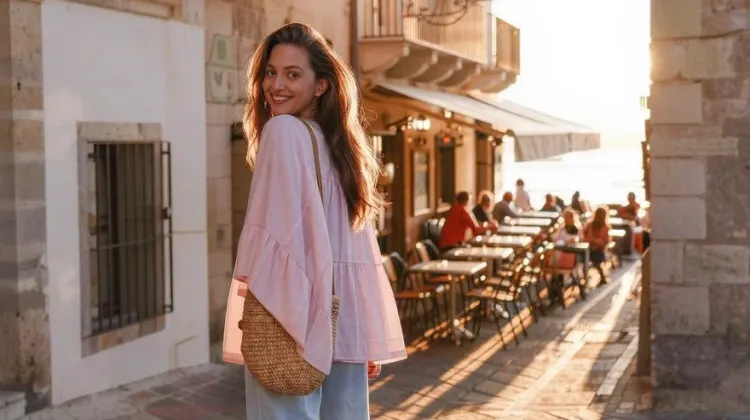
The afternoon I spent wandering paid off around six thirty. I found a corner place with mismatched chairs and a chalkboard menu where the wine was cold and the pasta was €14. My dress had wrinkled into a map of everywhere I'd sat, but the fabric was still dry against my skin.
That's the trick of linen blends versus pure linen—the thirty percent cotton holds the shape just enough.
I thought about the linen layers from beach to dinner I'd packed for Nice last winter, how different the coastal calculus is when heat is the enemy instead of wind. Or those deep plum nails I wore in Paris last spring, chipped within hours of hauling luggage up metro stairs.
Different cities, different durability tests. It reminded me of those lists of memorable things to do in New York—everyone talks about the walking, but Positano makes Manhattan feel flat.
The polish on my fingers lasted until day three. The toes made it four. Saltwater and limestone dust create a natural exfoliant that no top coat can withstand. I touched up the big toe with a cotton pad soaked in remover I carried in a contact lens case—travel hacks born from desperation.
When I finally caught the water taxi back to Amalfi, the sun was nearly seven and the light had turned the cliffs pink. My calves were trembling, my linen was salt-crusted, and I had sand in every pocket. But I wasn't limping. That's the win.
What shoes actually work for Positano's stairs?
Leather sandals with rubber soles from & Other Stories or similar brands with tread that grips ceramic tiles. Espadrilles and ballet flats slide on the polished stone steps and cobblestones, while heels risk ankle injuries on the uneven descents between the beach and town center.
Is the €18 beach chair rental at Spiaggia Grande worth it?
Yes, compared to the public pebble section where waves knock you sideways every few minutes. The €18 single chair fee buys stability, shade, and the ability to leave your belongings while swimming. Bring cash—many vendors don't accept cards for rentals.
What fabric works best for 30-35°C heat in Amalfi?
Uniqlo's linen-cotton blend trousers breathe better than pure linen in 35°C heat while resisting the excessive wrinkling that happens with 100% linen. For tops, lightweight merino wool from COS manages odor during train travel and dries faster than cotton when sweat-soaked.
How do you pack minimally for train travel to the coast?
Choose odor-resistant fabrics like the COS merino tee that can be worn three days straight without smelling, and a single Everlane cotton-modal dress that passes the "stair test"—meaning it doesn't ride up when climbing. Skip anything that requires special undergarments or dry cleaning.
Can nail polish survive saltwater and 300 stone steps?
No polish survives intact for more than three days under these conditions. Saltwater and limestone dust create a natural exfoliant that chips even professional manicures. Pack nail polish remover in a contact lens case for touch-ups, or embrace the chips as evidence of actual travel rather than poolside lounging.