Flat Walking Shoes with Good Arch Support That Still Look Nice
How to find flat walking shoes with real arch support that still look nice, plus outfit ideas and easy tips to keep them fresh on a long trip.
 ✓
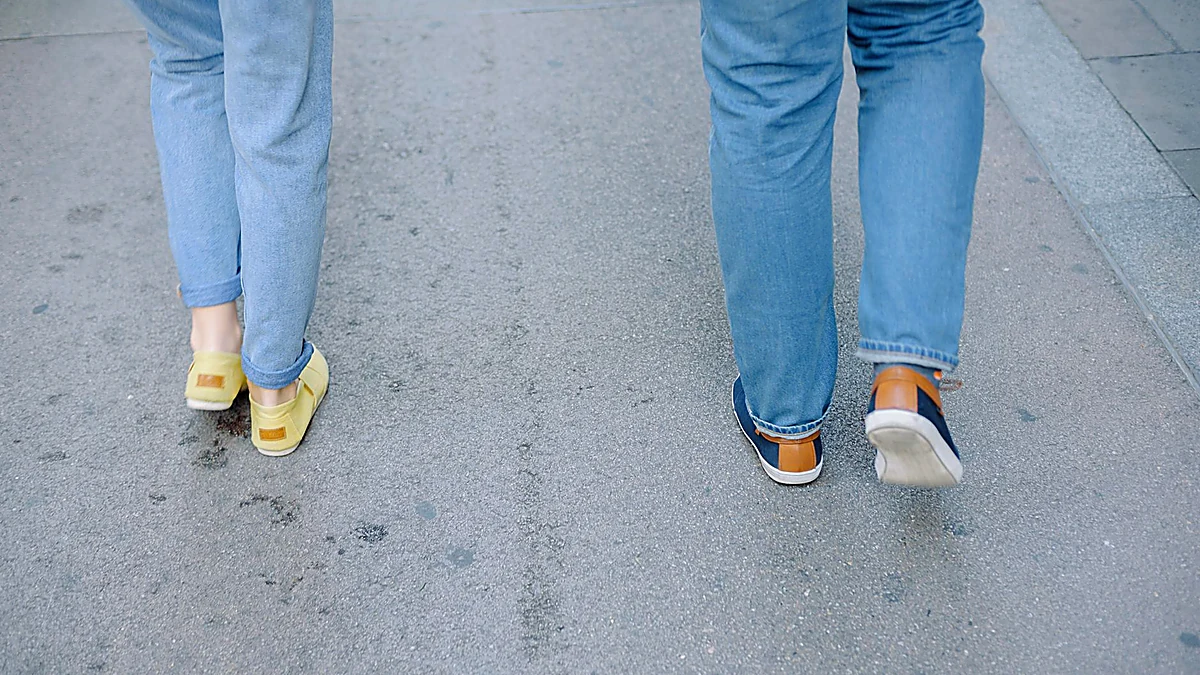
Most of us choose flat shoes for the way they look, then spend the rest of the trip paying for that choice with sore feet. The good news is that a flat shoe can hold up your arch, keep your heel steady, and still match the clothes you already love. You just need to know which few things to check before you buy.
Why Flat Does Not Have to Mean No Support
The mistake almost everyone makes is buying a thin ballet flat because it looks lovely in the shop window. It feels fine for the first hour, so you wear it on the plane, then walk all day through a new city, and by the second afternoon your heels and the balls of your feet are aching. That ache is not a sign that you are weak or that you walked too far, because it is simply a sign that the shoe gave your foot nothing to stand on.
Here is the part that surprises most people: the word flat only describes the height of the heel, and it says nothing at all about what is happening inside the shoe. A flat can have a shaped footbed that lifts the middle of your foot, a firm heel cup that holds your ankle steady, and a bendy front so your toes can roll as you walk. All of that can happen with zero heel height.
Think of a good flat as a small, quiet support system that hides inside a nice-looking shoe. When you step down, your arch should feel a gentle lift under the middle of your foot rather than empty space. When you lift your heel, the back of the shoe should hold it in place instead of letting it slide around.
You can test all of this at home in about thirty seconds, and you do not need any special knowledge to do it. Try these two simple checks the next time you are near a shoe shop.
First, press your thumb into the inside of the shoe. Run your thumb along the part where your arch sits and press down firmly. It should feel gently springy, the way a good mattress feels when you push it with your hand. If it feels rock hard, it will not cushion you, and if it feels completely flat and squishy like a piece of cardboard, it will flatten out within a week and give you nothing.
Second, twist the shoe like you are wringing out a towel. Hold the heel in one hand and the toe in the other, then twist gently. The shoe should bend mostly near the ball of your foot, which is exactly where your foot bends when you take a step. If it folds in the middle like a soft sock, there is no support under your arch, and if it refuses to bend anywhere, your toes will fight it with every step.
There is one more thing worth knowing before you give up on a pair you love. Many pretty flats come with a removable insole, and you can often slide it out and replace it with a cushioned one that has a shaped arch. That single swap turns a shoe that looks nice into a shoe you can actually walk in. Lift the insole out and look underneath before you buy, because a shoe with a removable layer is much easier to fix than one that is glued shut.
None of this means giving up style. It means checking one thing before you spend your money, so the shoes you love do not turn into the reason you cut your day short.
What to Look For in a Cute Flat That Supports You
Once you know what to feel for, shopping becomes much faster. Here is a short list you can use in a shop or while reading reviews online.
A good footbed is molded rather than merely padded. Look for cork, latex, or a firm foam that springs back when you press it, not a thin layer of soft sponge that squashes flat after a week of daily wear. The shape matters more than the thickness, because a molded surface spreads your weight across the whole foot instead of pushing it all onto one spot.
Next, check the heel counter, which is the stiff part at the back of the shoe. Squeeze it between your thumb and fingers, and it should give a little but push back, the way a good leather belt does. A heel counter that crumples easily lets your heel slide side to side, and that sliding is what rubs blisters into your skin.
Give your toes room to spread out. Press your thumb across the widest part of the shoe, then check the space beyond your longest toe. You want roughly a finger's width of room there, because feet swell a little during a long day of walking and on flights. Shoes that fit perfectly in the morning can feel tight by four in the afternoon.
Pick up the shoe and notice how heavy it feels. A comfortable walking flat usually weighs about as much as your phone. Heavy shoes tire your legs faster, and by evening even a small extra weight starts to feel like a lot.
If you wear orthotics, look for a style with a removable insole so you can take theirs out and put yours in. The shoe should still feel roomy enough afterwards, so bring your inserts with you when you try shoes on.
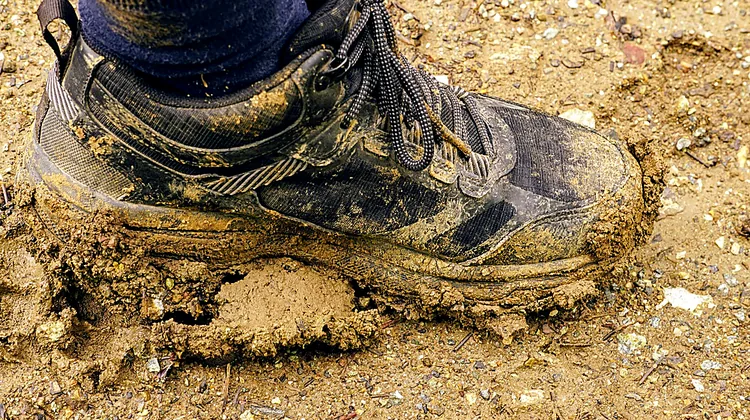
Here is how that looks in real life. A soft leather lace-up or a slip-on with a cork footbed can carry you through a full day of museums and train stations in a city like Munich. A thin fashion flat with no shaping at all is fine for a short dinner close to your hotel, but it is not the pair you want for eight hours on your feet.
One last thing, and it is worth saying plainly. Arch support is personal, and what feels wonderful for your friend may feel wrong for you. If your feet ache often, or if you have had foot pain before, one visit to a podiatrist or a good shoe fitter before a big trip can save you a lot of trouble later.
| What to check | How to test it | What good feels like |
|---|---|---|
| Footbed | Press your thumb into the arch area | Gently springy, with a shaped lift under your arch |
| Heel counter | Squeeze the back of the shoe | Firm, with a little give, so your heel stays put |
| Toe room | Press across the widest part | About a finger's width past your longest toe |
| Flex point | Twist the shoe gently | Bends near the ball of the foot, not in the middle |
| Weight | Hold it in one hand | Roughly as light as your phone |
| Insole | Try to lift it out | Comes out easily if you wear orthotics |
Outfits That Actually Work With Supportive Flats
A supportive flat does not have to look like a walking shoe, and it should not look like gym gear either. With the right clothes around it, a cushioned flat reads as a normal, polished part of your outfit.
For warm days, pair light-colored supportive flats with wide-leg linen trousers, a plain cotton tee, and a thin belt. This combination looks relaxed and tidy in a city like Copenhagen or Florence, and the loose linen keeps your legs cool while the open shoe keeps your feet from overheating. Choose a flat in cream, tan, or soft grey so it blends with everything else you packed.
For cooler cities like Edinburgh or Montreal, wear the same flats with ankle-length trousers, a fine merino sweater, and a light scarf. Add thin no-show socks or low ankle socks underneath, because the fabric barrier is what stops the shoe from rubbing against bare skin. Merino wool socks are a better choice than cotton here, since wool moves moisture away and keeps your feet dry, which is the real secret to fewer blisters.
Rainy days ask for smooth leather or water-resistant flats rather than canvas or knit. Wet canvas takes hours to dry, gets heavy, and starts to smell if you pack it damp. Bring a small foldable umbrella and accept that your shoes may get splashed, because a quick wipe with a dry cloth at the hotel will take care of the rest.
For dresses and midi skirts, choose a flat with a slightly pointed or rounded toe and a slim profile. A delicate shape keeps the shoe looking intentional rather than bulky under a hemline. If you want just one pair for the whole trip, pick a neutral color that matches at least three outfits you have already packed, because one well-chosen pair beats three pairs that only work with one thing each.
| Trip situation | What to wear | The shoe that works |
|---|---|---|
| Warm city days | Wide-leg linen trousers, cotton tee, thin belt | Light-colored flat with a cork footbed |
| Cooler city days | Ankle-length trousers, merino sweater, light scarf | Same flats with thin wool no-show socks |
| Rainy afternoons | Dark trousers, rain jacket, foldable umbrella | Smooth leather or water-resistant flat |
| Dinner and museums | Midi dress or skirt | Slim flat with a soft point or round toe |
| Travel day | Stretchy trousers, loose top, layers | Broken-in flat you have already walked in |
Keeping Your Flats Fresh on a Long Trip
Shoes that feel good on day one can start to smell and lose their shape by day ten, and both problems are easy to prevent. The single biggest trick is to bring two pairs if your bag has room, even if the second pair is a lighter backup. Rotating them gives each pair a full day to dry out, and dry shoes stay fresher and hold their shape much longer.
At the end of a long walking day, do a short routine in your hotel room. Wipe the inside of each shoe with a dry cloth, pull out the removable insoles, and let everything sit out overnight away from direct heat. Keep shoes off radiators and away from hair dryers, because strong heat can warp the shape and crack the material. If you want extra freshness, sprinkle a little baking soda inside overnight, then shake it out in the morning before you put them on.
Canvas and knit flats can be hand washed in a sink with a drop of gentle soap. Rinse them well, press out the extra water with a towel instead of twisting, and stuff the toes with a dry towel or rolled socks to hold the shape while they dry. Leather is different, so skip the water and use a soft cloth with a small amount of leather cream instead.
Packing matters too. Put each pair in a thin cloth bag or a shower cap so dirty soles never touch your clean clothes, and keep a couple of blister patches in your day bag just in case. Small habits like these mean your shoes are ready for another full day, no matter how many miles you put on them.
Your Quick Checklist Before You Pack
If you remember nothing else from this guide, remember this short list. You can screenshot it and check it while you stand in the shop.
- Check the footbed. Make sure there is a shaped arch and a firm heel cup, not just a soft layer of padding.
- Check the fit. Leave room past your longest toe, and make sure the shoe bends at the ball of your foot rather than in the middle.
- Check the color. Pick a neutral shade that works with at least three outfits you have already packed.
- Break them in at home. Take a few short walks around your neighborhood first, because brand-new shoes and long travel days do not mix.
- Pack two pairs if you can. Rotate them each day so both pairs stay dry and fresh.
- Pack the small things. Bring thin wool socks, blister patches, and a cloth bag for storage.
When it comes down to it, the best travel shoe is the one you forget you are wearing. If your feet feel fine at the end of an eight-hour day of walking, the shoes are doing their job, and they will still look nice in every photo you take.
Frequently asked questions
✓ Kristina Mate
Founder & Lead Travel Editor · TravelStyleMate
Kristina is the founder and lead editor of TravelStyleMate. Over the past 8 years, she has explored 35+ countries across Europe, Asia, and the Americas—traveling almost exclusively with a single 40L carry-on bag. A dedicated solo traveler, she specializes in cobblestone-tested footwear, minimalist capsule packing formulas, and realistic transit logistics. Every packing rule, walking shoe, and itinerary on TravelStyleMate is personally tested on actual trips with real luggage constraints.
Testing Guarantee: Every packing rule, walking shoe, and transit route is personally tested with real luggage constraints. No paid rankings, no untouched gear, no AI fluff.
Related guides
How to Keep Your Leather Shoes Clean and Dry in Rainy Cities
Protect leather shoes from rain with a small care kit and two simple habits, so they stay soft, dry, and comfortable on long wet city walks.
How to Stop Foot Pain After Walking All Day on Hard Stone Streets
Hard stone streets beat up your feet fast. Here is the simple shoe, sock, and evening routine that stops the ache and keeps you walking all day.

Loafers or Sneakers: Which Shoes are Better for Walking on Old Streets?
Loafers or sneakers for old cobblestone streets? Here is how to choose, break them in, and keep your feet really happy on long walking days.