Public City Parks: Where Locals Sit, Talk, and Rest for Free
Find calm free parks in European cities: where locals sit, cheap picnic food to buy, comfy clothes to pack, and a simple checklist for a restful break.
 ✓
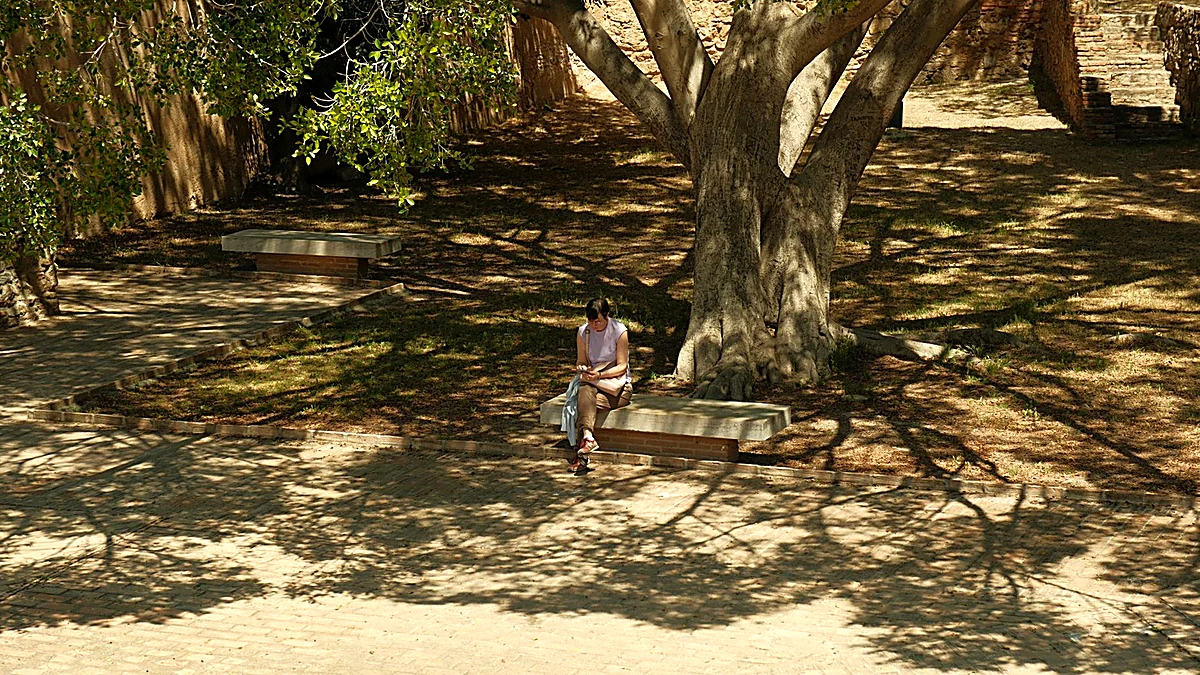
You have been walking since breakfast, your feet are hot, and the next museum costs more than you planned to spend today. Around the corner, a city park is waiting with a free bench, a patch of shade, and a crowd of locals doing exactly what you want to do right now, which is nothing at all.
Why Public Parks Are Perfect Free Breaks for Travelers
Most travel days are built around things you have to pay for. You buy a ticket to the museum, a coffee at the cafe, a seat on the tram, and a plate of food at the restaurant. A public park asks for none of that, and it still gives you one of the best hours of your day.
You do not need a reservation, a printed ticket, or a plan. You walk in, find a bench or a sunny patch of grass, and sit down next to people who actually live in the city. That simple act does more for a tired traveler than one more crowded sight.
Some parks in Europe have been the living room of their city for hundreds of years. That is why they feel so natural to sit in, even when you have only just arrived.
Three parks that show you how locals really live
- Munich, Englischer Garten. This park is enormous, and on a warm afternoon you will see students on bicycles, families with blankets, and people surfing the standing wave in the river. There is no fence, no entry gate, and no fee.
- Copenhagen, King's Garden. The lawns sit right beside a castle, and at lunchtime they fill with students, parents with prams, and office workers eating sandwiches in the sun. It is one of the easiest places in the city to feel like you belong.
- Edinburgh, the Meadows. This wide green field fills up with people playing football, walking dogs, and reading on the grass. On a clear day you can see the castle and the hills from your blanket.
None of these places need a ticket, and none of them feel like a tourist attraction. That is exactly the point.
A park break does three useful things at once
- It rests your body. Sitting down for twenty minutes takes the pressure off your feet, your back, and your shoulders.
- It rests your budget. A park hour costs nothing, which leaves more money for the things you really want to do.
- It shows you the real city. When you sit still, you notice how people talk, what they wear, and how they spend a normal afternoon.
Travelers often talk about needing a day off in the middle of a long trip. A park gives you a small version of that day off for an hour, and you can take it every single afternoon if you like.
You do not have to see one more famous building to have a good travel day. Sometimes the best thing you do is sit under a tree and watch the city get on with its life.
How to Find a Good Neighborhood Park Without a Guidebook
Guidebooks send everyone to the same five gardens, and on a summer weekend those places can feel as busy as a train station. The quieter parks are usually a short walk away, and they are often nicer because you have them mostly to yourself.
The easiest method is to open the map app on your phone and look for green shapes. Then ask yourself two simple questions. Is there a bakery, market, or tram stop close by, so I can pick up food and get there easily? And is the park close to where I am already walking this afternoon?
A small park near a market is usually a good sign. It means local people pass through it every day, which keeps it clean, used, and safe.

The five-minute park check
When you arrive, look around before you commit to staying. A quick check tells you whether this is a comfortable place to sit for half an hour.
- Benches and shade. You want at least a few trees and somewhere to sit that is not in full sun.
- Water. A drinking fountain lets you refill your bottle for free, which saves a little money every day.
- Toilets. Not every park has them, so check before you drink a full litre of water.
- People. Families, older people, and dog walkers are a good sign. An empty park in the middle of a busy day is worth a second look.
- Kiosks. A small stand selling coffee, ice cream, or cold drinks means you can stay longer without leaving.
Morning is the calmest time in almost every city park. You will find joggers, people with coffee, and older men reading newspapers on the same bench they always use. Late afternoon is the liveliest time, when school finishes and the benches fill up with friends talking loudly and laughing.
Try Parc des Buttes-Chaumont in Paris if you want hills, water, and locals stretched out on the slopes. In Berlin, Volkspark Friedrichshain has open lawns and a relaxed feel that is far from the tour groups. Madrid's El Retiro is beautiful, but it gets very crowded on weekends, so a small square with trees nearby can be the better choice.
One more trick works in almost every European city. Walk one block away from the main shopping street, and you will often find a small square with a few trees, some pigeons, and a group of older men playing cards at a stone table. Nothing happens there in a hurry, and that is where the city truly rests.
Simple Clothes and Shoes for Sitting, Strolling, and Picnics
Park clothes need to do three jobs in one day. You want to walk a few kilometres in them, sit on the ground without worrying, and still look tidy enough to walk into a cafe afterwards.
Soft cotton and light linen handle all three jobs well. They breathe when the sun is strong, they dry quickly if you sit on damp grass, and they do not show every crease the way stiff fabrics do. A plain cotton tee with a loose linen shirt over it will keep you comfortable for hours.
For your lower half, stretchy trousers, loose cotton pants, or a casual skirt all work well. The key is a little room to move, because a tight waistband feels much worse after a long lunch on a bench. Add a thin merino layer or a packable jacket for the evening, when the temperature drops faster than you expect.
Shoes matter more than anything else. Wear walking shoes that you have already broken in, or supportive sandals with a firm sole. Bring one or two pairs of thin socks, because they are the cheapest way to stop blisters on a long day. A wide-brim hat and sunglasses protect your face and eyes, and a small crossbody bag keeps your hands free.
| Piece | Why it works in a park | Small note |
|---|---|---|
| Plain cotton tee | Breathes in the sun and washes in a sink | Bring two, they pack flat |
| Loose linen shirt | Covers your shoulders and dries fast | Doubles as a light layer |
| Stretchy trousers or casual skirt | Comfortable for sitting on grass | Choose a darker colour |
| Thin merino layer | Warm without weight for cool evenings | Rolls up very small |
| Broken-in walking shoes | Keeps your feet happy after ten kilometres | Never test new shoes on a trip |
| Wide-brim hat and sunglasses | Shade for your face and eyes | A hat also cuts glare on a map |
| Small crossbody bag | Keeps your hands free and your things close | Wear it across your chest in crowds |
| Compact umbrella and scarf | Handles rain and a cool breeze | A scarf also works as a seat cover |
These pieces mix and match, which means you can sit on the grass in the morning, cross a bridge at lunch, and stop for coffee in the afternoon without going back to your room to change.
Cheap Picnic Food and Easy Cleanup in the Park
The best park lunch is bought in three small stops. Go to a bakery for bread, a supermarket or cheese shop for something to spread, and a market stall for fruit. In most European cities you can build a very good meal this way for less than one restaurant main course.
A fresh baguette, a piece of cheese, a handful of cherries, and a filled pastry will feed two people easily. Add water from a fountain and you have a lunch that costs very little and tastes far better than a rushed sandwich at a station.
You do not need proper picnic equipment either. A thin cloth, a folded scarf, or a light jacket is enough to keep your clothes clean. A reusable water bottle pays for itself in a single day, and a couple of paper bags let you carry your rubbish until you find a bin.
Many parks have small kiosks selling coffee, ice cream, and cold drinks. In Copenhagen you can sit by the lakes with a cinnamon bun and watch the rowing boats go past. In Florence you can buy a piece of warm focaccia and eat it on a shady bench five minutes later. These small treats cost a few euros and turn a simple break into a memory you keep.

A rough guide to park lunch prices
Prices change from city to city, but this gives you a fair idea of what a cheap picnic looks like in western Europe.
| Item | Typical price | Where to buy it |
|---|---|---|
| Fresh baguette or bread roll | 1 to 2 euros | Local bakery |
| Piece of cheese or sliced meat | 2 to 4 euros | Supermarket or deli |
| Small box of cherries or berries | 2 to 3 euros | Market stall |
| Filled pastry or slice of cake | 2 to 3 euros | Bakery |
| Water | Free | Park fountain |
| Coffee from a kiosk | 2 to 4 euros | Park stand |
Even with a coffee, a full park picnic for two people usually costs less than a single restaurant meal. That saving adds up fast over a two-week trip.
Easy cleanup and simple park manners
Parks stay free and pleasant because everyone does a small share of the work. Leave your spot the way you found it, and locals will keep welcoming visitors.
- Take all your rubbish with you if there is no bin nearby, including crumbs and fruit stones.
- Do not feed the pigeons or the ducks, because it makes them bold and messy.
- Keep your music in your headphones and your voice at a normal talking level.
- Give up your bench if an older person or a parent with a small child is looking for a seat.
- Keep bags and feet off the bench seats, since other people will sit there after you.
One quiet rule covers almost everything else. You are a guest in someone's living room, so behave the way you would if a neighbour had invited you in for the afternoon.
Your Quick Checklist for a Free Park Day
Most park problems come from small things you forgot in your room. A short list solves nearly all of them, and it takes two minutes to pack.
- Water bottle, empty and ready to fill at a fountain.
- A small snack in case the shops are closed.
- Sunscreen and a lip balm, even on a cloudy day.
- A light layer for the evening breeze.
- A hat and sunglasses.
- A compact cloth or scarf to sit on.
- A map downloaded for offline use, in case your phone has no signal.
- A few coins or a card for a kiosk coffee.
- A small bag for your rubbish.
- Your most comfortable shoes, always.
Then choose a park near your next stop rather than a famous one across town. Stay for thirty minutes, let your shoulders drop, and watch what happens around you. If you want more ideas, search for "free parks to relax on vacation" and read local city blogs instead of top-ten lists. A blogger who lives there will tell you about the small square with the best morning light, and that advice is usually better than any guidebook.
The best park is almost always the one closest to your afternoon walk. You do not need to plan it, pay for it, or dress up for it. Just find a bench, sit down, and enjoy the free feeling of doing nothing for a while. It might turn out to be the calmest hour of your whole trip.
Frequently asked questions
✓ Kristina Mate
Founder & Lead Travel Editor · TravelStyleMate
Kristina is the founder and lead editor of TravelStyleMate. Over the past 8 years, she has explored 35+ countries across Europe, Asia, and the Americas—traveling almost exclusively with a single 40L carry-on bag. A dedicated solo traveler, she specializes in cobblestone-tested footwear, minimalist capsule packing formulas, and realistic transit logistics. Every packing rule, walking shoe, and itinerary on TravelStyleMate is personally tested on actual trips with real luggage constraints.
Testing Guarantee: Every packing rule, walking shoe, and transit route is personally tested with real luggage constraints. No paid rankings, no untouched gear, no AI fluff.
Related guides
Old Public Libraries: Free Quiet Places with Beautiful Wooden Rooms
Old public libraries are free, quiet places to sit, warm up and rest on any city day. Here is what to wear, what to carry and how to walk in and sit down.
Avoiding Money Card Fees: Which Buttons to Push at Foreign Card Terminals
The card machine abroad asks one simple question. Choose wrong and you pay a hidden fee on everything you buy. Here is the button to press every time.
Afternoon Drinks and Snacks: Enjoying Small Bites and Soda at Sunset
Learn how to enjoy cheap afternoon drinks and free small bites across Europe, plus what to wear and how to keep your clothes fresh at sunset on a budget.