Let’s be honest—when was the last time El Salvador popped up on your travel radar? If you’re thinking, “Wait, where is that again?” or “Isn’t it dangerous?”—you’re not alone. But here’s the truth: El Salvador isn’t just safe now—it’s incredible. And it might just be the most underrated destination in Central America.
So let’s change the narrative. Here are the 7 top reasons El Salvador should be your next travel destination—from world-class waves and volcanic hikes to mouthwatering food and a culture that welcomes you like family.
1. Surfer’s Paradise – Where the Pacific Meets Perfect Waves
El Salvador has quietly become one of the best surf destinations in the world—and it’s time the rest of us caught on. With consistent swells, warm water, and golden beaches stretching for miles, it’s a playground for surfers of all levels.
- La Libertad: The heart of El Salvador’s surf scene. Lined with surf shops, schools, and laid-back hostels, it’s perfect for beginners and seasoned riders alike.
- Punta Roca: A legendary left-hand break that draws pros from around the globe. If you’re into long, powerful rides, this is your dream wave.
- El Zonte: Once a quiet fishing village, now a bohemian surf haven. Think yoga by the beach, fresh ceviche, and waves rolling in at sunrise.
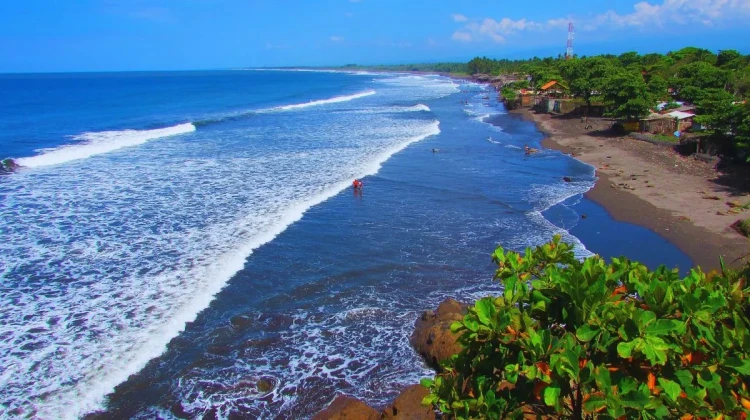
Whether you're chasing your first wave or your hundredth, El Salvador delivers. And the best part? It’s still off the mass-tourism radar, so you won’t be fighting crowds for the perfect spot.
2. 5 Mind-Blowing Facts About El Salvador You Didn’t Know
Think you know El Salvador? Think again. This tiny country packs a serious punch—here are some facts that’ll make you see it in a whole new light:
- It’s the smallest country in Central America—but also one of the most diverse. From beaches to volcanoes to cloud forests, it’s got it all in a compact, easy-to-explore size.
- Home to over 20 volcanoes—many of them active. That means dramatic landscapes, fertile soil, and some of the best coffee you’ll ever taste.
- One of the world’s top coffee producers—Salvadoran coffee is rich, smooth, and grown in high-altitude volcanic regions. Coffee tours here are a must-do.
- Lake Coatepeque is a volcanic crater lake so stunning, it feels unreal. Crystal-clear blue waters, surrounded by forested cliffs? Yes, please.
- The people are genuinely warm—you’ll be greeted with “¡Bienvenidos!” everywhere you go. It’s not just hospitality—it’s pride in their country, and it’s contagious.
El Salvador isn’t just surviving—it’s thriving. And these little-known truths are exactly why travelers are starting to take notice.
3. 7 Must-Try Foods That Define Salvadoran Flavor
If you think Central American food stops at tacos and rice and beans, get ready for a delicious wake-up call. El Salvador’s cuisine is rich, hearty, and full of soul. Here are 7 dishes you absolutely have to try:
- Pupusas: The national treasure. These thick, handmade corn tortillas are stuffed with cheese, beans, pork, or loroco (a local edible flower). Served with curtido (pickled cabbage), they’re comfort food at its finest.
- Yuca con Chicharrón: Fried cassava topped with crispy pork belly and a tangy slaw. Simple, satisfying, and deeply delicious.
- Tamales: Wrapped in banana leaves and steamed to perfection, these are spiced with achiote and filled with chicken, rice, and veggies. A holiday staple, but available year-round.
- Sopa de Pata: A rich, slow-cooked soup made with beef feet, corn, and spices. Don’t knock it till you try it—this is soul-warming, collagen-rich goodness.
- Empanadas de Frijoles: Sweet, golden-fried pastries filled with sweetened black beans. The perfect afternoon snack with a cup of coffee.
- Ceviche: Fresh, citrus-marinated fish with tomatoes, onions, and cilantro. Best enjoyed on the beach with a cold soda or beer.
- Atol de Elote: A creamy, sweet drink made from fresh corn, milk, and cinnamon. Sip it warm at sunset—it’s like liquid nostalgia.
Pro tip: Visit a local market or family-run comedor (eatery) and just point at what looks good. You won’t regret it.
4. Nature on Steroids – Volcanoes, Lagoons & Hidden Beaches
El Salvador may be small, but its natural beauty is anything but. This is a country where you can surf in the morning, hike a volcano by noon, and swim in a crater lake by sunset.
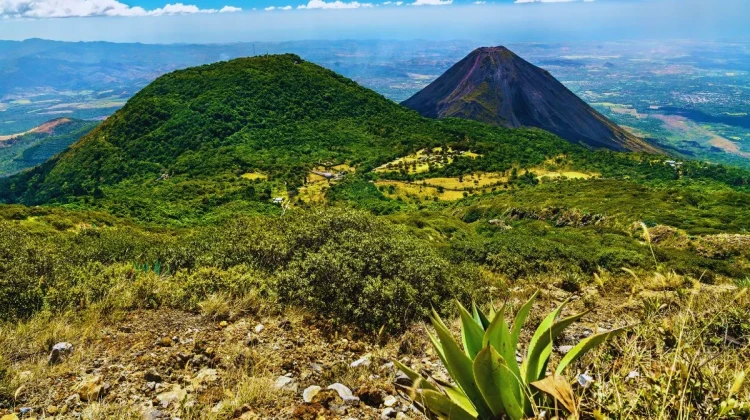
- Izalco Volcano: Known as the “Lighthouse of the Pacific” for its frequent eruptions in the past. Today, it offers a challenging hike with panoramic views of the coast and other volcanoes.
- Santa Ana Volcano (Ilamatepec): The highest volcano in the country. Hike to the rim and gaze into the stunning emerald crater lake below—pure magic.
- La Punta Beach: A quiet, uncrowded stretch of sand near La Libertad. Perfect for swimming, sunbathing, or just watching the waves roll in with a fresh coconut in hand.
- El Imposible National Park: One of Central America’s most biodiverse forests. Home to jaguars, pumas, and hundreds of bird species—ideal for eco-trekkers.
Whether you’re an adrenaline junkie or a peace-seeking beach bum, El Salvador’s landscapes will leave you breathless—literally and figuratively.
5. Culture That Feels Alive – Art, Music & Community
The soul of El Salvador isn’t just in its scenery—it’s in its people. Salvadorans are proud, resilient, and deeply welcoming. You’ll feel it in the way a street vendor hands you a pupusa with a smile, or how a local musician starts playing guitar just because the mood is right.
In San Salvador, vibrant murals tell stories of history, resistance, and hope. Towns come alive during festivals like Fiestas Agostinas in San Miguel, where parades, music, and fireworks light up the streets. And in small villages, traditional crafts like woven textiles and pottery are still made by hand.
This is a country that’s rediscovering its identity—and inviting travelers to be part of that journey.
6. El Salvador is Now Level 1 – One of the Safest Countries to Visit
Yes, you read that right: El Salvador is currently ranked Level 1 by the U.S. Department of State—the safest travel advisory level, meaning “Exercise Normal Precautions.” That puts it in the same category as France, Japan, and Canada.
Just a few years ago, that would’ve been unthinkable. But under President Nayib Bukele, the country has undergone a dramatic transformation. Through initiatives like the “Territorial Control Plan” and a strong stance against gang violence, crime has plummeted. Tourists now report feeling safer here than in many major U.S. cities.
Today, travelers can explore freely—wandering markets, hiking trails, and coastal towns without the fear that once held people back. It’s not just safe; it’s surprisingly peaceful.
El Salvador Is the Travel Comeback Story of the Decade
Let’s recap why El Salvador deserves a spot at the top of your travel list:
- 🌎 World-class surfing with fewer crowds than Costa Rica or Mexico
- 🌋 Volcanic landscapes that are perfect for hiking, photography, and awe
- 🍲 Delicious, unique food that’s deeply rooted in tradition
- 💙 Warm, proud people who make you feel like family
- 🎨 Vibrant culture expressed through art, music, and festivals
- ✅ Safer than ever—Level 1 travel advisory, backed by real change
- 💰 Extremely affordable—luxury stays, meals, and activities at a fraction of the cost
Frequently Asked Questions about Traveling to El Salvador
Is El Salvador safe to visit?
El Salvador has seen large improvements in security and currently carries a Level 1 travel advisory from the U.S. Department of State (Exercise Normal Precautions). Travelers should still use common sense, avoid isolated areas at night, and check official travel advisories before going.
When is the best time to visit?
The dry season (November to April) is ideal for beaches, surfing, and hiking. The rainy season (May to October) offers lush scenery, fewer crowds, and lower prices, but expect afternoon showers.
How many days do I need to see the highlights?
A trip of 4–7 days lets you surf, hike a volcano, and explore San Salvador. For a relaxed itinerary that includes hidden gems, plan 10 days or more.
Do I need a visa to visit El Salvador?
Visa requirements depend on nationality. Many travelers can enter visa-free for short tourist stays, while others require a visa or tourist card. Always confirm with the nearest Salvadoran embassy or official government website.
Any health or vaccination tips?
Routine vaccinations should be up to date. Depending on your itinerary, doctors may recommend hepatitis A, typhoid, or other shots. Protect against mosquitoes and carry necessary medications.
What currency is used and is it affordable?
El Salvador uses the U.S. dollar (USD). It is generally very affordable compared to North America and Europe—meals, transport, and accommodations cost less, though luxury options are also available.
Where are the best surf spots and can beginners find lessons?
Top surf spots include La Libertad, El Zonte, and Punta Roca. La Libertad and El Zonte are beginner-friendly with surf schools and rentals, while Punta Roca is best for experienced surfers.
How do I get around El Salvador?
You can use shuttles, tourist buses, taxis, ride-hailing apps in cities, or rent a car for flexibility. Driving is fine but avoid rural roads at night.
El Salvador isn’t just open for tourism—it’s thriving. It’s the kind of place that surprises you, humbles you, and leaves you wanting more.
So if you’re looking for a destination that’s authentic, adventurous, and unexpectedly safe, pack your bags and book your ticket. El Salvador isn’t waiting for the world to notice—it’s already shining. And now, it’s your turn to see it for yourself.