The 5-4-3-2-1 Packing Rule: How to Pack for 2 Weeks in One Bag
Pack for two weeks in one carry-on bag with the simple 5-4-3-2-1 rule. Real outfit ideas, fresh-clothes tips, and a checklist you can use tonight.
 ✓
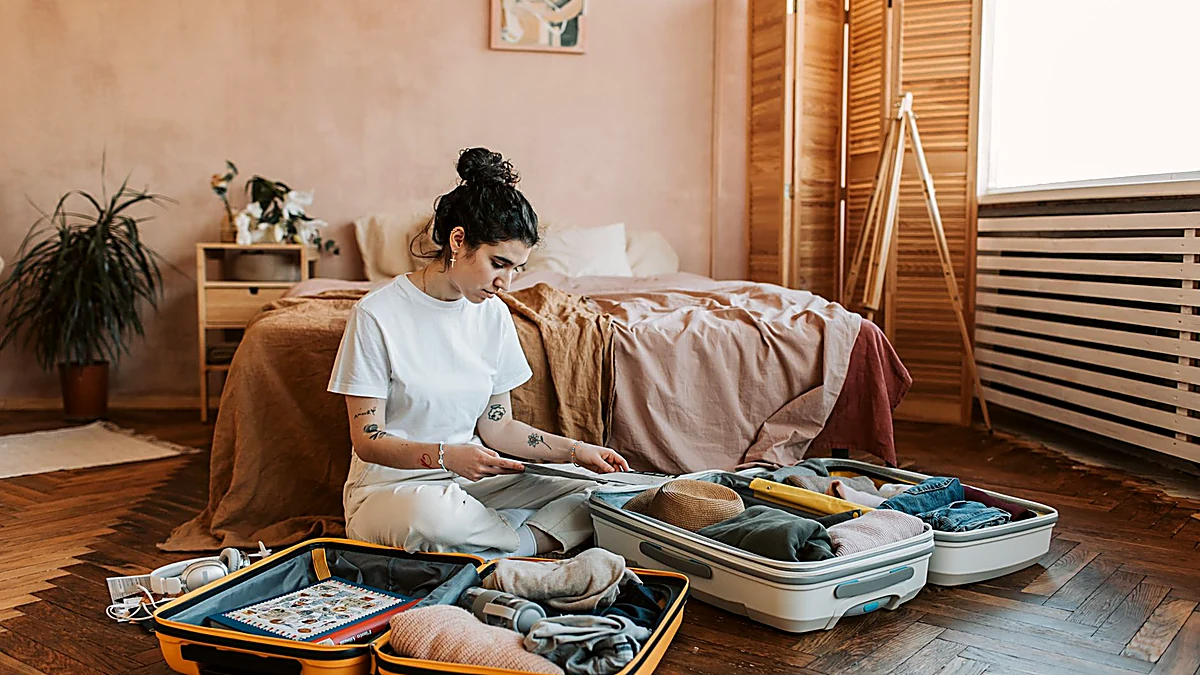
There is a moment on almost every trip when you realise you packed too much. It usually happens on a staircase, on a narrow sidewalk, or halfway down a long set of steps with no escalator in sight. The 5-4-3-2-1 packing rule is a simple way to make sure that moment never happens again, and it is more than enough for a full two weeks away.
Why Fewer Clothes Makes the Whole Trip Feel Easier
A heavy bag changes the way you travel, and it usually changes it for the worse. When your suitcase is full and awkward, you start choosing the easy route instead of the interesting one. You take a taxi instead of the bus, you stay on the main street instead of turning down the quiet lane, and you sit in the hotel lobby with your things instead of walking out to see the evening light.
A light bag does the opposite. When everything you need for the trip fits on your back, you feel free to move. You can get off the bus one stop early because something looked nice. You can follow a side street and find a small bakery. You can walk into your room without a plan, drop the bag on the floor, and go straight back out again.
There is also a quieter cost to overpacking that nobody talks about. A heavy bag takes up room in your head. You worry about it on trains, you check it twice at the cafe, and you plan your day around where you can leave it. When the bag is small enough to carry without thinking, that worry simply disappears, and you have more attention for the place you came to see.
Here is the honest part most of us do not want to admit. You do not wear fourteen different outfits in two weeks. You wear the same six or seven outfits again and again, and the other clothes sit in the bag, folded exactly the way you packed them on the first night. Think about your last long trip and count the things you truly wore. Most people remember five or six favourites, plus a few pieces they kept moving from one side of the suitcase to the other.
The 5-4-3-2-1 rule simply makes that habit official. It gives you a clear number to stop at, which is the part most people struggle with. Deciding what to bring is hard, and deciding when to stop is harder, because there is always one more "what if" item calling from the wardrobe. When you have a number, you can finally close the bag and go to bed.
One thing to settle before you start packing. Choose a bag you can carry comfortably for fifteen minutes without needing to put it down. If you cannot manage that at home on flat ground, you will not enjoy it on a cobbled street or a set of stairs. The rule only works when the bag itself is kind to your shoulders and your back.
What the 5-4-3-2-1 Numbers Actually Mean
The rule is easy to remember: five tops, four bottoms, three pairs of shoes, two layers, and one extra item that depends on where you are going. That is fifteen pieces of clothing in total, and it is enough for two full weeks when you choose them well. Underwear and socks sit outside the rule, so bring about a week's worth and wash them with your small loads.
The trick is not the numbers themselves. The trick is choosing clothes that all work together, so you never have to think about matching in the morning. Pick one colour family and stay inside it. Navy, grey, cream, and white with denim blue make a calm base, and then you add one accent colour that you actually enjoy, such as soft green, rust, or mustard. When every top works with every bottom, you get more than twenty possible outfits from fifteen items.

Five Tops
Choose three plain t-shirts or light shirts that you can wear on any normal day. These are your workhorses, the ones you reach for without thinking. Then add two slightly nicer tops, such as a fine knit top, a button-down, or a simple blouse, for dinners, a museum day, or an evening walk when you want to look a little more put together.
Stick to two or three colours here so everything mixes. A plain white tee, a navy tee, a soft grey tee, a cream button-down, and one top in your accent colour will carry you through two weeks without anyone noticing the repeats. If you feel the cold easily, make one of the five a long-sleeve top instead of another short-sleeve one.
Four Bottoms
Two pairs of trousers or jeans will handle most days, and they should be the kind you can sit in for a long train ride without fidgeting. Add one pair of shorts or a skirt for warmer afternoons, and one softer pair, such as light joggers or loose linen trousers, for travel days and evenings when you want to be comfortable.
This is where people often overpack, so be firm with yourself. Four bottoms is plenty, because you can wear each pair two or three times before it needs a wash. Dark colours hide small marks better, and they look a little smarter in the evening when you pair them with one of your nicer tops.
Three Pairs of Shoes
Count the shoes on your feet, because they are part of the three. Your first pair should be comfortable walking shoes that you have already broken in at home. Your second pair can be lighter, such as sandals in summer or simple flats in cooler months. Your third pair should look a little dressier, so you have something for a nice dinner or a special evening.
Shoes are heavy and they take up space, which is why three is the limit. Wear your heaviest pair on the plane, and pack the other two with socks tucked inside them to save room and keep their shape. If you are heading somewhere cold or wet, make your walking shoes waterproof, because cold, damp feet ruin a day faster than almost anything else.
Two Layers
Bring one light jacket that handles wind and a little rain, and one softer layer such as a cardigan, an overshirt, or a thin sweater. These two pieces are what make a small wardrobe work in different weather. A cool morning gets the cardigan, a rainy afternoon gets the jacket, and a cold day gets both together.
If your trip includes real cold, swap the light jacket for a warmer one and add a thin thermal top as an extra base layer. One thin thermal is far more useful than a second heavy coat, because you can wear it under anything and it takes up almost no space at the bottom of the bag.
One Extra Item
The final number is the one piece that depends on your destination. In a hot place, it might be a swimsuit or a sun hat. In a cool city, it might be a scarf that adds warmth and a little colour at the same time. If you are travelling for work, it might be the one jacket or dress you need for a single important meeting.
Whatever you choose, it should fit your colour family and work with at least three other pieces in the bag. That way it earns its place instead of sitting at the bottom, unworn, for the whole trip.
| Number | What it means | Good choices |
|---|---|---|
| 5 | Tops | Three plain tees or light shirts, plus two nicer tops |
| 4 | Bottoms | Two trousers or jeans, one shorts or skirt, one soft pair |
| 3 | Pairs of shoes | Walking shoes, a lighter pair, one dressier pair |
| 2 | Layers | A light jacket and a cardigan, overshirt, or thin sweater |
| 1 | Extra item | A hat, a swimsuit, a scarf, or one outfit for an event |
What Two Weeks of Outfits Really Looks Like
The numbers only feel real when you see them in a normal week, so here is how a typical day works with these fifteen pieces. For a day of walking and sightseeing, you put on your light trousers, a plain tee, the overshirt, and your walking shoes. This is the outfit you will wear most, and it is comfortable for hours on your feet.
In the evening, you swap the plain tee for one of your nicer tops and change into the dressier shoes. Suddenly it reads as a different outfit, even though only two things changed. This small switch is what makes a tiny wardrobe feel much bigger than it is.
On a warm afternoon, you wear the shorts or skirt with the same plain tee, add sandals, and leave the layers in the bag. On a cool morning in Copenhagen or a wet day in Edinburgh, you add the cardigan, and if it turns really cold you put the thin sweater on under the jacket. One wardrobe, several kinds of weather.
Reuse your bottoms two or three times before washing, and your tops once or twice. Nobody is counting and nobody notices. Keep things simple by matching your socks and tights to your colour family, so nothing ever clashes when you are getting dressed in a dim hotel room at seven in the morning.
If your trip includes something formal, such as a wedding or a work dinner, pack one outfit for that event and wear the pieces again on other days. A dressy top works with your everyday trousers, and your dressier shoes work with a simple skirt. You do not need a second suitcase for one evening.
| Moment | What you wear |
|---|---|
| Normal sightseeing day | Light trousers, plain tee, overshirt, walking shoes |
| Dinner out | Same trousers, nicer top, dressier shoes |
| Warm afternoon | Shorts or skirt, plain tee, sandals, no layer |
| Cool or rainy day | Trousers, tee, thin sweater, cardigan, jacket |
| Travel day | Soft trousers, plain tee, jacket, heaviest shoes on your feet |
Keeping Clothes Fresh Without a Laundry Room
You do not need a washing machine to keep your clothes clean on a two-week trip. Most hotels and apartments have a sink or a shower, and that is enough for a small load. Every three or four days, wash a few items with a little gentle soap or travel detergent. Swish them around for a minute, rinse them well, and then roll each piece in a dry towel and press down firmly. The towel soaks up most of the water, which means your clothes dry far faster than if you simply wring them out.
Hang them on a travel line or over the back of a chair near an open window, and most thin cotton and merino pieces are dry by morning. This is exactly why fabric choice matters more than anything else. Quick-drying cotton blends, merino wool, and light linen forgive this routine. Heavy denim, thick fleece, and bulky sweatshirts do not, so keep those to a minimum.

Wrinkles are easier to deal with than most people think. Hang the wrinkled item in the bathroom while you take a hot shower, and the steam does most of the work on its own. A small bottle of wrinkle-release spray helps with stubborn creases, and a good shake before hanging makes a difference too.
You do not need more clothes for a longer trip. You need clothes you can wear, wash, and wear again, in a colour family that always matches itself.
Shoes need air, so take out the insoles if you can and let them breathe overnight, well away from your clean clothes. Use a small cotton bag for anything dirty, such as worn socks or a damp swimsuit, so the rest of your bag stays fresh. A tiny sewing kit, a few safety pins, and a stain pen will solve almost every small emergency you meet on the road.
Your Quick Check Before You Zip the Bag
Before you close the bag, run through the numbers one last time. Five tops, four bottoms, three pairs of shoes, two layers, and one extra item for your destination. Check that everything matches everything else, and that you could get dressed in the dark without making a mistake.
- Wear your heaviest and bulkiest items on travel day, which usually means your jeans, your jacket, and your walking shoes.
- Keep toiletries small and in one pouch, with liquids in travel sizes and inside a clear bag if you are flying.
- Put chargers, adapters, and cables in a single pouch so you are not hunting for them in a hotel room.
- Keep your passport, tickets, and insurance details together in one folder you can reach without digging.
- Add a small laundry bag, a travel line, and a few washing sheets for the mid-trip wash.
Lay everything out on the bed before it goes in. Then take one item away, because there is always one thing you will not use. It might be the second pair of sandals or the top you love but never actually wear. Removing it now is much easier than carrying it for two weeks.
Weigh the bag at home, and if you can, walk around the block with it on. A short practice walk tells you more about your bag than any packing list ever will, because you feel the weight on your shoulders and you notice the strap that digs in. Adjust before you get to the airport, not after.
Two weeks in one bag is not about being strict or going without. It is about trusting your small set of clothes, knowing that your outfit is already waiting in the morning, and spending your energy on the trip instead of on your luggage.
Frequently asked questions
✓ Kristina Mate
Founder & Lead Travel Editor · TravelStyleMate
Kristina is the founder and lead editor of TravelStyleMate. Over the past 8 years, she has explored 35+ countries across Europe, Asia, and the Americas—traveling almost exclusively with a single 40L carry-on bag. A dedicated solo traveler, she specializes in cobblestone-tested footwear, minimalist capsule packing formulas, and realistic transit logistics. Every packing rule, walking shoe, and itinerary on TravelStyleMate is personally tested on actual trips with real luggage constraints.
Testing Guarantee: Every packing rule, walking shoe, and transit route is personally tested with real luggage constraints. No paid rankings, no untouched gear, no AI fluff.
Related guides
The 7-Day City Trip Packing List: Easy Outfits for Every Day
Pack one small bag for seven days of city wandering. A simple color plan, easy mix-and-match outfits, and one gentle wash keep you light and calm.
How to Pack Clothes for Train Trips with Little Space
Pack light for train trips with a small soft bag, mix-and-match outfits, and easy sink washing. Stay comfortable on busy platforms and tight seats.
What to Pack for Spring and Fall Trips with Changing Weather
Pack light for spring and fall trips with a simple layer capsule. Learn what to wear when mornings are cold, afternoons warm up, and rain shows up.