What to Pack for Spring and Fall Trips with Changing Weather
Pack light for spring and fall trips with a simple layer capsule. Learn what to wear when mornings are cold, afternoons warm up, and rain shows up.
 ✓
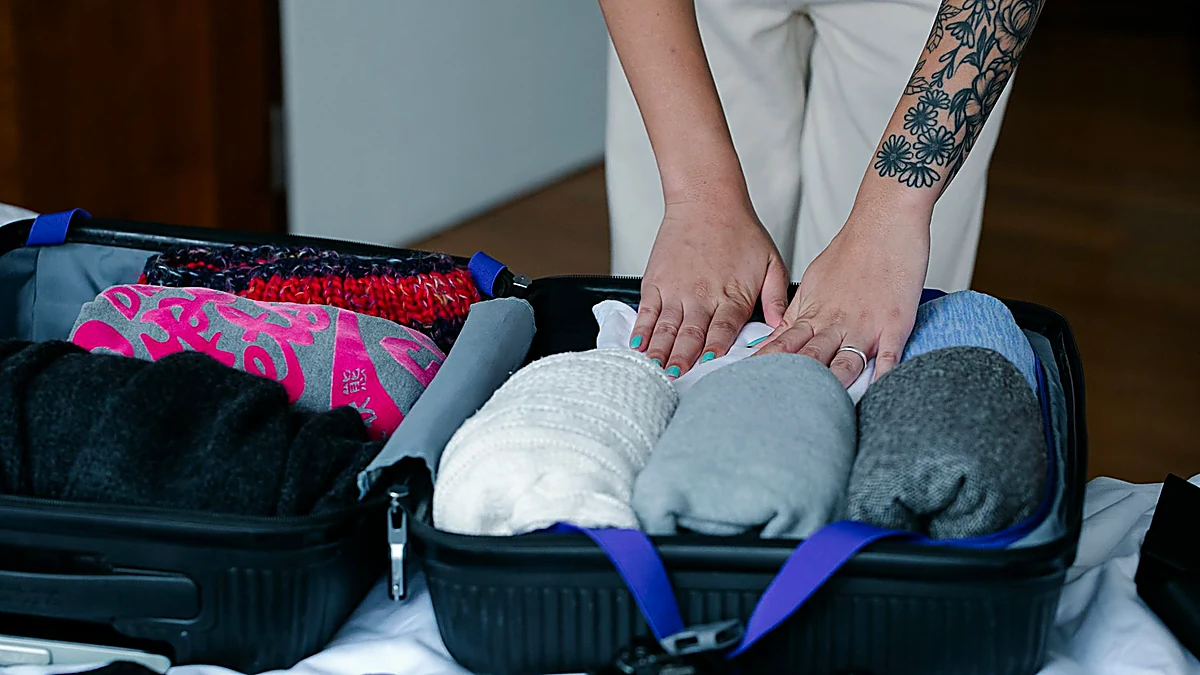
The most common shoulder season packing mistake is easy to spot in any hotel breakfast room. Someone packed one heavy coat because the forecast mentioned rain and cool air, and now they are sweating by noon and shivering by dinner. The fix is not a bigger suitcase. It is a small set of thin layers that you add and take off as the day changes.
Spring and fall are odd seasons for travel. A morning in Munich in April can feel like winter, and by three in the afternoon you are comfortable in a t-shirt. Edinburgh in October can hand you bright sunshine and a cold wind in the same hour. Copenhagen in May is warm and gentle one day and grey and sharp the next.
This guide walks you through a small capsule of clothes that handles all of that. You will not need a heavy coat, and you will not need to check a bag.
Start with a Simple Layer Plan
Instead of packing for one temperature, pack for the range of temperatures you will meet in a single day. The simplest way to do that is to think in three thin layers that sit on top of each other.
The first is your base layer, the piece that touches your skin. In spring, a soft cotton t-shirt does the job nicely. In fall, a thin merino top or a light long-sleeve shirt keeps you warmer without adding bulk. This layer soaks up sweat and keeps you feeling fresh, and it is the piece you will wear the most.
The second is your mid layer, and this is what actually adds warmth. A light merino sweater, a thin fleece, or a packable puffer jacket all work well. Your mid layer is the piece you peel off at noon and pull back on when the sun slips behind a building.
The third is your outer layer, and its job is to block wind and rain. A simple rain shell with a hood is ideal. Your city may get four seasons in a day, so this piece should fold into its own pocket and take up almost no room in your bag. It needs to fit comfortably over your mid layer without feeling tight across the shoulders.
| Layer | What it does | A good example |
|---|---|---|
| Base | Sits on your skin and manages sweat | Cotton t-shirt or thin merino top |
| Mid | Traps warmth and comes off easily | Merino sweater, fleece, or packable puffer |
| Outer | Stops wind and light rain | Packable rain shell with a hood |
This approach works because it lets you dress for the moment. A heavy wool coat has only one setting, and that setting is uncomfortable for most of a spring afternoon. Three thin layers give you four or five settings, from warm and sunny to cold wind and drizzle.
There is a second benefit that people often miss. Layers pack smaller and weigh less than one thick coat, so your bag stays easy to carry and you still have room for the things you pick up along the way.
You do not need special gear for this. A plain rain shell, a light sweater, and a couple of t-shirts are enough for most shoulder season trips. The point is to give yourself choices, not to buy new equipment.
Fabric notes for changing weather
Fabric choice matters as much as the number of pieces you bring. Merino wool keeps you warm even when it is slightly damp, and it does not hold smells the way some synthetic shirts do. Thin nylon and polyester blends dry very fast, which makes them a smart pick for wet days.
Cotton is soft and comfortable, but it takes a long time to dry and feels cold against your skin when it is wet. It is better for sunny spring days than for damp fall ones. Denim is heavy and slow to dry, but one pair of dark jeans earns its place because it works almost everywhere. For the second pair of trousers, choose something light that dries overnight and still looks tidy at dinner.
Build a Small Mix-and-Match Capsule
Once the layer plan makes sense, the next step is choosing clothes that all work together. The trick is to pick one small color family and stay inside it. Navy, gray, cream, and olive are a good choice, because every piece matches every other piece and you never have to think in the morning.
Here is the capsule that I bring on almost every spring and fall trip.
- Three base layers: two short-sleeve t-shirts and one long-sleeve top.
- Two mid layers: a light merino sweater and a packable puffer or thin fleece.
- One rain shell that fits over both mid layers.
- Two bottoms: one pair of dark jeans and one pair of lightweight trousers.
- Two pairs of shoes: broken-in walking shoes and one slightly nicer pair.
- A scarf, a thin beanie, and a pair of thin gloves for cold mornings.
That is eight or nine pieces of clothing, and it gives you a surprising number of outfits. You can wear the jeans with a t-shirt and sweater on a cool day, then swap in the lightweight trousers and the long-sleeve top when it warms up. The rain shell goes over everything when the sky turns dark.

For a fall trip in Europe, a few pieces change. A thin turtleneck replaces one of the t-shirts, a wool-blend cardigan replaces the fleece, and water-resistant ankle boots work better than sneakers. These small swaps keep you warm on cold cobblestone streets and dry when the pavement is wet.
For a spring trip, the balance shifts the other way. A cotton t-shirt, a light trench coat, and a clean pair of white sneakers feel right for city days and long walks. Add the thin sweater for mornings and the rain shell for showers, and you are set.
One more piece is worth mentioning, and that is a large, light scarf. It works as a neck warmer on a cold morning, a light blanket on a chilly train, and a small pillow on a long bus ride. It takes up almost no space and it earns its place in your bag on nearly every trip.
Packing cubes help here too. Roll each piece tightly, tuck it into a cube by category, and you will find that you can see everything at a glance instead of digging through a jumbled bag. Small habits like this are what make a light suitcase feel organized.
Easy Outfit Ideas for Cool Mornings and Warm Afternoons
The real test of a packing plan is a day that changes on you. Here are a few outfits that handle the most common shoulder season days.
A day that starts near 8°C and ends near 18°C
Wear a base t-shirt, a light cardigan, and your packable jacket with jeans and sneakers. By lunchtime, you can tie the cardigan around your waist or fold it into your day bag. If the afternoon turns windy, the jacket goes back on and you are comfortable again.
A day with rain in the forecast
Swap the cardigan for your rain shell and wear the lightweight trousers instead of jeans. Choose shoes that handle a wet pavement, and keep a small umbrella in your day bag for the moments when the rain comes in sideways. Quick-dry trousers are far more pleasant than heavy denim when the streets are wet.
A chilly evening
Add a scarf, a beanie, and thin gloves, and switch to your ankle boots. This is the same outfit you wore all day, with three small additions. You do not need to change your whole look to stay warm after dark.
Fall in Europe
A thin turtleneck, a wool blazer or cardigan, dark jeans, and leather ankle boots make a simple outfit that works in a museum, a cafe, and on a long walk along a river. Carry the rain shell in your bag and you are ready for whatever the sky decides to do.
Spring days
A linen shirt, a light sweater, a trench coat, and comfortable loafers feel relaxed and tidy at the same time. If the afternoon warms up, the sweater comes off and the trench goes over your arm.
The goal in all of these outfits is to change one or two pieces, never the whole look. That is what makes a small capsule work so well.
| Time of day | What you wear | What you carry |
|---|---|---|
| Early morning | Base layer, mid layer, and outer layer | Nothing extra yet |
| Midday | Base layer and one light piece | Mid layer folded in your day bag |
| Late afternoon | Base layer and mid layer | Outer layer ready for wind or rain |
| Evening | Everything, plus scarf, beanie, and gloves | Small umbrella |
Keep Clothes Fresh Without a Big Laundry Day
Packing fewer clothes only works if you can keep them clean. The good news is that a small washing routine at night takes about ten minutes and saves you from carrying twice as much.
Bring a few laundry sheets, a small sink stopper, a travel clothesline, and a mesh bag. At night, wash your socks, underwear, and merino tops in cool water with a tiny amount of soap. Squeeze them gently instead of twisting, roll them in a dry towel to press out the extra water, and hang them up to dry.
Merino wool and nylon blends usually dry overnight, which is why they are such good travel fabrics. Heavy cotton takes much longer, so it is better to wash cotton less often and wear it more times between washes.
Wrinkles are easy to handle too. Hang a creased shirt in the bathroom while you take a hot shower, and the steam does most of the work. A small bottle of wrinkle-release spray helps on stubborn fabrics, and a quick shake before you hang the shirt makes a real difference.

This routine also changes how you think about your bag. When you know you can wash a t-shirt in the sink, you stop packing seven of them. Fewer pieces, washed more often, means a lighter bag and less time standing in front of your suitcase at home.
Small Extras That Make a Big Difference
A few small items turn a good packing list into a great one. A lightweight day bag keeps your layers with you during the day, so you are never stuck wearing a sweater you no longer need. A packable tote is handy for groceries, laundry, or a rainy afternoon of shopping.
A small dry bag or a couple of zip-top bags protect your phone and camera when the rain arrives. A refillable water bottle saves money and keeps you drinking enough on long walking days. Lip balm and hand cream matter more than you expect in cold, windy air.
If you wear glasses, pack a cleaning cloth and a small screwdriver kit. If you take medication, keep it in your day bag rather than your suitcase, so it stays with you if your main bag goes missing. These are tiny things, but they are exactly what people wish they had when the weather turns.
Your Quick Shoulder Season Checklist
Before you close your bag, look at the forecast for the first three days of your trip. It will not tell you everything, but it will tell you whether to lean warmer or lighter. Then run through this list.
- Three base layers
- Two mid layers
- One rain shell with a hood
- Two bottoms
- One dress or skirt if you enjoy wearing one
- Two pairs of shoes
- Five pairs of socks and five pairs of underwear
- A scarf, a thin beanie, and thin gloves
- A compact umbrella
- A small laundry kit
- Pajamas, toiletries, chargers, and any medication
Leave a little empty space in your bag. You will almost certainly find something you want to bring home, and you will be glad you did not fill every corner.
Layers are the whole answer to shoulder season packing. When you can add or remove warmth in ten seconds, a spring shower or a cold morning stops being a problem and becomes just another part of the day.
There is one more habit that helps. Wear your heaviest shoes on travel days and keep your rain shell in your day bag instead of your suitcase. That way you are ready the moment the weather changes, and your main bag stays light and easy to manage.
Spring blossoms and fall colors are some of the best reasons to travel. With a small set of layers, you can enjoy them without dragging a heavy bag through train stations or wishing you had packed differently. Pack light, dress in layers, and let the weather do whatever it wants.
Frequently asked questions
✓ Kristina Mate
Founder & Lead Travel Editor · TravelStyleMate
Kristina is the founder and lead editor of TravelStyleMate. Over the past 8 years, she has explored 35+ countries across Europe, Asia, and the Americas—traveling almost exclusively with a single 40L carry-on bag. A dedicated solo traveler, she specializes in cobblestone-tested footwear, minimalist capsule packing formulas, and realistic transit logistics. Every packing rule, walking shoe, and itinerary on TravelStyleMate is personally tested on actual trips with real luggage constraints.
Testing Guarantee: Every packing rule, walking shoe, and transit route is personally tested with real luggage constraints. No paid rankings, no untouched gear, no AI fluff.
Related guides
The 7-Day City Trip Packing List: Easy Outfits for Every Day
Pack one small bag for seven days of city wandering. A simple color plan, easy mix-and-match outfits, and one gentle wash keep you light and calm.
How to Pack Clothes for Train Trips with Little Space
Pack light for train trips with a small soft bag, mix-and-match outfits, and easy sink washing. Stay comfortable on busy platforms and tight seats.
How to Pack for Warm and Cold Weather in the Same Bag
Learn how to pack one carry-on for chilly mornings and warm afternoons using thin layers, mix-and-match pieces, and a simple sink-wash routine.