How to Pack Clothes for Train Trips with Little Space
Pack light for train trips with a small soft bag, mix-and-match outfits, and easy sink washing. Stay comfortable on busy platforms and tight seats.
 ✓
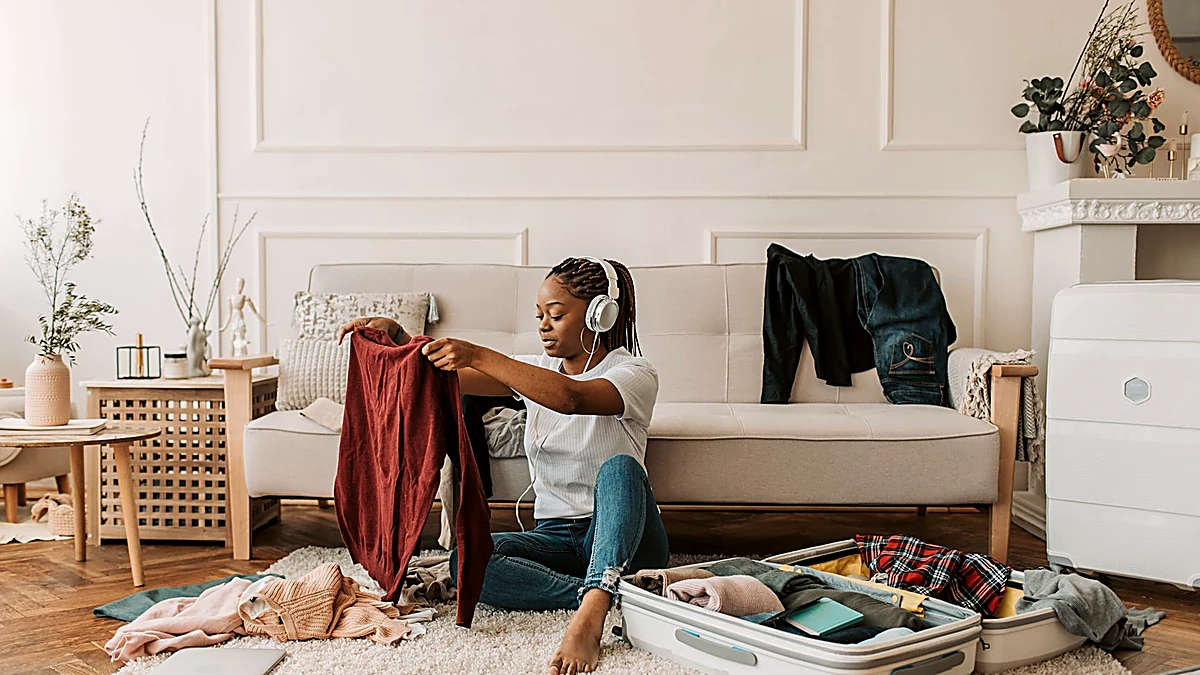
Train travel asks something simple from your suitcase: it has to stay small enough to lift, carry, and tuck beside your seat. When your bag is light and your clothes all work together, stepping onto a platform feels easy instead of stressful.
Most of us pack the way we did for a car trip. We fill a big case with "just in case" items, then spend the whole journey tripping over it in a narrow aisle. The good news is that packing for a train is a skill anyone can learn in an afternoon, and it does not require buying fancy gear.
This guide walks through the whole process. You will choose a bag you can actually lift, build a short list of clothes that match each other, dress for both a hot platform and a cold carriage, and keep things fresh without hunting for a laundry room. Everything starts with the bag itself, because every other choice follows from that one.
Start With a Small Bag You Can Lift Easily
The bag comes first, and it should be soft. A backpack or duffel in the 30 to 40 liter range holds a week of clothes for most people, and it fits into spaces a hard suitcase never will.
Think about the real movements of a train day. You lift your bag onto a rack above your head. You carry it up a flight of stairs when the station elevator is out of order. You squeeze past other passengers in a corridor that is barely wide enough for one person. Soft bags handle all of that, while hard wheeled cases fight you at every step.
Why soft bags win on trains
- A soft bag squeezes into the gap between your knees and the seat in front of you when the overhead rack is already full.
- It rests on your lap without digging a hard corner into your leg.
- Straps and handles let you carry it on your back, which leaves both hands free for tickets, coffee, and a phone.
- It weighs less than a wheeled case of the same size, and that matters when you walk from the platform to your hotel.
One more thing is worth thinking about, and that is where the bag will live on the train. If it fits under the seat in front of you, it stays with you for the entire journey. That is a real relief when you have a short connection coming up, or when you want to grab a jacket without climbing over strangers.
Use packing cubes to make the space work harder
Packing cubes are simple zippered pouches that hold groups of clothes. They are not magic, but they do three useful things at once. They compress soft clothes so air escapes and the pile gets smaller. They keep everything organized so you are not digging through a dark bag on a moving train. They also let you pull out one cube at a hotel and leave the rest packed.
A simple setup works well for most trips: one medium cube for tops, one small cube for underwear and socks, one slim pouch for toiletries, and a little bag for cables and chargers. That is enough. You do not need a separate cube for every single item, and buying more of them only adds weight.
| Bag size | Good for | What to keep in mind |
|---|---|---|
| 25 to 30 liters | Weekend trips and short overnight trains | Very easy to carry, but you must be strict about what goes in. |
| 30 to 40 liters | One to two weeks in mild weather | The sweet spot for most train trips, and it fits a full mix-and-match pack. |
| 40 to 50 liters | Cold weather or trips with formal clothes | Still carry-on friendly, but test the weight before you leave home. |
Test the weight before you leave home
Pack your bag a few days early, then walk around the block with it. Lift it above your head a few times. Stand still with it on one shoulder for two minutes, the way you would while waiting for a train. If your arm aches, you have packed too much, and it is much easier to fix that at home than on a platform.
If you cannot lift your packed bag above your head with one hand, it is too heavy for a train trip.
Build a Simple Train Travel Packing List
Now for the clothes. The trick is to choose a small number of pieces that all look good together. When every top matches every bottom, you can get dressed in the dark on an early train and still look put together.

Simple pieces that mix and match easily.
Here is a list that works for most trips of one to two weeks in spring, summer, or early fall. Adjust the warmth of the layers for the season, but keep the numbers roughly the same.
| Item | How many | Notes |
|---|---|---|
| Tops such as tees and light shirts | 3 | Choose breathable cotton or a soft merino blend. |
| Bottoms such as pants, jeans, or a skirt | 2 | One stretchy pair for long travel days and one smarter pair for evenings. |
| Warm middle layer | 1 | A thin wool sweater or a light fleece works well. |
| Light rain shell | 1 | It packs down small and blocks wind on open platforms. |
| Underwear and socks | 5 pairs of each | Wash a few in the sink every second night. |
| Sleep set | 1 | A soft tee with shorts or light pants for overnight trains and hostels. |
| Shoes | 2 pairs | One pair of broken-in walking shoes and one pair of sandals or slip-ons. |
That is around a dozen items, and it covers a surprising number of days. The reason is simple. Five pairs of socks plus a sink wash every couple of nights means you never actually run out.
Pick a color family and stay inside it
Choose two or three colors that all sit well next to each other. Navy, gray, olive, cream, and black are the easiest to work with. Every top you bring should match every bottom, and every layer should match both of them. A single scarf can add a little color if you want it, and it takes up almost no space.
This sounds limiting, but it is really the opposite. When you stop worrying about whether things go together, you spend less time deciding what to wear and more time enjoying the trip. You can always add one bright piece if you love color. Just make sure it works with at least two other items in the bag before it earns a place.
Little extras that make train days easier
Clothes are only part of the pack. For train trips, especially in Europe, a few small extras make a real difference:
- A scarf can double as a blanket, a pillow, or a cover from the sun.
- A refillable water bottle can be filled at the station before you board.
- A few snacks help, because food on board is limited and station shops can be pricey.
- A charger, a short cable, and a small power bank keep your phone alive on long days.
- A thin pouch for tickets, your passport, and a card should live in the same pocket every time.
When you pack soft items, roll them. Rolling squeezes out air and keeps wrinkles to a minimum. Fold stiffer things like collared shirts and structured pants along their natural creases, then lay them flat at the bottom or on top of the rolled clothes.
What to leave at home
Knowing what to leave behind is just as useful as knowing what to bring. A hair dryer takes up a lot of room and most hotels and hostels provide one. A second pair of heavy jeans is rarely worth the weight, and a bulky towel is the kind of thing you use once and then carry for two weeks.
Leave the formal outfit at home unless you have a specific event to attend. Leave the extra books too, and pick up a paperback along the way if you finish the one you brought. The more you trim at this stage, the lighter every station staircase feels.
Outfits That Work on Platforms and in Train Seats
Train travel has a funny temperature problem. A platform can be hot and still, and then the carriage is cold with strong air conditioning. The answer is layers you can add and remove in seconds.
On travel days, wear your biggest items instead of packing them. That means your heaviest shoes, your warmest layer, and your jacket. It saves space in the bag and keeps you comfortable while you wait on the platform.
A simple outfit that handles both
Start with stretchy pants or dark jeans that you can sit in for hours. Add a breathable tee, then a cardigan or thin wool layer on top. Finish with a light rain shell that blocks wind and folds into your bag the moment you step inside. Broken-in sneakers handle cobblestones, station stairs, and the long walk to your hotel.
| Piece | Why it works |
|---|---|
| Stretchy pants or dark jeans | Comfortable for hours in a seat and still neat enough for dinner. |
| Breathable tee | It stays cool when the carriage warms up in the afternoon. |
| Cardigan or thin wool layer | Easy to pull on when the air conditioning kicks in. |
| Light rain shell | It handles drizzle on the platform and cold wind between carriages. |
| Scarf | It warms your neck, covers your eyes for a nap, or shades your shoulders. |
| Broken-in sneakers | No blisters on the walk from the station to your room. |
In cooler months, add a warm hat and a second pair of socks to your day bag. Cold feet on an early train are miserable, and a spare pair takes up almost no room at all.
Keep a tiny day bag for the seat
Your main bag can go on the rack or under the seat, but you still want a few things within reach. A small pouch or light tote holds your water bottle, snacks, charger, tickets, and a thin layer. Everything else stays packed away. This keeps your seat area calm and makes it easy to stand up when your stop arrives.
The best train outfit is the one you forget you are wearing, because you are too busy watching the window.
Keep Clothes Fresh Without a Big Laundry Day
Here is the part most people worry about. Can you really stay fresh for a week or two with only five pairs of socks? Yes, you can, as long as you wash a few small things along the way. It takes about ten minutes in the evening and saves you from carrying a heavy bag.

Comfortable clothes ready for a week of travel.
Wash small items in the sink
Fill a sink with cool water and add a little soap or a travel detergent sheet. Put in your underwear, socks, and tee, then gently squeeze the water through the fabric for a minute or two. Rinse everything until the water runs clear.
The drying part matters even more than the washing. Lay a clean towel flat, place the wet clothes on it, and roll the towel up tightly. Press down with your knees or your hands. The towel soaks up most of the water, and the clothes will dry overnight instead of in two days.
Hang things where air can move
A travel line with suction cups or hooks turns any bathroom into a drying area. If you do not have one, a hanger on a shower rod works just as well. Hang socks and underwear at least a finger's width apart so air can move between them. In a dry room, they will be ready by morning.
Choose quick-dry fabrics when you can. Thin wool, synthetic blends, and light cotton dry much faster than heavy cotton or denim. If you plan to wash often, those fabrics are worth the small extra cost.
Smooth out wrinkles without an iron
Shirts that have been folded in a bag for two days will have some creases in them. Hang them in the bathroom while you take a hot shower. The steam relaxes the fabric, and most small creases fall out on their own. A light spray with a wrinkle-release product helps too, and one small bottle lasts a long time.
Give your clothes a good shake before you hang them. A shake does more than people expect, and it costs nothing at all.
Keep dirty clothes away from clean ones
Bring a small laundry bag, ideally one that keeps damp items separate from dry ones. Put dirty clothes in it every evening instead of stuffing them back into your cubes. This one habit keeps your clean clothes smelling fresh and makes it easy to find what you need in the morning.
If a piece of clothing is clean but has already been worn once, give it its own spot in the bag. A small "worn but wearable" pouch stops you from mixing everything together into one confusing pile.
Your Quick Packing Checklist Before You Leave
The night before you go, lay everything out and run through the list one last time. It takes five minutes, and it prevents the classic mistake of leaving a charger or a passport behind.
- Your bag sits by the door with the straps checked and every zip working.
- You have three tops, two bottoms, one warm layer, and one rain shell packed and ready.
- Five pairs of underwear, five pairs of socks, and one sleep set are in the bag.
- Your walking shoes are broken in, and your sandals or slip-ons are tucked in beside them.
- Toiletries are in a small pouch, with anything liquid sealed inside a bag.
- Chargers, cables, and the power bank are all in one pocket you can find without looking.
- Tickets, your ID or passport, and a payment card are together in the same spot.
- Your water bottle is empty and ready to fill, and a few snacks are packed.
- Any medicines travel with you, along with a small first-aid kit if you need one.
Leave a little empty space in the bag. That gap is room for a snack from a station shop, a book, or a small souvenir you did not plan to buy. A bag that is completely full is a bag that is hard to close and annoying to carry.
Wear your heaviest layer to the station, even if it feels warm at home. You can always take it off and tie it around your waist, and you will be glad of it on a cold platform at the other end of the line.
Pack like you are coming home in a week, and you will be surprised how little you actually miss.
Once the bag is closed, the trip gets simple. You lift it easily, walk to your seat, slide it under your legs, and settle in. Everything you need is in one small place, and the rest of the journey is just the view out the window.
Frequently asked questions
✓ Kristina Mate
Founder & Lead Travel Editor · TravelStyleMate
Kristina is the founder and lead editor of TravelStyleMate. Over the past 8 years, she has explored 35+ countries across Europe, Asia, and the Americas—traveling almost exclusively with a single 40L carry-on bag. A dedicated solo traveler, she specializes in cobblestone-tested footwear, minimalist capsule packing formulas, and realistic transit logistics. Every packing rule, walking shoe, and itinerary on TravelStyleMate is personally tested on actual trips with real luggage constraints.
Testing Guarantee: Every packing rule, walking shoe, and transit route is personally tested with real luggage constraints. No paid rankings, no untouched gear, no AI fluff.
Related guides
The 7-Day City Trip Packing List: Easy Outfits for Every Day
Pack one small bag for seven days of city wandering. A simple color plan, easy mix-and-match outfits, and one gentle wash keep you light and calm.
What to Pack for Spring and Fall Trips with Changing Weather
Pack light for spring and fall trips with a simple layer capsule. Learn what to wear when mornings are cold, afternoons warm up, and rain shows up.
How to Pack for Warm and Cold Weather in the Same Bag
Learn how to pack one carry-on for chilly mornings and warm afternoons using thin layers, mix-and-match pieces, and a simple sink-wash routine.