The Best Free Sunset Spots: Great City Views Without Paying Cover Fees
Skip the paid rooftop and find free hills, bridges, and riverbanks for golden hour in any city. Plus what to wear and pack for a comfortable evening.
 ✓
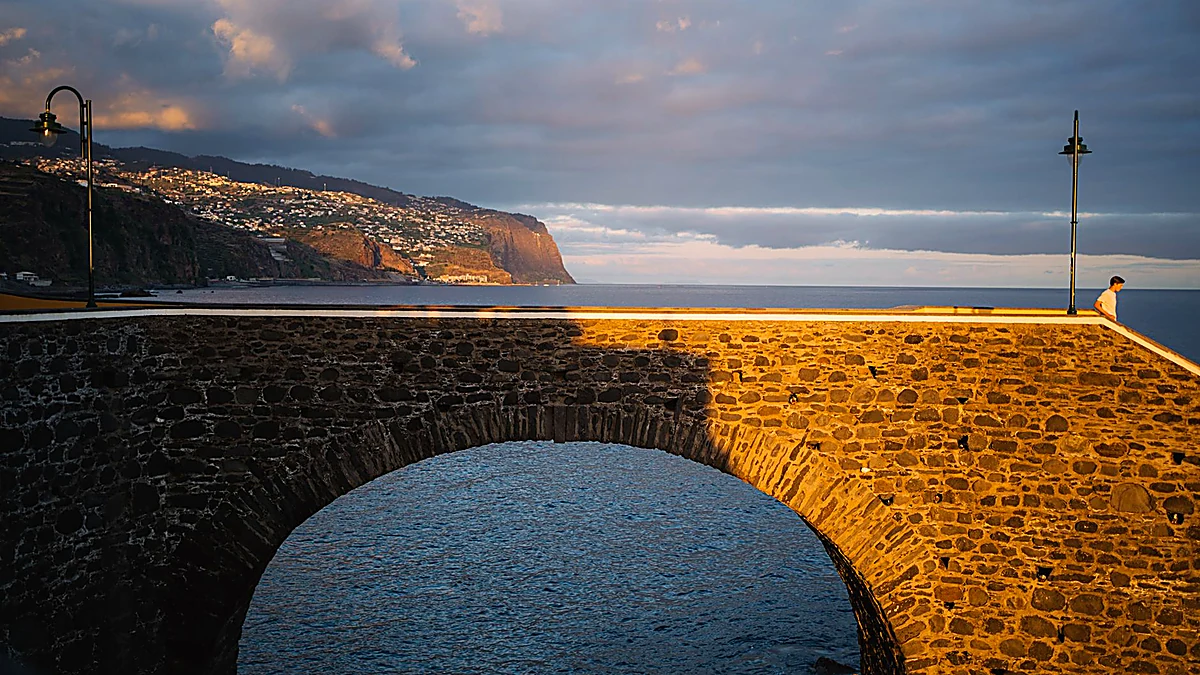
Rooftop bars and observation decks charge you for a view that the city gives away for nothing every single evening. In almost every place you visit, there is a bridge, a public hill, a riverbank, or a small neighbourhood park where the same golden light lands, and nobody is standing at the door with a host stand and a minimum spend.
The trick is knowing where those places are, when to show up, and what to put in your bag so you can stand there comfortably for an hour. This guide walks you through all three, and it works whether you are in a big European capital or a small town you just stepped into this morning.
Why the Best Sunset Views Are Usually Free
Paid skydecks sell you height, but height and a good view are not the same thing. When you pay to go up, you often end up behind a thick glass wall that reflects the light straight back at you, standing shoulder to shoulder with a hundred other people, holding a drink you had to buy to keep your table.
What actually makes an evening view good is much simpler. You want an open stretch of sky facing west, some interesting shapes in the middle distance, and a little water or old stone to bounce the warm light around. All three of those things usually exist at ground level, and often they are free.
Think about the places people remember. In Edinburgh, you can walk up Calton Hill in about fifteen minutes and look down over the whole city as the light drops behind the castle. In Munich, Olympiaberg is a grassy hill built from the rubble of the old city, and it hands you the entire skyline for free. Montreal has the Mount Royal lookout, which costs nothing and gives you the river and the downtown towers in one sweep. Copenhagen has the harbour edge at Kalvebod Bølge, where local people sit on the wooden steps with a beer and watch the sky change colour.
Florence has Piazzale Michelangelo, a wide terrace above the river that fills up every evening with people who brought their own wine. Seattle has Kerry Park, a tiny neighbourhood viewpoint that might give you the best photograph of the Space Needle you will ever take. Tokyo is even better than most people expect, because a few government buildings open their top floors to the public for free, and the view over the city at dusk is enormous.
The real advantage of a free spot is not just the money you save. Free places are rarely rushed. You can sit on the ground, open a bag of snacks, stay an extra twenty minutes, and leave when you feel like it. Nobody is waiting to turn your table over, and nobody is holding your coat behind a counter.
There is a time to pay, and it is worth saying so honestly. If it is raining, if you are travelling with someone who cannot manage stairs or rough ground, or if you simply want a chair and a drink while you watch, then a paid rooftop or a warm bar with a window seat is money well spent. Just do not treat it as the only option, because it almost never is.
How to Find a Free Sunset Spot in Any City
You do not need a guidebook or a tour to find a good sunset spot. You need a map, a sense of direction, and about ten minutes of planning while you drink your afternoon coffee.
Start With Direction
The sun sets in the west, so your first job is to work out which way west is from where you are standing. Then look for a place with nothing tall blocking that direction. A viewpoint facing east will give you a lovely view of the city turning pink, but the sun itself will be behind you, and you will miss the main event.
Look for the Right Shapes on the Map
Download an offline map of the city before you leave your room, and then read it like a local would. Water is your best clue, because rivers, lakes, and harbour edges always face somewhere, and the west bank of a river is free real estate at sunset. Hills and parks are the second clue, so look for green patches with small contour lines that suggest a rise rather than a flat field. Bridges are the third clue, and a bridge over a slow river gives you water, height, and light all at once.
Reviews are quietly useful here. Open the page for any park near the water, skim the comments, and you will often find someone mentioning that they came for the sunset and it was lovely. That single line tells you more than any list you could search for.
Ask Someone Who Actually Lives There
The best question you can ask is short and specific: where do locals go to watch the sun go down? Ask at your hostel desk, ask the barista who made your coffee, ask the person working at the corner shop. People love answering this, and you will usually get a place you would never have found on your own.
Time It So You Actually Catch the Light
Arriving late is the most common mistake. Plan to get there about forty-five minutes before the posted sunset time, because that gives you room to walk the last few streets, find a comfortable spot, and settle in without rushing. The light starts turning gold well before the sun touches the horizon.
Then stay a little longer than you think you need to. The fifteen or twenty minutes after the sun disappears are often the prettiest part of the whole evening, when the sky goes soft pink and pale blue and the city lights start to come on underneath it. Most people leave too early and miss it.

A simple map beats paid tours.
One last practical note before you set off: open viewpoints get breezy very quickly once the sun drops, so bring a light jacket even on a warm day, and keep your bag small. Narrow ledges and crowded stone steps are no place to be digging around for a scarf.
What to Wear and Bring for a Comfortable Evening
Here is the thing about watching a sunset: you are standing still for a long time, and standing still makes you feel colder than the temperature on your phone suggests. You are also often on grass, stone, or uneven old steps. A little planning makes the whole evening much more pleasant.
Build Three Simple Layers
Start with a soft cotton or thin merino base layer against your skin. Add a light sweater over the top. Then carry a packable windproof shell that squashes down into the bottom of your daypack. Those three pieces handle almost any evening, and you can peel off the sweater and tie it around your waist while you walk up.
Shoes Matter More Than You Think
Skip the sandals if there is any climbing involved. Quiet stone steps, grassy hillsides, and uneven cobbles all want shoes with a bit of grip and a covered toe. Comfortable walking shoes also mean you can walk back down in the dark without worrying about your footing.
Pick Colours That Hide the Dust
Dark or neutral colours are your friend on these evenings. Park paths, stone walls, and old steps leave marks on light fabrics, and a grey or navy layer still looks fine after you have sat on a wall for half an hour. It also means fewer clothes to wash later in the trip.
The Small Bag Kit
- A small bottle of water, because even a short climb makes you thirsty.
- A snack such as nuts, fruit, or a piece of bread and cheese from a shop.
- A phone power bank, since you will take far more photos than you planned.
- A thin scarf or a compact travel blanket you can sit on if the ground is cold or slightly damp.
- A tiny flashlight, or just your phone light, for the walk back down unlit paths.
- A single light layer you can put on the moment the breeze picks up.
| Item | What to look for | Why it helps |
|---|---|---|
| Base layer | Soft cotton or thin merino | Keeps you warm without bulk |
| Light sweater | Something you can tie around your waist | Easy to add or remove as the air changes |
| Windproof shell | Packs down to the size of your fist | Stops the breeze on open ledges |
| Shoes | Soft, grippy, covered toe | Handles stone steps, grass, and cobbles |
| Daypack | Small and close to your body | Easy to manage on narrow steps |
Keeping Your Clothes Fresh on the Road
If you go sunset chasing night after night, your evening layers will pick up sweat, dust, and a few snack crumbs along the way. A small washing routine keeps everything wearable for weeks without hunting down a laundry service.
Choose Fabrics That Dry Overnight
Thin merino wool, polyester blends, and lightweight cotton all dry fast after a quick hand wash in a sink. That means you can rinse a shirt in ten minutes before bed, hang it near a window, and wear it the next evening without a second thought.
Roll Instead of Fold
Rolling your clothes saves space in your bag and cuts down on hard creases at the same time. It also makes it easy to see everything at a glance, which matters when you are packing quickly after a long day out.
Let the Shower Do the Ironing
If something comes out creased, hang it in the bathroom while you take a hot shower and let the steam do the work. A quick shake and a smooth press flat on a towel handles whatever the steam misses.
Two Evening Outfits Are Enough
You really only need two sets of evening clothes that mix well with everything else you packed. Nobody standing on a hillside watching the light change is checking what you wore last night, and your shoulders will thank you for the lighter bag.
Pack one small mesh laundry bag and a few drops of travel detergent or a couple of laundry sheets. That little kit covers a whole trip and weighs almost nothing.

Comfortable shoes for the climb up.
One more small habit worth building: check the weather before you leave for the evening. A clear sky gives you the classic show, but a sky with a few broken clouds often gives you something even better, because the light catches underneath them and spreads across the whole horizon.
Your Quick Free Sunset Checklist
Before you head out, run through this short list and you will be ready for almost any viewpoint in any city.
- Check the exact sunset time for today, not yesterday.
- Pick a spot that faces west and has open sky.
- Plan to arrive about forty-five minutes early.
- Plan to stay fifteen to twenty minutes after the sun drops.
- Bring one warm layer and one windproof layer.
- Wear comfortable shoes with grip.
- Carry water, a snack, and a charged power bank.
- Keep your bag small and close to your body.
- Know your route back before it gets dark.
- Skip the paid skydeck unless the weather turns or you want a seat.
Try a different free spot each evening of your trip. One night you take a bridge, the next a small hill, then a riverbank, then a park you spotted on the map. By the end of the week you will have seen the city from six angles and spent nothing on any of them.
The best sunset in any city is usually the one you can simply walk to.
So leave the rooftop bars for a rainy night, and spend your evenings where the light is free and the crowd is small. Take your time on the walk up, find a comfortable piece of wall, and let the sky do the rest.
Frequently asked questions
✓ Kristina Mate
Founder & Lead Travel Editor · TravelStyleMate
Kristina is the founder and lead editor of TravelStyleMate. Over the past 8 years, she has explored 35+ countries across Europe, Asia, and the Americas—traveling almost exclusively with a single 40L carry-on bag. A dedicated solo traveler, she specializes in cobblestone-tested footwear, minimalist capsule packing formulas, and realistic transit logistics. Every packing rule, walking shoe, and itinerary on TravelStyleMate is personally tested on actual trips with real luggage constraints.
Testing Guarantee: Every packing rule, walking shoe, and transit route is personally tested with real luggage constraints. No paid rankings, no untouched gear, no AI fluff.
Related guides
Historic Drinking Fountains: Finding Cold Free Spring Water in Old Cities
Learn to find free cold drinking water in old cities, from Rome's nasoni to Paris's Wallace fountains, plus what to wear and how to keep bottles fresh.
4 Ways to Spot an Overpriced Tourist Restaurant Before You Sit Down
Learn four simple ways to spot an overpriced tourist restaurant before you sit down, so you spend less and eat better on your next trip to Europe.
Visiting Cities in the Fall: Cheap Hotels and Zero Lines
Fall city breaks cost less when you pack light layers, stay two stops from the center, and travel midweek. Here is the simple plan that works.