Visiting Cities in the Fall: Cheap Hotels and Zero Lines
Fall city breaks cost less when you pack light layers, stay two stops from the center, and travel midweek. Here is the simple plan that works.
 ✓
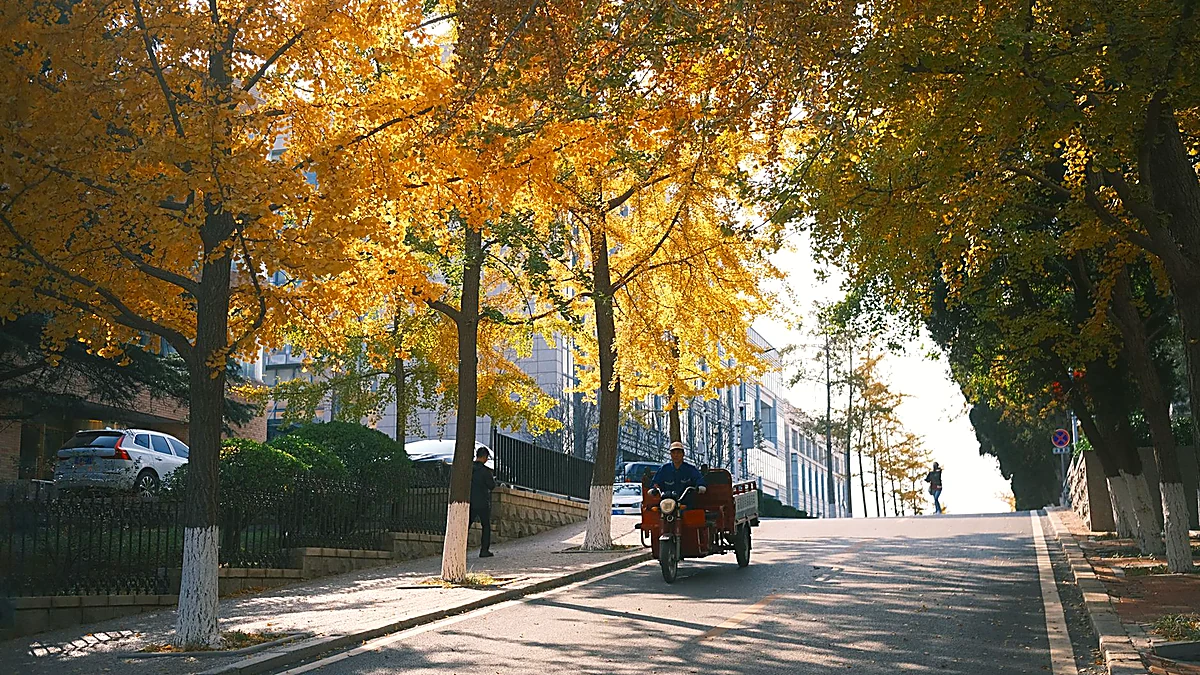
There is a sweet spot in every city calendar, and in most places it lands somewhere between the last week of September and the middle of November. The summer crowds have gone home, the holiday travelers have not arrived yet, and the air is cool enough that you can walk for hours without feeling worn out. Plan around that window and you often pay less for a better room while standing in far shorter lines.
This guide walks through how to build that kind of trip step by step. You will find simple ways to lower your hotel bill, choose the right neighborhood, dress for chilly mornings and warm afternoons, and keep your clothes clean in a bag small enough to carry up a narrow staircase.
Why Fall Is the Best Time for a City Break
Fall sits in what the travel trade calls shoulder season, which is simply the quiet stretch between the busy summer months and the busy holiday months. Hotel rates in many cities drop after the first week of September, and the biggest sights stop feeling like a crowd control exercise. You still get long daylight hours in early fall, and the light is softer and warmer than it is in the middle of summer.
The weather usually helps too. Mornings can be cool enough for a sweater, afternoons often warm up enough to shed a layer, and rain tends to come in short bursts instead of all-day drizzle. Cities like Montreal in late September, Munich in October, Edinburgh before the holiday rush, and Kyoto in November all follow this pattern. Each one gives you comfortable walking weather and thinner crowds at the same time.
There is one thing to check before you fall in love with a set of dates. A single big local event can fill every room in town and push prices up for the whole week around it.
Check the local calendar before you book
Oktoberfest fills hotels across Munich and often across nearby towns as well. A city marathon, a large trade fair, a university move-in weekend, or a big food festival can have the same effect. Kyoto in late November is peak season for autumn leaves, so rooms there can cost as much as they do in spring. Look at a local events calendar for your dates, and if you spot something big, either book six to ten weeks ahead or shift your trip by a week.
Midweek dates cost less and feel calmer
Tuesday to Thursday is the quietest stretch of most city weeks. Business travelers have gone home, weekend visitors have not arrived yet, and many hotels drop their rates just to fill the gap. Train and plane tickets are often cheaper on those days too, since everyone else is trying to leave on Friday. If you can move your trip by a single day, you may save enough for a nicer dinner or an extra museum ticket.
Shorter waits at the places you actually want to see
Popular museums, viewpoints, and well-known cafes usually have much shorter waits in fall. In July you might stand outside for an hour before opening, while in October you can often walk right in during the middle of the day. That extra time adds up quickly, and it turns a rushed checklist into a relaxed day of wandering.
A city feels like a different place when you are not standing in a line. Fall hands you that version of the city at a lower price.
How to Find Cheap Hotels and Skip the Lines
Finding a cheaper hotel is mostly about where you look and when you book. The trick is to stop searching by hotel name and start searching by location on a map. Once you can see how the city connects, the cheaper options become obvious.


Start with a map, not a list of hotels
Pick two or three neighborhoods that sound interesting to you, then look for hotels near a metro, tram, or bus stop in those areas. Staying one or two stops outside the old center often saves a good amount of money while keeping you close to everything. In most cities, a ten-minute ride on the metro costs very little and gets you to the main sights faster than walking from an expensive room in the heart of the tourist zone.
A good rule is to stay within a short walk of a transit line and within a fifteen-minute ride of the center. That combination gives you quiet nights, cheaper food nearby, and easy access to the parts of the city you came to see.
Look at the total price, not the headline price
- Filter for free cancellation so you can lock in a good rate and keep looking for something better.
- Compare the final total with taxes and city fees included, since these vary a lot between cities.
- Check whether breakfast is included, then compare that with the price of a nearby cafe.
- Read recent reviews about noise, because a room facing a busy street can ruin a good night of sleep.
- Check whether the room has a kettle, a small fridge, or a laundry room, since these small things save money later.
Guesthouses, small family hotels, and apartment-style stays often give you more space for less in the fall. Many of them include a washing machine, which matters a great deal when you are traveling with a small bag.
Beat the lines by timing, not by paying
For the most popular sights, go at opening time or in the last two hours before closing. The first hour is calm because tour groups are still gathering, and the final stretch is calm because day-trippers have already left. Book timed tickets only for the biggest museums and the ones you truly care about. In fall, most other places are quiet enough for walk-ins, so you keep your plans flexible.
| Type of place | Best time to go | Book ahead? |
|---|---|---|
| Big famous museum | First hour after opening | Yes, timed ticket |
| Small local museum | Any weekday afternoon | No, walk in |
| Viewpoint or tower | Last two hours of the day | Sometimes, check online |
| Popular cafe | Before 10 a.m. or after 3 p.m. | No |
| Well-known restaurant | Lunch instead of dinner | Maybe, for larger groups |
Eat your big meal at lunch
Many restaurants charge less at midday for food that is just as good as what they serve at night. Lunch menus are often shorter and cheaper, and the room is quieter, so you get friendlier service. Eat your main meal in the early afternoon, then keep dinner light with bread, cheese, soup, or a simple plate from a market. Your food bill drops and you sleep better as well.
Use transit passes only when they fit your day
Public transit is usually the fastest and cheapest way to move around a city in fall. Buy a day pass only on days when you plan to travel more than three or four times, since walking is often quicker between nearby sights. In many cities, a weekly pass pays for itself in about four days of use, so it is worth checking the math before you buy one. Also look for airport-to-city train tickets that include a day of local travel.
What to Wear for Cool Mornings and Warm Afternoons
Fall city weather changes through the day, so the goal is to dress in pieces you can add and remove. A simple layer system keeps you comfortable from a chilly eight in the morning walk to a warm early afternoon stroll in the park. The best part is that layers take up far less room in your bag than heavy single items.
The three-layer rule
Start with a soft cotton tee or a thin long-sleeve shirt against your skin. Add a light sweater or a thin fleece over that, then carry a packable rain shell on top. When the afternoon warms up, tie the sweater around your waist or tuck it into your day bag. When the evening cools down, put everything back on and you are ready for dinner.
| Layer | What to bring | Why it works |
|---|---|---|
| Base | Two cotton tees and one thin long-sleeve shirt | Washes and dries fast in a sink |
| Middle | One light sweater or thin fleece | Warm enough for cool mornings |
| Outer | One packable rain shell | Blocks wind and light rain |
| Bottoms | Dark jeans or easy travel pants | Hides small marks and pairs with everything |
| Shoes | One broken-in walking shoe, one flat or ankle boot | Covers long days and nicer dinners |
Shoes matter more than anything else
City trips are walking trips, and cobblestones punish new shoes. Bring footwear you have already worn for full days at home, because blisters will ruin an otherwise lovely afternoon. Broken-in walking shoes handle long distances, and a pair of ankle boots or simple flats gives you something a little nicer for dinner or a concert. If you want to bring just one pair, choose the walking shoes and plan your outfits around them.
Small extras that change your whole day
A light scarf earns its place in any fall bag. It keeps your neck warm on windy mornings in Montreal or Edinburgh, and it adds a little style when you would rather not look like a tourist. A compact umbrella and breathable socks make rainy walks far more pleasant, and both weigh almost nothing. Choose a color palette where every top works with every bottom, so you can dress in a dim hotel room without thinking about it.
How to Keep Clothes Fresh in a Small Bag
When you carry less, laundry becomes a small part of the trip instead of a chore you dread. A tiny wash every two or three days keeps your bag light and means you never run out of clean clothes. It takes about fifteen minutes and almost no equipment.


The sink wash, step by step
- Fill the sink with cool water and a small squeeze of gentle soap or travel wash.
- Push your clothes under the water and gently squeeze them for a minute or two.
- Drain the sink and rinse each piece under cool running water until the bubbles are gone.
- Press the water out with your hands instead of twisting, which stretches the fabric.
- Lay each piece flat on a clean towel, roll the towel up, and press down to soak up the extra water.
- Hang everything overnight on a travel clothesline or a hanger near an open window.
Fabrics that dry overnight
Quick-dry travel clothes and merino wool are the easiest to rinse and dry in a hotel room. Merino wool resists smells, so you can wear a shirt two or three times between washes, and it feels warm even when it is slightly damp. Dark colors hide small spills and dry without showing water marks. Cotton is comfortable but dries slowly, so keep cotton pieces to two or three at most and lean on thinner fabrics for the rest.
Airing out between washes
Hang your day clothes on a chair or a hook before you go to sleep, and let the air do most of the work. If a shirt looks creased, hang it in the bathroom while you take a hot shower and the steam will smooth it out. A small bottle of wrinkle release spray helps with stubborn creases on nicer tops. Keep a mesh laundry bag for anything that is truly dirty, so clean clothes stay separate and fresh.
Look for hotels with a laundry room
Many guesthouses and apartment stays offer a shared washing machine, and some hostels have one you can use for a small fee. Even one proper wash in the middle of a ten-day trip can cut your packing list in half. When you compare hotels, this small detail is often worth more than a slightly bigger room.
Your Simple Fall City Trip Checklist
This list covers a week of fall city travel in one carry-on bag. Adjust the numbers for shorter trips, and remember that laundry gives you room to pack less.
| Item | How many |
|---|---|
| Tops, tees, and one thin long-sleeve shirt | Four or five |
| Bottoms, jeans or travel pants | Two |
| Light sweater or fleece | One |
| Packable rain shell | One |
| Nicer top or simple dress | One |
| Walking shoes | One pair |
| Flats or ankle boots | One pair |
| Socks and underwear | Five pairs of each |
| Sleepwear | One set |
| Toiletries, small and leak proof | One bag |
| Chargers and plug adapter | One set |
| Reusable water bottle | One |
| Compact day bag | One |
| Tickets and bookings | Saved on your phone and printed |
Book your hotel early for fall weekends, and choose free cancellation whenever it is offered. Check the weather a few days before you leave and swap one item if a cold snap or a rainy stretch is on the way. Most importantly, keep your bag light enough to carry up a staircase and lift onto a train rack by yourself, because that small freedom makes every travel day easier.
The best fall city trip is simple. Stay near transit, pack layers, wash as you go, and leave room in your day for a cafe you did not plan to find.
None of this requires special gear or a complicated plan. It only asks that you travel a little lighter, book a little smarter, and pick dates that let a city show you its calm side.
Frequently asked questions
✓ Kristina Mate
Founder & Lead Travel Editor · TravelStyleMate
Kristina is the founder and lead editor of TravelStyleMate. Over the past 8 years, she has explored 35+ countries across Europe, Asia, and the Americas—traveling almost exclusively with a single 40L carry-on bag. A dedicated solo traveler, she specializes in cobblestone-tested footwear, minimalist capsule packing formulas, and realistic transit logistics. Every packing rule, walking shoe, and itinerary on TravelStyleMate is personally tested on actual trips with real luggage constraints.
Testing Guarantee: Every packing rule, walking shoe, and transit route is personally tested with real luggage constraints. No paid rankings, no untouched gear, no AI fluff.
Related guides
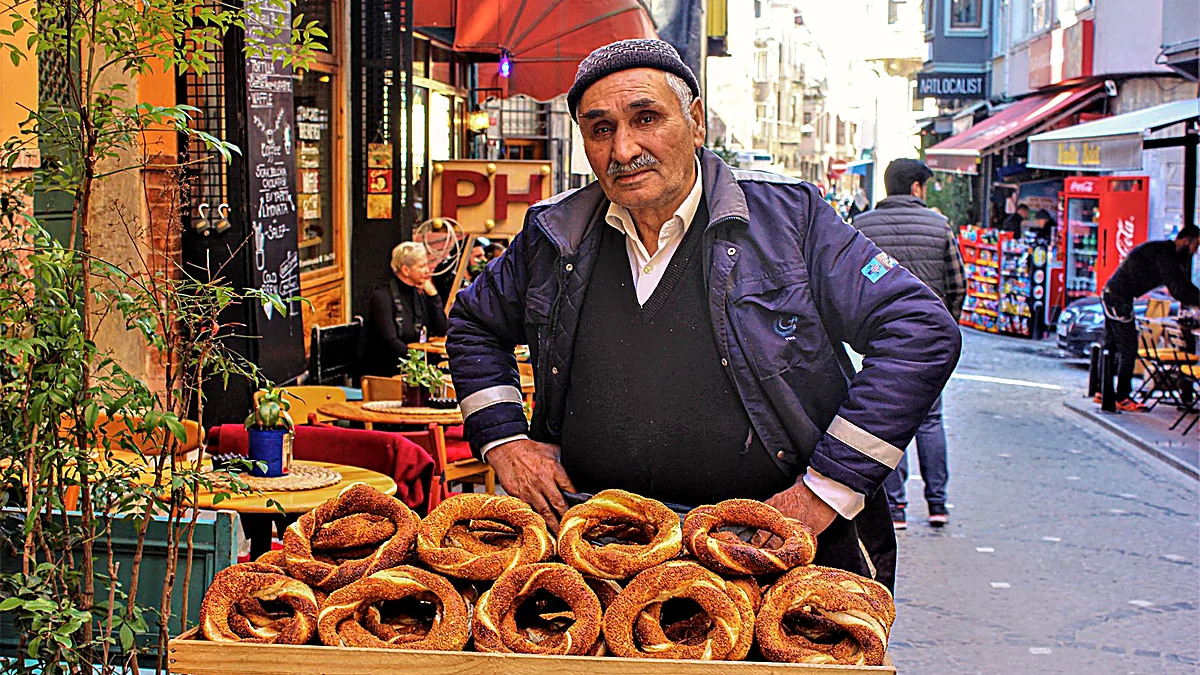
4 Ways to Spot an Overpriced Tourist Restaurant Before You Sit Down
Learn four simple ways to spot an overpriced tourist restaurant before you sit down, so you spend less and eat better on your next trip to Europe.
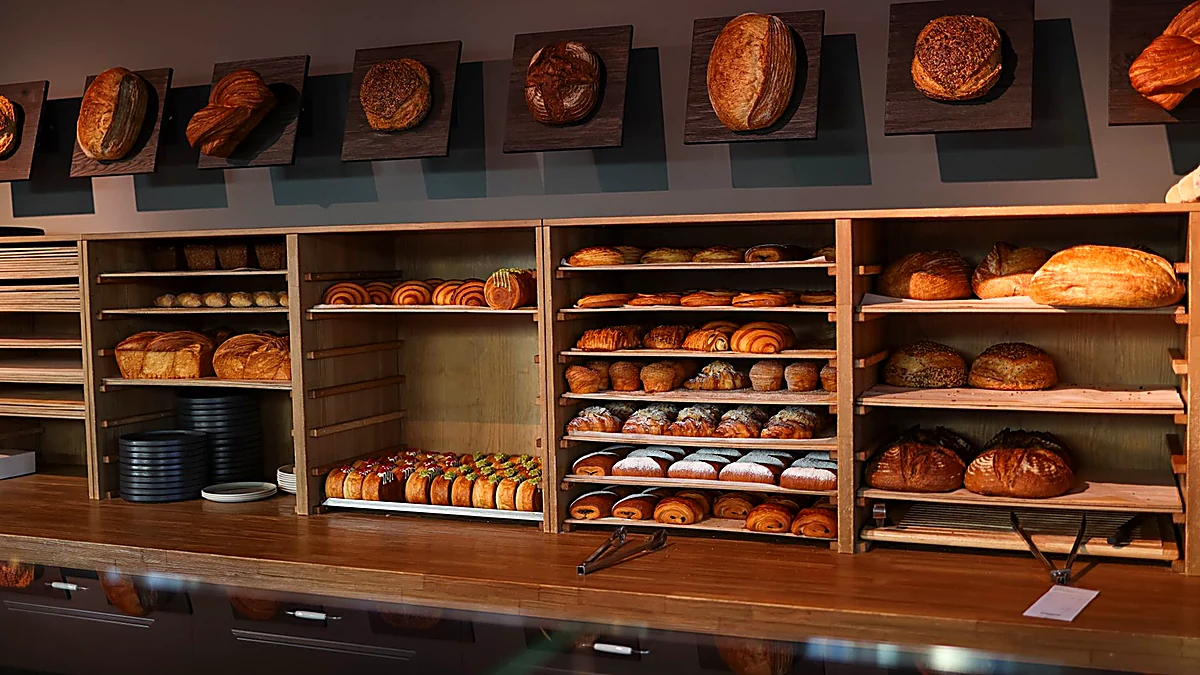
Local Bakeries: How to Spot Real Fresh Bread vs Cheap Frozen Bread
Learn how to spot real fresh bread in local bakeries while traveling, from the sign on the door to the crackle of the crust, so you never overpay.
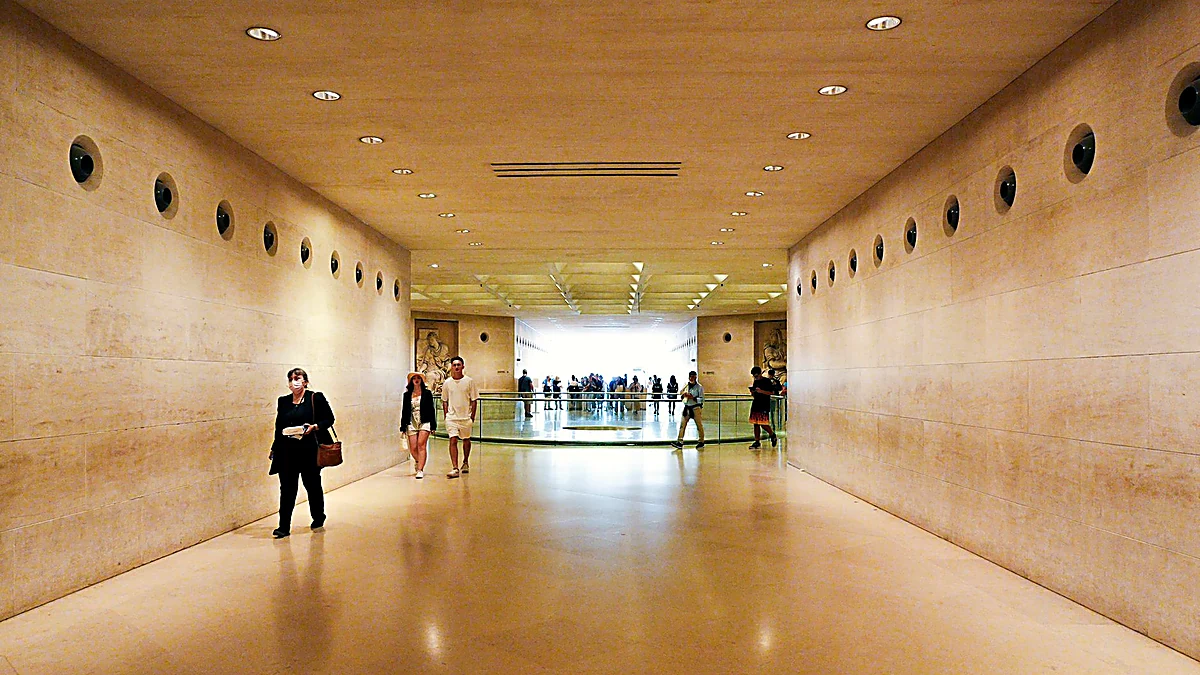
Free Museum Days: How to See Great Art Without Buying Tickets
Learn how to find free museum days in Europe, book free timed tickets, and dress comfortably for long gallery days without spending a cent.