The Best In-Flight Sleep Kit: Soft Eye Mask, Earplugs, and Lip Balm
Build a tiny in-flight sleep kit with a soft eye mask, earplugs, and lip balm so you can rest on long flights and land ready to explore a new city.
 ✓
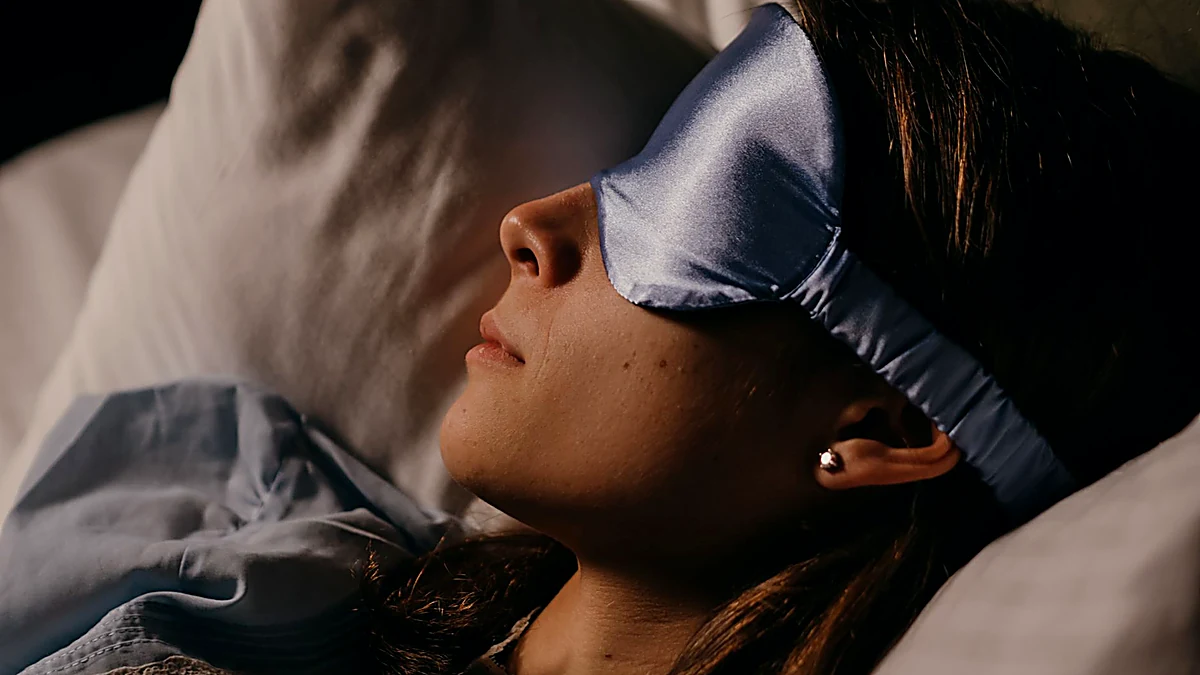
You have probably done this before. You settle into your seat on an overnight flight, pull your jacket up over your head, and hope for the best. Two hours later the cabin lights are still bright, the person behind you is watching a movie without headphones, and your lips feel like paper. A long flight does not have to feel that way, and the fix is smaller than you think.
Why a Tiny Sleep Kit Helps on Long Flights
Think about the last time you flew overnight to Tokyo, Munich, or Montreal. The cabin crew dim the lights, but there is still a glow from the seatback screens and a reading light two rows ahead of you. The air is dry enough that your throat feels scratchy by the third hour. And there is always some sound, whether it is a crying baby, a rattling cart, or the steady hum of the engines.
None of this means sleep is impossible on a plane. It means a few small things are working against you, and each one is easy to fix. Most of us simply never bother to fix them.
A tiny sleep kit handles three of those problems at once. A soft eye mask blocks the light. Earplugs soften the sound. Lip balm keeps your lips and mouth comfortable in air that holds almost no moisture. All three items together weigh less than a paperback book and take up about as much room.
Here is the part people miss. These small items only help when they live together in one place. If your eye mask is in your checked bag and your earplugs are somewhere at the bottom of your backpack, you will not use them. But when they sit together in a little pouch that goes straight into your seat pocket, you actually reach for them at the right moment.
- A soft eye mask blocks light from screens, reading lights, and early sunrise.
- Earplugs soften engine hum, cart noise, and nearby conversation.
- Lip balm and a small hand cream keep your skin comfortable in dry cabin air.
- A small pouch keeps everything in one spot, close to your hand.
The goal is not to sleep exactly like you do at home. The goal is to rest enough that your first day of the trip does not feel like a fog.
There is a second reason this kit is worth the small effort. Overnight flights often land in the morning, and that first morning is when you want to walk a new city, find breakfast, and get your bearings. Arriving groggy and grumpy means you lose half a day. Arriving rested means you start your trip on the right foot.
It helps with jet lag too. Sleeping on the plane, even for a few hours, moves you closer to the local time at your destination. A mask and earplugs make that sleep more likely, and they cost you almost nothing in space or money.
What to Put in Your In-Flight Sleep Kit
A good sleep kit is small on purpose. If you try to pack everything you might possibly want, the pouch gets bulky, and bulky pouches end up in the overhead bin instead of at your elbow. Stick to a few items that do their jobs well.
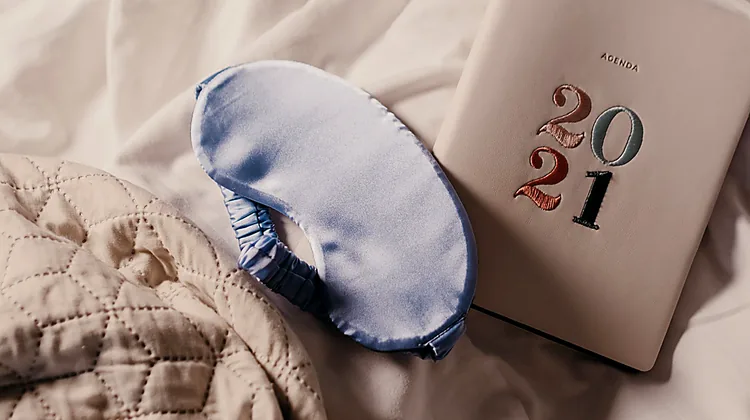
Small items that help you rest.
Start with a soft eye mask that fits
Look for a mask that sits snugly against your face without pressing on your eyeballs. Silk or smooth cotton feels gentle on the skin, and a slight curve around the eye area gives your lashes room to move. If you wear glasses or contact lenses, take them off before you put the mask on, and keep a small case within reach in your seat pocket.
Fit matters more than price. A mask that is too loose lets light in around the edges, and a mask with a tight elastic band can leave a mark on your forehead. Look for a wide adjustable strap or a soft wrap style that you can loosen in the middle of the night without sitting up. A flat style works well if you sleep on your back, while a contoured style is usually more comfortable if you sleep on your side.
Test the mask at home for one full night before your trip. A mask that feels fine for ten minutes can feel annoying by hour two, and it is much easier to swap it out at home than at 35,000 feet.
Add earplugs, plus one spare pair
Foam earplugs are cheap, light, and very good at cutting out engine noise. Roll them between your fingers, pull your ear gently up and back, and hold them in place for a few seconds while they expand. Wax earplugs are another option, and many people find them more comfortable for side sleeping because they mold to the shape of your ear. Silicone earplugs are reusable and easy to rinse, though they block less sound than foam.
Bring a spare pair no matter which kind you choose. Earplugs are easy to drop in the dark, and once one rolls under the seat in front of you, it is gone for the rest of the flight. A tiny case or a small zip bag keeps them clean between trips.
One more thought. If your ears hurt when a plane descends, talk to a doctor about earplugs made for flying. Standard earplugs can make pressure changes feel worse for some people, so it is worth asking before a long trip rather than guessing in the air.
Pack unscented lip balm and a tiny hand cream
Choose an unscented lip balm, because strong smells can bother the people around you in a closed cabin. A balm with beeswax, shea butter, or lanolin holds moisture in well and feels less greasy than heavier options. Reapply it a few times during the flight, especially after meals and right before you try to sleep.
Add a very small tube of hand cream for the same reason. Cabin air is dry, and hands get cracked and tight on long flights. Unscented is best here too. A tube the size of your thumb is plenty for one trip, and it fits in the corner of your pouch without taking up real space.
Tuck everything into one small pouch
Put it all in a small zip pouch that closes properly. A clear pouch is handy because you can see what is inside without opening it in the dark, and a fabric pouch feels nicer in your hand. Either one works, as long as it is small enough to slide into the seat pocket in front of you.
A few extras earn their place in the pouch as well. A hair tie or two keeps your hair off your face while you sleep. A pair of soft socks helps because feet get cold at altitude, even in summer. A light scarf works as a blanket, a pillow cover, or a little bit of privacy. A small pack of tissues is useful when the air leaves your nose dry.
| Item | Why it helps | How small it is |
|---|---|---|
| Soft eye mask | Blocks light from screens and reading lights | Folds flat, smaller than your palm |
| Earplugs, two pairs | Softens engine noise and nearby talking | Fits in a tiny case |
| Unscented lip balm | Keeps lips comfortable in dry air | The size of your thumb |
| Small hand cream | Soothes dry, tight skin | Travel tube, under 100 ml |
| Hair tie and soft socks | Keeps hair back and feet warm | Almost nothing |
| Light scarf | Blanket, pillow layer, or privacy | Rolls into a small bundle |
Notice what is not on this list. There are no gadgets, no neck pillows the size of a small dog, and nothing that needs batteries or charging. The whole kit fits in one hand, which means it also fits in the seat pocket where you can actually reach it.
Comfortable Clothes That Help You Doze Off
What you wear matters as much as what you pack. The cabin is often warm when you board and cool once the plane reaches cruising height, so layers are your friend. You want clothes that feel soft, breathe well, and let you shift in your seat without tugging at a waistband.
Build your flight outfit in three layers
Start with a breathable cotton tee or a light merino wool top as your base layer. Add a thin hoodie or a soft cardigan over it. Finish with something you can pull on or off in seconds, like a light jacket or a big scarf. That way you can adjust as the cabin temperature changes without digging through your bag.
For pants, choose something stretchy with a soft waistband. Loose linen pants, soft joggers, or travel pants all work well. Skip tight jeans, heavy belts, and anything with a lot of buttons, because they are hard to sleep in and slow to deal with in a small bathroom.
Shoes, socks, and jewelry
Wear slip-on shoes so you can take them off and put them on without bending down in the aisle. Compression socks are worth trying on long flights, since they help your legs feel less heavy and swollen after hours of sitting. Pack a pair of soft socks in your sleep kit so you can swap out of your shoes once you are settled.
Keep jewelry simple. A heavy necklace or a stack of bracelets digs into your skin when you lean your head against the window or curl up against the seat. A plain watch or a small pair of studs is all you need. Rings that feel snug at home can feel tighter at altitude, so many travelers slip them off and into a pocket before takeoff.
| Trip type | Base layer | Middle layer | Outer layer | Pants and shoes |
|---|---|---|---|---|
| Winter city trip, such as Copenhagen | Soft cotton tee | Thin wool sweater | Warm scarf and light coat | Stretchy dark pants, slip-on boots |
| Summer city trip, such as Florence | Light cotton tee | Light cardigan for strong air conditioning | Packable scarf | Linen pants, slip-on sneakers |
| Warm-weather flight | Cotton tank or tee | Thin overshirt | Not needed | Soft shorts or light pants, sandals with socks in your bag |
| Long-haul overnight | Merino tee | Thin hoodie | Soft scarf | Joggers, compression socks, slip-on shoes |
Dress for the seat you will be sitting in, not for the airport you are leaving. On a long flight, the plane is the part that lasts nine hours.
One more small habit helps a lot. Wear your heaviest or bulkiest layer onto the plane instead of packing it. That way you have it when the cabin turns cold, and your bag stays light for the walk to the gate.
How to Keep Your Sleep Kit Fresh and Ready
Small items get grubby fast, especially anything that touches your face. A quick clean after each trip keeps your kit pleasant to use, and a kit that feels nice is a kit you will actually reach for on the next flight.
Cozy layers make long flights easier.
Cleaning your eye mask
Wipe your eye mask with a little gentle soap and warm water, then rinse it well. Let it air dry completely before you fold it away, because a damp mask can pick up a musty smell that you will notice the next time you put it on. If your mask has a removable strap or a washable cover, follow the care label and wash it with your regular laundry on a gentle cycle.
Try not to share your eye mask with anyone else, and keep it away from sunscreen and heavy face creams. Those products leave marks on the fabric and can make the mask feel slippery against your skin.
Replacing earplugs and washing pouches
Foam earplugs are not meant to last forever. Replace them every few flights, or sooner if they look dirty or stop springing back into shape. Wax earplugs should be swapped once they get stiff or grimy. Wash fabric pouches with your regular laundry, and wipe clear plastic pouches with a damp cloth and let them dry before you reload them.
Simple storage habits that save you time
Keep the whole kit in one dedicated pocket of your carry-on bag so it never gets lost among cables, snacks, and receipts. Check it before every trip the way you check your passport. Keep the lip balm capped tightly, because a balm that melts in a warm bag can leave grease marks on everything nearby.
If something feels scratchy, smells odd, or no longer fits well, swap it out. There is no reason to keep a mask that presses on your nose or earplugs that hurt your ears. The kit should feel like a small comfort, never a chore.
Your Simple Before-Boarding Sleep Checklist
Most of the work happens before you sit down. A little planning at the gate makes the whole flight calmer, and it takes only a few minutes.
- Fill your water bottle after security, because cabin air dries you out.
- Charge your phone and download a calming playlist, podcast, or audiobook before you board.
- Put your sleep kit in the seat pocket as soon as you sit down.
- Use the bathroom before the lights dim, since the aisles get crowded later.
- Tell your seatmate you plan to sleep, so they know to tap your arm if a meal arrives.
- Set your watch to the new time zone and try to sleep when it is night there.
- Wear your softest layers and keep your shoes loose on your feet.
- Keep your eye mask and earplugs on top of everything else in the pouch.
Once the lights go down, put on your mask, settle in your earplugs, and let the engine noise turn into a low, steady hum. If you do not fall asleep right away, that is fine. Resting with your eyes covered still helps, and it keeps you from staring at a screen for six hours.
With a little practice, a long flight stops feeling like lost time. You step off the plane with a clearer head and a whole day ahead of you, ready to find breakfast and start walking. That is the whole point of this small pouch, and it costs you almost nothing to build.
One last thing. If you are traveling with a partner or a friend, let each person build their own kit. Two small pouches work better than one crowded one, and everyone gets their own earplugs and their own lip balm. It is a tiny detail, but it makes the trip smoother from the very first hour.
Frequently asked questions
✓ Kristina Mate
Founder & Lead Travel Editor · TravelStyleMate
Kristina is the founder and lead editor of TravelStyleMate. Over the past 8 years, she has explored 35+ countries across Europe, Asia, and the Americas—traveling almost exclusively with a single 40L carry-on bag. A dedicated solo traveler, she specializes in cobblestone-tested footwear, minimalist capsule packing formulas, and realistic transit logistics. Every packing rule, walking shoe, and itinerary on TravelStyleMate is personally tested on actual trips with real luggage constraints.
Testing Guarantee: Every packing rule, walking shoe, and transit route is personally tested with real luggage constraints. No paid rankings, no untouched gear, no AI fluff.
Related guides
How to Layer Your Clothes for Cold Airplanes and Hot Airports
Learn the simple three-layer rule for flights: thin base, warm middle, packable outer. Stay comfortable from a hot terminal to a cold cabin.
How to Stop Dry Skin on Long Flights with 3 Simple Steps
Learn a simple three-step plan to keep your skin soft on long flights, using a tiny pouch, smart drinks, and cozy layers you can pack in minutes.
What to Wear Through Airport Security to Get Through Lines Fast
Choose slip-on shoes, soft layers, and pocket-free outfits so you sail through airport security and spend your time on the trip, not the line.