The Cheap Coffee Rule: Why Standing at the Bar Costs Way Less in Italy
The same espresso can cost €1 or €5 in Italy. Learn the simple bar versus table rule, how to order at the cassa, and what to wear for easy coffee stops.
 ✓
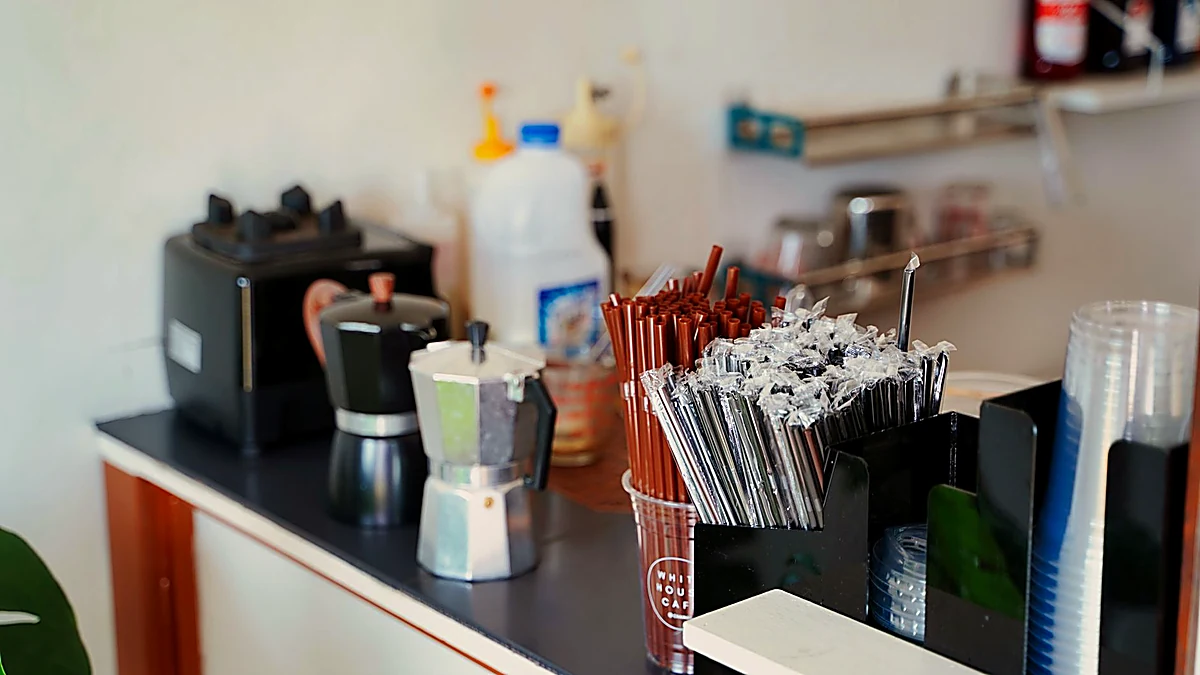
In Italy, the very same espresso can cost you a coin or a small fortune, and the difference usually comes down to whether you stand at the bar or sit down at a table. Once you know the rule, every coffee stop becomes cheap, quick, and genuinely enjoyable.
The Simple Coffee Rule: Stand at the Bar, Pay Less
An Italian coffee bar is not a quiet lounge where people settle in with laptops. It is a small, bright, busy room with a counter, a hissing espresso machine, and a stream of people coming and going in five minutes flat. When you stand at that counter, you pay the normal neighborhood price for your coffee, which is often somewhere between one euro and one euro fifty.
When you sit down at a table, that same espresso can cost two or three times as much. This surprises many travelers, because in a lot of countries the price of a coffee is simply the price of a coffee, no matter where you drink it. In Italy, sitting down is a service, and services are not free.
You are paying for the chair, the table, the server who walks over to you, the little glass of water, and sometimes the view of a famous square. None of this is a trick played on visitors. It is just the local way of doing things, and once you understand it, you get to choose which version you want each time.
Why the Same Coffee Costs More at a Table
Think of it this way. At the bar, you are buying one thing, which is a cup of coffee. At a table, you are buying the coffee plus a seat plus attention plus your own unhurried time. That is why a bar on a busy square can charge four or five euros for a cup that costs one euro twenty at the counter a few steps away.
Two words will help you more than any app. The word banco means the bar or counter, and the word tavolo means table. If you spot a price list with two columns, one will say al banco and the other will say al tavolo. The gap between those two numbers is the entire lesson of this article.
The coffee is rarely more expensive at the table. The seat is.
What to Look For Before You Order
Almost every coffee bar posts its prices somewhere. Look for a small sign outside the door, a card taped near the entrance, or a board close to the register. You do not need to read every line. Just find the price for a plain coffee in both columns, and decide how you feel about the difference.
A few things shape that price. Big cities charge more than small towns, and the most famous tourist spots charge the most of all, because a seat there comes with a postcard view. Prices also climb on a sunny terrace in the middle of summer. That is not because you did anything wrong. It is simply how that particular corner of the world is priced.
Here is a rough picture of how the gap can look. The numbers move around from city to city and from bar to bar, so treat this as an illustration rather than a fixed rule.
| What you order | Standing at the bar | Sitting at a table |
|---|---|---|
| Espresso | €1.00 – €1.50 | €2.50 – €5.00 |
| Cappuccino | €1.30 – €1.80 | €3.00 – €6.00 |
| Small pastry (cornetto) | €1.00 – €1.50 | €2.00 – €4.00 |
| Glass of water | Often free at the counter | €1.00 – €3.00 |
There is one honest catch. If you sit down first and then decide you would rather stand, you have already chosen the table price. Decide before you take a seat, and the whole thing stays simple.
How to Order at an Italian Coffee Bar
Ordering feels intimidating the first time, mostly because everything happens quickly and everyone around you seems to know exactly what they are doing. They do know, because they do it every morning, and you will know it too by your third coffee.
The first thing to look for is the register, which Italians call the cassa. In most bars, you pay there first and then carry your small receipt, called a scontrino, to the counter. The barista will glance at it, nod, and start your coffee.
The Four Steps, Start to Finish
- Find the cassa and check the board. This is where you see the price for standing and the price for sitting, and where you decide which one you want.
- Pay first, then take your receipt. Cash is always welcome in small bars, and a card works almost everywhere now. You do not need to leave a tip for a coffee at the counter.
- Bring the receipt to the barista and say what you want. A plain espresso is simply un caffè. Adding the word espresso is fine too, but it is not what locals usually say.
- Drink it standing at the bar, then say grazie and go. If there is a tray or a small shelf, leave your empty cup there. Nobody expects a long goodbye.

If you want milk, keep it simple. A cappuccino is the classic morning drink, and a caffè macchiato is an espresso with just a small splash of milk, which works at any hour. In the heat of summer, a caffè shakerato arrives cold and slightly sweet, and it is one of the small joys of an Italian July.
Words That Help You Order With Confidence
You do not need to speak Italian to do this well. A handful of words will carry you through the whole trip, and people are almost always pleased when you try.
- Un caffè means one espresso, and it is the everyday order.
- Al banco means at the counter, which is the cheap and quick version.
- Al tavolo means at a table, and it comes with table service and a higher price.
- Un cornetto is a small pastry, usually with jam or cream, and it pairs well with a morning coffee.
- Decaffeinato means decaf, and un bicchiere d'acqua asks for a glass of water.
- Posso pagare? means can I pay, which is useful if the bar lets you pay after your coffee.
One more small thing. In some smaller bars, especially in quiet towns, there is no register at the front and you simply pay the barista when you finish. Glance at what the people ahead of you are doing for two seconds, and you will know which system you are in.
Please also keep an eye on your receipt, because a few bars ask to see it again when you leave. It takes no effort to hold onto a small piece of paper for ten minutes, and it saves an awkward moment at the door.
What to Wear for Coffee and City Walks
Coffee stops and city walking go together in Italy, so dress for both at the same time. The goal is simple. You want clothes that feel good while you stand at a counter for five minutes and then walk for an hour to the next neighborhood.
Start with a soft cotton t-shirt or a light linen shirt close to your skin. Add loose trousers or a casual skirt that does not wrinkle the moment you sit down. A thin overshirt or a light cardigan is the quiet hero of any Italian trip, because mornings can be cool while afternoons turn warm, and air-conditioned bars can feel chilly after the sun outside.
Your shoes matter more than anything else in your bag. Bring comfortable sneakers or walking shoes that you have already broken in at home. Old stone streets are uneven and polished smooth in places, so a pair with some grip and a little cushioning will keep your days pleasant.
Carry a small crossbody bag rather than a large tote. It keeps both hands free, which is exactly what you want when you are holding a receipt, a coin, and a tiny cup all at once. It also keeps your things close in a crowded bar at eight in the morning.
Simple Outfits by Season
| Season | What to wear | Why it works |
|---|---|---|
| Warm summer | Light cotton tee, loose linen trousers or a skirt, thin overshirt, breathable sneakers or sandals, a simple hat | Light colors stay cooler, and the overshirt covers you in cold, air-conditioned bars. |
| Spring and fall | Long-sleeve cotton top, light cardigan, casual trousers, walking shoes, a thin scarf | Layers handle mornings that start cool and afternoons that turn warm. |
| Winter | Warm sweater, water-resistant coat, scarf, shoes with good grip | Wet stone streets get slippery, and coffee bars are warm and steamy inside. |
If you are traveling in spring or fall, tuck a packable rain jacket into your bag. It weighs almost nothing, and it turns a sudden shower from a problem into a short pause under an awning with a coffee in your hand.
Keep Clothes Fresh Between Coffee Stops
Here is a quiet travel skill that pairs beautifully with the cheap coffee habit, and that is packing fewer clothes and washing them as you go. When your bag is small and light, you walk further, climb more stairs, and say yes to one more neighborhood without thinking about your suitcase.
The trick is choosing fabrics that dry quickly. Quick-dry underwear, thin socks, and light shirts wash easily in a sink and are dry by morning if you treat them well. Soft merino wool is another smart choice for socks, because it resists smells and keeps its shape after a gentle wash.

A Ten-Minute Evening Routine
- Fill the bathroom sink with cool water and add a travel detergent sheet.
- Wash the few items you wore that day with your hands, then squeeze gently rather than twisting.
- Rinse them well under cool running water until no bubbles remain.
- Lay each piece on a dry towel, roll the towel up, and press down to soak up the extra water.
- Hang everything on a line, a hanger, or the back of a chair overnight.
Wrinkles are easy too. Hang a creased shirt in the bathroom while you take a warm shower, and the steam will relax most of the creases on its own. A small bottle of wrinkle-release spray takes up hardly any space and handles the rest.
Dark colors are your friend on a coffee trip. A tiny splash of espresso shows up on white linen and disappears on navy, charcoal, or deep olive. Pack two or three dark tops that you can wear with everything, and you will look put together every single morning without thinking about it.
Quick Checklist for Cheap Coffee in Italy
Run through this list once before your first coffee stop of the trip, and after that it becomes second nature.
- Stand at the bar when you want the lowest price, and sit at a table when you want to linger and do not mind paying more.
- Pay at the cassa first, then hand your receipt to the barista.
- Say un caffè for an espresso and drink it standing at the counter.
- Keep your receipt until you leave the bar.
- Expect higher prices in big squares and on summer terraces.
- Carry a small crossbody bag and keep a few coins handy.
- Wear comfortable, broken-in shoes for the walking that follows.
- Pack light layers for cool mornings and warm afternoons.
- Bring quick-dry clothes and detergent sheets so you can wash as you go.
None of this is about being stingy. The cheap coffee rule is really about enjoying a local habit that saves money, gives you a small moment of pleasure in the middle of a busy day, and keeps your whole trip running smoothly. You drink a better coffee, you pay a fair price, and you walk back out into the street ready for whatever comes next.
So tomorrow morning, find a bar near where you are staying, check the price board, pay at the cassa, and take your little cup to the counter. Listen to the machine hiss, watch the city wake up around you, and enjoy one of the easiest travel wins there is.
Frequently asked questions
✓ Kristina Mate
Founder & Lead Travel Editor · TravelStyleMate
Kristina is the founder and lead editor of TravelStyleMate. Over the past 8 years, she has explored 35+ countries across Europe, Asia, and the Americas—traveling almost exclusively with a single 40L carry-on bag. A dedicated solo traveler, she specializes in cobblestone-tested footwear, minimalist capsule packing formulas, and realistic transit logistics. Every packing rule, walking shoe, and itinerary on TravelStyleMate is personally tested on actual trips with real luggage constraints.
Testing Guarantee: Every packing rule, walking shoe, and transit route is personally tested with real luggage constraints. No paid rankings, no untouched gear, no AI fluff.
Related guides
4 Ways to Spot an Overpriced Tourist Restaurant Before You Sit Down
Learn four simple ways to spot an overpriced tourist restaurant before you sit down, so you spend less and eat better on your next trip to Europe.
Visiting Cities in the Fall: Cheap Hotels and Zero Lines
Fall city breaks cost less when you pack light layers, stay two stops from the center, and travel midweek. Here is the simple plan that works.
Local Bakeries: How to Spot Real Fresh Bread vs Cheap Frozen Bread
Learn how to spot real fresh bread in local bakeries while traveling, from the sign on the door to the crackle of the crust, so you never overpay.