Local Bakeries: How to Spot Real Fresh Bread vs Cheap Frozen Bread
Learn how to spot real fresh bread in local bakeries while traveling, from the sign on the door to the crackle of the crust, so you never overpay.
 ✓
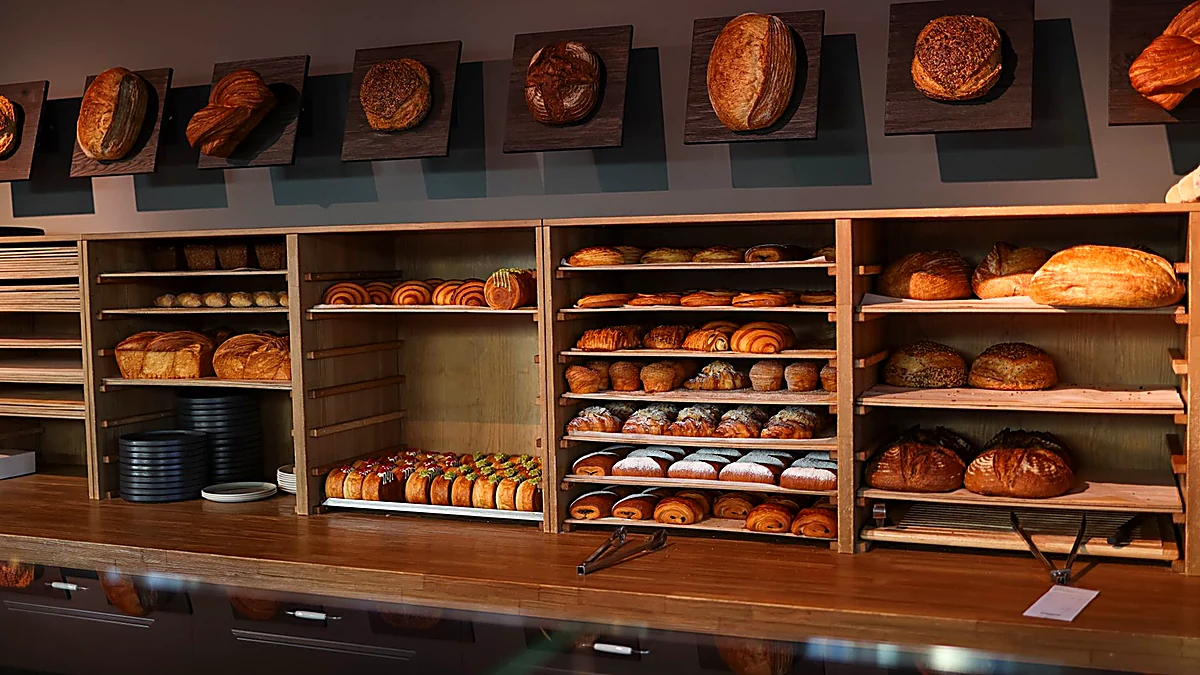
Maybe you have done this too. You walk into a bakery in a new city, see a basket of golden baguettes, pay a few euros, and take a bite outside on the street. The crust is soft. The inside is dry. It tastes like almost nothing at all. The sad truth is that a lot of shops now sell bread that was mixed and shaped in a factory, frozen solid, shipped across the country, and then baked on site just long enough to warm it up. It looks like bread and it smells a little like bread, but it is not the real thing.
The good news is that you can learn to tell the difference in about ten seconds, using nothing more than your eyes, nose, and ears. That one skill saves you money, spares you bland meals, and quietly points you toward the small bakeries where local people actually shop.
Why Fresh Bread Matters When You Travel
For a traveler, bread is one of the best deals in any city. A fresh baguette or a small country loaf often costs less than a cup of coffee, and it can carry you through breakfast on a park bench, a picnic lunch beside a river, and a light supper in your room when you are too tired to go out and find a restaurant. Real bread made that morning from flour, water, salt, and yeast is also filling in a way that packaged snacks never are.
The problem is that not every shop selling bread is actually baking bread. Big chains and busy streets near the main sights often use frozen dough that was mixed and shaped somewhere else, then shipped in boxes and baked in the shop for fifteen minutes. This is legal in most countries and many shops do it quietly. Nothing on the label tells you, and the bread can look perfectly fine from the outside.
So why should you care? Because the difference shows up in the things you notice while eating. Fresh bread smells warm and slightly sweet, the crust crackles when you press it, and the inside tastes nutty with a small tang from the slow rise. Frozen bread is often dry, flat, and strangely the same from one end to the other. It also goes stale very fast, sometimes within an hour.
There is a money reason too. Once you can tell the two apart, you stop paying bakery prices for something a supermarket could have sold you. You also start eating where local people eat, which is usually cheaper, friendlier, and far more memorable than the shop with the big sign and the coach parked outside.
What Good Bread Gives You on the Road
- A cheap breakfast that needs no table, no waiter, and no reservation.
- Picnic food that travels well in a tote bag for a few hours.
- A snack for trains, hikes, and long museum afternoons.
- A simple way to feel part of the neighborhood you are staying in.
- A backup meal for the day your plans fall apart and everything is closed.
Local names help you find the right door. In Italy you want a panetteria or a forno, in Spain a panaderia, in Germany a Backerei, and in Austria a Backerei with a wooden interior and a queue at seven in the morning. The word changes with the country, but the feel of a real bakery is the same everywhere.
Why the Frozen Stuff Looks So Convincing
Frozen dough is not a scam in itself, and it is not always terrible. Factories are very good at making dough that rises evenly and browns evenly, so the bread comes out looking neat and golden. The trouble is what gets lost along the way. Long resting and slow rising are the two things that build flavor, and frozen dough usually skips most of both.
That is why the bread can look beautiful and still taste like nothing. It has the shape of bread and the color of bread, but not the smell or the chew. Once you have eaten one truly fresh loaf, your mouth remembers the difference for a long time.
Look for the small signs first. A steady line of neighbors at eight in the morning, an owner who greets people by name, a window with a short list of loaves and nothing else. When a bakery sells out by noon, that is usually a very good sign rather than a bad one.
Read the Sign: What "Boulangerie" and "Artisan" Really Mean
Words on the shop front are your first clue, especially in France, where bakery labels are actually controlled by law. The word "Boulangerie" means that bread is baked on the premises. It does not promise that the dough was made there, because a shop is allowed to bake frozen dough and still call itself a boulangerie.
The stronger promise is "Artisan Boulanger" or "Boulangerie Artisanale". In France this means the baker makes the bread from scratch on site, from raw ingredients, without frozen dough. If you see "Pain Maison", that means house bread, which is a good sign. "Levain" means the loaf was raised with a sourdough starter, which usually gives deeper flavor and a longer life. "Farine Francaise" simply tells you the flour came from France.
| Sign or word | What it means | How much to trust it |
|---|---|---|
| Boulangerie | Bread is baked on site | Medium. The dough may still be frozen. |
| Artisan Boulanger / Boulangerie Artisanale | Bread is made from scratch on site | High. This is the label you want. |
| Pain Maison | House bread, made in the shop | A good sign, but not a legal promise. |
| Levain | Raised with a sourdough starter | Good sign for flavor and shelf life. |
| Farine Francaise | Made with French flour | Nice detail, tells you little about freshness. |
| Point Chaud / Croissanterie / Sandwiches | Focused on warm snacks and sandwiches | Low. The bread may be bought in or frozen. |
Outside France, look for words like "artisan", "baked here", "sourdough", "wood fired", or "baked fresh daily". These are not controlled everywhere, so treat them as hints rather than guarantees. What matters more is what you can actually see through the window.
A real bakery usually shows you its work. You might spot a big oven behind the counter, a dusting of flour on the floor, racks of loaves cooling near the door, or a baker in a floury apron pulling trays out with a long wooden peel. If instead the bread arrives in a plastic crate from a van, or sits in a sealed plastic box with a printed label, you already have your answer.

Fresh bread should crackle when you break it.
Use Your Senses: Smell, Sound, and Touch
You do not need to speak the language to check a loaf. Your senses work in every country, and they are far more reliable than a pretty sign. Here is the order in which to use them, starting at the door.
Start With Your Nose
Stand near the doorway and breathe in. Real fresh bread smells warm, yeasty, and just a little sweet, like toasted grain and slightly burnt flour. Frozen bread often has no smell at all, or a faint cold smell of cardboard and raw dough. If you cannot smell anything in a shop that claims to be a bakery, take another look at the shelves.
Listen for the Crackle
Pick up a baguette and squeeze the crust gently. You should hear a soft crackle as the crust bends under your fingers. That sound comes from a crust that baked long and slow and dried out properly. Frozen bread often has a soft, damp crust that bends in silence, or a crust that shatters into dust because it was baked too hot for too short a time.
Look at the Crumb
Ask to see the inside of a cut loaf, or simply break off the end of your baguette. A real loaf has an irregular crumb, which means the air holes are different sizes, with a few bigger holes clustered near the middle. Press the inside gently with one finger and it should spring back. Frozen dough tends to give a perfectly even, tight crumb that feels heavy and dense, more like a sponge than bread.
Good bread is a little uneven. If every slice looks exactly the same as the last, a machine probably made it.
One more test costs nothing at all. Ask the person behind the counter when the bread was baked. A real baker answers straight away, because they know the trays by heart. If the answer is vague, or if they say "this morning" at four in the afternoon while the shelves are still piled high, treat that as a warning. Bread that sells slowly is rarely bread worth buying.
A Quick Note on Crust Color
Crust color is a helpful hint, but only if you read it correctly. Real slow-baked bread often has a deep amber or chestnut crust with darker patches where the loaf sat close to the oven floor. Pale, uniform gold can be a sign of a short hot bake. Keep this as a small clue and let your nose and ears make the final call.
What to Wear and Carry for a Bakery Walk
Bakery hunting is a walking activity, and the best shops are usually a few streets away from the main square. That means cobblestones, narrow sidewalks, and a fair amount of standing around at the counter. Comfort matters more than style here, though you can easily have both.
Choose shoes with a firm sole and good grip, because old stone streets can be slick in the early morning. For warm weather, a light linen shirt or a soft cotton tee with loose trousers keeps you cool while you stroll from shop to shop. In cooler months, a thin wool layer under a compact rain jacket works well, and the jacket packs down small if the sun comes out. A crossbody bag is the smartest choice, because it keeps both hands free for pointing at pastries and paying.
| Season | What to wear | What to carry |
|---|---|---|
| Warm summer | Linen shirt, cotton tee, loose trousers, canvas shoes | Small tote, cloth bread bag, water bottle, a little cash |
| Mild spring and autumn | Cotton tee, thin wool layer, light jacket, comfortable sneakers | Crossbody bag, cloth bread bag, light scarf |
| Cold winter | Thermal base layer, wool sweater, warm coat, grippy boots | Backpack or crossbody bag, gloves, coins for small shops |
Bring a reusable cloth bag for the bread itself. Paper bags are fine for a short walk, but bread stays crisp much longer when it can breathe a little, so a simple cotton or linen bag is worth the tiny bit of extra space. Carry some cash as well, since small bakeries sometimes have a minimum for cards or no card machine at all.

A simple bakery walk with fresh bread.
Try to go early, ideally within an hour of opening. This is when the shelves are fullest and the loaves are warmest, and it is also when you will see the real customers, the people who live around the corner and buy the same loaf every single day. Watching who shops where tells you more than any review you could read on your phone.
Your Quick Bakery Checklist
After a few days of practice, this whole routine takes about ten seconds. Here is the short version you can run through your head while standing at the door.
- Scan the sign for "Artisan Boulanger", "Boulangerie Artisanale", "sourdough", or "baked on site".
- Check the time. Early opening hours and a short list of breads are good signs.
- Watch the door for a few minutes. Local people walking out with paper bags are the best proof.
- Smell the air for warm yeast and toasted grain.
- Squeeze a crust and listen for a quiet crackle.
- Ask when the bread was baked, then listen for a quick, clear answer.
- Buy one small loaf or one baguette first, and taste it plain before you buy more.
Clear Warning Signs
Some shops make the choice very easy. Watch out for bread already wrapped in plastic, shelves that stay completely full all day, no oven or flour anywhere in sight, and signs that mostly talk about sandwiches, coffee, or ice cream. A shop that also sells twenty other things is usually buying its bread in rather than making it.
One more small clue sits in the price. Real bread made by hand with decent flour costs a little more, but it also fills you up, keeps for a day, and actually tastes like something. Cheap bread only feels like a bargain until you throw half of it away.
The Little Routine That Pays Off
Start with the smallest purchase you can make. A single baguette or one small roll costs very little and tells you everything you need to know. If the crust crackles, the inside is soft and nutty, and it still tastes good two hours later on a park bench, then you have found your bakery for the rest of the trip. Go back the next morning and say hello. By the third visit you will probably get a smile and a slightly better loaf, which is one of the quiet joys of traveling slowly.
Bread is also one of the cheapest ways to eat well in a costly city, and it puts you out on the street where the trip actually happens. You will pass the flower stall, the old woman walking her dog, the school group in matching hats, and the café owner hosing down the pavement. All of that comes free with your two-euro baguette.
None of this needs an app or a long list of rules. It needs a little patience, a walk before breakfast, and the willingness to trust your own nose, ears, and hands instead of a bright sign. Do that, and you will eat better, spend less, and remember the small bakery on the corner long after you have forgotten the restaurant you booked months in advance.
Frequently asked questions
✓ Kristina Mate
Founder & Lead Travel Editor · TravelStyleMate
Kristina is the founder and lead editor of TravelStyleMate. Over the past 8 years, she has explored 35+ countries across Europe, Asia, and the Americas—traveling almost exclusively with a single 40L carry-on bag. A dedicated solo traveler, she specializes in cobblestone-tested footwear, minimalist capsule packing formulas, and realistic transit logistics. Every packing rule, walking shoe, and itinerary on TravelStyleMate is personally tested on actual trips with real luggage constraints.
Testing Guarantee: Every packing rule, walking shoe, and transit route is personally tested with real luggage constraints. No paid rankings, no untouched gear, no AI fluff.
Related guides
4 Ways to Spot an Overpriced Tourist Restaurant Before You Sit Down
Learn four simple ways to spot an overpriced tourist restaurant before you sit down, so you spend less and eat better on your next trip to Europe.
Visiting Cities in the Fall: Cheap Hotels and Zero Lines
Fall city breaks cost less when you pack light layers, stay two stops from the center, and travel midweek. Here is the simple plan that works.
Free Museum Days: How to See Great Art Without Buying Tickets
Learn how to find free museum days in Europe, book free timed tickets, and dress comfortably for long gallery days without spending a cent.