Free Bar Snacks: The Best Cities Where Every Drink Comes with Food
In Granada, Milan and beyond, one drink often comes with a free plate. Here is how the ritual works, what to wear, and how to eat well for almost nothing.
 ✓
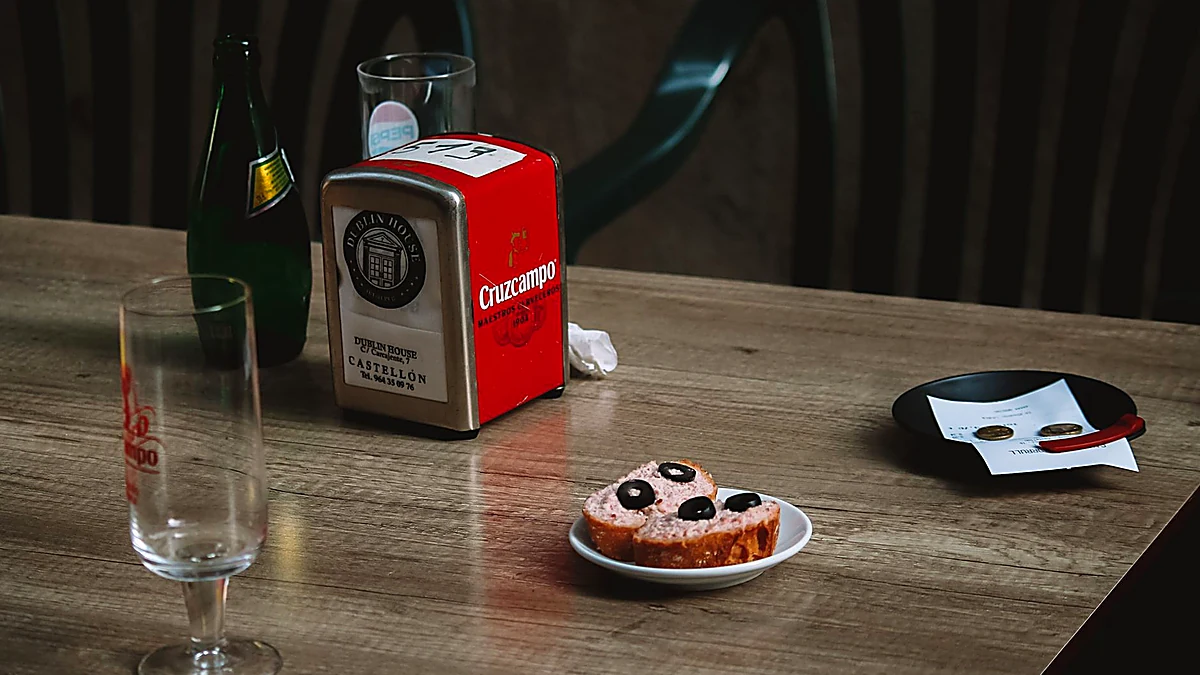
Imagine this. You walk into a small bar at half past seven in the evening, tired from a long day of walking, and you order one cold beer. The bartender puts the glass down in front of you and slides a small plate of olives and bread next to it, and nobody adds a single euro to your bill for the food.
In certain cities, that little plate is not a special offer, and it is not a trick aimed at visitors. It is simply the normal way a bar says thank you for your custom, and it has been that way for as long as anyone can remember.
Once you understand how this friendly habit works, an evening out can fill you up for the price of two drinks. This guide shows you which cities do it best, how the local rhythm works, and how to dress and pack so a long night of standing at bars feels easy instead of exhausting.
Why Some Cities Just Hand You Food With Your Drink
The idea is simple. You buy a drink, and the house gives you a small something to eat with it. In Spain this little plate is called a tapa, and you will see the word written above the bar or hear it from the person serving you. In Italy the same friendly habit is called aperitivo, which simply means the small bite that comes with your drink before dinner.
The two words you will see everywhere
In Spain, you order a caña, which is a small glass of beer, or a copa de vino, which is a glass of wine, and a tapa arrives beside it. In Italy, you order a spritz, a glass of wine or a small beer for aperitivo hour, and the bar sets out bowls of olives, crisps, small sandwiches or a full buffet.
The word tapa comes from the old idea of covering a glass, and the word aperitivo comes from the idea of opening your appetite before dinner. Both describe the same warm welcome, and both mean you get a little food without paying for it.
The honest ground rules
There are a few simple rules, and knowing them saves you from awkward moments. You usually need to order a proper drink rather than a glass of water, because the free plate is the bar's way of thanking you for buying something with a little value. The snack is small by design, so treat it as a bonus rather than a full dinner.
The size of the plate changes from city to city, and it is worth knowing that before you plan your evening. In Granada, Logroño and Seville, the free plate is generous and often changes with each drink you order. In the busy squares of Madrid, Barcelona and Venice, you might get a small dish of olives, a few crisps or a thin slice of tortilla, which is lovely but will not fill you up on its own.
Some cities feed you properly, and some just say hello
In Milan and Turin, the aperitivo spread at seven in the evening is often a real buffet, with rice, pasta, small pizzas, cheese, sliced meats and vegetables laid out along the bar. You pay for your drink, and the food is yours to enjoy while it lasts. In Bologna, a glass of Pignoletto often arrives with a small board of bread and salumi, which is a very pleasant way to start an evening.
In Amsterdam, the old brown cafes serve a beer with a few warm bitterballen, which are small fried balls of meat stew that taste much better than they sound. It is a small plate, but it is a kind and welcoming one.
| City | What usually arrives with one drink |
|---|---|
| Granada, Spain | A generous free tapa that changes with every drink, sometimes a small plate of stew or rice |
| Logroño, Spain | A hearty pincho, often with mushrooms, egg or a slice of meat |
| Seville, Spain | Olives, bread, or a small portion of fish or ham |
| Madrid, Spain | Olives, crisps or a slice of tortilla with a small beer |
| Milan and Turin, Italy | A proper buffet of rice, pasta, cheese and vegetables during aperitivo hour |
| Bologna, Italy | Bread and salumi with a glass of local white wine |
| Venice, Italy | A small cicchetto, which is a little bite on a slice of bread |
| Amsterdam, Netherlands | A few warm bitterballen with a beer in an old brown cafe |
Where the food is not free, so nobody feels tricked
It is just as useful to know where you will be charged, because a surprise on the bill can spoil a good evening. In Japan, many small bars bring you a small dish called otoshi without asking, and you pay a small amount for it, usually around the price of one drink. It is not a scam, it is simply the local way, and it is normal to accept it.
In Italy, many sit-down places add a small coperto, which is a charge for bread and for the table, and it usually appears on the menu. In some German beer halls, bread and butter, or a pretzel on your table, might be added to the bill if you eat it. Ask first if you are unsure, and nobody will think less of you.
A small money note that adds up
Here is the part that matters for your budget. Two drinks and two free plates in Granada can easily replace a cheap dinner, and the whole evening might cost you less than a single main course in a restaurant. So plan to spend less on food, and still leave a coin or two on the bar as a thank you, because a small tip keeps the plates coming and the welcome warm.
How an Evening of Free Snacks Actually Works
The rhythm of the evening matters more than the list of cities. If you learn the pattern, you can walk into almost any bar in Spain or Italy and do well without speaking much of the language.
Start early, because the good plates disappear
In Italy, aperitivo hour usually starts around seven in the evening, and the best food is gone by eight. In Spain, the tapas hour begins around eight, and the bars fill up quickly after nine, so arriving early means a calmer bar and a fuller plate.
Stand at the bar instead of sitting at a table
This one small choice changes everything. The free plates flow freely along the bar, where the staff can see you and serve you quickly, and where locals gather to talk. If you take a table in the corner, you often pay a little more and you may get less, because table service is a different kind of service.
Order one drink at a time and eat what arrives
Order a single drink, eat the small plate that comes with it, and only then decide whether you want another. This keeps the evening light, keeps the plates coming, and stops you from ordering a second drink before the first plate has even arrived.
Move between bars instead of staying in one place
Locals rarely spend the whole night in one bar. They have one drink and one plate in one place, then walk a few minutes to the next. Three small stops give you three different plates, three different rooms and a pleasant walk in between, which is far better than sitting in one spot for three hours.
Picture the evening in practice. In Granada, two bars on the same street give you two free plates and a glass of wine each, which adds up to a light dinner. In Milan, one spritz at seven in the evening comes with a buffet plate that you can fill once, and that plate is often enough for a simple supper. In Bologna, you stop for a glass of Pignoletto and a small board of bread and salumi, then move on for a coffee and a stroll.

One simple rule carries the whole evening. Always say yes to the plate, and always eat it standing at the bar, because that is where the food and the conversation live.
What to Wear for a Long Evening Standing at Bars
A night of bar-hopping is not a night of sitting. You will stand on hard floors, walk between stops on uneven streets, and move between warm, crowded rooms and cool night air, so the right clothes make a real difference to how you feel at eleven at night.
Layers work better than one heavy coat
Start with a soft cotton tee shirt or a lightweight linen shirt close to your skin. Add a thin merino wool sweater or a light knit on top, because wool keeps you warm without feeling bulky or heavy. Finish with a packable rain shell or a light jacket that folds into your bag, so you are ready for the walk between bars and the chill that arrives after dark.
Choose dark colors and let them work for you
Olive oil, tomato sauce and red wine all find light fabrics, and they find them fast in a crowded bar. Dark colors hide small marks, keep you looking tidy, and match almost anything else in your bag, which means fewer pieces and more outfits.
Shoes and socks decide how long you last
Pick broken-in leather sneakers or low boots with a grippy sole, because cobblestones are uneven and often a little slippery after rain. If you plan three or four stops, add thin cushioned insoles, which cost very little and save your feet. Thin merino socks keep your feet dry when you stand on hard floors for hours, and they dry overnight after a quick wash.
Keep your hands free
Use a small crossbody or shoulder bag, so one hand is free for your glass and the other for a piece of bread. Leave the big camera and the heavy daypack at your hotel, because they bump into people in a tight bar and mark you as a visitor rather than a regular.
| Piece | Why it works |
|---|---|
| Soft cotton tee or linen shirt | Breathable base layer for warm, crowded bars |
| Thin merino or light knit sweater | Warm without bulk, and it resists smells better than heavy cotton |
| Packable rain shell or light jacket | Handles the walk between stops and cool night air |
| Dark trousers or jeans | Hides small spills and works with every top you brought |
| Broken-in leather sneakers or low boots | Comfortable on cobblestones and easy to wipe clean |
| Thin merino socks | Keeps feet dry during hours of standing |
| Small crossbody bag | Keeps your hands free for a glass and a plate |
| Light scarf | Adds warmth on northern Italian autumn evenings |
Weather changes the plan only a little. Hot southern evenings in Seville call for linen, light colors at midday and a small hand fan for the walk home. Cool autumn evenings in Turin or Bologna call for one extra layer and a scarf that you can tuck into your bag when the bar gets warm.
Keeping Your Clothes Fresh After Smoky Bars and Long Nights
Old bars leave their mark on your clothes. Fried food, wine, coffee and smoke all settle into fabric, and after three evenings you might feel like your whole bag smells of someone else's kitchen. You do not need to find a laundry and lose half a day to fix this.
Let the air do most of the work
When you get back to your room, hang everything on a hanger near an open window and leave it there for an hour before you go to sleep. Fresh air lifts most of the smell, and your clothes will feel noticeably better in the morning.
Use the bathroom steam for wrinkles
Take your clothes into the bathroom while you shower and let the warm steam loosen the creases. When you come out, smooth each piece flat with your hands and hang it up again, and most light wrinkles will simply fall away.
Wash the small things in the sink
Tee shirts, socks and underwear are easy to wash by hand with a tiny drop of gentle soap. Roll each wet piece in a towel to press out the water, then hang it in a warm room, and it will usually be dry by morning. Small things dry fast, and this one habit keeps a ten-day trip to one small bag.
Pack three tiny helpers
- A small bottle of travel detergent, because a few drops are all a sink wash needs.
- Two inflatable hangers, which weigh almost nothing and hold a wet shirt away from the wall.
- A small cloth or sponge, so a quick wipe of your shoes takes ten seconds instead of ten minutes.
For stains, act quickly and gently. Blot red wine with cold water straight away, and skip the hard rubbing, because rubbing pushes the stain deeper into the fabric and spreads it wider.
One more idea is worth the small space in your bag. Bring one smarter top that never needs ironing, made from a knit or a travel-friendly blend that hangs well after a night on a hanger. That single piece means you can walk into a nice bar in Turin or Seville looking tidy after three days on the road, which feels good when you are standing next to people who are dressed for the evening.

Your Quick Plan for a Cheap, Well-Fed Trip
Here is a short plan you can copy onto your phone and use on any evening of your trip. It works in Spain and Italy, and most of it works anywhere bars serve small food with drinks.
- Pick two or three cities from the list: Granada, Logroño, Seville and Madrid in Spain, or Milan, Turin, Bologna and Venice in Italy.
- Go out early, around seven in Italy and around eight in Spain, before the good plates are gone.
- Stand at the bar rather than sitting at a table, because that is where the free food flows.
- Order one drink at a time and finish the plate before you order the next drink.
- Aim for two or three stops instead of one long sit, and walk between them.
- Treat the food as a bonus meal rather than a full dinner, and buy a proper meal when you are still hungry.
- Pack one small bag, dark layers, broken-in walking shoes and one tiny bottle of detergent.
- Leave a small coin on the bar even when the food is free, because it is a kind habit and it is always remembered.
Do not forget the places where a small charge is normal, such as the otoshi in Japan or the coperto in Italy, and you will never be surprised by a bill. Ask about it politely, and the staff will usually explain it with a smile.
Free bar snacks are not really about saving pennies. They are about eating the way locals eat, standing shoulder to shoulder with people who know exactly which bar to walk into next.
So the next time you land in a city where the bars are small and the streets are loud, step inside, order one cold drink, and let the plate arrive on its own. That first little dish is your invitation, and the rest of the evening belongs to you.
Frequently asked questions
✓ Kristina Mate
Founder & Lead Travel Editor · TravelStyleMate
Kristina is the founder and lead editor of TravelStyleMate. Over the past 8 years, she has explored 35+ countries across Europe, Asia, and the Americas—traveling almost exclusively with a single 40L carry-on bag. A dedicated solo traveler, she specializes in cobblestone-tested footwear, minimalist capsule packing formulas, and realistic transit logistics. Every packing rule, walking shoe, and itinerary on TravelStyleMate is personally tested on actual trips with real luggage constraints.
Testing Guarantee: Every packing rule, walking shoe, and transit route is personally tested with real luggage constraints. No paid rankings, no untouched gear, no AI fluff.
Related guides
Historic Drinking Fountains: Finding Cold Free Spring Water in Old Cities
Learn to find free cold drinking water in old cities, from Rome's nasoni to Paris's Wallace fountains, plus what to wear and how to keep bottles fresh.
4 Ways to Spot an Overpriced Tourist Restaurant Before You Sit Down
Learn four simple ways to spot an overpriced tourist restaurant before you sit down, so you spend less and eat better on your next trip to Europe.
Visiting Cities in the Fall: Cheap Hotels and Zero Lines
Fall city breaks cost less when you pack light layers, stay two stops from the center, and travel midweek. Here is the simple plan that works.