Free Museum Days: How to See Great Art Without Buying Tickets
Learn how to find free museum days in Europe, book free timed tickets, and dress comfortably for long gallery days without spending a cent.
 ✓
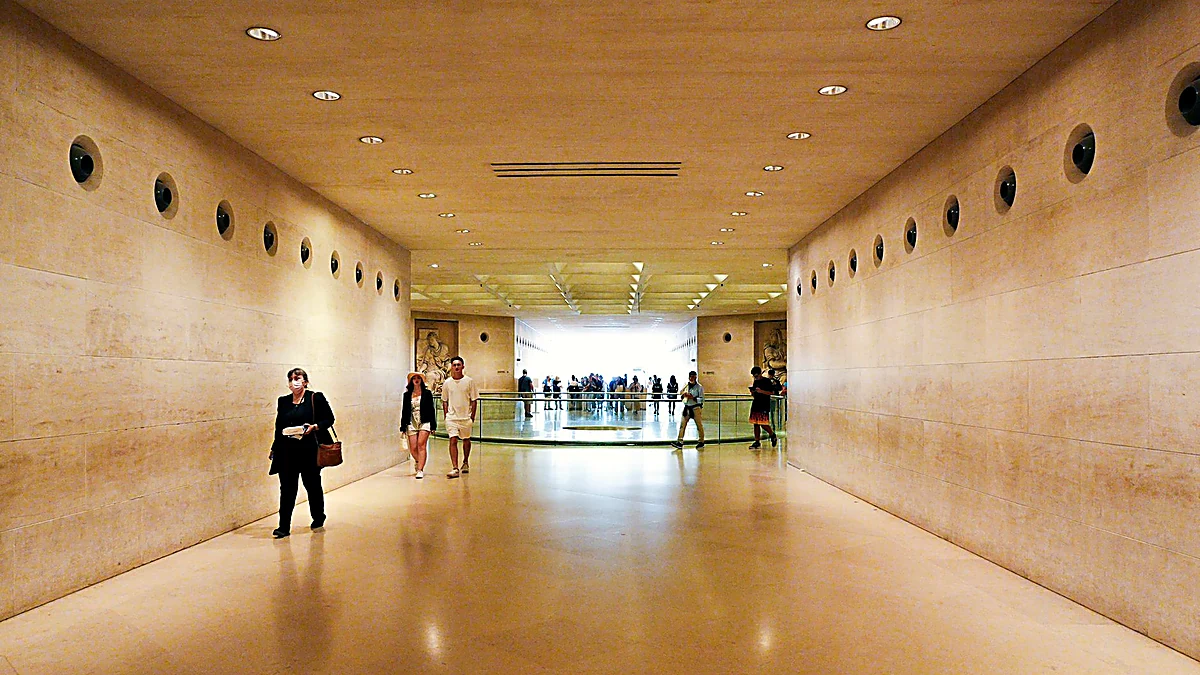
You do not need a big budget to stand in front of a painting you have wanted to see your whole life. Across Europe, some of the best museums open their doors for free on certain days, at certain hours, or for certain people, and all you really have to do is know where to look before you go.
Why Free Museum Days Are Worth Planning Around
A full-price ticket at a famous museum can cost more than a nice dinner for two. When you are travelling for a week or two, those ticket prices add up quickly, and it becomes very tempting to skip the art altogether just to protect your budget.
Here is the good news. Free admission is not random, and it is not a rumour passed around hostels. Museums follow patterns, and once you learn those patterns you can plan your trip around the art instead of planning it around your bank balance.
A free afternoon also changes how you behave inside the building. When you have paid forty euros to get in, you feel a quiet pressure to see everything and to stay until your feet ache. When the ticket costs nothing, you can wander in for ninety minutes, sit with two paintings you love, and leave without any guilt at all.
The patterns behind free days
Most free days land in one of a few familiar slots. The first Sunday of the month is the most common one in Europe, followed by the first Saturday, free late-night evenings, national holidays, and the last two hours before closing time.
| Pattern | Where you often see it | What to expect |
|---|---|---|
| First Sunday of the month | State museums in Paris, Berlin, Florence, Rome and Madrid | Long queues and big crowds, so a free timed ticket is often required |
| Free evening hours | The Prado in Madrid, several Paris museums, many city museums | Usually calmer than a free Sunday and much easier to enjoy |
| Always free for the permanent collection | Major public museums in London | No ticket needed, but special exhibitions still charge a fee |
| Free for local residents only | Many city-run museums across Europe | You need proof of address, so always read the fine print |
One important note: free usually means free for the permanent collection only. The big touring exhibition on the top floor still sells tickets, and that is completely normal.
Some museums are always free for their main collection. The large public museums in London are the classic example, and you can walk in almost any day of the week without paying a cent. That single fact makes London one of the easiest cities in Europe for an art-filled trip on a small budget.
Other museums waive the price only for certain people. Students, visitors under eighteen, and in some countries European Union citizens under twenty-six often get in free or pay a reduced price. The rules change from country to country, so check the museum's own ticket page rather than trusting a blog post from five years ago.
Free days are not a secret. They are simply printed on a page that most travellers never think to open before they leave home.
How to Find Free Museum Days Step by Step
Finding free admission takes about fifteen minutes per city, and you can do it comfortably from your kitchen table the week before you fly. The steps below work almost anywhere in Europe, and they work for small local museums too.

Step one: pick your city and your three museums
Decide which two or three museums you genuinely care about, rather than making a long list you will never finish. If you are going to Florence, that might mean the Uffizi, the Accademia, and one smaller gallery near your hotel.
Step two: open the museum's own website
Look for a tab called Visit, Tickets, Opening Times, or Free Admission. This is the only page that truly matters, because it is the page the museum updates when its rules change.
Step three: check the city tourism page
Most city tourism boards publish a free museum calendar, sometimes updated monthly. It is a fast way to see which days are already crowded with locals and which ones are quiet.
Step four: search with the right words
A simple search like free museum days Paris or free museum days Berlin usually brings up a current list within seconds. Add the current year to your search to avoid old results, and ignore anything that looks like a copy of a copy.
Step five: book the free timed ticket if the museum asks for one
Free does not always mean you can simply walk in. Many museums now hand out free timed slots, and they are gone within a day or two of being released, so book as soon as you know your dates.
Step six: save the date and set a reminder
Put the museum name, date, and entry time into your phone calendar. Set an alarm for the night before so you remember to charge your phone and pack your bag properly.
What this looks like in a few real cities
In Paris, many state museums open free on the first Sunday of the month, and the Louvre has moved its free evening slot around over the years, so check the current schedule before you build your day around it. In Berlin, the big state museums on Museum Island often open free on the first Sunday as well, and it is one of the best deals in the city.
In Florence and Rome, state museums typically open free on the first Sunday of the month too. These days are popular with locals, so arrive at opening time or expect a long wait in the sun. In Madrid, the Prado opens free during the last two hours of the day, which is a lovely way to end an afternoon with a short, focused visit.
The pattern repeats all over the continent. Learn it once and you will use it for the rest of your travelling life.
What to Wear for a Long Museum Day
Museum floors are hard, and you will stand and walk far more than you expect. A day that looks like two hours of gentle strolling often turns into five hours on your feet, so what you wear really does decide how much you enjoy the art.
Shoes matter most
Wear comfortable shoes you have already broken in, such as soft leather sneakers or supportive walking shoes with a cushioned sole. Avoid brand-new sandals, stiff boots, and anything with a heel you would not wear for a long walk at home.
Layers solve almost everything
Start with a breathable cotton tee, then add a light cardigan or a thin merino sweater, and finish with a packable rain jacket. This simple combination lets you adjust to warm galleries, strong air conditioning, and a sudden shower on the walk back to your hotel.
Keep your bag small and your hands free
A small crossbody bag keeps your phone, tickets and wallet safe and close. Many museums do not allow large backpacks at all, so leave yours at the hotel or in the cloakroom and save yourself the argument at the door.
| Season | What to wear | Why it works |
|---|---|---|
| Warm summer day | Linen shirt, loose cotton trousers, broken-in sneakers, light scarf | Breathes well in hot rooms and covers your shoulders if a site asks for it |
| Cool spring or autumn | Cotton tee, thin merino sweater, packable rain jacket, simple trousers | Easy to add or remove as rooms warm up and cool down through the day |
| Winter | Warm coat, scarf, gloves, thin wool layer underneath, waterproof shoes | Keeps you warm in the queue and fits neatly in the cloakroom |
Keep your jewellery simple and quiet as well. Large jingling pieces can distract the people standing next to you, and they sometimes set off security alarms at the entrance.
One more small thing that helps a lot: bring a thin scarf even in summer. Many churches and some older museums still ask visitors to cover their shoulders, and a scarf weighs almost nothing in your bag.
How to Keep Clothes Fresh for Multiple Museum Days
If you are visiting museums for a week or two, you do not need a new outfit every single day. A small, well-chosen set of clothes that you can wash and dry overnight will keep your bag light and your mornings simple.

Pack quick-dry underwear, socks, and shirts, and choose fabrics that bounce back after a night on a hanger. Merino wool, polyester blends, and linen blends all work well for this. Heavy cotton is the one to avoid, because it stays damp for a long time and comes out of the sink looking tired.
A simple evening routine that takes ten minutes
- Wash small items in the sink with a travel-size detergent sheet or a little gentle soap.
- Rinse them well, then roll each piece in a dry towel and press down firmly.
- Hang them on a travel clothesline, a shower rail, or a few hangers in the bathroom.
- Let them dry overnight with the window slightly open if the room feels damp.
For wrinkles, hang your clothes in the bathroom while you take a hot shower and let the steam do the work. A small bottle of wrinkle-release spray is another easy fix, and it weighs almost nothing in your wash bag.
Wash a little every night and your bag stays light, your clothes stay fresh, and your mornings stay calm.
This routine also means you can pack fewer things and spend less time deciding what to wear. That leaves more energy for the actual reason you came, which is standing in front of the art you travelled so far to see.
Your Quick Free Museum Day Checklist
Before you walk out of your hotel room, run through this short list. It takes two minutes and saves a lot of small frustrations later in the day.
- Check the museum's free day and opening hours on its official website one more time.
- Book a free timed ticket if the museum asks for one, and keep it on your phone.
- Save the date, time and address in your calendar with an alarm.
- Carry your ID, a small crossbody bag, a portable charger, and a refillable water bottle.
- Wear your most comfortable shoes and simple, breathable layers.
- Leave large bags, umbrellas, and heavy coats at the hotel or in the cloakroom.
- Arrive early, because free days always draw a crowd.
If you enjoyed the visit and you can spare a few euros, drop a small donation in the box near the door. Those donations help keep free art alive for everyone, including the traveller who walks in after you.
Then put your phone away, take your time, and let yourself sit in front of one painting for as long as you like. The best museum days are the ones where you see less and notice more, and the fact that you paid nothing to be there makes the whole thing taste a little sweeter.
Plan the free day, dress for the long walk, and enjoy the art. That is really all there is to it.
Frequently asked questions
✓ Kristina Mate
Founder & Lead Travel Editor · TravelStyleMate
Kristina is the founder and lead editor of TravelStyleMate. Over the past 8 years, she has explored 35+ countries across Europe, Asia, and the Americas—traveling almost exclusively with a single 40L carry-on bag. A dedicated solo traveler, she specializes in cobblestone-tested footwear, minimalist capsule packing formulas, and realistic transit logistics. Every packing rule, walking shoe, and itinerary on TravelStyleMate is personally tested on actual trips with real luggage constraints.
Testing Guarantee: Every packing rule, walking shoe, and transit route is personally tested with real luggage constraints. No paid rankings, no untouched gear, no AI fluff.
Related guides
Historic Drinking Fountains: Finding Cold Free Spring Water in Old Cities
Learn to find free cold drinking water in old cities, from Rome's nasoni to Paris's Wallace fountains, plus what to wear and how to keep bottles fresh.
4 Ways to Spot an Overpriced Tourist Restaurant Before You Sit Down
Learn four simple ways to spot an overpriced tourist restaurant before you sit down, so you spend less and eat better on your next trip to Europe.
Visiting Cities in the Fall: Cheap Hotels and Zero Lines
Fall city breaks cost less when you pack light layers, stay two stops from the center, and travel midweek. Here is the simple plan that works.