How to Pack for Warm and Cold Weather in the Same Bag
Learn how to pack one carry-on for chilly mornings and warm afternoons using thin layers, mix-and-match pieces, and a simple sink-wash routine.
 ✓

You are getting ready for a spring trip, and the weather report shows the same thing every day: a cold morning, a warm afternoon, and a cool evening. You want to feel comfortable at every point in that day, but you also do not want to drag two suitcases around a city for a week. The good news is that you do not have to choose between them. With thin layers and pieces that mix together, one small bag can cover both ends of the temperature range without any stress.
Why One Bag Really Can Handle Hot and Cold
Most people pack for two climates by making two piles. One pile is the cold pile, with a heavy sweater, thick socks, and a bulky coat. The other pile is the warm pile, with light tops, shorts, and sandals. Both piles go into the bag, and on the trip you open that bag and use about half of what is inside. The rest just rides along, adding weight and taking up space you could have used for something you actually wanted.
There is a simpler way to think about all of this. Cold weather is not really about thick clothes. It is about trapping warm air close to your body with a few thin layers, and then adding one piece that is genuinely warm. Warm weather is not about carrying lots of tops either. It is about breathable fabric that you can wear, wash, and wear again without it looking tired.
Every single thing you pack should be able to work in at least two temperatures. That one rule is the whole method, and it shrinks your bag fast.
Here is how that plays out in real life. You are in Tokyo in late March, and in the morning you walk along the river. It is chilly enough that you are glad you brought a scarf and a jacket. By the middle of the afternoon the sun is out, the shops are warm inside, and you are down to a t-shirt with your jacket tied around your waist. Nothing about that day was unusual, and nothing about it required a heavy coat.
When you pack this way, you stop thinking in piles and start thinking in layers. You bring base layers that work on their own in the heat, a small number of pieces that add warmth, and one outer piece that handles wind and rain. Everything gets worn, nothing sits at the bottom of the bag all week, and you walk out of your hotel every morning knowing exactly what you are going to put on.
Start With Thin Base Layers That Do the Heavy Lifting
Your base layer is the clothing that sits against your skin. This is the part of your bag that gets the most use, so it deserves the most thought. The goal is a small set of thin tops that feel good in the heat and still work under a warm layer when the temperature drops.
Choose Your Tops
Pack three or four thin tops. Two or three soft cotton-blend t-shirts will keep you comfortable on warm afternoons, and they look perfectly normal in a cafe or a museum. Add one or two thin merino t-shirts, because merino stays comfortable when it is cool, it does not hold smells the way cotton can, and it dries quickly after a sink wash. One of your tops should have long sleeves. A thin long-sleeve merino or cotton top works on its own in mild weather and slides easily under a jacket when it turns cold.
Keep the colors simple on purpose. Navy, grey, cream, and maybe one brighter color that you genuinely like. The point is that every top matches every bottom, so you never stand in front of your bag wondering whether two things go together. Leave out the shirt you love but never wear, because on a trip it will just sit there taking up room.
Add Two Bottoms That Match Everything
Two bottoms is plenty for most trips. Bring one pair of lightweight trousers or chinos, which you can wear on a cool morning, on a plane, and to a nice dinner. Then bring one pair of shorts or a skirt for the warm part of the day. If your trip leans cold, make it two pairs of trousers instead, and if it leans hot, you can swap the trousers for a light pair of travel pants that look a little dressier than shorts.
Pick fabrics with a little stretch and a little give. Stiff cotton creases the moment you sit down, while a soft blend with some stretch tends to bounce back on its own. This matters more than most people expect, because a bottom that looks crumpled after one morning makes the whole bag feel messy.
The Easy Math of Mixing and Matching
Now for the part that makes this method feel simple. Three tops that all work with two bottoms gives you six different outfits out of five items. Add the long-sleeve top and you have eight. Nothing in the bag is a single-use piece, and you never have to repeat a full outfit unless you want to.
| Your tops | With trousers | With shorts or skirt |
|---|---|---|
| Cotton-blend tee in a light color | City walking, dinner | Warm afternoon, market |
| Cotton-blend tee in a dark color | Travel day, museum | Beach, long lunch |
| Thin merino tee | Cool morning under a jacket | Hot day, stays fresh |
| Thin long-sleeve top | Chilly morning on its own | Cool evening outdoors |
Notice how each top shows up in both columns. That is the test for everything you pack. If a piece only works in one temperature, it usually means you are packing for two separate trips instead of one.

Add One Warm Layer, One Rain Shell, and Smart Shoes
Now for the small pile that turns your warm-weather clothes into cold-weather clothes. This is the part of the bag where people tend to go wrong. They bring a heavy sweater, a thick coat, and a second jacket just in case, and suddenly the bag is full and heavy. You really only need two pieces here, and both of them should be light.
The One Piece That Really Keeps You Warm
Bring one packable puffer or one thin fleece. A puffer that squashes into its own pocket is the best choice for most trips, because it weighs almost nothing when you are not wearing it and it holds heat surprisingly well for its size. This is your real warmth. Your other layers are mainly there to keep the cold air off your skin so this piece can do its job properly.
A Thin Rain Shell Is Not Just for Rain
Add one thin rain jacket with a hood. On a rainy day it keeps you dry, and that part is obvious. The useful part is that it also blocks wind, and wind is what makes a cold morning feel genuinely cold. A breeze blowing through a thin shirt will chill you quickly, and a rain shell stops it completely. It folds down to almost nothing, so there is no reason to leave it at home.
Shoes, Socks, and Small Things That Do Two Jobs
Wear your one comfortable walking pair on the plane. They should handle wet pavement, long days, and a bit of uneven ground, which is what most trips actually involve. Then pack one light pair of sandals or slip-ons for warm evenings and for the middle of the day when your feet want a break.
Your accessories can be surprisingly hard-working. A big scarf is a blanket on the plane, a pillow when you are tired, and a warm layer around your neck on a cold morning. A thin beanie and a light pair of gloves weigh almost nothing and save a cold morning you did not plan for. Add a sun hat and sunglasses for the hot half of the day, and you have covered both ends of the weather without adding bulk.
Think about Edinburgh in May. You might start the day in a fleece, a scarf, and a rain shell, walking up to the castle with your hands in your pockets. By lunchtime you are sitting outside in just a t-shirt, and by evening you are back in the fleece. Everything you needed for that whole day was already in your small bag, and you never had to go back to the hotel to change.
Wash Small, Wear Often, and Skip the Iron
The last part of the method is keeping your small bag fresh for a whole trip. A small bag only works if you wash as you go, so let go of the idea that laundry is one big event at the end of the trip. Instead, wash a few things every second or third evening, and it becomes a ten-minute habit rather than a chore.
A Sink Wash That Takes Ten Minutes
Fill the sink with cool water and a little gentle soap or travel detergent. Put in your merino tops, your underwear, and your socks, and swish them around for a minute. Rinse them well with clean water, then press the water out gently. A rolled towel is the trick here, because you lay the clothes flat inside it and press down, and the towel soaks up most of the water. Thin merino and technical fabrics usually dry overnight, and hanging them near a window or over the back of a chair finishes the job by morning.
How to Get Wrinkles Out Without an Iron
If a shirt looks crumpled, hang it in the bathroom while you take a hot shower. The steam relaxes the fabric, and by the time you are dressed it looks much better. A tiny bottle of wrinkle-release spray does the same job in a hotel room with no steam. The better answer is to choose fabrics that crease less in the first place, because knits, blends, and slightly stretchy fabrics stay smooth while stiff cotton wrinkles the moment it is folded.
Packing cubes help more than people expect. Use one cube for clean tops, one for underwear and socks, and one small bag for anything dirty. Keeping clean and worn clothes apart means you never have to wonder whether a shirt has already been used, and the whole routine feels calm instead of chaotic.

Your Quick Two-Climate Packing Checklist
Here is the whole method in one list you can copy before your next trip. It looks short, and that is exactly the point.
| Category | What to pack |
|---|---|
| Tops | Three or four thin base layers, including one long-sleeve top and at least one merino piece |
| Warmth | One packable puffer or thin fleece |
| Outer layer | One thin rain shell with a hood |
| Bottoms | Two pairs, both matching every top you bring |
| Shoes | Walking shoes on your feet, one light warm-weather pair in the bag |
| Extras | Scarf, thin beanie, light gloves, sun hat, sunglasses |
| Small things | Five sets of socks and underwear, plus a small laundry kit |
On travel day, wear your bulkiest items. That means your walking shoes, your trousers, and your warm layer. Planes are often cool, so you will be glad to have them, and your bag stays light because the heaviest things are on your body rather than inside it.
Then adjust the list for your specific trip. If your trip is mostly hot with one cold stop, pack the warm layer and skip the beanie and gloves. If it is mostly cold with one warm afternoon, keep the base layers thin and bring the puffer, because you will wear it almost every day. If you are not sure what the weather will do, the full list above will cover almost everything.
That is really all there is to it. One bag, a handful of thin layers, one warm piece, one rain shell, and a small washing habit. You will pack faster, carry less, and spend your trip thinking about where you are going instead of what is inside your suitcase.
Frequently asked questions
✓ Kristina Mate
Founder & Lead Travel Editor · TravelStyleMate
Kristina is the founder and lead editor of TravelStyleMate. Over the past 8 years, she has explored 35+ countries across Europe, Asia, and the Americas—traveling almost exclusively with a single 40L carry-on bag. A dedicated solo traveler, she specializes in cobblestone-tested footwear, minimalist capsule packing formulas, and realistic transit logistics. Every packing rule, walking shoe, and itinerary on TravelStyleMate is personally tested on actual trips with real luggage constraints.
Testing Guarantee: Every packing rule, walking shoe, and transit route is personally tested with real luggage constraints. No paid rankings, no untouched gear, no AI fluff.
Related guides
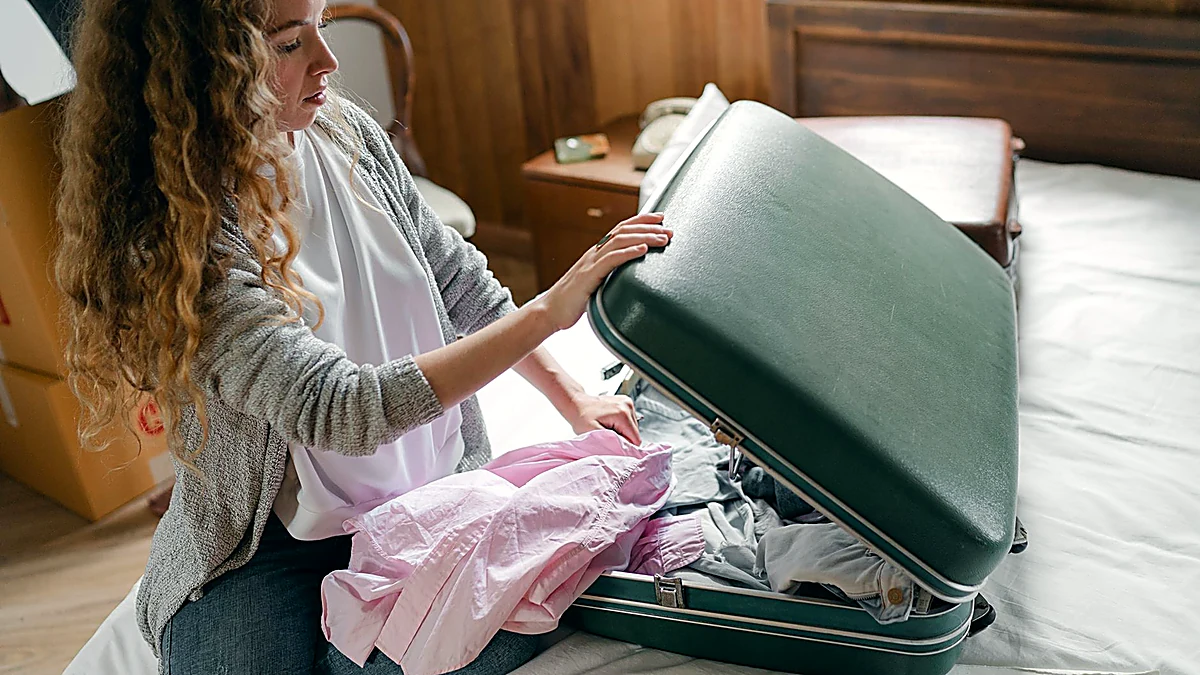
The 7-Day City Trip Packing List: Easy Outfits for Every Day
Pack one small bag for seven days of city wandering. A simple color plan, easy mix-and-match outfits, and one gentle wash keep you light and calm.

How to Pack Clothes for Train Trips with Little Space
Pack light for train trips with a small soft bag, mix-and-match outfits, and easy sink washing. Stay comfortable on busy platforms and tight seats.
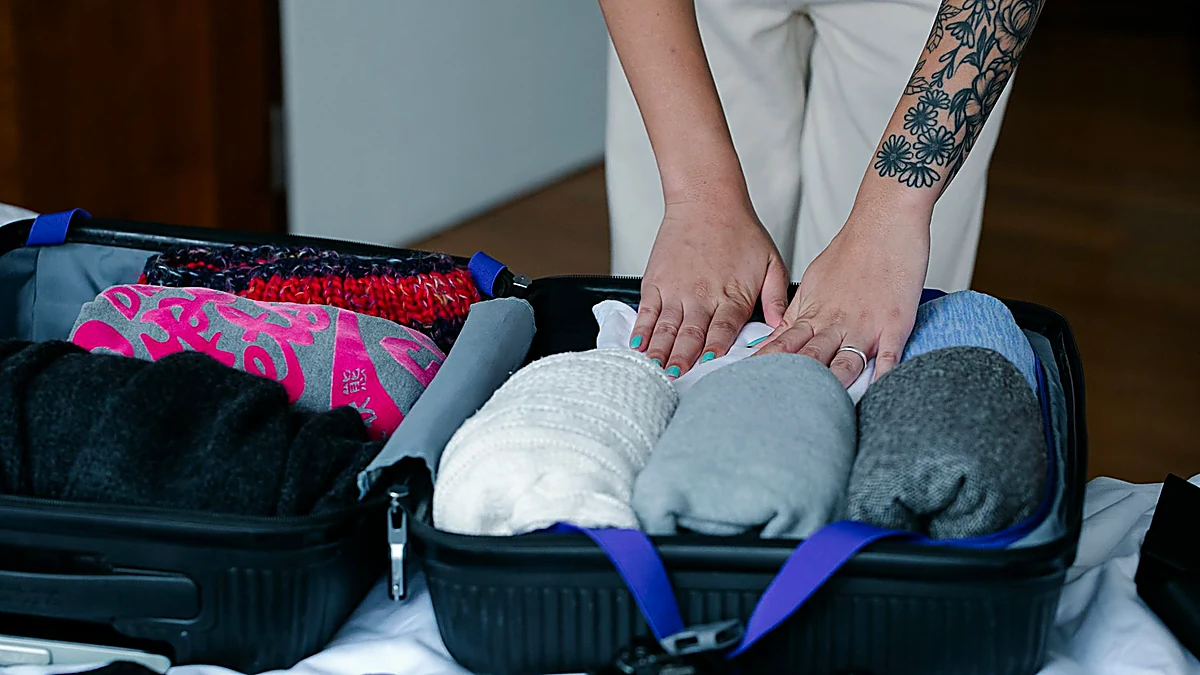
What to Pack for Spring and Fall Trips with Changing Weather
Pack light for spring and fall trips with a simple layer capsule. Learn what to wear when mornings are cold, afternoons warm up, and rain shows up.