Sitting in Big Grand Cafes for Hours for the Price of One Drink
Learn how to sit in Vienna, Prague, and Paris grand cafes for hours with just one coffee, plus what to wear, how to tip, and when to leave politely.
 ✓
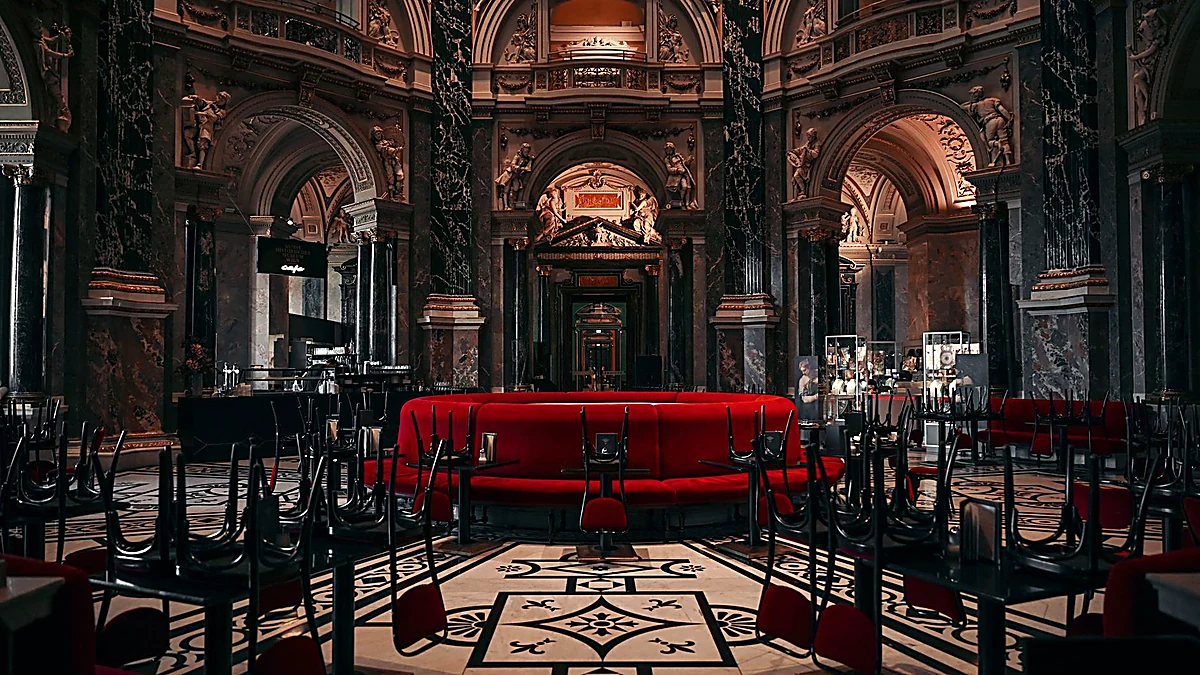
The first time I sat down in a grand European cafe, I ordered one small coffee and then spent forty minutes quietly wondering whether the waiter wanted me to leave. He did not. He set the cup on a marble table, nodded once, and disappeared for the rest of the morning. That morning taught me the trick behind this whole guide. You do not need a big budget to enjoy a beautiful old cafe. You need one drink, a comfortable seat, and a simple understanding of how the room works.
How to Sit in European Cafes for Hours
Vienna is the city where this habit began, and it is still the easiest place to learn it. In a traditional Viennese coffeehouse, the table belongs to the guest rather than to the kitchen. You order a Melange or a small espresso, the waiter brings it on a tray with a glass of water, and then nobody hurries you. People read newspapers on long wooden holders, write postcards, argue softly about politics, and stare out of tall windows for two hours at a time. Nobody in the room thinks this is strange, because lingering is exactly what the place was built for.
There is still a polite way to do this and a way that quietly annoys the staff. The difference is easy to understand. You are welcome to stay as long as you keep ordering something, sit at a table that is meant for sitting, and leave gracefully when the room truly fills up. You are not welcome to spread your coat, bag, and guidebook across four chairs during the lunch rush while the waiter walks past your empty cup ten times.
A simple plan that works in most cities
- Choose a grand cafe with table service. Old wooden rooms, marble tops, and waiters in waistcoats usually mean that slow service is normal here. A modern coffee bar with a queue at the counter is a different kind of place, and there you should drink up and move on.
- Sit inside, away from the door. The seat near the entrance feels cold in winter, catches every draft, and often belongs to a regular who will arrive at eleven. A quiet corner table near the back wall is the best seat in the house.
- Avoid the peak hours. Lunch, from about noon to two, and dinner from seven onward, are the times when staff need tables to turn over. Mid-morning around ten, and mid-afternoon around three, are the calm hours when nobody minds a slow guest.
- Order one classic drink. A Melange in Vienna, a house coffee in Prague or Budapest, an espresso in Italy, a cafe creme in Paris. One drink is enough. Nobody is counting your coins, but the staff are counting the tables.
- Ask politely for tap water. Some cafes bring it without being asked, and some will say no, and either answer is fine. Never pour your own water from a bottle you carried in.
- Read, write, or watch people. Bring a paperback, a notebook, or nothing at all. Watching the room is a legitimate use of a cafe table, and it is one of the cheapest forms of entertainment in Europe.
If the room fills up and people are standing near the door, finish your drink within about ninety minutes and move along. That single habit keeps you welcome in the same cafe next week, and it keeps the whole experience friendly instead of awkward.
The old joke in Vienna goes like this. The coffee is simply the entrance fee for the chair.
Order Like a Local and Keep the Bill Small
Walk in, look around for a free table without a small reserved card on it, and sit down. In Austria, Hungary, and the Czech Republic, you generally do not order at a counter and you do not wait to be seated. You take a table, and a waiter will find you. If you stand near the door looking uncertain, you may stand there for a while, because the staff will assume you are waiting for someone.
When the waiter arrives, order one item and say it clearly. In Vienna, a Melange is the classic choice, and a kleiner Brauner is a fine second option if you like your coffee a little stronger. In Budapest and Prague, a house coffee or a pot of tea is completely normal and costs very little. In Italy, the cheapest and most local move is to drink your espresso standing at the bar, because the price can double the moment you sit down at a table. In Paris, the counter and an inside table usually cost less than a seat on a famous terrace, and the coffee in the cup tastes exactly the same.

A few cities have their own quiet rules about the bill. In Italy, a service charge called coperto or servizio may already be added for table service, so a quick look at the menu before you sit down saves you a surprise later. In Spain, a terrace seat on a busy square often costs more than a seat inside the very same cafe. In France, bread usually arrives without a charge and tap water is a normal request. None of this is complicated once you know it, and the menu board outside tells you most of what you need.
| City | What to order | Where to sit | What to watch |
|---|---|---|---|
| Vienna | Melange or kleiner Brauner | Inside, away from the door | A glass of water often comes with the coffee |
| Budapest | House coffee or a pot of tea | The grand room, not the terrace | Famous cafes charge more, but the room is the point |
| Prague | Espresso or hot chocolate | Upstairs or a back room | Small charges can appear for bread or cover |
| Paris | Cafe creme or espresso | The counter or an inside table | Terrace seats on big squares cost the most |
| Rome | Espresso or cappuccino | Standing at the bar | Sitting at a table can double the price |
| Madrid | Cafe con leche | Inside the old room | Outdoor seats often cost more than indoor ones |
When you are ready to leave, you can usually pay at the table. In many cafes you simply tell the waiter the amount you want to pay, which is a polite way of saying you do not need the coins back, and they bring the change. A tip of five to ten percent, or just rounding up to the next euro, is generous enough in most of Europe. Nobody expects a large tip in a cafe, and leaving one does not make the coffee taste better.
Cake is where the bill quietly grows. A single slice of torte in a grand cafe can cost as much as two coffees, and the plate often arrives with a small mountain of whipped cream on the side. If money is tight, skip it, or order one slice with two spoons and share it. Sharing is normal in these rooms, and it turns a plain cup of coffee into a small occasion.
One drink can buy you a quiet hour if you order it slowly and act like you belong. That last part matters more than most travelers expect. Sit up rather than slumping, put your bag on the floor rather than on the chair beside you, open your book, and let the room settle around you. Waiters read confidence quickly, and a calm guest is a guest they are happy to leave alone.
What to Wear and Pack for a Long Cafe Sit
Grand cafes are strange rooms when it comes to temperature. The middle of the room can be warm and stuffy from all the bodies and the hissing coffee machines, while a seat near a door or a tall window can be genuinely cold in winter. The easy answer is to dress in layers you can add and remove without leaving your table, and to choose clothes that still look tidy after a morning of walking.
| Layer | What to choose | Why it works |
|---|---|---|
| Base layer | Soft cotton tee or a light linen shirt | Breathes well in a warm, crowded room |
| Middle layer | Thin merino sweater or a light cardigan | Warm near the door and easy to take off |
| Outer layer | Light jacket and a soft scarf | Handles drafts and cool evenings |
| Trousers | Dark travel trousers or clean jeans | Hides crumbs and small spills |
| Shoes | Comfortable loafers or plain sneakers | Fine for a long sit and a long walk after |
| Bag | Small zipped day bag | Slides under the table and stays out of the way |
Beyond your clothes, a small day bag does most of the work on a cafe day. A light scarf, a compact umbrella, a battery pack, and a paperback or an e-reader are enough to keep you comfortable for several hours. If you plan to write, add a slim notebook and a pen, because phones run out of charge and paper never does. A small bottle of water is useful on the walk between cafes, even if you do not drink it inside.
Keep your bag on the floor between your feet instead of hanging it on the back of your chair. This keeps the aisle clear for waiters carrying heavy trays, and it also keeps your wallet and phone out of easy reach of anyone walking past. Zip your valuables into an inside pocket before you sit down, and then you can genuinely relax.
Neutral colors are quietly useful on days like this. Dark trousers, a grey or navy sweater, and a plain shirt do not show coffee drips or pastry crumbs, and they look right in an old room with high ceilings and dark wood. A simple outfit also means you can walk straight from the cafe into a museum, a church, or an early dinner without going back to your room to change.
Stay Fresh and Wrinkle-Free on Cafe Days
Coffee spills and pastry crumbs are part of the experience, and both are easy to handle if you catch them early. Carry a small stain wipe or a stain stick in your bag, and use it within a few minutes rather than at the end of a long day.
How to handle a coffee spill
Blot the spot with a little cold water instead of rubbing it. Rubbing pushes the coffee deeper into the threads and spreads the mark across the fabric. Press a clean cloth or napkin against the spot, let it sit for a minute, and then let the cloth air dry away from direct heat. Hot water and hot dryers set a stain in place, so keep both well away from a fresh spill.
Keeping clothes fresh without a laundry day
Choose breathable fabrics when you pack for this kind of trip. Soft cotton, thin merino wool, and linen blends handle a long warm day much better than heavy cloth, and they do not hold smells the way some synthetic travel fabrics do. When you pack, roll these pieces tightly rather than folding them flat, because rolling saves space and leaves fewer hard creases.
Small items can be rinsed in a hotel sink with a little travel soap and a few minutes of gentle squeezing. Avoid twisting or wringing the cloth, since that is what stretches necklines and hems out of shape. Instead, lay the wet item flat on a clean towel, roll the towel up like a sausage, and press down with your hands. The towel soaks up most of the water, and the item is usually dry by morning if you hang it near an open window.
The wrinkle trick that actually works
If a shirt looks creased, hang it in the bathroom while you take a hot shower. The steam relaxes the fibers, and most wrinkles fall out on their own within ten minutes. For one stubborn crease, sprinkle a few drops of water on the fabric, smooth it with your hand, and let it hang. Many travelers also carry a light scarf, which is the single most useful item on this list. It keeps your shoulders warm in a cool cafe, it covers bare shoulders in churches and grand halls, and it rolls into a small pillow on a night train or a long bus ride.

Your Quick Grand Cafe Budget Checklist
Pick one grand cafe each day rather than trying to visit four. One coffee in a beautiful room, enjoyed slowly, is a better memory than four rushed cups in four busy places. The famous cafes are worth seeing once, but the quieter ones a street or two away from the main square usually cost less and feel warmer.
- Choose one grand cafe for the day and go mid-morning or mid-afternoon.
- Sit inside, away from the door, the kitchen, and the waiter station.
- Order one classic drink and ask politely for tap water if the cafe offers it.
- Check the menu for a service charge before you sit down, especially in Italy and Spain.
- Skip the full cake plate, or share one slice with a friend.
- Tip by rounding up five to ten percent, or simply to the next euro.
- Keep your bag on the floor and your phone and wallet zipped away.
- Read, write, or watch the room instead of checking your phone every minute.
- Finish your drink and leave politely when the cafe fills up around you.
- Say thank you on the way out, even if the waiter barely looked at you all morning.
Try this in Vienna, Budapest, Prague, Paris, or Madrid, where old cafes genuinely reward slow sitters. In Vienna, the traditional rooms around the Ring are built for long stays and nobody will blink if you open a book. In Budapest, the grand cafes on the Pest side look far more expensive than they usually are. In Prague, a quiet upstairs room near the old town can be yours for the price of a hot chocolate. In Paris, a corner cafe far from the big squares will happily let you sit with a cafe creme and a notebook. In Madrid, the old literary cafes near the Paseo del Prado are full of people doing exactly what you are doing.
None of this needs a plan or any special talent. It needs one drink, one comfortable outfit, and a little patience. Do it once and something surprising happens. The cheapest hour of your trip often becomes the one you remember best, and it usually costs less than a sandwich back home.
Frequently asked questions
✓ Kristina Mate
Founder & Lead Travel Editor · TravelStyleMate
Kristina is the founder and lead editor of TravelStyleMate. Over the past 8 years, she has explored 35+ countries across Europe, Asia, and the Americas—traveling almost exclusively with a single 40L carry-on bag. A dedicated solo traveler, she specializes in cobblestone-tested footwear, minimalist capsule packing formulas, and realistic transit logistics. Every packing rule, walking shoe, and itinerary on TravelStyleMate is personally tested on actual trips with real luggage constraints.
Testing Guarantee: Every packing rule, walking shoe, and transit route is personally tested with real luggage constraints. No paid rankings, no untouched gear, no AI fluff.
Related guides
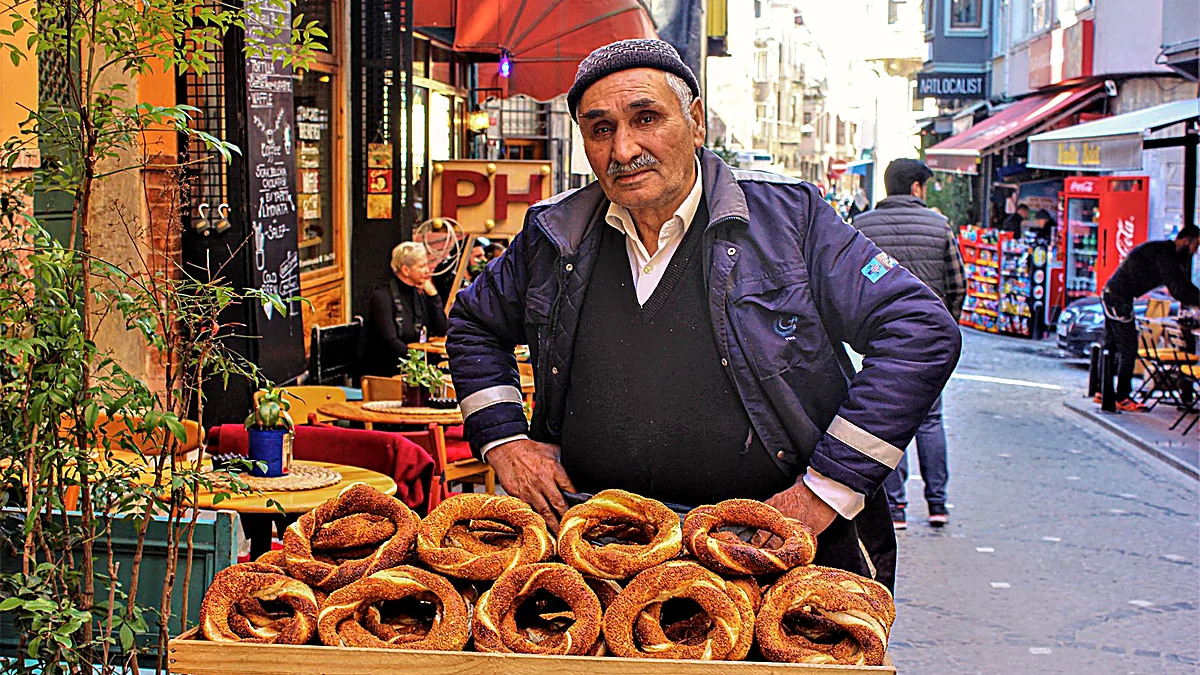
4 Ways to Spot an Overpriced Tourist Restaurant Before You Sit Down
Learn four simple ways to spot an overpriced tourist restaurant before you sit down, so you spend less and eat better on your next trip to Europe.
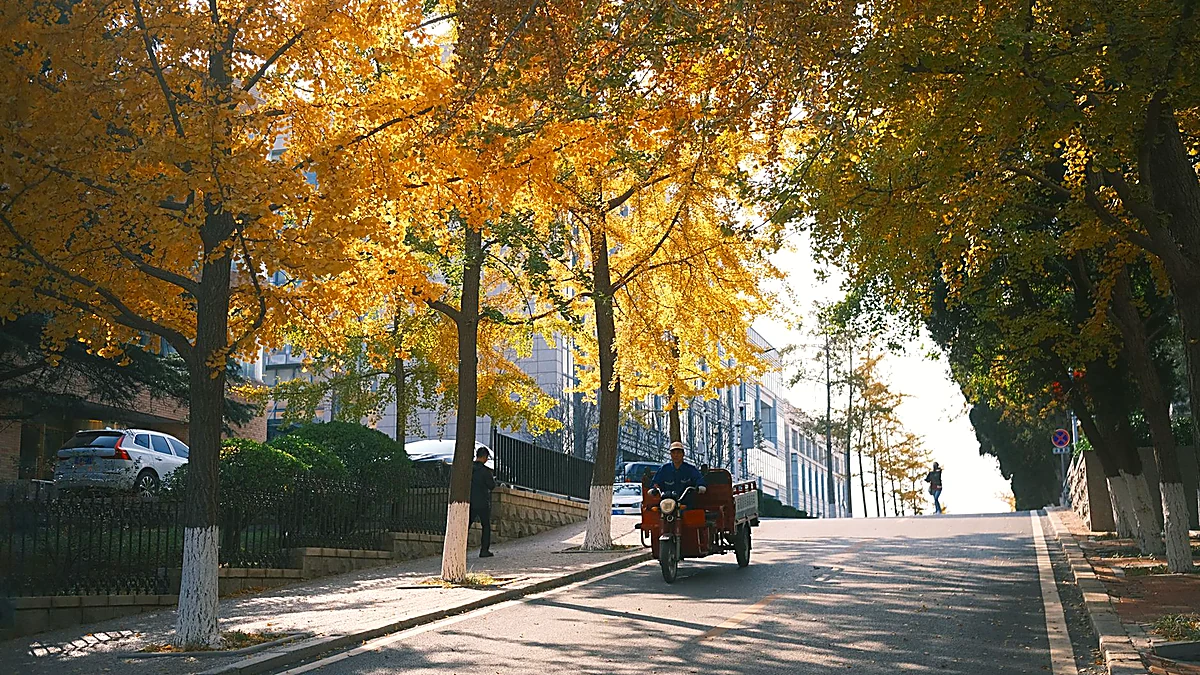
Visiting Cities in the Fall: Cheap Hotels and Zero Lines
Fall city breaks cost less when you pack light layers, stay two stops from the center, and travel midweek. Here is the simple plan that works.
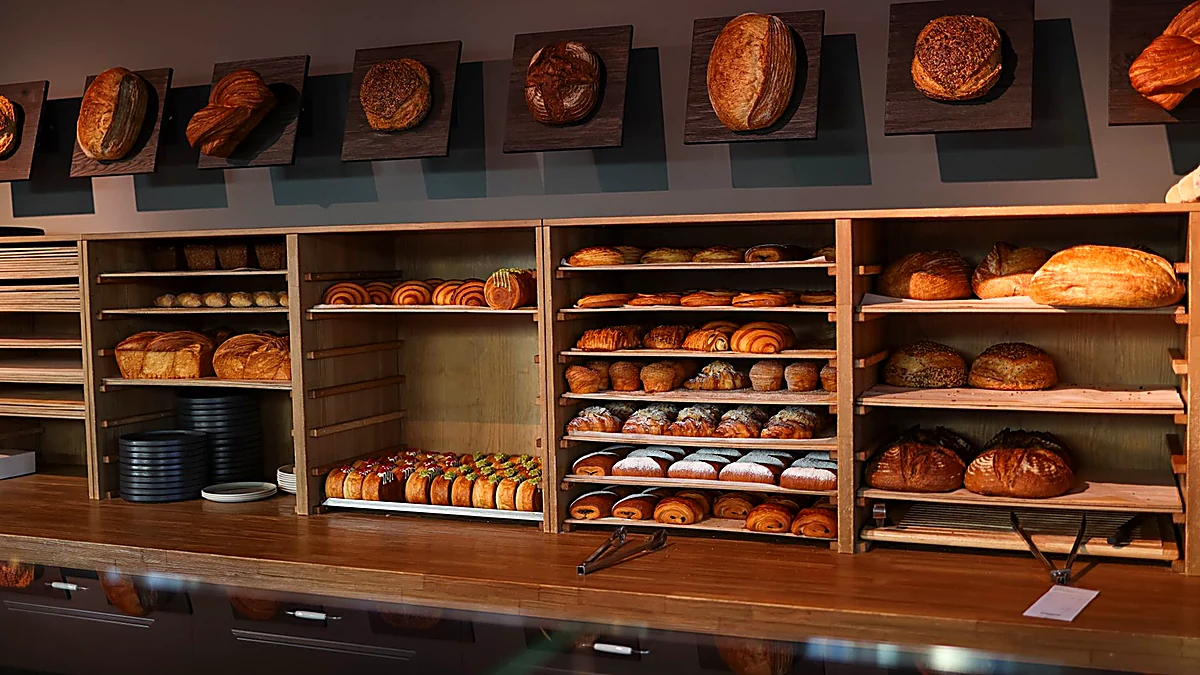
Local Bakeries: How to Spot Real Fresh Bread vs Cheap Frozen Bread
Learn how to spot real fresh bread in local bakeries while traveling, from the sign on the door to the crackle of the crust, so you never overpay.