The Best Weekend Duffel Bags for Short 3-Day Trips
How to choose and pack a weekend duffel for a three-day trip, so you skip the wheels, fit the overhead bin, and keep your clothes fresh on the road.
 ✓
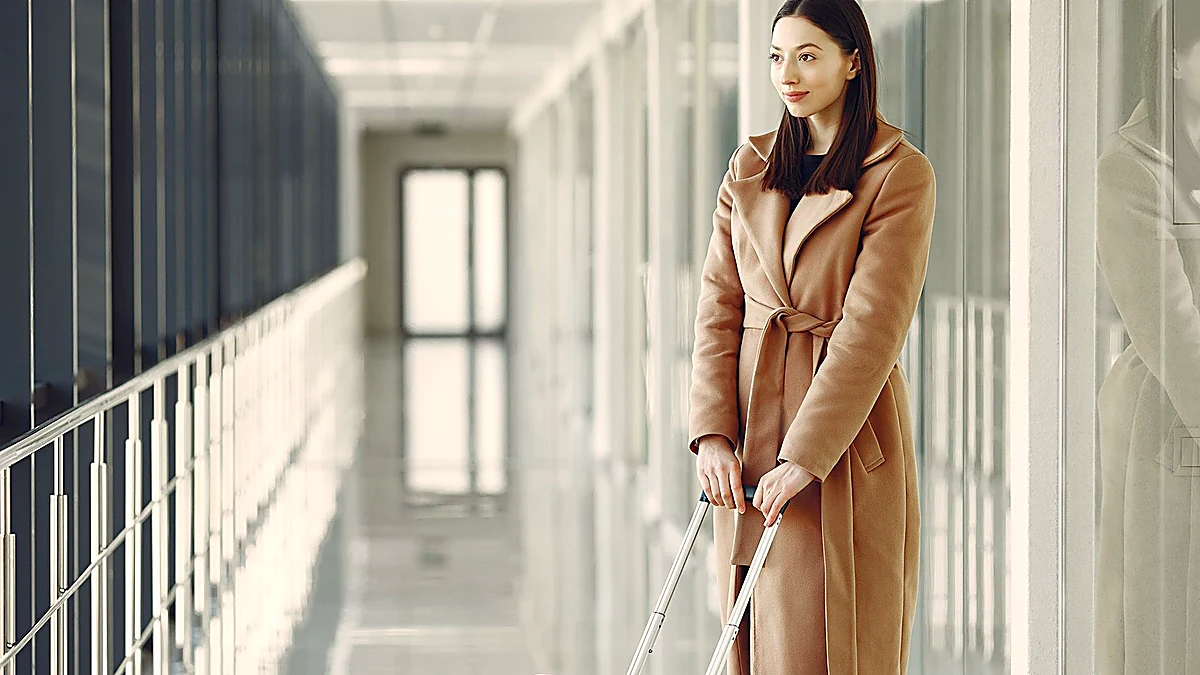
You have two nights away and three days of plans, and somehow the hardest part of the whole trip is the bag. A soft weekend duffel solves most of that problem before you even start packing, because it bends, squashes, and moves along with you instead of fighting every tight space between your front door and your hotel room.
Why a Soft Weekend Duffel Beats a Rolling Suitcase for Three Days
For a trip that lasts two nights and three days, you simply do not need wheels. A soft duffel squashes into a tight overhead bin, slides under the seat in front of you when the plane is full, and rides comfortably on your shoulder while you climb the narrow stairs of a Montreal walk-up or squeeze onto a crowded metro car in Copenhagen.
Wheels and the hard handle frame that comes with them add weight and bulk before you have packed a single sock. That frame also eats space you could have used for a pair of shoes, and it makes the bag stiff in every direction. A duffel does the opposite. It moves with your body instead of dragging behind you, which matters when you are walking ten minutes from the station to your hotel with both hands full.
The honest trade-off is that you carry the weight instead of rolling it. That is a real difference, and it is the main reason to keep your load light. Aim to pack no more than about seven kilograms, which is roughly the weight of one full bag of groceries. When you choose the bag itself, look for a wide, padded shoulder strap that spreads the pressure, or a duffel with hideaway backpack straps so the weight sits on both shoulders instead of one.
Pick the bag that still feels kind to your shoulder at the end of a long travel day, not the one that looks best under bright shop lights.
How to Choose the Right Size, Shape, and Features
Start with the volume
The first number to think about is volume, measured in litres. A three-day trip fits comfortably in a bag between 35 and 45 litres, which is about the size of a small carry-on suitcase. Anything smaller starts to feel tight once you add a sweater and a second pair of shoes, and anything much bigger quietly tempts you to overpack.
Check the exact size limits of the airline you are flying, then measure the duffel when it is full, not flat. Soft bags bulge once the zip is closed, and a bag that measured perfectly on your bedroom floor can suddenly look like a pillow at the gate.
| Trip length | Bag volume | What it comfortably holds |
|---|---|---|
| One night | 25 to 30 litres | One outfit, sleepwear, a small toiletry bag, and a charger |
| Two nights, three days | 35 to 45 litres | Three days of clothes, two pairs of shoes, and a rain shell |
| Four to five days | 45 to 55 litres | A longer trip, as long as you plan one sink wash along the way |
Choose a shape with a flat base
A rectangular duffel with a flat bottom is far easier to live with than a rounded one. Rounded bags waste space in the corners and tip over the moment you set them down on a bench or a train seat. A flat base also lets the bag stand open on its own, so you can see everything inside without pulling the whole thing apart.
Small details make a big difference over three days. A separate shoe compartment at one end keeps dirty soles away from clean shirts. A zip pocket on the lid is perfect for your passport, phone charger, and lip balm, and it saves you from digging through rolled clothes in the security line. If you usually carry a laptop, look for a padded sleeve built into the bag rather than a separate case.
Look closely at the fabric, zips, and stitching
Fabric matters more than colour. A coated nylon or a tightly woven recycled polyester, in the range of about 500 to 900 denier, which simply means a thick and hard-wearing weave, shrugs off rain and airport grime much better than thin cotton canvas. A light water-resistant finish is enough for most city trips, and it keeps your clothes dry if you get caught in a shower between the station and the hotel.
Before you buy, open and close every zip a few times, and look at the stitching where the shoulder strap meets the bag. Those two things fail first on a cheap duffel, and both are easy to check in a shop or in the photos of online reviews.

Roll each shirt tight to save space.
What to Actually Pack for Three Days
Build your clothes around one colour story so everything matches without any thought. If your trousers are navy, then a grey tee, a white tee, and an oatmeal sweater all work together, and you can get dressed in a dim hotel room without making a bad decision at seven in the morning.
| Item | How many | Why it earns its place |
|---|---|---|
| Plain tees | Two | One to wear, one spare, both in your base colour |
| Long-sleeve shirt | One | Works alone in warm weather and as a layer when it cools down |
| Light sweater or merino layer | One | Warm without bulk, and it dries overnight if you wash it |
| Trousers | One pair | A soft, dark pair you can wear to dinner or on a long walk |
| Shorts or skirt | One | Your warm-weather option for the middle day of the trip |
| Underwear and socks | Three sets | One set per day, with no laundry maths required |
| Sleep shirt | One | A soft tee you wear only in bed, kept in the same spot every night |
| Light rain shell | One | Takes almost no room and rescues a wet afternoon |
Wear your heaviest pieces on travel day
Your jeans, your jacket, and your heaviest shoes should stay on your body instead of going into the bag. This one habit can save two or three litres of space and a full kilogram of weight, and it costs you nothing except a slightly warmer walk through the airport.
Keep footwear to two pairs
Bring one comfortable walking shoe that you wear on the plane, and one lighter pair such as sandals or soft sneakers for the evening. That is usually plenty for three days. If rain is forecast, swap the sandals for a second closed shoe and add a compact umbrella that folds down to the length of your forearm.
Adjust for cold weather
For a cold trip, add one thermal base layer and one pair of thin gloves, and leave the heavy coat at home in favour of a packable puffer that squashes into its own pocket. The puffer gives you most of the warmth of a big coat, and it takes up about the same space as a folded sweater.
Keeping Clothes Fresh and Wrinkle-Free on the Road
Roll first, then fold
Roll soft items like tees and underwear into tight tubes, and place them at the bottom of the bag. Then fold stiffer pieces like trousers in half and lay them flat on top with the fold facing up. This keeps creases softer, because the fabric bends along a curve instead of being pressed into a sharp line, and it lets you see everything at a glance when you open the bag.
Pack a small mesh laundry bag for dirty clothes so clean and worn items never mix. When it is empty, it flattens into nothing in the bottom corner, and when it fills up, it keeps your clean shirts smelling like clean shirts.
A sink wash that actually works
A hotel sink is all you need for a quick refresh. Add a few drops of travel detergent or half a detergent sheet, swish the clothes around for a minute, then rinse until the water runs clear. Roll each item in a dry towel and press down firmly to squeeze out the water, then hang it somewhere air can move around it.
The fabric you choose decides how well this works. Thin merino, quick-dry polyester, and technical blends are usually dry by morning, while thick cotton stays damp for a day or more. If you plan to wash as you go, lean your packing towards the quick-drying fabrics.
Use steam instead of an iron
To smooth wrinkles without an iron, hang the item in the bathroom while you take a hot shower and let the steam do the work. Give it five or ten minutes, then smooth the fabric flat with your hands and hang it somewhere dry before you go to bed. It is a small trick, but it works surprisingly well on a cotton shirt that spent the flight squashed at the bottom of your bag.
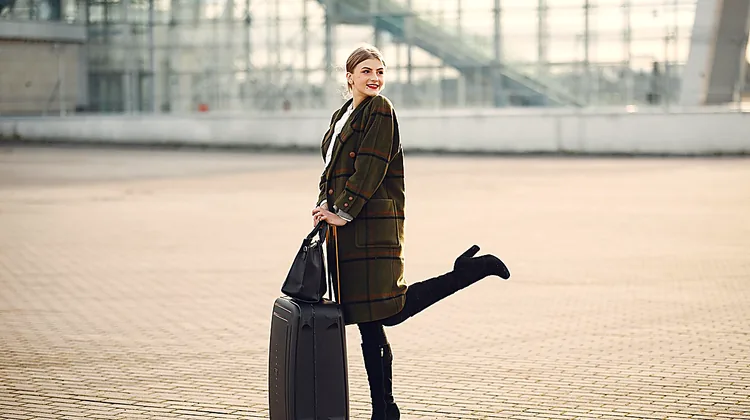
Three days of clothes in one bag.
Your Quick Three-Day Duffel Checklist
Before you zip up, run through this short list. It takes about sixty seconds, and it catches almost every forgotten item.
- One duffel between 35 and 45 litres that meets your airline's carry-on size, measured when it is full.
- Clothes in a single colour story, rolled tight, with the heaviest items worn on travel day.
- Two pairs of shoes at most, with the spare pair tucked into the shoe compartment.
- A small toiletry bag with solid or travel-size liquids, plus any medication in the lid pocket.
- Chargers, a power bank, and a universal adapter if you are travelling abroad.
- A folded tote bag for day trips, market stops, and groceries on the way home.
- A laundry bag and a few detergent sheets for a quick sink wash.
- Your passport, tickets, and a warm layer within easy reach, so you never have to open the whole bag.
If the bag feels heavy when you lift it with one hand, take one item out. You will thank yourself at the top of every staircase on the trip.
Three days is a short trip, and that is exactly why it should feel easy. A light duffel that fits the overhead bin, a small pile of clothes that all match each other, and one quick wash in the sink are enough for almost any weekend away. Pack it once with this list, and the next trip will take you about twenty minutes from the bedroom floor to the front door.
Frequently asked questions
✓ Kristina Mate
Founder & Lead Travel Editor · TravelStyleMate
Kristina is the founder and lead editor of TravelStyleMate. Over the past 8 years, she has explored 35+ countries across Europe, Asia, and the Americas—traveling almost exclusively with a single 40L carry-on bag. A dedicated solo traveler, she specializes in cobblestone-tested footwear, minimalist capsule packing formulas, and realistic transit logistics. Every packing rule, walking shoe, and itinerary on TravelStyleMate is personally tested on actual trips with real luggage constraints.
Testing Guarantee: Every packing rule, walking shoe, and transit route is personally tested with real luggage constraints. No paid rankings, no untouched gear, no AI fluff.
Related guides
How to Layer Your Clothes for Cold Airplanes and Hot Airports
Learn the simple three-layer rule for flights: thin base, warm middle, packable outer. Stay comfortable from a hot terminal to a cold cabin.
How to Stop Dry Skin on Long Flights with 3 Simple Steps
Learn a simple three-step plan to keep your skin soft on long flights, using a tiny pouch, smart drinks, and cozy layers you can pack in minutes.
What to Wear Through Airport Security to Get Through Lines Fast
Choose slip-on shoes, soft layers, and pocket-free outfits so you sail through airport security and spend your time on the trip, not the line.