Banff Weekend Getaway: The Perfect 2-Day Itinerary
Plan a no-stress Banff weekend with a 2-day itinerary, sunrise at Moraine Lake, hot springs, simple packing tips, and cheap food ideas that work.
 ✓
A weekend in Banff sounds like it should be complicated, but it really is not. Two days gives you the famous lake at sunrise, a warm soak in the hot springs, an easy walk beside a waterfall, and dinner in town, all without a heavy suitcase or a big bill.
The trick is to keep everything small and simple. One bag that fits in the overhead bin, one pair of shoes you already trust, and one plan that never asks you to rush from place to place. Banff town sits right inside the national park, so most of your first day happens on foot, and your second day is a short drive out to the lakes and back.
What a Banff Weekend Really Looks Like
Here is the honest shape of the trip. You get two full days, you carry one small bag, and you make a few short drives instead of long stretches of highway. Banff town sits inside the national park, which means you can park once in the morning and leave the car alone until dinner.
Every adult visitor needs a park pass, and a day pass costs about $11 per person. If you think you might come back within the year, the Parks Canada discovery pass covers twelve months and pays for itself after a handful of days. You do not have to buy anything at a gate, because you can pick up a pass in town or order it before you leave home.
Getting around is easier than most people expect. A rented car gives you the most freedom for the early lake run, but the local Roam bus covers the town and the main sights, and seasonal shuttles run up to the gondola and out toward the lakes. If you book a place on or near Banff Avenue, you can walk to dinner, walk to the river, and walk to the falls trail without touching a set of keys.
The weather is the one thing that surprises people. Dawn sits near 5°C even in the middle of July, and the same afternoon can warm up to 20°C. That swing is why the whole plan rests on one simple rule: one warm layer, one rain shell, and one pair of shoes you have already broken in.
| What | Day One | Day Two |
|---|---|---|
| Start | A slow morning in town | A very early alarm for the lakes |
| Main plan | Bow Falls walk, Tunnel Mountain drive, gondola, hot springs | Moraine Lake at sunrise, Lake Louise shoreline, Two Jack Lake on the way back |
| Footwear | Trail shoes | Trail shoes plus warm layers and a beanie |
| Food | Grocery lunch, one sit-down dinner | Packed breakfast and lunch, easy dinner in town |
| Driving | Under ten minutes between stops | About forty-five minutes each way to the lakes |
Notice how little you actually need. Day one stays close to town and asks almost nothing of your legs. Day two asks for an early alarm and a warm jacket, and then it hands you a lake that people fly across the world to stand in front of.
Day One: Easy Trails, a Gondola Ride, and a Warm Soak
Your first day should forgive you for being tired. Start with the Bow Falls trail, which begins right at the edge of town and follows the river at a gentle grade. The walk takes about forty minutes each way at an easy pace, and the payoff is a wide, noisy waterfall you can see from several angles without climbing anything serious.
Next, drive the short loop up Tunnel Mountain. You reach a viewpoint near the top with the whole town, the river, and the ring of peaks laid out in front of you. There is no long hike involved, which makes it a good pick if you arrived on a late flight or slept badly the night before.
If the sky is clear, ride the Banff Gondola up Sulphur Mountain in the afternoon. The boardwalk at the top gives you a wide view in every direction, and the ride saves your knees for the next morning. If the clouds are low, skip it and save the money, because the view is the whole point.
End the day in warm water
Finish at the Banff Upper Hot Springs, where a soak costs far less than a spa treatment and feels just as good after a day on your feet. Pack your swimsuit and a small quick-dry towel in your day bag before you leave the hotel, because renting a towel on site adds up fast and you already own one at home.
Pack your own towel and swimsuit for the hot springs. It is the smallest change you can make to a trip, and it saves you money on the very first afternoon.
For lunch, do a grocery run at the IGA or Safeway in town and build a simple picnic: a loaf of bread, a wedge of cheese, a couple of apples, and a bag of nuts. That food costs less than one restaurant starter, and it tastes better when you eat it beside a river with your shoes off. Save your sit-down meal for dinner, when you have time to enjoy it.
For this day, your bag holds a soft cotton tee, a thin merino or fleece mid-layer, a light rain jacket, your trail shoes, and a 20-litre daypack that folds flat inside your luggage. That is the whole list, and it covers everything from a chilly morning walk to a warm evening on a restaurant patio.
Day Two, Before Sunrise: Moraine Lake and the Lakes Loop
This is the early start that makes the whole trip worth it. Moraine Lake is closed to personal cars, so you cannot simply drive up and park. You need the Parks Canada shuttle, which you book online in advance, or a seat on one of the commercial buses that run the same route. Book it the moment your dates are firm, because summer spots disappear weeks ahead.
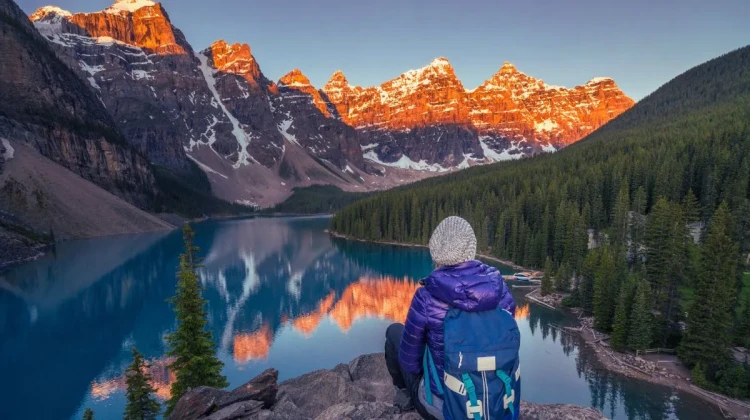
Set your alarm for a time that feels unreasonable. You want to be at the lake while the sky is still dark, because that is when the water turns that deep blue and the peaks catch the first light. The wait is part of the experience, so treat it as a slow, quiet hour rather than a delay.
Layer up properly in the dark, since you will be standing still for a long time in cold air. A base layer, a warm mid-layer, a windproof shell, a beanie, and thin gloves will keep you comfortable while everyone around you shivers in a hoodie. Standing still is much colder than walking, and most people forget that until they are already there.
After sunrise, keep going
Once the light has filled in, head to Lake Louise and walk the flat path along the shoreline. It takes about forty minutes at an easy pace, and it gives you a second famous view without a second climb. If your legs still feel good, add a stop at Two Jack Lake or the Vermilion Lakes on the drive back, where the water is calm and the crowds are thin.
Keep the same outfit on all morning. Add or remove your mid-layer as the sun comes up instead of changing clothes, because peeling off one jacket is fast and digging through a bag is not. Carry a small flask of hot tea or coffee too. It costs nothing, it keeps your hands warm, and it saves you a café stop at the busiest hour of the day.
Dressing for Cold Mornings and Canyon Ice
Banff clothing is not complicated once you stop thinking about fashion and start thinking about layers. You want pieces that work together, pack flat, and dry overnight. Here is what that looks like for a summer weekend.
Summer layers that cover a whole day
| Layer | What to bring | Why it works |
|---|---|---|
| Next to skin | Two lightweight cotton or merino tees | One to wear, one as a spare |
| Mid-layer | One long-sleeve top and one fleece or thin down jacket | The piece you add at dawn and shed by ten |
| Outer | A packable rain shell | Wind and rain in one small bundle |
| Legs | One pair of quick-dry hiking trousers and one pair of shorts or leggings | Trousers for trails, shorts for town |
| Feet | Wool socks and broken-in trail shoes | Wool stays warm even when it gets damp |
| Extras | Beanie, thin gloves, sunglasses | Dawn at the lake is genuinely cold |
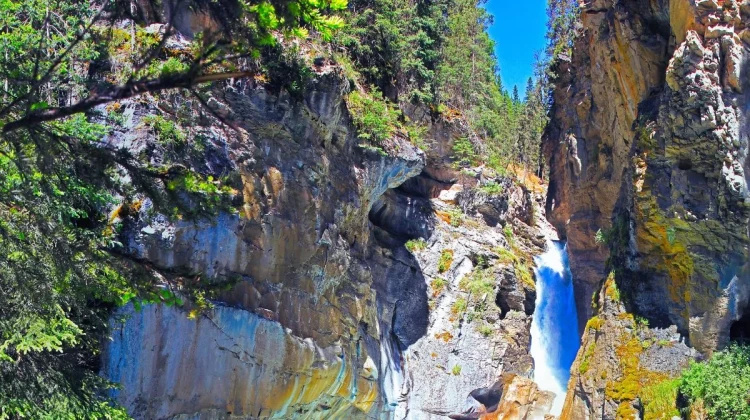
If you are traveling in winter or the shoulder season, add a few things to that list: thermal leggings, a heavier insulated jacket, a warm hat, waterproof gloves, and slip-on ice cleats. Johnston Canyon in winter is a walkway of packed snow and ice, and a cheap pair of cleats turns a slippery shuffle into an easy stroll. Without them, the same walk is tense and slow.
Shoes and a word about denim
Bring one pair of walking shoes you have already broken in for the trails, plus one pair of light sandals or flats for dinner in town. Two pairs is enough. New boots bought the week before a trip are the most common way people ruin a good weekend, because blisters show up on day one and stay for the whole trip.
Leave the jeans at home. Denim holds water, gets heavy, and takes forever to dry, which makes it a poor choice for cold, wet mountain days. Quick-dry trousers or leggings do the same job, weigh less, and dry overnight in a hotel bathroom.
Eating Well in Banff Without Spending a Lot
Food is where a short trip can quietly get expensive, because trailhead food is far away and priced for people who have no other option. The fix is simple: eat breakfast where you sleep, carry lunch with you, and spend your money on one good dinner.
Make breakfast at your hotel or hostel kitchen, or grab a pastry and a coffee from a small bakery on Banff Avenue. Either way, you are out the door in fifteen minutes and you have not spent a restaurant price on scrambled eggs.
Pack a lunch every single day. Sandwiches, apples, trail mix, and a refillable water bottle will get you through a long morning at the lakes far better than a rushed stop at a busy café. A refillable bottle also beats buying water in the park, where you pay a premium for something that comes out of a tap for free.
For dinner, split a pizza or order a couple of small plates to share. Many restaurants in town run early-evening menus with lower prices, so eating at six instead of eight can save you a surprising amount. Keep one collapsible food container and a spork in your bag, and last night's leftovers become tomorrow's lunch.
Packing Light, Washing Quick, and Heading Home
One 35-litre carry-on or a small backpack is enough for two days. Three tops, two bottoms, one warm layer, one shell, socks and underwear for two days plus one spare set, a swimsuit, a toiletry bag, and a charger. That is a complete kit, and it fits under the seat in front of you.
The wash-in-sink method
- Fill the sink with cool water and add a few drops of travel soap, or rub a laundry bar on the pits and collars.
- Swish the clothes around for about a minute and let them soak while you shower.
- Rinse everything under cool running water until the water runs clear.
- Press the extra water out by rolling each piece inside a dry towel.
- Hang everything overnight on a line, a hanger, or the shower rod.
Thin merino and synthetic fabrics dry by morning. Cotton does not, which is one more reason to leave the heavy shirts at home. If you would rather not bother with any of this, there is a laundromat in town where you can run a full load in under an hour.
Your last morning checklist
- Refill the water bottle before you leave the room.
- Hang the damp towel on the car seat or your bag strap so it dries on the road.
- Pack dirty clothes in a separate bag so clean things stay clean.
- Leave ice cleats, bear spray, and other one-trip items with a local gear shop or a hotel donation bin instead of flying home with them.
- Check the room one last time for chargers, sunglasses, and anything on the nightstand.
Then drive out slowly, because the road back to Calgary runs right through the mountains you came to see. Two days is short, but a small bag, a warm layer, and an early alarm are all it really takes to do Banff properly.
Frequently asked questions
✓ Kristina Mate
Founder & Lead Travel Editor · TravelStyleMate
Kristina is the founder and lead editor of TravelStyleMate. Over the past 8 years, she has explored 35+ countries across Europe, Asia, and the Americas—traveling almost exclusively with a single 40L carry-on bag. A dedicated solo traveler, she specializes in cobblestone-tested footwear, minimalist capsule packing formulas, and realistic transit logistics. Every packing rule, walking shoe, and itinerary on TravelStyleMate is personally tested on actual trips with real luggage constraints.
Testing Guarantee: Every packing rule, walking shoe, and transit route is personally tested with real luggage constraints. No paid rankings, no untouched gear, no AI fluff.
Related guides
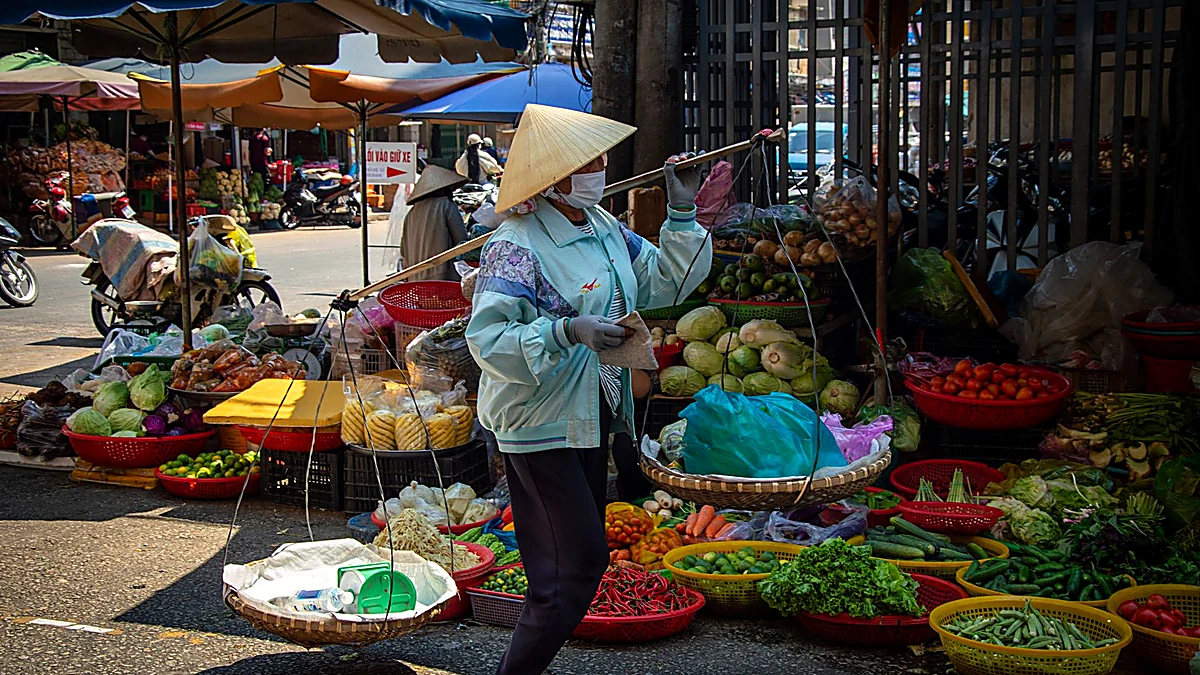
Morning Food Markets: Buying Fresh Fruit and Cheese Like a Local
Shop European morning food markets like a local: pick ripe fruit, buy the right cheese, and keep everything fresh while eating cheap on your trip.
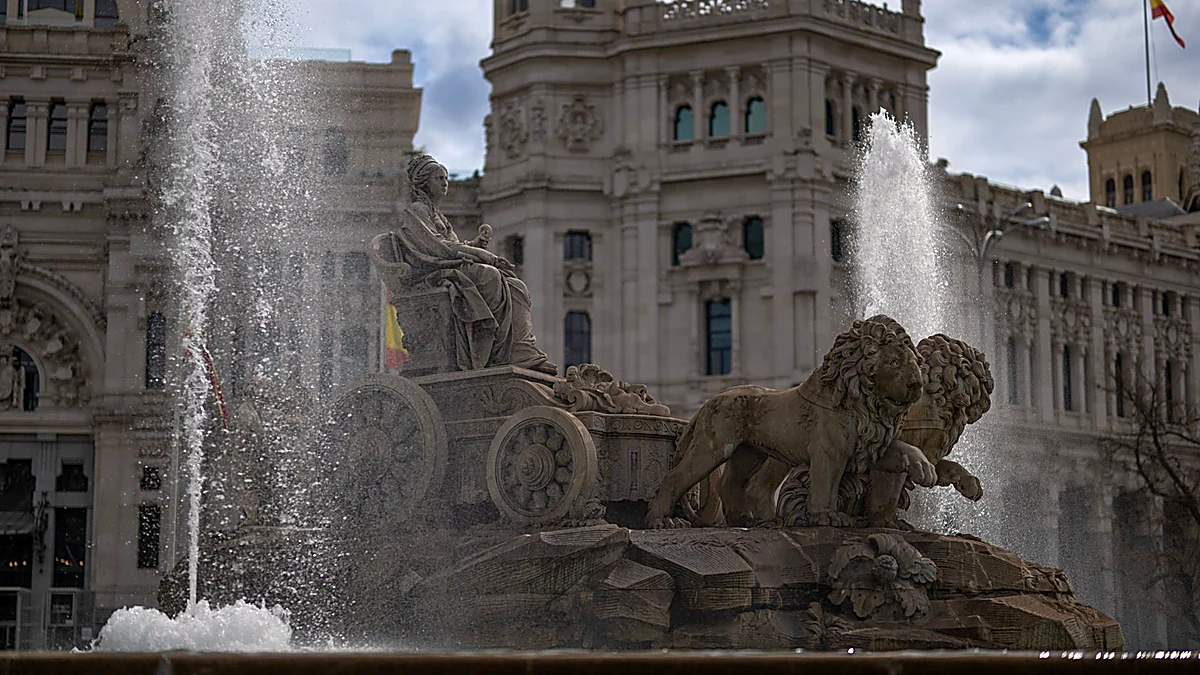
Historic Drinking Fountains: Finding Cold Free Spring Water in Old Cities
Learn to find free cold drinking water in old cities, from Rome's nasoni to Paris's Wallace fountains, plus what to wear and how to keep bottles fresh.
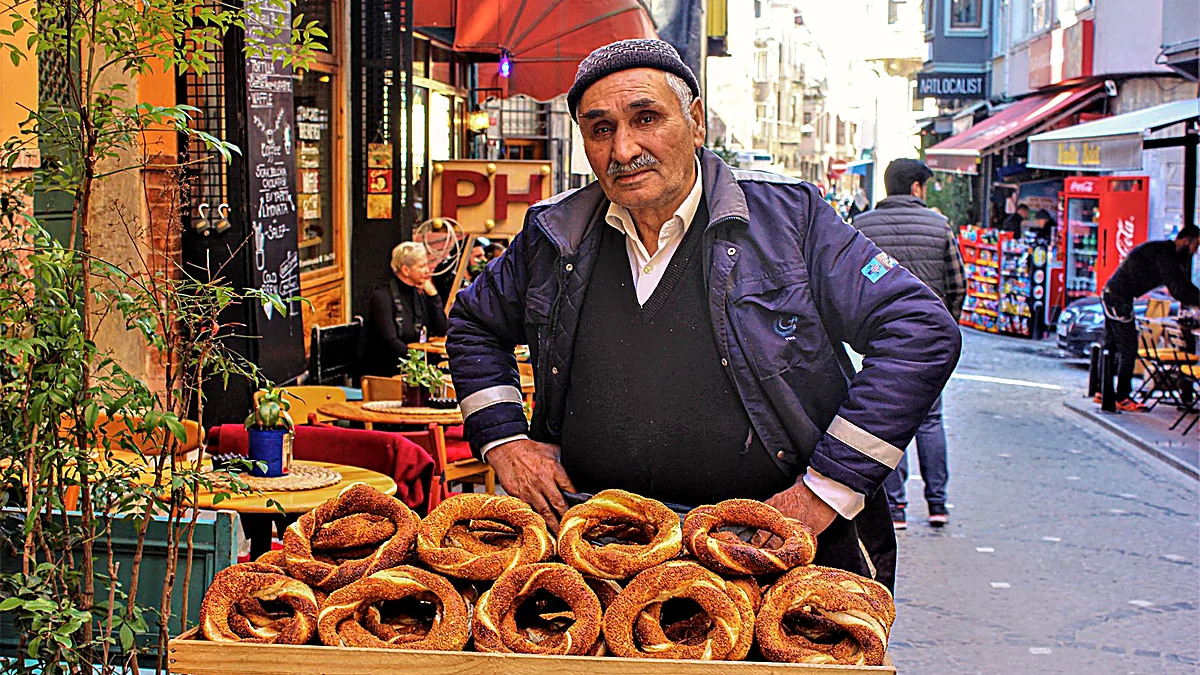
4 Ways to Spot an Overpriced Tourist Restaurant Before You Sit Down
Learn four simple ways to spot an overpriced tourist restaurant before you sit down, so you spend less and eat better on your next trip to Europe.