Portofino Summer: What I Packed Wrong
I packed denim and heels for Portofino in July and regretted it by lunchtime. Here is the light, simple packing list that really works far better.
 ✓
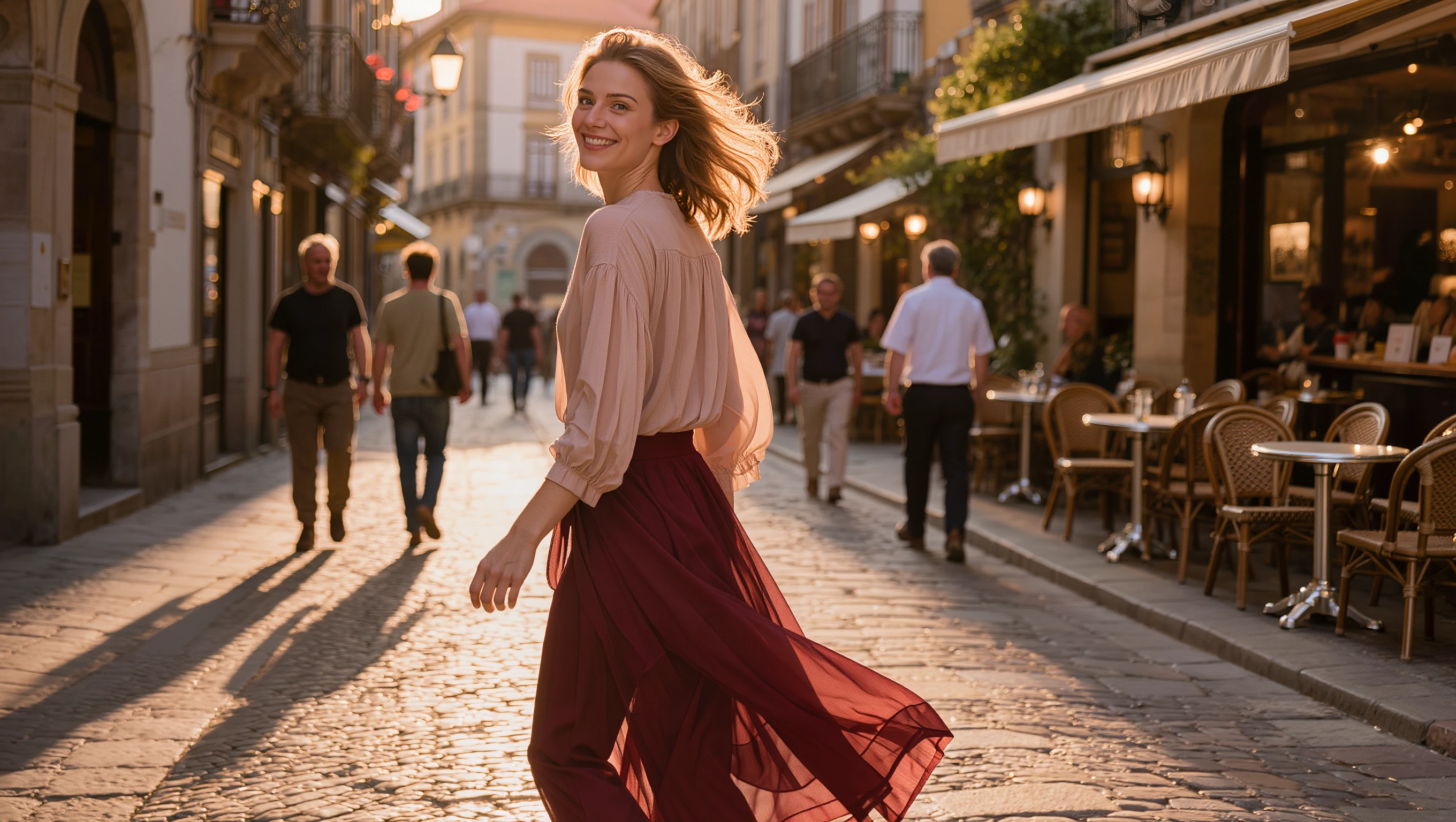
I love Portofino. I also packed badly for it the first time, and I spent most of that week shifting a heavy bag from one sore shoulder to the other while the water sparkled just a few steps away. This is the honest version of that trip: what I wore, what made me hot and grumpy, and the small list of clothes I pack now instead.
Here is the thing nobody tells you before your first summer on this coast. The village is tiny, the streets climb, and the heat does not politely wait for you to adjust. It arrives the moment you step off the train, and it stays until well after dark.
The good news is that packing for it is not hard. You just have to stop building an outfit for a photograph and start building one for a real, warm, wonderful day. Once I understood that, my bag got smaller and my trip got better.
What Portofino Heat Actually Feels Like on Day One
The first thing I noticed was not the harbour. It was the wall. The buildings are painted in warm yellows and pinks, and in July they bounce light straight back at you from both sides of the lane. There is little shade in the middle of the day, and the air near the water feels thick rather than fresh. It settles on your skin and stays there.
I had packed the way I pack for a city break. Dark jeans, a fitted shirt, a heavy leather tote. Within an hour of arriving, my shirt was damp at the back and my tote had carved a red line into my shoulder. Denim in that heat feels like a punishment you chose for yourself.
The swap was simple. A loose cotton or linen shirt, worn open over a light vest, lets air move around you instead of trapping it. Wide shorts or a light midi skirt keep your legs cool and still look right next to a table of people drinking coffee. A soft sun hat that folds flat slips into your bag and saves your face. And a small crossbody bag beats a heavy tote every single time, because you wear it close to your body and forget it is even there.
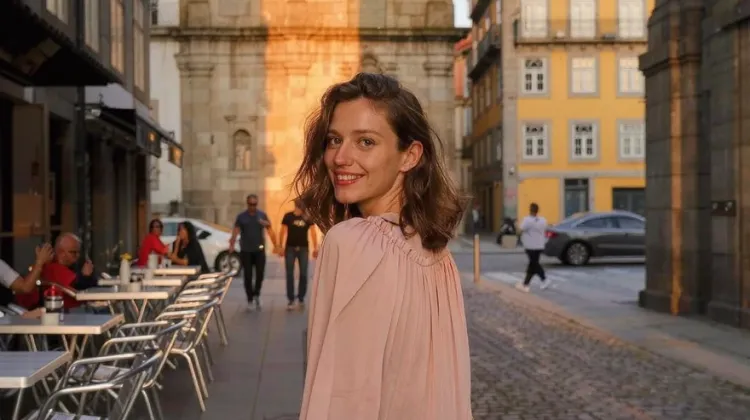
One small thing caught me out. Several churches and a few of the smaller shops ask for covered shoulders. Nothing dramatic, just a polite request at the door. I now keep a thin scarf or a very light cardigan rolled up in my day bag, because it weighs almost nothing and it turns a refusal at the door into a warm welcome.
Water matters more than any piece of clothing. I used to wait until I felt wiped out before drinking, which is exactly the wrong way round. Now I drink early and often, and I carry a small bottle that I refill at the fountain near the square. The walking parts of the day go in the morning or after five in the afternoon, when the light softens and the stone cools down.
These are the swaps that changed my first day completely.
- Out: dark denim and a fitted shirt. In: light cotton or linen, worn loose.
- Out: a big leather tote. In: a small crossbody that sits flat against me.
- Out: brand new sandals. In: shoes I had already walked in for weeks at home.
- Out: a stiff sun hat that has to be held in the wind. In: a soft, foldable one with a chin strap.
The Train Ride That Wrinkled All My Nice Clothes
I arrived by train, which is honestly the nicest way to get there. The line runs along the coast, the windows frame one small bay after another, and you step out almost at the water. What I did not plan for was the carriage itself. It was warm, the seats were fabric, and I sat still in them for a long stretch of the journey.
Linen creases when you sit on it. That is not a flaw in the fabric, it is simply what linen does. My lovely pressed shirt came out of that ride looking like a road map. If you love linen, wear it and accept the creases as part of its character. If you want to arrive smooth, choose a soft cotton knit or a light blend instead.

The packing part matters just as much as the outfit. I learned to roll soft knits and t-shirts rather than folding them flat, because rolls hold their shape and squeeze into gaps. A thin packing cube keeps small things together so they do not wander to the bottom. Anything delicate goes in the centre of the bag, where nothing presses on it. The one shirt or dress that wrinkles easily lies flat on top, like the last page of a book.
My train outfit is now the same outfit I wear to dinner that evening, which saves me both space and time.
| Piece | Why it works on the train |
|---|---|
| Soft cotton t-shirt | Breathes in a warm carriage and does not hold creases. |
| Thin merino layer | Enough for the air conditioning without adding bulk. |
| Stretchy trousers or a relaxed dress | Comfortable for sitting for hours and smart enough later. |
| Light scarf | Warms your neck, covers your shoulders, doubles as a pillow. |
| Broken-in flat shoes | Easy to slip off and back on at the platform or on a boat. |
When I reach the room, I hang anything creased in the bathroom and take a hot shower with the door closed. The steam relaxes the fibres and most of the folds fall out on their own. It is the cheapest iron in the world and it costs nothing.
What I Should Have Worn on the Coastal Path
The walk out toward the lighthouse is the part of the trip I remember most, and it is also the part I was dressed worst for. The path climbs, the stone steps are uneven, and the lane down to the bakery is cobbled in a way that punishes thin, flat sandals. I watched a woman in proper walking sandals stroll past me while I picked my way down like someone crossing a stream on wet rocks.
What I wear now is a quick-dry pair of shorts or a light skort, a breathable t-shirt, and one pair of trainers that I have already walked many miles in at home. If you prefer sandals, choose a sturdy pair with a real strap around the heel rather than a slide. New shoes on hot stone are a recipe for blisters, no matter how good they look in the shop window.
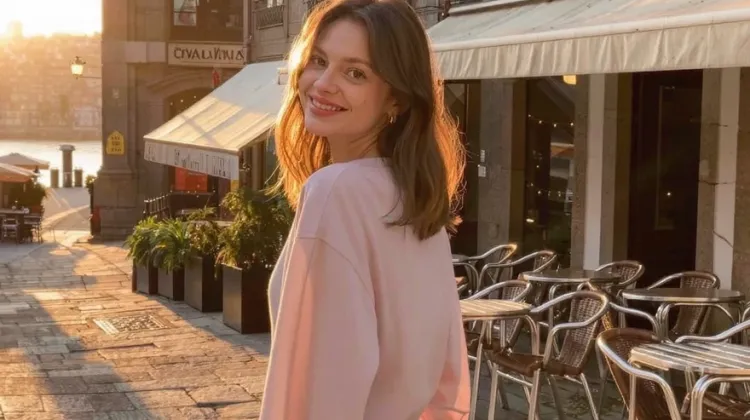
The two-pair rule is the simplest thing I have ever done for my feet. One pair for walking during the day, one pair for dinner in the evening, and that is the whole shoe collection. For the evening pair, a clean low wedge or a simple flat does the job beautifully. You will not need heels. The streets slope and the paving is old, and honestly nobody is studying your shoes.
Weather changes quickly here, so a few small extras earn their place in the bag. A packable rain shell handles a sudden shower without turning your day upside down. A light long-sleeve layer is welcome on a boat ride, where the breeze off the water is cooler than you expect. And a swimsuit with a quick-dry towel means you can say yes when a quiet swimming spot appears, which it will.
My favourite moment of the whole trip was a warm slice of focaccia eaten on a low wall halfway through a walk. It cost almost nothing and it tasted like the best food in Italy. The lesson came with it: do not carry a heavy day bag while you eat. Sit down, put the bag on the ground, and let your shoulders rest. A small crossbody makes that easy.
| Daytime walking outfit | Why it works |
|---|---|
| Quick-dry shorts or a light skort | Dries fast after a swim or a spill and never feels heavy. |
| Breathable t-shirt | Lets air reach your skin on the climb. |
| Broken-in trainers or strapped walking sandals | Grip on cobbles and steps, with no slipping. |
| Small crossbody bag | Keeps your hands free and your shoulders comfortable. |
| Foldable sun hat and sunglasses | Shade without the fuss. |
Shoes, Swimsuits and the Bag That Actually Worked
If I had to name the things that genuinely made my trip easier, the list would be short. A soft duffel or a lightweight wheeled carry-on that fits in the overhead bin is the first one. It is small enough to keep with me on the train and light enough that I can carry it up a flight of stairs without stopping halfway.
The second is a small crossbody bag for day trips, and the third is a thin foldable tote for beach and boat days. The tote folds down to the size of a pair of socks, and it holds a towel, a bottle of water, and a book. Light colours are your friend in this heat. Pale linens and soft cottons feel cooler and dry faster than dark fabrics, and black in July sun simply holds the warmth against you.
One hat and one pair of sunglasses is enough. You do not need a hat for every outfit, and you will be grateful you did not try. A sarong or a large thin scarf does three separate jobs: it is a beach cover-up, a polite shoulder cover for churches, and a light layer on a breezy evening. That is a lot of usefulness from one small square of fabric.
I also pack a tiny repair kit now. Two safety pins, a small needle, and a stain pen take up almost no room, and they have saved me more than once. A safety pin fixed a strap on a bag. The stain pen rescued a pale shirt from a drop of espresso.
And here is the honest part. The things I thought I needed were mostly the things I never used. Three pairs of heels stayed in the bag all week. A heavy denim jacket came out once, at night, for ten minutes. Five dresses meant I spent time choosing rather than swimming.
| What I packed the first time | What I pack now instead |
|---|---|
| Three pairs of heels | One pair of clean flats or low wedges |
| Heavy denim jacket | Light long-sleeve layer and a thin scarf |
| Five dresses | Two dresses I can rotate and wash |
| Large leather tote | Small crossbody plus a foldable tote |
| Dark fitted clothes | Loose light shirts and wide shorts or skirts |
Easy Washing and Wrinkle Fixes on the Road
You do not need a fresh outfit for every day. You need two or three basics you actually like, plus a simple way to wash them. That one habit cut my bag weight in half and I have never gone back to the old way.
The routine is easy. Fill the basin with cool water and add a drop of gentle soap or a travel wash sheet. Put the clothes in and swish them around for about a minute. Then squeeze the water out gently. Never wring them, because twisting stretches the fabric and leaves marks. Roll the wet clothes in a dry towel and press down with your hands, and the towel will soak up most of the water. Hang them in the shade or on a balcony line, and by morning they are ready to wear.
Different fabrics behave in different ways here, and knowing that saves trouble. Cotton and linen dry very fast in this heat, but they hold wrinkles. Thin merino and technical fabrics shrug wrinkles off and stay fresh for longer between washes. If you build your bag from a mix of both, you get the comfort of natural fabric and the easy care of the others.
A few small fixes are worth remembering. Hang anything creased overnight and let gravity do some of the work. Use the shower steam trick on stubborn folds. If a shirt still looks tired, spritz it lightly with water, smooth it with your hands, and hang it up. And when you pack, keep the rolled items at the top of the bag so they do not sit under heavy things and get crushed.
Nobody in Portofino is inspecting your shirt. They are looking at the water, the boats, and the light on the hills. Wear the soft clothes, walk slowly, and let the afternoon be long.
The Short List I Take Now
If you want the whole thing in one place, this is what goes in my bag for a summer week here. It fits in a carry-on, it washes easily, and every piece works with the others.
- Two loose cotton or linen shirts, one light and one pale.
- Three breathable t-shirts or light vests.
- One pair of wide shorts and one light midi skirt or relaxed dress.
- One pair of stretchy trousers for the train and cooler evenings.
- One thin merino or light long-sleeve layer.
- One light rain shell that folds into its own pocket.
- One swimsuit and one quick-dry towel.
- One sarong or large thin scarf.
- One soft sun hat and one pair of sunglasses.
- One pair of broken-in trainers and one pair of evening flats.
- One small crossbody bag and one foldable tote.
- A tiny repair kit with two safety pins, a needle, and a stain pen.
That is the whole list, and it weighs less than the bag I dragged around on my first trip. The change did not come from buying clever gear. It came from admitting that I had packed for a version of the trip that did not exist, one with air conditioning everywhere and no stairs and no sun.
The real trip is better. It is warm and bright, the water is close, and the best plan for the day is often just walking until you find a good spot to sit. Pack for that, and you will spend your week looking out at the coast rather than looking down at your bag.
Frequently asked questions
✓ Kristina Mate
Founder & Lead Travel Editor · TravelStyleMate
Kristina is the founder and lead editor of TravelStyleMate. Over the past 8 years, she has explored 35+ countries across Europe, Asia, and the Americas—traveling almost exclusively with a single 40L carry-on bag. A dedicated solo traveler, she specializes in cobblestone-tested footwear, minimalist capsule packing formulas, and realistic transit logistics. Every packing rule, walking shoe, and itinerary on TravelStyleMate is personally tested on actual trips with real luggage constraints.
Testing Guarantee: Every packing rule, walking shoe, and transit route is personally tested with real luggage constraints. No paid rankings, no untouched gear, no AI fluff.
Related guides
The Best Slip-Off Shoes for Airport Security Lines
Slip-off shoes make airport security lines easy. Learn which easy-on shoes stay comfortable all day, what to avoid, and how to keep them fresh on trips.
The Best Weekend Duffel Bags for Short 3-Day Trips
How to choose and pack a weekend duffel for a three-day trip, so you skip the wheels, fit the overhead bin, and keep your clothes fresh on the road.
How to Layer Your Clothes for Cold Airplanes and Hot Airports
Learn the simple three-layer rule for flights: thin base, warm middle, packable outer. Stay comfortable from a hot terminal to a cold cabin.